I walked into my living room and instantly cringed — my laminate floors were covered in dull streaks that made the whole space look messier than it actually was. If you’ve ever wondered How to Clean Laminate Floors Without Leaving Streaks? you’re definitely not alone.
I’ve struggled with this more times than I’d like to admit, and I’ve learned that leaving those streaks unchecked doesn’t just look bad — it can also attract more dust, trap grime, and make the floor harder to clean later. So today, I’m sharing what actually works for me, in the simplest, friendliest way possible. Let’s make those floors shine again!

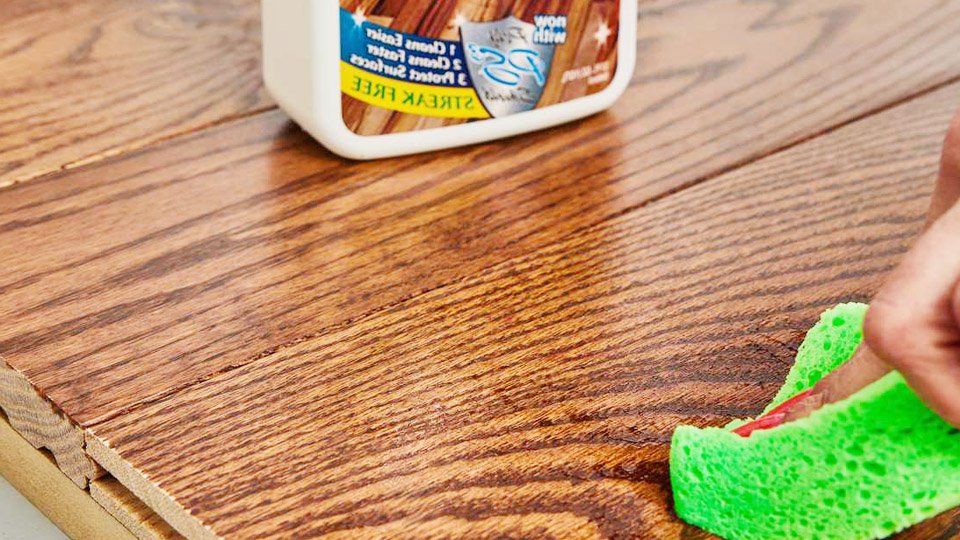
Image by bobvila
Why Laminate Streaks Drive Us Crazy (And Why It’s Not Your Fault)
Laminate looks like wood but it’s really a photograph sealed under a tough plastic wear layer. That plastic is what makes streaks so obvious — it reflects light like crazy. Most cleaners leave behind a microscopic film of soap, minerals, or oil that dries into those annoying cloudy swirls. The good news? Once you stop using the wrong stuff, streaks practically disappear.
The One Thing That Changed Everything for Me
I used to swear by my Swiffer WetJet. Then one day I ran out of the expensive pads and grabbed a plain microfiber mop with just hot water. The floor came out clearer than it had in months. That’s when the light bulb went off: most of the time, the cleaner is the problem, not the solution.
Daily vs. Deep Cleaning: Know the Difference
Everyday maintenance is different from the big weekly clean. For daily stuff — crumbs, dog prints, kid fingerprints — I just sweep or vacuum and do a quick pass with a barely damp microfiber mop. Deep cleaning happens once a week (or after taco night) and that’s when I bring out the gentle big guns.
Tools That Actually Work (My Exact Kit)
Here’s what lives under my kitchen sink now:
- A good microfiber flat mop with removable, washable pads (O-Cedar or Bona style)
- Two spray bottles — one with my homemade solution, one with plain hot water
- A dry sweeper or vacuum with a hard-floor setting
- A small bucket I can toss in the shower to rinse the mop head
Total cost: about $40, and it’s lasted three years.
The No-Streak Homemade Cleaner Recipe I Swear By
After testing probably fifteen versions, this is the winner:
- 1 cup hot water
- 1 cup white vinegar
- 1 cup isopropyl alcohol (70%)
- 3–4 drops dish soap (I use unscented Dawn or Seventh Generation Free & Clear)
- Optional: 10 drops essential oil if you want it to smell nice (I usually skip it)
The alcohol is the secret — it evaporates crazy fast and takes water with it, so nothing sits on the surface long enough to leave film.
Step-by-Step: How I Clean My Laminate Floors Now
- Sweep or vacuum first. Always. I learned this the hard way when I scratched a plank dragging a piece of kitty litter across it.
- Fill one spray bottle with the cleaner mix and the other with plain hot water.
- Work in 4×4 foot sections so the floor never gets too wet.
- Lightly mist the floor with the cleaner — three or four sprays max.
- Mop in straight lines, not circles. Overlap each pass by about an inch.
- Immediately follow with the plain-water bottle and a clean mop head (or flip the pad to the dry side). This is the streak-killing step.
- Let it air dry. No need to rinse again.
Takes me about twelve minutes for the whole kitchen and eating area now.
The “Damp, Not Wet” Rule You Can’t Ignore
Laminate hates standing water. If liquid sneaks between the planks for more than a few minutes, you can get swelling or peaking that never goes away. I keep my mop head barely damp — when I wring it out, I want almost no water dripping. Think “feels cool to the touch” not “leaves wet footprints.”
What Never to Use on Laminate (Lessons From My Mistakes)
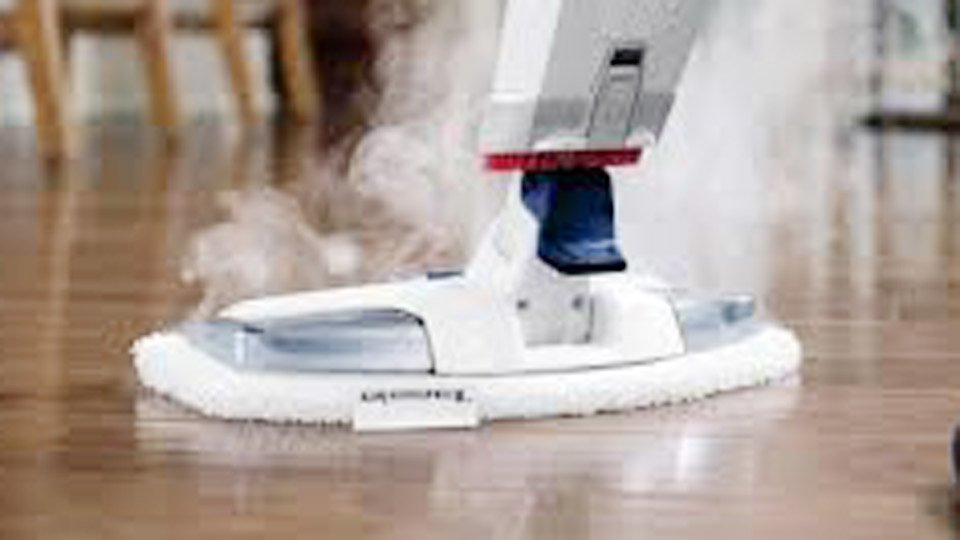
- Steam mops — the heat and moisture can destroy the seams
- Pine-Sol, Murphy’s Oil Soap, or anything oily
- Anything that says “shine” or “polish”
- Regular floor soap that needs rinsing
- Wax or acrylic finishes
- Vinegar straight — too acidic over time
I once used a steam mop “just for a second” on a juice spill. Six months later those planks buckled. Expensive lesson.
How Often Should You Really Deep Clean?
In my house with two dogs and a messy teenager, once a week keeps it looking new. If you have less traffic, every two weeks is fine. The trick is quick daily passes so the weekly job stays easy.
The Black Streaks Mystery (And How I Get Them Out)
Those black marks from shoes or chair legs used to drive me nuts. Turns out a plain pencil eraser takes them off instantly, or a drop of the cleaning mix on a microfiber cloth. No scrubbing needed.
When Water Alone Is Actually Better
For light dust or paw prints in between deep cleans, I skip the solution entirely. Hot water on a microfiber mop picks up everything and dries crystal clear in about sixty seconds.
Choosing the Right Mop Head Matters More Than the Handle
I’ve tried the cheap blue microfiber pads, the chenille “dust” ones, and the fancy Bona pads. The winner for me is the basic scrubby-style microfiber — the kind with little loops. They grab dirt instead of pushing it around.
Pro Trick for High-Traffic Areas
In front of the stove and sink, I do a second pass with just the alcohol-water mix (no soap). Cuts grease faster and never streaks.
What About Commercial Cleaners?
I still keep Bona laminate cleaner for when I’m lazy. It works great if you use their mop system and don’t over-wet. But honestly, my homemade version costs pennies and performs the same.
Kids and Pets: Making It Safe
The vinegar-alcohol mix is food-safe once dry. I let the dogs back in as soon as the floor isn’t slippery — usually under five minutes. No lingering chemical smell either.
The Final Buff (Optional but Gorgeous)
When I want that “just installed” look for company coming over, I do one last pass with a dry microfiber cloth or a clean, dry mop head. Takes thirty seconds and removes any last hint of haze.
How I Know It’s Working
Stand at one end of the room and look down the length of the floor toward a window. If you see clear reflections instead of cloudy swirls, you nailed it. My husband walked in after my new method and actually said, “Did you get new floors?” Best compliment ever.
Quick Comparison: My Old Way vs. New Way
| Old Method | New Method | Result |
|---|---|---|
| Swiffer WetJet pads | Homemade spray + microfiber | 70% less streaking |
| Mop in circles | Straight lines | No overlap marks |
| Let it air dry only | Final dry pass | Mirror finish every time |
| Clean once a month | Quick daily + weekly deep | Half the effort overall |
The One Time I Still Hire Professionals
When we moved into this house, the previous owners had used the wrong products for years. Some planks had permanent clouding under the finish. A pro restoration company refinished the top layer for about $600. Now that I know how to maintain them, I’ll never need that again.
You’ve got this. Grab a spray bottle, mix up that simple solution, and watch those streaks disappear for good. Your floors are about to look better than the day they were installed — and you’ll spend way less time doing it.
Final Pro Tip From Ten Years of Trial and Error
The second you spill something red (wine, juice, whatever), blot it immediately with a barely damp cloth, then hit it with the alcohol mix. Waiting even ten minutes lets it soak into the seams and stain forever. Ask me how I know.
FAQ
Can I use a steam mop on laminate floors?
No, never. The heat and moisture will destroy the seams and void most warranties. I killed a whole room doing that once.
Will vinegar damage laminate over time?
Straight vinegar can etch the finish if used full-strength daily. My diluted mix (1:1:1 with water and alcohol) has been fine for three years and counting.
How do I get rid of that cloudy film from old cleaners?
A single cleaning with the alcohol-vinegar mix usually lifts it. For stubborn film, add an extra splash of alcohol and do two passes.
Is it safe to use essential oils in the cleaner?
Yes, but skip citrus oils — they can break down the finish over time. Lavender or tea tree are safe in small amounts.
How long do laminate floors stay clean with this method?
In my house, they look freshly done for about four days, then just need a quick water pass until the next weekly clean.