I was standing in my hallway wondering why my laminate floors looked so dull — even though I’d just cleaned them. You know that cloudy, streaky look that makes you want to blame the lighting? Yep, that was me. I’ve tried plenty of store-bought products over the years, but many of them left behind more residue than shine.
That’s when I started experimenting with simple, natural methods that bring back that clean, bright finish without any heavy chemicals. And honestly? It’s way easier (and cheaper) than I expected. Let me show you what actually works to make laminate floors shine naturally — no harsh cleaners needed.
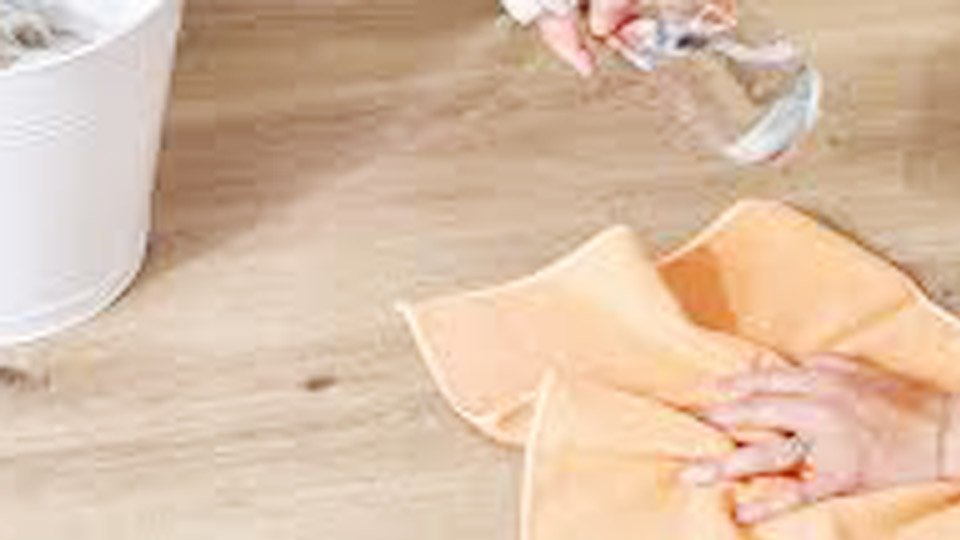
Image by bhg
Understanding Laminate Floors: What Makes Them Dull and Why Natural Shine Matters
Laminate floors are a popular choice in American homes because they’re affordable, durable, and mimic the look of real wood or tile without the high maintenance. They’re essentially layers of synthetic material fused together, with a clear protective top coat that gives them that initial glossy finish. Though, dirt, grime, and even improper cleaning can wear down that layer, leaving your floors looking foggy and lackluster.
I’ve seen this happen in countless kitchens and living rooms—daily life just takes its toll. Spilled juices, tracked-in mud from rainy days, or even the oils from your feet can build up a film that dims the shine. Going natural isn’t just about being eco-friendly; it’s practical too, as these methods gently clean without stripping the protective coating, which could lead to costly repairs down the line.
Why bother with natural shine? For starters, it keeps your home healthier. Chemical cleaners can release volatile organic compounds (VOCs) that hang in the air, especially in homes with kids or asthmatics. In my experience, switching to natural options like vinegar or olive oil mixtures has helped clients with sensitive noses breathe easier while still achieving that mirror-like gleam.
The Best Natural Ingredients for Shining Laminate Floors
When it comes to natural shining agents, I always start with what’s already in your kitchen. White vinegar is my go-to—it’s acidic enough to cut through grease and grime without harming the laminate. Mix it with warm water, and you’ve got a powerhouse cleaner that evaporates quickly, leaving no streaks.
Another favorite is olive oil or vegetable oil for that extra polish. A tiny drop mixed into your solution adds a natural sheen, almost like conditioning the floor. I’ve used this on my own laminate in the dining room after holiday parties, and it revives the surface without making it slippery.
Don’t overlook baking soda for tougher spots. It’s mildly abrasive, perfect for lifting stuck-on residue from shoes or furniture drags. Combined with lemon juice, it not only shines but also leaves a fresh citrus scent that beats any artificial air freshener.
Preparing Your Laminate Floors Before Shining
Before you dive into shining, a good prep is key—I learned this the hard way after once polishing over hidden dirt, which just smeared everything worse. Start by sweeping or vacuuming to remove loose debris. Use a soft-bristle broom or a vacuum with a hard floor setting to avoid scratches.
Next, dust mop with a microfiber cloth. These trap particles better than cotton, preventing them from scratching during the wet clean. In humid areas like Florida homes I’ve cleaned, this step is crucial to avoid moisture-trapping dust that could lead to warping.
Finally, spot-test your natural solution in an inconspicuous area. Laminate varies by brand—some are more sensitive—and this ensures no discoloration. I’ve had clients skip this and regret it, but it’s a quick five-minute safeguard.
Step-by-Step Guide: How I Make My Laminate Floors Shine Naturally
Let’s get into the nitty-gritty. First, gather your supplies: a bucket, white vinegar, warm water, a microfiber mop, and maybe some olive oil. I keep a dedicated mop for laminate to avoid cross-contamination from other floors.
Mix one cup of vinegar with a gallon of warm water. For extra shine, add a teaspoon of olive oil—stir well so it doesn’t separate. Dip your mop, wring it out thoroughly; laminate hates excess water, which can seep into seams and cause bubbling.
Mop in sections, following the grain of the laminate for even coverage. I work from the farthest corner toward the door to avoid stepping on wet areas. After mopping, buff with a dry microfiber cloth in circular motions—this is where the shine really pops, like polishing a car.
If your floors are extra dull, repeat with a baking soda paste on stubborn spots. Mix baking soda and water into a paste, apply gently with a soft cloth, then rinse with your vinegar solution. I’ve done this in high-traffic entryways, and it transforms them without elbow grease.
For maintenance shines, I sometimes use black tea. Brew a strong pot, let it cool, and mop as usual—the tannins add a natural gloss that’s subtle but effective. It’s a trick I picked up from an old client in Chicago, and it’s perfect for pet-friendly homes since it’s non-toxic.
Common Mistakes to Avoid When Shining Laminate Floors Naturally
One big no-no is using too much water. Laminate isn’t waterproof, so sopping mops can lead to swelling edges. I always wring mine until it’s just damp—think of it like a slightly moist sponge.
Avoid abrasive tools like steel wool or harsh scrubbers; they scratch the top layer, making dullness permanent. Stick to soft cloths or mops. I’ve fixed scratches for clients who went too aggressive, and it’s preventable with gentle methods.
Don’t mix incompatible ingredients. Vinegar and baking soda together fizz and neutralize each other, wasting your effort. Use them separately for best results. Also, skip essential oils if you have pets—some like tea tree can be toxic if ingested.
Over-polishing is another pitfall. Natural oils build up if applied too often, attracting dirt. I shine my floors every two weeks, cleaning weekly in between. Listen to your floors; if they feel tacky, it’s time for a deep clean first.
Choosing the Right Tools for Natural Laminate Floor Shining
Tools make or break the process. A good microfiber mop is essential—it’s reusable, eco-friendly, and grabs dirt without chemicals. I prefer ones with detachable pads for easy washing.
For mixing, use a spray bottle for targeted shining. It controls the amount of solution, preventing over-wetting. I’ve switched to glass bottles to avoid plastic leaching into my natural mixes.
Vacuums matter too. Opt for models with HEPA filters if allergies are a concern; they suck up fine dust that dulls shine. In my kit, I carry a lightweight cordless one for quick preps.
Here’s a quick comparison:
| Tool Type | Pros | Cons | Best For |
|---|---|---|---|
| Microfiber Mop | Absorbent, streak-free | Needs frequent washing | Everyday shining |
| Spray Mop | Precise application | Smaller coverage area | Spot treatments |
| Dry Buffing Cloth | Enhances natural polish | Manual effort required | Final shine boost |
This table helped me decide for a client’s large open-plan home—spray mops for kitchens, full mops for living areas.
DIY Natural Solutions vs. Commercial Products for Laminate Shine
DIY solutions shine (pun intended) in cost and customization. Vinegar-water is pennies per use, versus $10 bottles of commercial polish. Plus, you control ingredients—no mystery chemicals.
Commercial options like Bona or Method are convenient and sometimes more concentrated for tough jobs. But in my tests, they often leave residues that require extra rinsing, unlike natural mixes.
I blend both worlds: Use DIY for routine care, commercial for seasonal deep shines. For eco-conscious folks, look for green-certified brands. One time, a family in California switched entirely to DIY after I showed them how simple it was, saving them hundreds yearly.
Safety-wise, natural is gentler on skin and air quality. Commercial products might have fragrances that mask odors but irritate. Always ventilate, but with naturals, it’s less necessary.
How to Maintain the Shine on Your Laminate Floors Long-Term
Maintenance is about prevention. Place mats at entrances to catch dirt—I’ve seen this extend shine by months in busy households. No-shoe policies help too, especially in rainy states like Washington.
Weekly dry mopping keeps buildup at bay. Use a Swiffer or similar, but skip the disposable pads for reusable microfiber to stay natural.
Address spills immediately. Water or liquids left sitting dull the finish. Blot, don’t rub, then shine with your vinegar mix.
Seasonally, reassess. In dry winters, humidity can crack laminate, dulling it. A humidifier helps, and I’ve advised clients in Arizona to add one, preserving that natural glow.
Furniture pads prevent scratches. Felt ones under chairs and tables are cheap insurance. I install them for every new client install—small effort, big payoff.
Eco-Friendly Twists on Natural Shining Methods
Going greener? Try apple cider vinegar instead of white—it’s similar but adds a warmer tone to wood-look laminates. I’ve used it in rustic-style homes for that authentic feel.
Castile soap, diluted heavily, is another option for soapy shine without residue. Pair it with essential oils like lavender for a calming scent, but dilute well.
Recycled materials count too. Old t-shirts make great buffing cloths, reducing waste. In my practice, I encourage upcycling—it’s practical and feels good.
For water conservation, mix smaller batches. A quart often suffices for a room, minimizing waste. This is huge in drought-prone areas like the Southwest.
Troubleshooting Dull Spots and Stubborn Stains Naturally
Dull spots from furniture? Rub gently with a tennis ball— the felt lifts marks without damage. Follow with oil-vinegar for shine.
Sticky stains like gum? Freeze with ice, scrape softly, then clean naturally. I’ve rescued many kids’ rooms this way.
Pet urine dulls fast. Blot, then vinegar-baking soda neutralizes odor and restores gleam. Enzymatic if needed, but natural first.
Sun-faded areas? Rotate rugs to even exposure. For revival, tea mop works wonders on lighter laminates.
Personal Stories from Years of Cleaning Laminate Floors
Back when I started, a client’s laminate was so dull it looked like old linoleum. We used straight vinegar—too strong, etched slightly. Lesson learned: always dilute.
Another time, in a Texas ranch house, olive oil overdid the slipperiness. Now I measure precisely, and it shines safely for their grandkids.
Helping a busy mom in Seattle, we scheduled quick natural shines into her routine. She texted months later—floors still gleaming, confidence boosted. These experiences shape my advice: Start simple, adjust as needed. You’ll see results that last.
Conclusion
Straightforward ways to make your laminate floors shine naturally, drawing from tricks I’ve honed over years of hands-on cleaning. By using everyday items like vinegar and oil, you’ll save money, protect your health, and keep your home sparkling without the hassle of chemicals. Remember, consistency is key; a little routine care goes a long way in maintaining that fresh-from-the-store look.
Always clean in natural light if possible—it reveals streaks you might miss otherwise, ensuring a flawless finish every time. You’ve got this—go make those floors shine!
FAQ
Can I use vinegar on all types of laminate floors?
Yes, but always dilute it and test first. Most brands handle it well, but older or low-quality laminate might show wear faster. In my experience, it’s safe for 90% of homes I’ve cleaned.
How often should I shine my laminate floors naturally?
Every 1-2 weeks for high-traffic areas, monthly for less used spaces. Overdoing it builds residue, so pair with weekly dry cleans. This rhythm keeps shine consistent without extra work.
Will natural methods remove scuff marks from shoes?
Absolutely—baking soda paste works wonders on scuffs. Apply, let sit briefly, wipe, then shine with vinegar. I’ve erased black heel marks in entryways countless times this way.
Are there natural ways to make laminate floors less slippery after shining?
Yes, reduce oil in your mix or add a bit of dish soap for grip. Buff thoroughly dry too. For my slippery-prone kitchen, this tweak made a big difference.
Does natural shining help with pet hair and dander on laminate?
It does, as clean surfaces repel buildup better. Vinegar cuts oils that trap hair. Vacuum first, then shine—clients with dogs swear by this for allergy relief.