I was reaching up to grab a spice jar during dinner prep when I noticed that sticky film on my kitchen cabinets again — the kind of greasy layer that somehow appears even when you swear you just cleaned. Grease loves to cling to those surfaces, especially near the stove, and I’ve battled those stubborn spots more times than I’d like to admit.
After trying everything from store-bought degreasers to homemade mixes, I’ve figured out which ones actually work without damaging the finish. If you’re wondering what really cuts through cabinet grease, let me share the simple solutions that have made my cleaning routine so much easier.
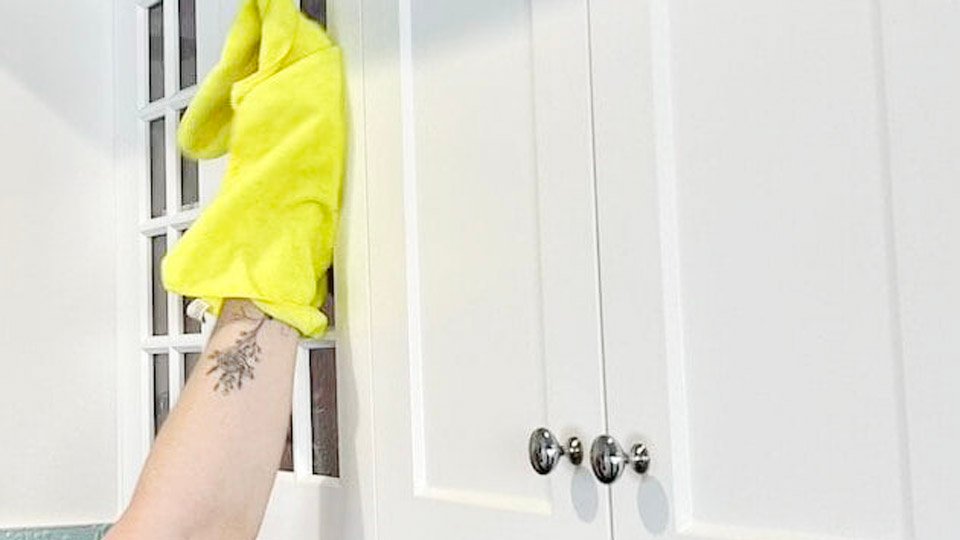
Image by maid2match
Why Grease on Cabinets Is Such a Pain (and Why You Should Care)
That film isn’t just ugly. It traps dust, pet hair, and tiny food particles, turning your cabinets into a permanent fly strip. Once it hardens, it can actually etch into paint or damage wood finish if you let it sit for years. I’ve seen homeowners spend thousands refinishing cabinets that could have been saved with a Saturday morning and the right cleaner.
The Everyday Heroes: Four Things I Always Keep Within Arm’s Reach
1. Dish Soap + Hot Water (My 80% Solution)
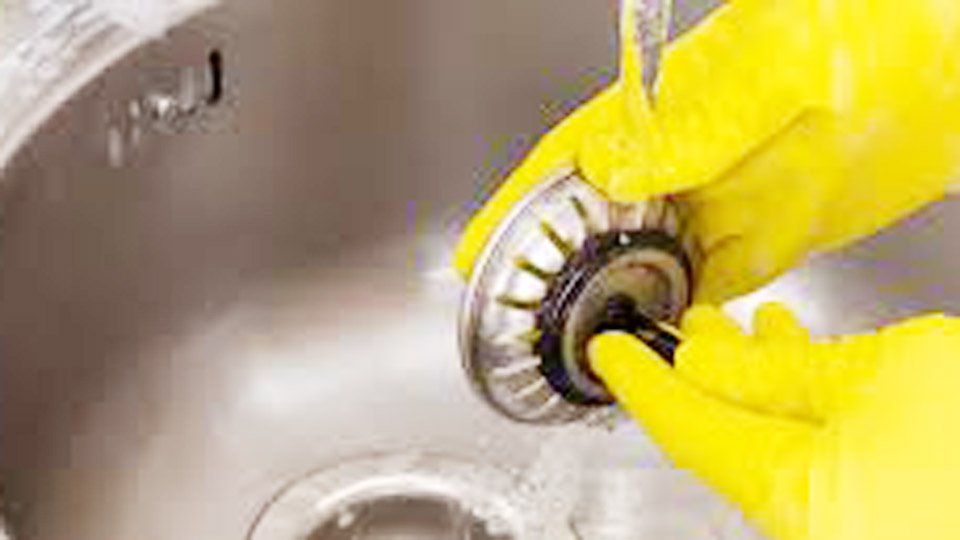
Dawn, Palmolive, whatever you have—dish soap is designed to break grease in the first place. I mix about a tablespoon into a quart of the hottest water my tap will give me. The heat melts the grease, the soap surrounds it, and when you wipe, it actually leaves with the rag instead of spreading around. Works on painted cabinets, laminate, and sealed wood every single time.
Pro move: Use two microfiber cloths—one wet, one dry. Wipe with the wet one, immediately follow with the dry one. No streaks, no residue, no second pass needed.
2. White Vinegar + Water (When You Want Zero Residue)
For cabinets that get touched a lot (think kids, husbands, and everyone who can’t open a drawer without leaving fingerprints), I go 50/50 vinegar and warm water in a spray bottle. The acetic acid cuts light grease and leaves nothing behind that attracts new dirt. Smells strong for ten minutes, then completely gone.
3. Baking Soda Paste (The Heavy Artillery for Years of Buildup)
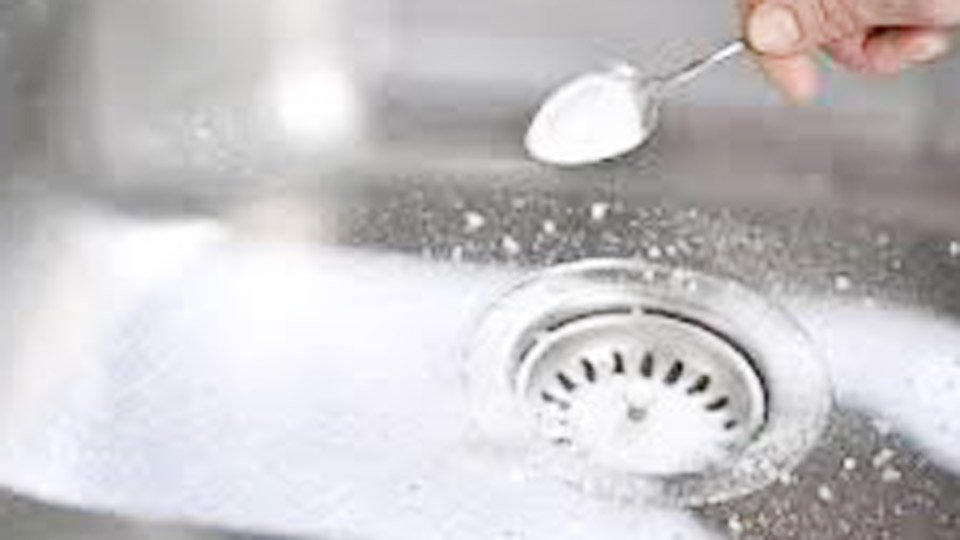
When the grease has turned almost shellac-hard (usually right above the stovetop), I make a paste with baking soda and a little dish soap. Spread it on, let it sit 15 minutes, and the grease practically jumps off when you scrub with a damp sponge. I’ve rescued 1970s oak cabinets that people swore would need sanding with this exact trick.
4. Oil Soap (Murphy’s or Old Craftsman) for Unfinished or Oiled Wood
If your cabinets are raw wood or have an oil finish, water is the enemy. I keep Murphy Oil Soap on hand because it cleans with oils instead of against them. One capful in a bucket of warm water, quick wipe, and the wood looks fed instead of stripped.
My Step-by-Step Method That Never Fails
Here’s exactly what I do every single time, whether I’m at a client’s house or tackling my own post-Thanksgiving disaster:
- Clear everything off the counter below. You’ll thank me later.
- Lay old towels or a drop cloth—grease drips are sneaky.
- Dust or vacuum the tops and fronts first. Loose crumbs turn into mud when wet.
- Start at the top cabinet and work down (gravity is not your friend otherwise).
- Spray or apply your cleaner generously. Let it sit 2–5 minutes on heavy buildup. I set a kitchen timer so I don’t forget.
- Wipe in the direction of the wood grain with a barely-damp microfiber. Flip the cloth often.
- Immediately buff with a dry microfiber. This is the step most people skip and then wonder why things look cloudy.
- For handles and knobs, I pull them off if possible and soak in hot soapy water. Five minutes and they look brand new.
Total time for an average kitchen: 35–45 minutes once you get the rhythm.
The Commercial Degreasers I Actually Trust (and One I Don’t)
- Krud Kutter Original: Smells like oranges, cuts 20-year-old grease like it’s butter. Ventilate the room.
- Simple Green All-Purpose (diluted): Cheap, non-toxic, and works surprisingly well on medium buildup.
- Goo Gone Kitchen Degreaser: Great for spots you missed, but expensive for whole cabinets.
The one I avoid? Anything with “orange oil” that leaves a sticky film behind. Learned that the hard way in a rental—took three extra cleanings to get the residue off.
Painted Cabinets vs. Stained Wood: Know the Difference
Painted cabinets can take almost anything (even a Magic Eraser in a pinch). Stained or varnished wood is pickier. I once watched a homeowner destroy her cherry cabinets with 409 because it dulled the finish permanently. When in doubt, test in an inconspicuous spot first.
How Often Should You Really Do This?
Light cooks: Twice a year is plenty.
If you fry food more than once a week: Every season.
Airbnb or rental turnover cleanings: Every single time, no exceptions.
I keep a reminder on my phone for the first weekend in April and October. Takes less time than scrolling Instagram for an hour, and my kitchen always smells like lemon instead of old french fries.
The Magic of Microfiber (and Why Your Old T-Shirts Are Lying to You)
Paper towels smear grease. Terry cloth towels leave lint. Spend eight bucks on a pack of microfiber cloths and your life changes. I buy the giant pack from Costco and keep a dedicated “kitchen cabinet” stack that never sees glass cleaner or wax.
Natural Options That Actually Work (Because Some of You Hate Chemicals)
- Lemon juice + baking soda for white cabinets (the acid + abrasion combo is unreal)
- Castile soap diluted for a gentle everyday wipe-down
- Essential oil boost: 10 drops of tea tree or lemon oil in your vinegar spray keeps things fresh longer
The One Thing You Should Never Do
Never—I repeat never—use bleach on kitchen grease. It doesn’t dissolve oil, it just lightens the color so you think it’s gone, then everything feels stickier two days later. Seen it dozens of times.
Quick Comparison: My Go-To Solutions at a Glance
| Situation | Best Cleaner | Time Needed | Leaves Residue? |
|---|---|---|---|
| Light weekly buildup | Dish soap + hot water | 10 minutes | No |
| Monthly maintenance | 50/50 vinegar spray | 15 minutes | No |
| Years of neglected grease | Baking soda paste + elbow | 45 minutes | No |
| Raw wood cabinets | Murphy Oil Soap | 20 minutes | Slight shine |
| Emergency spot treatment | Krud Kutter | 5 minutes | No (rinse well) |
The Final Reveal Moment
There’s this satisfying second when you step back after the last cabinet is dry and the whole kitchen suddenly looks brighter—even though you only cleaned the cabinets. Light bounces differently when it’s not fighting through a grease film. My husband walked in after I finished one particularly bad job and said, “Did you paint?” That’s the reaction you’re going for.
Your Turn
Pick one cabinet right now—the worst one. Grab dish soap, two microfiber cloths, and the hottest water you can stand. Try my method on just that one door. If it doesn’t look dramatically better in ten minutes, I’ll eat my favorite scrub brush. Grease has been losing to determined homeowners for generations, and today it’s losing to you.
FAQ
What cleans grease off kitchen cabinets naturally?
A 50/50 mix of white vinegar and hot water in a spray bottle, or dish soap with the hottest water possible. Both cut grease without chemicals and leave no residue.
Will Magic Eraser scratch my cabinets?
On painted cabinets, usually no. On high-gloss or stained wood, yes—it’s basically ultra-fine sandpaper. I only use them as a last resort on flat white painted surfaces.
Can I use olive oil and vinegar like Pinterest says?
Please don’t. The oil just adds another layer for dust to stick to. That “Polish” trick is for furniture that never gets cooking splatter.
How do I clean grease off the top of cabinets without climbing?
Extendable microfiber duster first, then a Swiffer Wet pad soaked in degreaser solution taped to a broom handle. Works every time without risking your neck.
Is it safe to use oven cleaner on cabinet grease?
Only if you enjoy stripping paint and inhaling fumes that require a hazmat suit. Hard pass. Dish soap is stronger on grease anyway and won’t destroy your finish.