I was dusting my wooden bookshelf the other day when I noticed those cloudy patches and fingerprints that never seem to go away, no matter how carefully I wipe. That’s when I realized how tricky wood furniture can be — use the wrong cleaner, and you’re left with streaks or a dull finish that’s even harder to fix.
I’ve tested everything from store-bought sprays to simple DIY mixes, and some options definitely work better than others. If you’ve ever stood there wondering what’s actually safe and effective for cleaning wood furniture, let me share the go-to products and ingredients that always bring mine back to life.
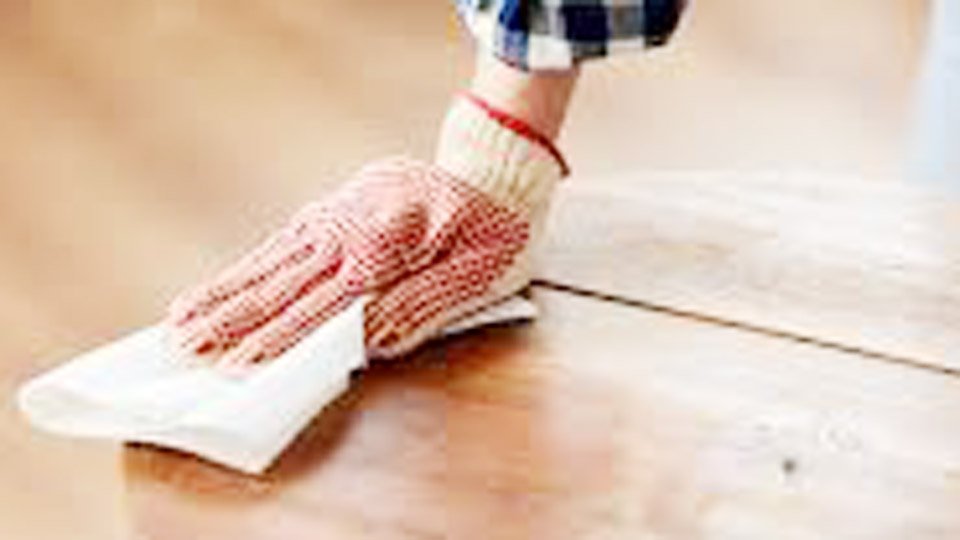
Image by denvercleaningservicecompany
Everyday Dusting: Your Wood Furniture (The Right Way)
Dust isn’t just ugly—it’s abrasive. Every time you let it sit and then wipe with a dry paper towel, you’re basically sanding your finish with tiny rocks.
What I actually use 90% of the time:
- Slightly damp microfiber cloth (barely damp, not wet)
- Followed immediately by a dry microfiber cloth
That’s it. No spray, no polish, no Pledge. I keep a stack of cheap microfiber cloths in every room. When company’s coming over, I can knock out the entire living room in four minutes flat.
Pro move: If your house is super dry (looking at you, winter in Colorado), run a cool-mist humidifier. Wood that stays between 40-50% humidity almost never cracks.
The Best All-Purpose Cleaner I’ve Used for 15 Years
When furniture is genuinely dirty (think kitchen table after taco night), I reach for my homemade mix that costs pennies:
- 1 cup warm water
- ¼ cup white vinegar
- 1 tablespoon olive oil
- 6–8 drops lemon or orange essential oil (optional, but it smells amazing)
Put it in a spray bottle, shake, lightly mist your microfiber cloth (never the wood—and wipe with the grain. The vinegar cuts grease, the oil conditions, and the citrus oil leaves a natural shine. I’ve used this on everything from 1920s oak to brand-new IKEA teak, and it never builds up or gets sticky.
Store-brand distilled white vinegar works exactly the same as the fancy stuff. Don’t waste your money.
Water Rings and Heat Marks: My Go-To Fixes
White rings from hot pizza boxes or wet glasses used to make me panic. Now I laugh at them.
Method that works 90% of the time:
- Mix equal parts baking soda and non-gel toothpaste (plain white, not the sparkly kind).
- Rub gently with a soft cloth in the direction of the grain.
- Wipe clean with a damp cloth, then dry immediately.
For deeper white marks trapped in the finish, I break out the hair dryer trick: low heat, six inches away, moving constantly moving for 5–10 minutes. The heat pulls the moisture out of the finish. Works like magic on pieces less than a few years old.
Dark Water Stains That Went Into the Wood (The Nuclear Option)
If the stain is black or dark gray, the water got past the finish. Don’t panic, I repeat, do NOT sand it unless you’re prepared to refinish the whole piece.
What actually works:
- Oxalic acid (sold as wood bleach or deck brightener at hardware stores)
- Mix crystals with hot water per instructions
- Apply with a brush, let sit 20–60 minutes, neutralize with baking soda water
- Rinse and dry completely
I’ve saved heirloom dressers with this that clients were ready to throw away. Wear gloves and work in a well-ventilated area—it’s strong stuff.
Polishing: When, Why, and What I Actually Recommend
I polish wood maybe twice a year, max. Over-polishing creates buildup that attracts more dust and turns gummy.
My favorites:
- Howard Feed-N-Wax (beeswax + orange oil) – perfect for antiques and dry wood
- Daddy Van’s Furniture Polish (all natural, lavender or unscented) – my daily driver
- Pure tung oil or Danish oil for raw or oiled pieces (teak patio furniture, cutting boards)
Never use silicone-based polishes (most grocery-store sprays). They’re impossible to remove later when you want to refinish.
Crayon, Marker, and Permanent Marker on Wood
Kids happen. So do drunk friends with Sharpies.
- Crayon: Place a paper towel over it and press with a warm (not hot) iron for a few seconds. The wax transfers to the paper.
- Permanent marker on finished wood: Hand sanitizer on a cotton ball. Test in hidden spot first. Works 8/10 times.
- Ink on unfinished wood: 100% acetone, then immediately oil the spot so it doesn’t dry out.
Sticky Spots and Mystery Gunk
The miracle worker here is plain old mayonnaise. Real mayo, not Miracle Whip. Slather it on, let it sit 30–60 minutes, wipe off. The oils break down sticky residue and recondition the wood underneath. I’ve removed ancient price stickers and decades-old tape goo with this.
Comparison: Store-Bought Cleaners I Actually Like vs. Ones I Hate
| Product | Smell | Buildup? | Safe on All Finishes? | My Rating |
|---|---|---|---|---|
| Murphy’s Oil Soap | Strong | Yes | No (can dull over time) | 3/10 |
| Pledge | Chemical | Heavy | No (silicone) | 1/10 |
| Method Wood Cleaner | Pleasant | Minimal | Yes | 7/10 |
| Howard Orange Oil | Amazing | None | Yes | 10/10 |
| Old English Scratch Cover | Like grandma’s house | Yes | Only on dark wood | 5/10 |
How to Clean Carved or Intricate Wood Furniture
Q-tips and soft paintbrushes are your friends. I dip the Q-tip in my vinegar-oil mix, squeeze almost dry, and get into all the crevices. Then I use a clean, dry brush to whisk out any leftover dust. Takes longer, but prevents gunk buildup in the details.
Antique Wood Furniture: Special Rules
- Never use water-based cleaners
- No aerosol sprays ever
- Test everything on the back of a leg first
- Wax, don’t oil (unless it’s already oiled)
- If it smells musty, place bowls of baking soda or activated charcoal nearby for a week
I once used lemon oil on a 150-year-old mahogany sideboard and watched the finish cloud up in front of my eyes. Lesson learned the very hard way.
Oiled vs. Varnished vs. Painted Wood: Quick ID Guide
- Oiled: Feels slightly oily, absorbs water droplets slowly → use oil-based products
- Varnished/lacquered/poly: Shiny, water beads up → mild soap or vinegar mix is fine
- Painted: Obviously painted → gentle all-purpose cleaner, no oils
When in doubt, start with the gentlest method and work your way up.
My Emergency Kit (Keeps in a Shoebox Under the Sink)
- Microfiber cloths (20-pack from Costco)
- White vinegar
- Olive oil
- Baking soda
- Non-gel toothpaste
- Howard Feed-N-Wax
- Q-tips
- Soft toothbrush
- Mayo (travel jar)
- Magic Eraser (for painted furniture only)
Everything else is optional.
How Often Should You Actually Clean Wood Furniture?
- Dust: Every week or two
- Deep clean (vinegar mix): Every 1–3 months depending on traffic
- Polish/condition: 2–4 times per year
- Major restoration (stains, scratches): As needed
Your wood will tell you what it needs—dull look means it’s thirsty, sticky feel means too much product buildup.
The Biggest Mistakes I See Homeowners Make
- Using too much water
- Spraying cleaner directly on the wood instead of the cloth
- Using paper towels (they scratch)
- Overusing oil soaps that build up
- Trying to “feed” modern factory-finished furniture (it doesn’t need it)
Final Thoughts: Treat Your Wood Like a Friend
After twenty years of cleaning other people’s treasures (and making every mistake possible with my own), here’s what it comes down to: wood wants gentle, consistent care. Skip the harsh chemicals. Use what your great-grandmother would recognize. And when in doubt, do less—it’s way easier to add more oil than to remove too much.
My favorite moment is when a client runs their hand over a table I just cleaned and says, “It feels like velvet.” That’s how you know you did it right.
FAQ
Can I use olive oil alone on wood furniture?
Not recommended long-term. Pure oil goes rancid and gets sticky. Always mix with vinegar or use a proper wood conditioner.
Is it safe to use vinegar on all wood?
Yes on sealed/finished wood. No on raw or waxed wood—use oil only.
How do I remove old polish buildup?
Strong brewed black tea (cooled). The tannic acid dissolves wax beautifully. Wipe on, wipe off, then condition.
What about lemon oil—good or bad?
Most commercial lemon oil is actually mineral oil with fragrance. Fine occasionally, but it doesn’t penetrate or protect like real oils.
My table’s finish is peeling—can I save it?
Probably not with cleaning alone. That needs refinishing. But gentle cleaning won’t hurt while you decide what to do next.