I found myself staring at a once-cream carpet that had somehow turned into a mosaic of juice spills, muddy footprints, and who-knows-what from the dog. If you’ve ever been in that moment, wondering how to use a Bissell PowerForce PowerBrush carpet cleaner? to rescue your floors, trust me — I’ve been right there with you. Keeping carpets clean isn’t just about looks; it’s about cutting down on odors, allergens, and the kind of grime that only gets worse if you ignore it.
After a few trial-and-error cleaning sessions (and a couple of “why is this still wet?” moments), I’ve finally figured out what actually works — and I’m excited to walk you through it like I would a friend over coffee.
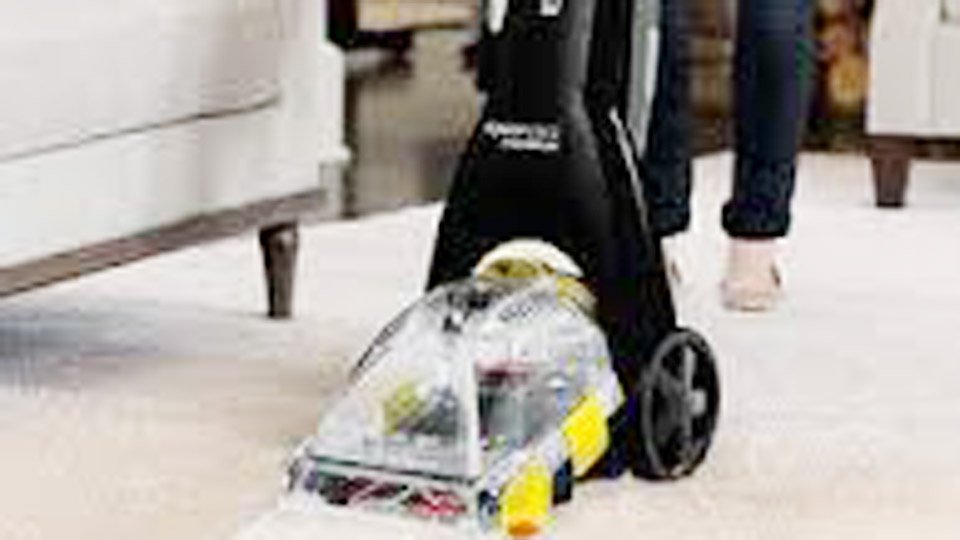
Image by bissell
What Is a Bissell PowerForce PowerBrush Carpet Cleaner and How Does It Work?
The Bissell PowerForce PowerBrush is a lightweight upright carpet cleaner designed for home use, perfect for tackling carpets and area rugs. It’s not a steam cleaner; instead, it uses a combination of cleaning solution, rotating brushes, and powerful suction to lift dirt and stains from deep within the carpet fibers.
You fill the clean water tank with warm water and Bissell formula, which gets sprayed onto the carpet as you push the machine forward. The power brush scrubs the solution in, loosening grime, and then the suction pulls up the dirty water into a separate tank.
I’ve found it especially effective on pet hair and everyday spills because the edge sweep brushes get right up to baseboards. In my experience, it leaves carpets noticeably brighter and fluffier after just one pass.
Think of it like giving your carpet a mini spa treatment. The half-gallon tank means fewer refills for smaller rooms, and at around 11 pounds, it’s easy to maneuver without feeling like you’re wrestling a beast. I remember using a bulkier model years ago that left my arms aching—this one is a game-changer for quick jobs.
When (and When Not) to Use Your Bissell PowerForce PowerBrush
Timing is everything with carpet cleaning. I pull mine out every three to six months for a full deep clean, or sooner if there’s a spill, pet accident, or heavy foot traffic from guests. It’s ideal for high-pile carpets, low-pile ones, and even some area rugs, as long as they’re colorfast and not too delicate.
But hold off if your carpet is wool, silk, or antique—the agitation might damage fibers. Always test a small inconspicuous area first. I once used it on a vintage rug without testing, and the colors ran slightly; now I always do a spot check. Also, skip it if the room is humid or cold, as drying times can stretch out and lead to mildew.
For everyday maintenance, stick to vacuuming. Reserve the PowerForce for when vacuuming alone isn’t cutting it, like after a party or seasonal allergies kick in. In my house, spring cleaning always includes a run with this machine to freshen things up.
Step-by-Step Guide: How I Clean My Carpet with a Bissell PowerForce PowerBrush
I’ll guide you through the process as if we’re doing it together. First, clear the room—move furniture out or to the side to avoid obstacles. I like to vacuum thoroughly beforehand to remove loose dirt; it prevents clogs and makes the deep clean more effective.
Assembly: Getting Started Quickly
Unboxing is straightforward. Slide the middle handle onto the lower body until it clicks securely. Then, attach the upper handle the same way. Finally, snap the clean water tank into place. It took me less than two minutes the first time, and now it’s second nature. If it doesn’t click, double-check alignment to avoid leaks later.
Filling the Clean Water Tank
Lift the tank by its handle and unscrew the cap. Fill with warm tap water up to the marked line—never boiling, as it can damage parts. Add Bissell formula to the formula line; I prefer their pet odor eliminator for my dog’s messes. Twist the cap back on tightly and press the tank down until it clicks. Pro tip: Use filtered water if your tap is hard to prevent mineral buildup.
Prepping the Area
Before plugging in, ensure the carpet is dry and free of large debris. I always do a quick walk-through to pick up toys or coins that could jam the brush. If there’s a fresh stain, blot it with a clean cloth first—don’t rub, as that pushes it deeper.
The Cleaning Process
Plug in and turn on the power switch. Step on the recline pedal and pull back the handle to lower it. Hold the trigger for a wet pass: push forward slowly, spraying and scrubbing, then pull back to suck up the solution. Release the trigger for a dry pass forward and back to extract excess moisture. I work in small sections, overlapping slightly for even coverage.
Repeat wet and dry passes until the water coming up looks clean. For tough spots, I pause and let the solution sit for a minute before scrubbing. In my living room, I start from the farthest corner and work toward the door to avoid stepping on wet areas.
Emptying and Refilling as Needed
When the dirty tank fills (you’ll see it through the window), turn off and unplug. Lift out the tank, pour out over a sink, and rinse. Refill the clean tank if more cleaning is needed. I’ve learned to check midway through a large room to avoid interruptions.
Finishing Up
After the last dry passes, let the carpet air dry—fans or open windows speed it up. I prop furniture legs on foil or plastic to prevent rust marks while drying. Walk on it only when fully dry, usually 4-6 hours.
Common Mistakes to Avoid When Using Your Bissell PowerForce PowerBrush
I’ve made a few blunders over the years, so learn from mine. One biggie is over-saturating the carpet by holding the trigger too long—it leads to longer dry times and potential mold. Instead, do quick sprays and more dry passes.
Another is using non-Bissell formulas, which can foam up and clog the system or void the warranty. I tried a generic once and spent an hour cleaning residue out. Also, forgetting to empty the dirty tank promptly can cause odors; always rinse it right after.
Don’t clean without vacuuming first—loose dirt turns to mud. And never store it with water in the tanks; empty and dry everything to prevent bacteria growth. Trust me, avoiding these keeps your machine running smoothly for years.
Choosing the Right Carpet Cleaner for Your Home
Not all carpet cleaners are created equal. The Bissell PowerForce PowerBrush shines for its affordability and lightness, but let’s compare options.
| Feature | Bissell PowerForce PowerBrush | Handheld Spot Cleaner | Full-Size Professional Model |
|---|---|---|---|
| Weight | 11 lbs | 5-8 lbs | 20+ lbs |
| Tank Capacity | 0.5 gallon | 0.25 gallon | 1+ gallon |
| Best For | Whole rooms, rugs | Spots, upholstery | Large areas, commercial |
| Price Range | $80-120 | $50-100 | $200+ |
| Ease of Use | High | Very high | Medium |
I chose the PowerForce for my average-sized home because it’s powerful without being bulky. If you have stairs or cars to clean, consider one with hose attachments. For eco-conscious folks, look for models with recyclable parts.
Test drive if possible, or read reviews from real users like me who’ve put it through paces with kids and pets.
DIY vs. Commercial Cleaning Solutions
Bissell recommends their formulas, and for good reason—they’re optimized for the machine. But if you’re into DIY, I’ve experimented safely. A mix of white vinegar, warm water, and a dash of dish soap can work for light cleans, but test it first and use sparingly to avoid residue.
Commercial options like Bissell’s Deep Clean + Protect tackle tough stains better and often include odor eliminators. I alternate: DIY for monthly touch-ups, commercial for deep seasonal cleans. Just remember, using non-approved solutions might affect warranty, so proceed with caution.
For eco-friendly twists, baking soda sprinkled before cleaning absorbs odors naturally. Vacuum it up after, then run the PowerForce. It’s a simple hack that’s saved me on pet smells.
How to Maintain and Store Your Bissell PowerForce PowerBrush
Maintenance is key to longevity. After each use, rinse the dirty tank thoroughly and let it air dry. Clean the brush roll by removing hair and debris— I use scissors for wrapped strings.
Wipe the nozzle and check filters monthly; replace as needed. Store upright in a dry closet, away from direct sun. I hang the cord loosely to prevent kinks.
Every few months, run a self-clean cycle if your model has it, or just flush with clean water. This prevents buildup and keeps suction strong. In my experience, a well-maintained machine lasts 5+ years easily.
Wrapping It Up: Clean Carpets, Happy Home
Everything I’ve learned from years of using the Bissell PowerForce PowerBrush to keep my carpets spotless. By following these steps, you’ll clean smarter, faster, and with less hassle, turning a chore into something satisfying. The key takeaway? Consistency pays off; regular deep cleans extend your carpet’s life and improve air quality.
Always have extra formula on hand for unexpected messes. It’s saved me during holiday spills more than once. Now go grab your machine and give those carpets the refresh they deserve!
FAQ
Can I use the Bissell PowerForce PowerBrush on area rugs?
Yes, it’s great for most synthetic area rugs. Just ensure they’re secured to avoid bunching, and test for colorfastness. I use it on my entryway rug monthly, and it handles it fine without damage.
Does using the PowerForce remove pet odors from carpets?
Absolutely, especially with Bissell’s pet formulas. The deep extraction pulls out odor-causing residue. For stubborn smells, pre-treat with baking soda—I’ve seen it neutralize even old accidents effectively.
How long does it take for carpets to dry after using the Bissell PowerForce PowerBrush?
Typically 4-6 hours, depending on humidity and airflow. I speed it up with fans pointed at the floor. Avoid heavy traffic until dry to prevent re-soiling.
Is the Bissell PowerForce PowerBrush suitable for apartments?
Definitely—its compact size and light weight make it easy to store and use in small spaces. I’ve used mine in a condo without issues, and the noise level is reasonable for shared walls.
What if my PowerForce isn’t spraying solution?
Check the tank is seated properly and filled correctly. Clean the spray tips if clogged. I once fixed mine by running vinegar water through it—works like a charm for minor blockages.