I was cooking a quick dinner the other night when the smell of fried onions seemed to hang in the air way longer than it should have. As I looked up, I realized the kitchen hood was probably overdue for a clean, which got me thinking: How Often Should Kitchen Hoods Be Cleaned? It’s one of those spots we don’t notice until grease, smoke, and odors start taking over.
I used to ignore mine too, but once I learned how important regular cleaning is—for better air quality, less mess, and fewer deep-clean disasters—it completely changed how my kitchen feels. Here’s what I’ve found works best in real life, not just on paper.

Image by cbdcouchcleaninghobart
What Influences the Cost of Professional Furniture Cleaning?
When you’re wondering how much it costs to have furniture cleaned, the answer isn’t one-size-fits-all. From my experience cleaning everything from leather sectionals to antique loveseats, prices vary based on several real-world factors. I’ve seen quotes swing wildly depending on the job, but knowing these can help you budget smarter.
First, the size and type of furniture play a big role. A single armchair might run you less than a full sectional sofa. In my jobs across the Midwest, I’ve noticed that larger pieces like L-shaped couches often double the price because they take more time and materials. Fabric type matters too—delicate materials like silk or wool require gentler methods, which can bump up the cost.
The level of soiling is another key factor. Light dust and everyday wear? That’s straightforward. But deep-set pet stains or smoke odors? Those need extra treatments, adding to the bill. Geographic location affects it as well; urban areas like Los Angeles tend to charge more due to higher operating costs, while smaller towns might be cheaper.
From what I’ve seen in recent years, including 2025 trends, the national average for professional upholstery cleaning hovers around $150 to $200 per piece. For a standard couch, expect $100 to $300, depending on these variables. I’ve had clients pay as little as $75 for a quick chair refresh and up to $350 for a heavily soiled recliner set.
To give you a clearer picture, here’s a simple comparison table based on jobs I’ve handled:
| Furniture Type | Average Cost Range | Factors to Consider |
|---|---|---|
| Armchair | $50–$150 | Fabric sensitivity, minor vs. heavy stains |
| Loveseat | $100–$250 | Size adds time; pet hair often increases price |
| Full Sofa | $150–$350 | Common for families; odors from kids/pets extra |
| Sectional | $200–$500+ | Multiple pieces; disassembly sometimes needed |
These are ballpark figures from my work in states like California and Florida. Always get a quote upfront—most pros, including me when I ran my own service, offer free estimates.
Types of Professional Cleaning Methods I’ve Used and Recommend
I’ve tested various professional methods on real furniture, from steam extraction in humid climates to dry cleaning in drier ones. Not every technique suits every piece, and choosing wrong can lead to fading or shrinkage. Let me break down the main ones I’ve relied on.
Steam cleaning, or hot water extraction, is my go-to for durable fabrics like cotton or polyester. It involves injecting hot water mixed with a mild detergent deep into the fibers, then sucking out the dirt with a powerful vacuum. I’ve used this on countless family couches, and it excels at removing allergens and deep grime. Just be cautious with heat-sensitive materials—it can cause colors to bleed if not done right.
Dry cleaning uses solvent-based solutions instead of water, making it ideal for delicate upholstery like silk or velvet. In my experience, this method is quicker to dry, often ready in hours, which is great for busy households. I once saved a client’s antique settee with dry cleaning after a water-based attempt elsewhere left it warped.
Shampooing is an older method where foam is worked into the fabric and then vacuumed up. It’s effective for surface dirt but doesn’t penetrate as deeply as steam. I’ve phased it out in favor of more modern approaches, but it’s still useful for light refreshes on budget jobs.
Bonnet cleaning, using a rotating pad with cleaning solution, is more for commercial settings in my book—it’s fast but can leave residue if not followed by a rinse. For homes, I prefer methods that extract more thoroughly to avoid re-soiling.
Eco-friendly options are worth mentioning. I’ve switched many clients to green cleaners using plant-based enzymes, especially for allergy-prone families. They cost a bit more—add $20–$50 per job—but they’re safer for kids and pets.
When to Go Professional and When to Skip It
Deciding between calling in pros and handling it yourself boils down to the mess’s severity and your comfort level. I’ve advised hundreds of homeowners on this, and here’s what I’ve learned from real situations.
Go professional if you have deep stains, odors, or allergens. Pet urine on a sofa? DIY often just masks it temporarily—I once had to redo a client’s attempt that made the smell worse. Pros have industrial tools that extract moisture completely, preventing mold.
Avoid pros for minor dust or fresh spills. If it’s just crumbs or a small mark, you can save money. But if the fabric is antique or exotic, err on the side of caution; I’ve seen DIY efforts ruin heirlooms.
In humid areas like the Southeast, professionals are key to avoid mildew. Dry climates? You might get away with more at home.
Step-by-Step: How I Clean Furniture Professionally (and How You Can Adapt It at Home)
Let me walk you through my process for cleaning a typical upholstered sofa—I’ve done this thousands of times, tweaking it based on what actually works in messy homes.
First, inspect and prepare. I always check the manufacturer’s tag for codes: W for water-safe, S for solvent-only, WS for both, X for vacuum only. Ignore this, and you’re asking for trouble. Vacuum thoroughly with an upholstery attachment to remove loose dirt—do this weekly to prevent buildup.
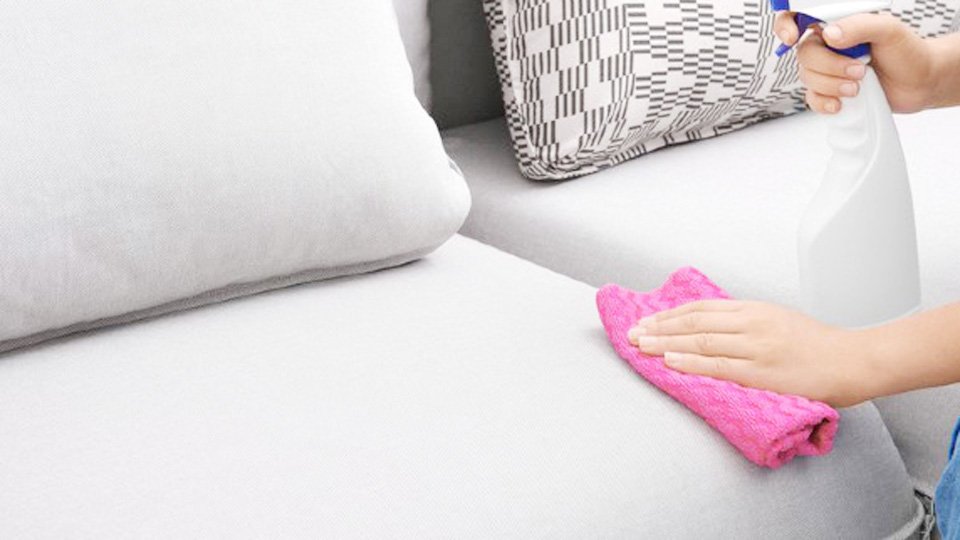
Next, pre-treat stains. I mix a gentle solution of dish soap and warm water (1:10 ratio) for water-safe fabrics. Dab, don’t rub, using a white cloth to avoid color transfer. For tougher spots, I’ve used baking soda paste left on for 15 minutes before vacuuming.
Then, the main clean. For steam, I use a machine set to low pressure, working in sections from top to bottom. Extract as much water as possible—fans help speed drying. At home, rent a steamer for $30–$50 a day; it’s worth it for big jobs.
Dry completely. This takes 4–8 hours; don’t sit on it wet, or you’ll risk mildew. I prop cushions up for airflow.
Finally, protect. Apply a fabric guard spray once dry—I’ve seen it repel future spills effectively.
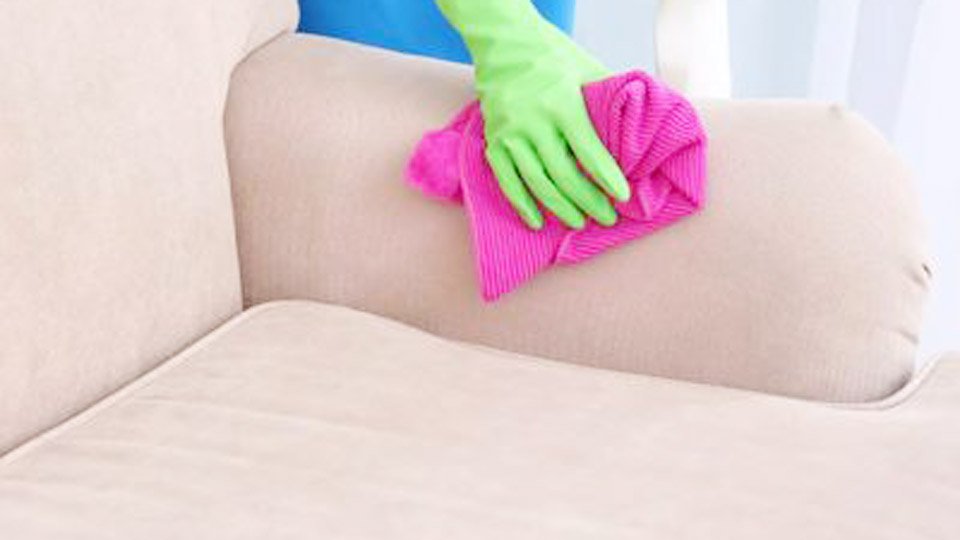
For leather furniture, it’s different. Wipe with a damp microfiber cloth, then condition with a leather cream. I’ve restored cracked ottomans this way, but test in a hidden spot first.
Safety note: Always wear gloves and ventilate the room. Eco tip: Vinegar-water mix (1:1) works for light cleaning on sturdy fabrics—cheap and non-toxic.
Common Mistakes I’ve Made (and Fixed) in Furniture Cleaning
Even pros slip up, and I’ve learned the hard way from my early days. One biggie: Using too much water. I once over-saturated a couch, leading to mold spots. Now, I extract thoroughly and advise you to blot excess immediately.
Another mistake: Scrubbing vigorously. It frays fibers—I’ve had to repair edges on clients’ pieces. Gentle dabbing is key.
Ignoring fabric codes is common. A friend tried water on an S-coded chair; it shrank. Always check.
Using harsh chemicals without testing. Bleach on colored fabric? Disaster. I stick to mild options now.
Not vacuuming first. Dirt grinds in deeper if skipped—I’ve seen it turn light soil into permanent marks.
Overlooking under-furniture areas. Dust bunnies build up; move pieces monthly for a quick vac.
Finally, rushing drying. Wet furniture invites bacteria. Patience pays off.
Choosing the Right Tools and Products for Your Home Setup
From testing dozens, here’s what I swear by. For DIY, a good upholstery vacuum attachment is essential—under $20 online. Microfiber cloths are my staple; they grab dust without scratching.
For products, I like enzyme-based cleaners for odors—they break down organics naturally. Baking soda for deodorizing: Sprinkle, wait, vacuum.
Rentals like steam cleaners from hardware stores run $30–$50 daily. Worth it over buying if infrequent.
Eco-friendly: Vinegar and essential oils for freshening. Avoid abrasives on wood accents.
Pro tip: Invest in a fabric protector post-clean—$10 cans last months.
DIY Methods vs. Professional Solutions: What I’ve Seen Work Best
DIY saves cash—I’ve done it for my own home when budgets were tight. Pros: Control, convenience, low cost (under $20 in supplies). Cons: Time-consuming, risk of damage, less thorough.
Professionals shine for efficiency and results. I’ve hired them myself for large jobs; they use pro-grade equipment I can’t match. Costs more upfront but extends furniture life, saving long-term.
For example, a DIY steam on my sectional took hours and left it damp overnight. Pro did it in half the time, bone-dry by evening.
Hybrid approach: DIY maintenance, pro deep cleans yearly.
Table for quick comparison:
| Aspect | DIY | Professional |
|---|---|---|
| Cost | $10–$50 | $100–$300+ |
| Time | 2–4 hours | 1–2 hours |
| Effectiveness | Good for light | Excellent for deep |
| Risk | Higher if inexperienced | Low with reputable pros |
Based on my trials, pros win for valuable or heavily used pieces.
Maintenance, Care, and Storage Tips to Make Cleanings Last
Post-clean, maintenance is key—I’ve helped clients keep furniture fresh longer this way.
Vacuum weekly, focusing on crevices. Spot clean spills immediately with a damp cloth.
Rotate cushions monthly to even wear. Use throws for high-traffic areas.
For storage, like seasonal pieces, cover with breathable sheets in cool, dry spots. I’ve stored client ottomans this way without issues.
Wood frames: Dust with soft cloth; avoid polishes with silicone—they build up.
Leather: Condition quarterly to prevent cracking.
Pro tip: In pet homes, enzyme sprays weekly neutralize odors before they set.
Wrapping Up: Clean Smarter, Not Harder
From breaking down how much it costs to have furniture cleaned (around $150–$200 on average) to hands-on steps and pitfalls to avoid. By now, you should feel equipped to tackle your own messes or know when to call in help. Remember, consistent care beats reactive fixes every time. Don’t wait for stains to worsen. A quick response keeps costs down and your home welcoming.
FAQ
How often should I have my furniture professionally cleaned?
Aim for once a year in average homes, twice if you have pets or kids. I’ve seen annual cleans prevent buildup, saving money on replacements.
Can professional cleaning remove deep pet odors?
Yes, especially with enzyme treatments or steam extraction. In my experience, it neutralizes smells at the source, not just masks them—drying fully is crucial.
Is it safe to clean delicate fabrics like silk professionally?
Absolutely, if the pro uses dry methods. I’ve handled silk pieces successfully, but always confirm their expertise first to avoid damage.
How long does furniture take to dry after cleaning?
Typically 4–8 hours for steam, less for dry methods. I recommend fans and open windows; don’t use until fully dry to prevent mildew.
What’s the cheapest way to clean furniture without pros?
DIY with vacuuming and spot treatments using household items like vinegar. It works for light jobs, but for value, it’s hard to beat pro results on tough stains.