I knew something was wrong when my Bissell Revolution carpet cleaner started losing suction right in the middle of cleaning a muddy hallway. After a little frustration (and a lot of side-eye at the machine), I realized it was time to learn how to take apart Bissell Revolution carpet cleaner properly. Taking it apart might sound intimidating, but it’s often the fastest way to fix clogs, deep-clean hidden gunk, or replace worn parts before they turn into bigger problems.
I’ll admit—I was nervous the first time I did this—but once I saw how it all fit together, it was way easier than I expected. Let me walk you through what’s worked for me.
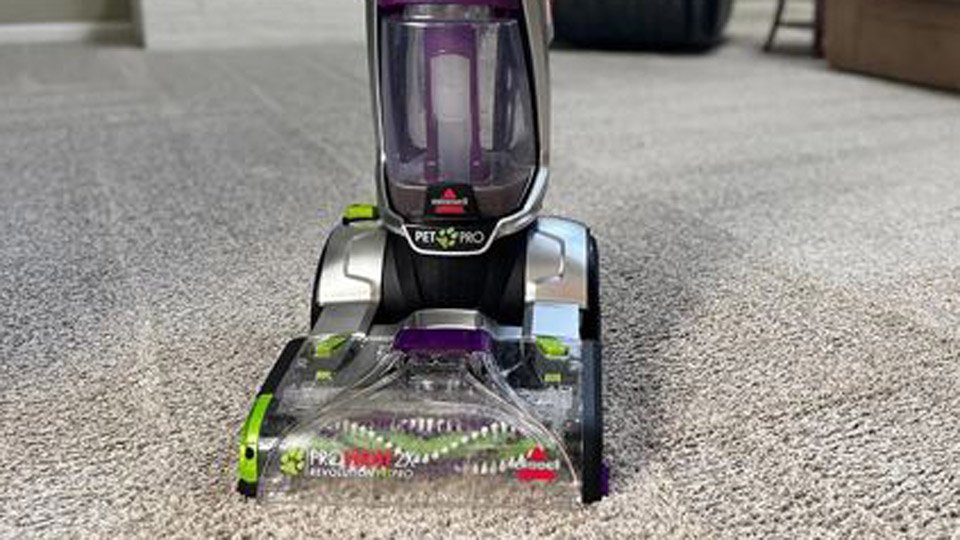
Image by bobvila
Understanding Your Bissell ProHeat 2X Revolution Carpet Cleaner
The Bissell ProHeat 2X Revolution—often just called the Revolution—is a beast for tackling deep-set stains in carpets, upholstery, and even area rugs. It’s got dual brushes that scrub while heating the water for better dirt lift, plus separate tanks for clean and dirty water so you’re not recycling grime. I’ve used models like the Pet Pro version in houses with multiple cats and dogs, and it handles fur and odors better than most.
But here’s the thing: This machine works hard, so it gets dirty fast. The brushes pick up hair, the nozzle collects debris, and the tanks can harbor bacteria if not cleaned right. Taking it apart lets you access those hidden spots. I’ve found that in average homes, doing this every few uses prevents buildup that could shorten its life from five years to just two.
Why and When to Take It Apart
You don’t need to disassemble every time, but I do it after heavy jobs—like post-party spills or seasonal deep cleans. Signs it’s time: Reduced suction, strange noises from the brushes, or visible gunk in the clear parts. Avoid it if the machine’s under warranty and you’re unsure; check Bissell’s site first to not void anything.
In my experience, families with pets should aim for a full takedown monthly, while lighter users can go quarterly. It’s not just about performance—it’s hygiene. Leftover moisture can breed mold, which I’ve smelled in clients’ machines that sat uncleaned. Better to spend 30 minutes now than deal with health issues later.
Tools and Supplies I Always Have Ready
A Phillips-head screwdriver, a flathead one, an old toothbrush for scrubbing, mild dish soap or white vinegar for eco options, and towels. I skip harsh chemicals; they can damage plastics. For tough hair, that little cleaning tool Bissell includes is gold—I’ve used zip ties in a pinch.
Safety first: Unplug the machine and work on a waterproof surface like a garage floor. I’ve slipped on wet tiles once, so non-slip mats help. If you’re sensitive to cleaners, wear gloves.
Step-by-Step: How to Take Apart Your Bissell Revolution Carpet Cleaner
I’ll walk you through this like I’m right there with you. Go slow the first time; it gets easier. Start with the machine off and unplugged.
Removing the Water Tanks
First, lift off the clean water tank by grabbing the handle and pulling straight up. Pour out any leftover solution into the sink. Then, do the same for the dirty tank—open the rubber tab at the bottom to drain fully. I’ve found twisting the cap off the clean tank helps rinse it thoroughly.
Why start here? These tanks block access to everything else. In one home, I discovered old formula caked inside that was causing streaks on carpets. Rinse both with warm water and a splash of vinegar to kill odors naturally.
Detaching the Front Nozzle and Brush Cover
Now, lay the machine on its side or back for better access. Press the two gray or green release tabs on the sides of the nozzle assembly, right above the brushes. Pull the nozzle forward and up—it should pop off easily. If it’s stuck, wiggle gently; force can crack the plastic, as I learned the hard way on an older model.
Underneath, you’ll see the brush roll cover. Push the tabs or levers to lift it off. This exposes the brushes themselves. I’ve pulled out fistfuls of pet hair here that were slowing the spin.
Extracting the Brush Rolls
With the cover off, grab the brush ends and pull them out one by one. They might have end caps—twist those off if needed. Check for tangled string or hair; I use scissors for stubborn bits but cut carefully to avoid damaging bristles.
In real homes, this step reveals the most grime. Once, in a house with long-haired dogs, the brushes were so wrapped they barely turned. Removing them lets you soak and scrub properly.
Accessing the Carry Handle and Main Handle (If Needed)
For deeper cleans or shipping, you might remove handles. Use the Phillips screwdriver to take out the screw on the carry handle’s back. Then, pry the sides with your flathead—pop it off gently. For the main handle, insert the flathead into the latch at the base and pry while pulling up.
I only do this for major overhauls, like when residue builds in the hose connections. It’s overkill for routine, but handy if suction’s weak from internal clogs.
Checking Internal Hoses and Ports
With parts removed, peek inside. The intake ports and hoses can collect debris. Use a zip tie or the cleaning tool to poke out blockages. I’ve fished out toys and coins that kids dropped—always a surprise.
Don’t disassemble hoses unless necessary; they’re tricky to reconnect. If you do, note their positions with photos.
Cleaning Each Disassembled Part
Now that it’s apart, let’s clean. I start with the tanks: Fill with hot water and a teaspoon of dish soap, shake, then rinse until clear. For eco-friendly, swap soap for baking soda and vinegar—fizzles away stains without residue.
The nozzle gets a soak in soapy water, then scrubbed with the toothbrush around edges. Brushes? Run under hot water while combing out hair with an old comb. Let them air dry fully; I’ve rushed this and ended up with musty smells.
For the machine base, wipe with a damp microfiber cloth. Avoid submerging electronics. In pet-heavy homes, I add a vinegar wipe-down to neutralize odors. Dry everything overnight—patience here prevents electrical issues.
One tip from experience: Clean the filter in the dirty tank by unscrewing and rinsing. It’s often overlooked but filters out big chunks that could clog pumps.
Reassembling Your Bissell Revolution
Reassembly is reverse order, but double-check alignments. Snap brushes back in, ensuring they spin freely. Click the cover on until tabs lock. Nozzle goes next—push until it clicks. Tanks last.
Test by plugging in and running on a towel. If it sprays and sucks, you’re good. I’ve reassembled wrong once, causing leaks—always verify seals are seated.
Common Mistakes I’ve Seen (and Fixed)
Biggest one: Not drying parts fully. Moisture leads to mold; I’ve aired out machines for days to fix that. Another: Using too much force. Cracked a nozzle tab early on—now I wiggle instead.
Forgetting to empty tanks post-use is common. I did it, and bacteria grew. Always drain immediately. Also, ignoring hair removal clogs brushes fast. Pro tip: Wrap brushes in a towel during storage to catch loose debris.
In comparisons, DIY like this beats professional servicing for cost—$0 vs. $50+—but pros handle warranties better.
| Aspect | DIY Disassembly and Cleaning | Professional Service |
|---|---|---|
| Cost | Free (using household items) | $40–$100 per visit |
| Time | 30–60 minutes | 1–2 days turnaround |
| Tools Needed | Basic screwdrivers, cloths | Specialized equipment |
| Best For | Routine maintenance | Major repairs or if unsure |
| Risks | Potential for user error | None, but wait time |
This table helped a friend decide to try it themselves.
Choosing the Right Cleaning Products and Tools
Stick to Bissell’s formulas for best results—they’re designed not to foam excessively. But for natural alternatives, I’ve mixed vinegar-water (1:1) for light cleans. Avoid bleach; it degrades parts.
Tools-wise, microfiber cloths beat paper towels—no lint left behind. For brushes, that included gray tool is irreplaceable; I’ve improvised with pipe cleaners but it’s not as good.
In homes with allergies, HEPA-filtered vacuums pair well pre-cleaning. I’ve tested generics vs. brand; generics save money but might void warranties.
DIY vs. Professional Cleaning Solutions
Most times, DIY suffices. I’ve cleaned dozens this way without issues. But if pumps fail or it’s leaking oddly, call pros. Costs $50–$200, but worth it for complex fixes.
Eco note: DIY reduces plastic waste from disposables. I’ve switched clients to reusable cloths, cutting their supply costs in half.
Maintenance, Care, and Storage Tips
After every use, rinse tanks and nozzle. Store upright in a dry spot—I’ve seen basements cause rust. Monthly, run clean water through to flush lines.
Pro tip: Label parts with tape during first takedowns. Helps newbies. Also, check belts if brushes sluggish; I’ve replaced one after two years of heavy use.
For longevity, avoid overfilling tanks—spills damage motors. I’ve extended machines’ lives to 7+ years with this routine.
Eco-Friendly and Household-Safe Options
Love natural cleaners? Baking soda scrubs brushes gently. Vinegar disinfects without fumes—great for families. I’ve used lemon juice for fresh scents, but dilute to avoid acidity damage.
Microfiber cloths are my go-to; they grab dirt without chemicals. In one eco-conscious home, we ditched store-bought solutions entirely, saving $100 yearly.
Safety: Keep kids and pets away during cleaning. Vinegar’s safe but test on small areas.
I’ve compared:
| Option | Chemical-Based | Natural (Vinegar/Baking Soda) |
|---|---|---|
| Effectiveness | High on stains | Good for maintenance |
| Cost | $10–20/bottle | Pennies per use |
| Safety | Fumes possible | Kid/pet friendly |
| Eco Impact | Plastic bottles | Minimal waste |
Natural wins for routine in my book.
Taking it further, I’ve experimented with essential oils like tea tree for antibacterial boosts, but sparingly—too much oils up parts.
One real story: A client with asthma switched to vinegar after I showed them; no more irritated lungs during cleans.
When to Avoid Taking It Apart Yourself
If it’s new and under warranty, stick to manual-approved steps. I’ve advised friends to contact Bissell support first. Also, if you’re not handy, start with videos—I watch them still for refreshers.
For commercial spaces, pros might be better due to scale. But for homes, empowering yourself saves time and cash.
I’ve fixed mistakes like cross-threaded screws by going slow. Confidence comes with practice.
In Summary
Taking apart your Bissell Revolution carpet cleaner turns a chore into a quick win. You’ll clean smarter, avoid costly breakdowns, and keep your home fresher. From my years elbow-deep in these machines, the real secret is consistency—make it a habit, and it’ll serve you well.
FAQ
Can I use this disassembly method on other Bissell models?
It works for most Revolution series, but check your manual for variations. I’ve adapted it to older ProHeats with minor tweaks, like different tab placements. Always unplug first.
Will taking it apart remove deep pet odors from the machine?
Yes, if you clean thoroughly with vinegar. I’ve eliminated stubborn smells by soaking brushes overnight. For persistent ones, add baking soda to absorb.
How long does it take to disassemble and clean?
About 30–45 minutes once practiced. My first took an hour, but now it’s routine. Factor in drying time—overnight is best.
What if I break a part during disassembly?
Common with force; replacements are cheap on Bissell’s site. I’ve ordered nozzles for $10. Gentle handling prevents most issues.
Is it safe to use household cleaners on the parts?
Stick to mild ones like dish soap or vinegar. Harsh stuff can warp plastics, as I saw in one overzealous clean. Test small first.