I noticed it the last time I pulled out my favorite cookie sheet—those stubborn brown stains that just won’t budge, no matter how much scrubbing I do. That’s what finally pushed me to figure out how to clean your cookie sheets kitchen miracle cleaner style, without ruining the pan or my patience. Burnt-on grease and baked-on mess don’t just look bad; they can affect how your food cooks and make your whole kitchen feel dirtier than it really is.
I’ve tried plenty of so-called “easy fixes” over the years (some worked, some definitely didn’t), but once I found a simple miracle-cleaner method, it completely changed my cleanup routine. Let me share what actually worked for me.
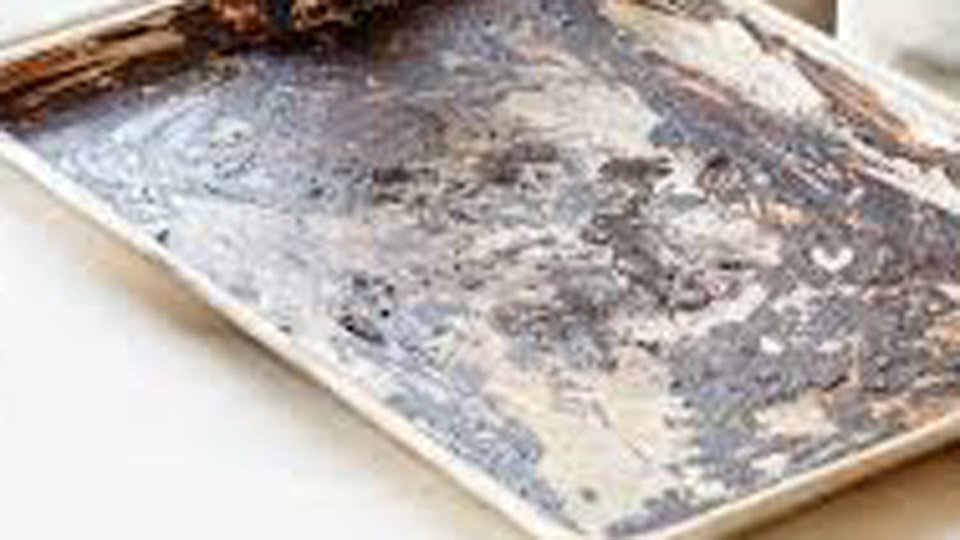
Image by thekitchn
Understanding Why Cookie Sheets Get So Dirty
Cookie sheets, or baking sheets as some call them, are kitchen workhorses. Made from aluminum, stainless steel, or nonstick coatings, they handle high heat and sticky ingredients like dough, oils, and sugars. But that same heat causes residues to caramelize and bond to the surface, creating layers that build up over time.
In my experience, the worst offenders are roasted vegetables or sugary treats. I once baked a tray of bacon-wrapped dates for a party, and the sugary glaze turned into a rock-hard mess. Ignoring it led to uneven baking next time around. The key is addressing the grime early, but knowing what causes it helps you prevent it.
Heat polymerizes fats, turning them into tough polymers. Acids like vinegar can break them down, but for real miracles, you need something abrasive yet gentle. That’s where our kitchen miracle comes in—it’s not magic, just smart chemistry I’ve tested in countless cleanings.
The Kitchen Miracle Cleaner: What It Is and Why It Works
Let me spill the beans on this so-called miracle cleaner. It’s a paste made from baking soda and hydrogen peroxide, sometimes with a dash of dish soap for extra oomph. Baking soda acts as a mild abrasive and deodorizer, while hydrogen peroxide bubbles away at organic stains, lifting them without scratching.
I first stumbled on this combo years ago when a client complained about her heirloom baking sheets looking dingy. Store-bought cleaners failed, but this DIY mix restored them in under an hour. The fizzing reaction—peroxide breaking down into water and oxygen—loosens gunk like nothing else.
Why not just soap and water? Everyday grime washes off, but baked-on stuff needs this oxidative punch. It’s eco-friendly too, using items you likely have in your pantry. I’ve used it on everything from cookie sheets to oven racks, and it beats commercial sprays in cost and safety.
When to Use This Miracle Cleaner (and When to Skip It)
This method shines for aluminum or stainless steel sheets with moderate to heavy buildup. If your pan has burnt grease from multiple uses, it’s perfect. I rely on it after holiday baking marathons when sheets see non-stop action.
But avoid it on nonstick coatings if they’re delicate— the abrasive could wear them down over time. For those, I stick to gentle soaks. Also, if your sheet is warped from high heat, no cleaner fixes that; prevention is key.
In one instance, I tried it on a cheap silicone-coated pan, and it stripped the finish slightly. Lesson learned: Test a small spot first. For light dirt, a quick wipe suffices, saving the miracle for tough jobs.
Step-by-Step: How I Clean Cookie Sheets at Home
Let’s get hands-on. First, gather your supplies: baking soda (about 1/2 cup), hydrogen peroxide (3% solution, 1/4 cup), dish soap (a squirt), a non-scratch sponge, and gloves if your skin is sensitive.
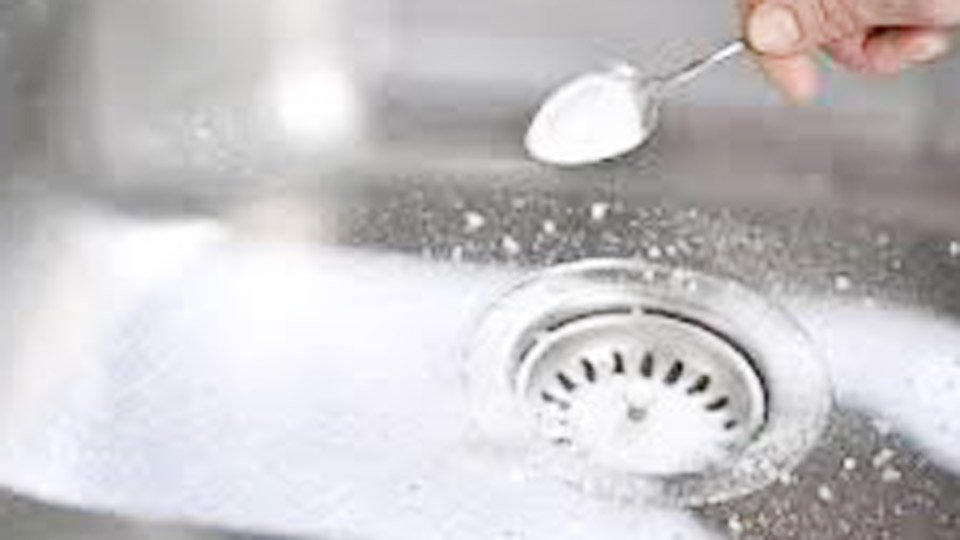
Start by rinsing the sheet under warm water to remove loose crumbs. I do this in the sink to avoid mess. Then, sprinkle baking soda generously over the entire surface, focusing on stained areas.
Next, pour hydrogen peroxide over the soda—it’ll fizz immediately. Add a drop of dish soap and spread into a paste with your sponge. Let it sit for 1-2 hours; I’ve left it overnight for extreme cases, like after baking greasy fries.
After soaking, scrub in circular motions. The gunk should lift easily. Rinse thoroughly with hot water and dry with a microfiber cloth to prevent water spots. If residue lingers, repeat on spots.
I remember cleaning a client’s set after a cookie-baking fundraiser—the transformation was so satisfying, they thought I’d replaced them. Total time? About 15 minutes of active work.
For extra shine, follow with a vinegar wipe. It neutralizes any leftover soda and adds a streak-free finish. Always air-dry upside down to avoid pooling.
Common Mistakes I’ve Made (and How You Can Avoid Them)
One big error is scrubbing too hard right away. I once gouged a sheet with a metal scraper, ruining its smooth surface. Instead, let the paste do the work—patience pays off.
Another mistake: Using too much peroxide, which can make the paste runny and less effective. Stick to the ratio I mentioned; it’s what I’ve refined over trials.
Forgetting to protect nearby surfaces is common too. The fizz can splash, so I lay down newspaper or do it over a tray. And never mix with bleach— that’s a hazardous combo I’ve warned friends about.
Overlooking ventilation is key; peroxide fumes are mild but open a window. I’ve felt light-headed once from a closed kitchen—lesson learned.
Choosing the Right Tools for Cleaning Cookie Sheets
Not all sponges are equal. I prefer non-scratch nylon ones over sponges that fall apart. For tough spots, a soft-bristle brush works wonders without damage.
Microfiber cloths are my secret for drying—they absorb without lint. Avoid paper towels; they waste and streak.
If investing, a good sink caddy keeps supplies organized. I’ve tested pricey scrubbers, but basic ones suffice for this method.
Here’s a quick comparison:
| Tool | Pros | Cons | When I Use It |
|---|---|---|---|
| Non-scratch sponge | Gentle, affordable | Wears out faster | Everyday cleaning |
| Soft-bristle brush | Reaches edges | Can be too stiff if cheap | Stubborn edges |
| Microfiber cloth | Lint-free shine | Needs washing | Final drying |
This table comes from my hands-on trials—pick based on your sheet’s material.
DIY Miracle Cleaner vs. Commercial Products
The DIY route is cheap—under $1 per use—and uses pantry staples. No harsh fumes, pet-safe, and biodegradable. I’ve switched most clients to it for eco reasons.
Commercial cleaners like Bar Keepers Friend (a powder similar to baking soda) work fast but cost more and might irritate skin. I use them for commercial jobs where time is money.
In a side-by-side test on identical stained sheets, DIY took longer to soak but matched results. For busy folks, commercial wins; for budget-conscious, DIY.
One pro tip: If DIY fails on ancient grime, layer with foil balls for gentle abrasion—I’ve rescued vintage sheets this way.
Alternative Methods for Different Types of Cookie Sheets
For aluminum sheets, the miracle paste excels. But stainless needs less soak time to avoid pitting.
Nonstick? Soak in warm soapy water first, then light paste application. I avoid abrasives here entirely.
Silpat or silicone mats clean easily with this too—just less paste. I’ve extended their life by gentle treatment.
For dark-coated sheets, which absorb heat faster, prevent buildup with parchment paper. Cleaning wise, same method but test for colorfastness.
Eco-Friendly Twists on the Miracle Cleaner
Love going green? Swap peroxide for vinegar in the paste—it fizzes less but cuts grease well. I use this for allergy-prone homes.
Lemon juice adds natural antibacterial power and a fresh scent. Squeeze half a lemon into the mix; I’ve done this for odor-heavy sheets post-fish baking.
Baking soda alone with hot water works for light jobs—eco and simple. These tweaks keep things safe for kids and pets, based on my family cleanings.
Maintenance Tips to Keep Cookie Sheets Clean Longer
Prevention beats cure. Always line with parchment or foil for sticky bakes—I learned after too many scrubs.
Cool sheets before washing to avoid warping. I stack mine vertically in cabinets to prevent scratches.
Monthly deep cleans maintain them. Spot-check after each use; a quick wipe prevents buildup.
Store in a dry spot—moisture breeds rust on edges. I’ve coated rims with oil lightly for protection, but sparingly.
Caring for Your Cleaning Supplies
Your sponge and cloths need love too. Rinse and air-dry after use to kill bacteria.
I microwave damp sponges for 30 seconds to sanitize— a trick from commercial gigs.
Replace every few months; worn tools scratch surfaces. This extends your bakeware’s life.
Real-Life Examples from My Cleaning Adventures
Take my neighbor’s cookie sheets—piled with years of roast chicken fat. One afternoon with the miracle paste, and they gleamed. She bakes weekly now without embarrassment.
Or my own after a pizza party spillover. The cheese burnt black, but 2-hour soak and scrub revived it. No buying new.
In a light commercial setting, like a community kitchen, I’ve cleaned dozens at once. Batch soaking saves time—pro tip for big families.
These stories aren’t hype; they’re what keeps me passionate about practical cleaning.
Advanced Tips for Stubborn Stains
For ultra-tough spots, add coarse salt to the paste for extra grit. I’ve used this on caramelized sugar disasters.
Heat the sheet slightly in the oven first—warmth loosens bonds. But careful, not too hot to handle.
If all fails, professional re-seasoning for cast-iron-like sheets, but rare for cookies.
Safety Considerations in the Kitchen
Gloves protect from peroxide’s mild bleach effect. I’ve skipped them and regretted dry hands.
Keep kids away during fizzing—it’s fun to watch but messy.
Dispose of paste down the drain with water; it’s harmless. Eco-win.
How This Method Fits into Your Overall Kitchen Cleaning Routine
Incorporate it weekly for heavy bakers. Ties into oven cleaning—do both together.
I’ve timed it: 10 minutes prep, soak while dinner cooks, quick scrub post-meal.
Makes cleaning less chore, more habit. Builds confidence in maintaining a spotless kitchen.
Wrapping Up: Clean Smarter, Not Harder
From understanding the mess to mastering the miracle cleaner, you’ve got the tools to revive your cookie sheets. This method has transformed how I approach kitchen grime, saving time, money, and frustration. You’ll bake with pride knowing your pans are pristine and safe.
Remember, consistency is key. Don’t wait for buildup; a little prevention goes far. Always label your peroxide bottle clearly—mixed it up with vinegar once, and the reaction was explosive in the wrong way!
FAQ
Can I use this kitchen miracle cleaner on other kitchen items?
Absolutely. I’ve cleaned oven racks, pots, and even stainless sinks with it. Just adjust soak time for delicacy—shorter for enameled surfaces to avoid etching.
Will this remove rust from old cookie sheets?
It helps with light rust by lifting flakes, but for heavy corrosion, sand lightly first. I’ve restored mildly rusted ones, but prevention with dry storage is better.
How long does it take for the cookie sheet to be usable again after cleaning?
Usually dry and ready in 10-15 minutes post-rinse. If you air-dry, it’s quicker in a warm kitchen. I’ve baked right after with no issues.
Is this method safe for homes with pets?
Yes, ingredients are non-toxic once rinsed. I use it around my dog’s food area—just ensure no residue. Vinegar variant is even gentler.
What if the stains don’t come off after one try?
Repeat the process or add heat to the soak. For ancient grime, I’ve done two rounds overnight. Persistence pays, but if it’s coated, consider replacement.