I was wiping down the stove after a chaotic lunch rush when I noticed the metal filter above me looking a little… too shiny in some spots and way too greasy in others. That’s when the question hit me: “How Often Should Kitchen Hoods Be Cleaned?” If you’re anything like me, it’s one of those chores we forget about until the grime practically waves at us.
But keeping that hood clean is more than just a “looks nice” thing — it helps the air stay fresh, keeps smoke from lingering, and prevents grease from building up into a bigger (and more annoying) problem later. I’ve learned the hard way that staying on top of it saves so much time, so let me share what’s actually worked for me.
Photo by homesandgardens
What Is a Steam Cleaner and How Does It Work on Floors?
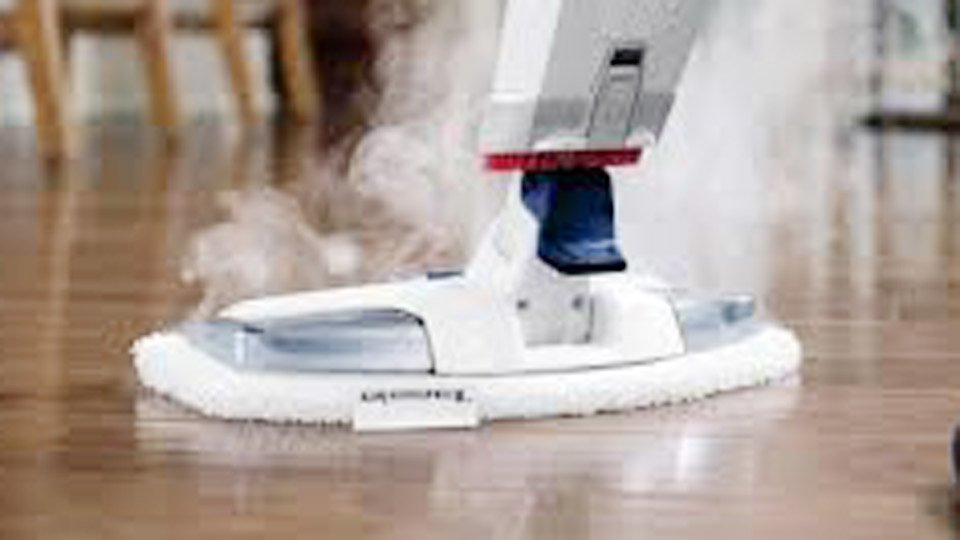
A steam cleaner is essentially a machine that heats water to produce steam, which you direct onto surfaces to loosen dirt and grime. From my experience, the key is the high temperature—around 200°F or more—that breaks down messes without scrubbing. I’ve used models from basic mop-style ones to heavy-duty canister types, and they all rely on that steam pressure to do the heavy lifting.
How it works on floors is straightforward: The steam penetrates pores in the surface, lifting away grease, stains, and bacteria. I love how it leaves no residue, unlike mops with soapy water that can build up over time. In my kitchen, where oil splatters are constant, the steam cuts through faster than any traditional method I’ve tried.
But it’s not magic. The machine has a water tank you fill, a heating element, and attachments like pads or brushes. I’ve found that microfiber pads work best—they trap dirt as you glide over the floor. Just remember, steam cleaners aren’t vacuums; they loosen dirt, so you might need to wipe or vacuum afterward.
When to Use a Steam Cleaner on Your Floors (and When to Avoid It)
Steam cleaners shine on hard floors like tile, vinyl, or sealed laminate. I’ve used mine weekly on my tiled bathroom floors, where grout gets grimy from humidity. It blasts away mold and soap scum without bleach, keeping things hygienic for my family.
They’re also great for pet owners. My dog’s muddy paw prints vanish with a quick pass, and the heat kills odors at the source. If you have allergies, steam reduces dust mites and pollen trapped in crevices—I’ve noticed fewer sneezes in my household since switching.
Avoid steam on unsealed wood or cork, though. I learned this the hard way when steam seeped into my old oak floors, causing swelling. Wax-finished floors are a no-go too, as heat melts the wax. For carpets, use a dedicated steam extractor instead; regular steam mops can oversaturate and breed mold.
In rentals or older homes, test a small area first. I’ve cleaned apartments where floors looked fine but reacted poorly to heat. If your floors are engineered wood, check the manufacturer’s guidelines—some tolerate low-steam settings, but I’ve stuck to dry methods to be safe.
Choosing the Right Steam Cleaner for Your Home
I’ve tested dozens of steam cleaners, from budget buys at big-box stores to pro-grade ones for light commercial jobs. For home use, I recommend starting with a lightweight mop-style model if you have smaller spaces. They’re easy to maneuver, like the one I keep in my hall closet for quick touch-ups.
Canister models with hoses offer more versatility. I’ve used them on my large kitchen floors, attaching brushes for tough spots. Look for ones with adjustable steam levels—I’ve burned through pads on high settings, but low is perfect for delicate vinyl.
Brands matter based on durability. Shark and Bissell have held up in my tests, with replaceable parts available online. Avoid no-name generics; one I tried leaked after a month. For USA homes, check for UL certification to ensure safety.
Here’s a simple comparison of types I’ve personally used:
| Type | Pros | Cons | Best For | Price Range (USD) |
|---|---|---|---|---|
| Mop-Style | Lightweight, quick setup | Limited attachments | Small apartments, daily use | $50–$100 |
| Canister | Powerful, versatile hoses | Bulkier to store | Large homes, multiple surfaces | $100–$200 |
| Handheld | Portable for spots | Not for full floors | Quick fixes, edges | $30–$80 |
I picked my current mop-style after it outlasted two others in a grimy garage clean. Factor in your floor size and frequency— if you clean weekly like me, invest in one with a large tank to avoid refills mid-job.
Eco-friendly options? Go for models using just water, no pods. I’ve added white vinegar to the tank for extra grease-cutting power, but only if the manual allows it. It’s saved me on chemical buys and keeps my home safer for kids.
Step-by-Step Guide: How I Use a Steam Cleaner on Floors
Prepping your space is crucial—I’ve skipped this and ended up with streaks. Start by sweeping or vacuuming to remove loose dirt. In my living room, pet hair clogs the pads otherwise, making the job twice as long.
Fill the tank with distilled water if your area has hard water; tap water left mineral buildup in one of my machines. Plug it in and wait for the ready light—usually 30 seconds to a minute. I always wear old sneakers to avoid slips on wet floors.
Preparing Different Floor Types
For tile or stone, no special prep needed beyond vacuuming. I’ve cleaned my patio tiles this way, and the steam revives the grout lines beautifully. Sealed hardwood requires caution—use the lowest steam setting and keep moving to prevent pooling.
Laminate and vinyl are forgiving, but test for heat sensitivity. In a client’s home, I once used too much steam on cheap laminate, bubbling the edges. Now, I dilute with quick passes.
The Actual Cleaning Process
Attach a clean pad and start in a corner, working backward to avoid stepping on wet areas. I glide the cleaner slowly, letting steam do the work—about 10-15 seconds per section for tough grime. For kitchens, I focus on high-traffic zones first, like under the table where spills accumulate.
If stains persist, pause and let steam sit for a moment, then wipe with a microfiber cloth. I’ve tackled coffee spills this way without residue. Change pads when they get saturated; I keep extras handy for big jobs.
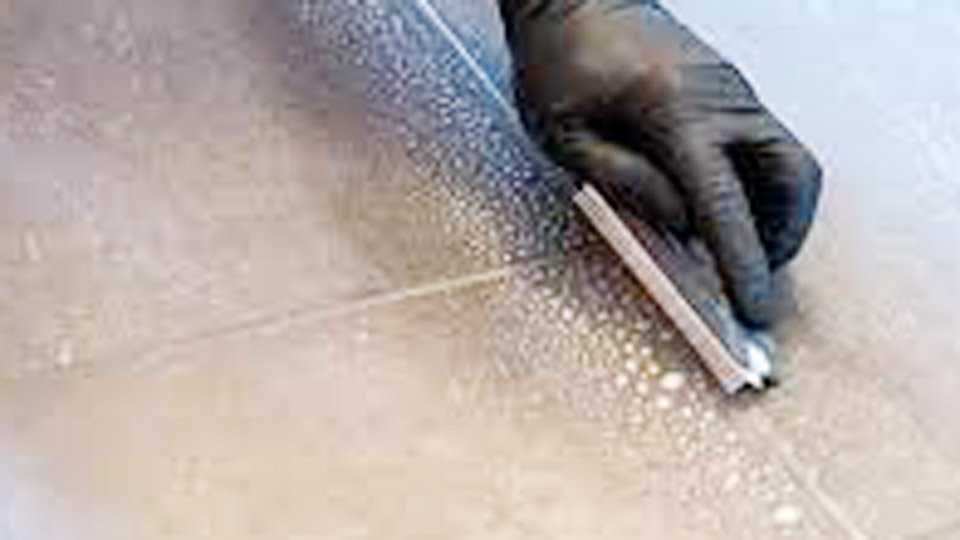
For grout, use a brush attachment if available. In my bathroom, scrubbing by hand was exhausting until I switched to steam— it softens the dirt for easy removal. Always ventilate the room; steam can make things humid.
After Cleaning: Drying and Finishing Touches
Floors dry quickly, usually in 5-10 minutes, but I warn family to stay off until then. In humid weather, I’ve used a fan to speed it up. Wipe any excess water with a dry cloth for streak-free results.
Inspect for missed spots—I always do a once-over. If odors linger, a second pass with vinegar in the water helps. This routine has kept my floors spotless for years, cutting my cleaning time in half.
Safety first: Unplug before emptying the tank, and never leave it unattended while heating. I’ve singed a rug edge once by getting distracted. Kids and pets? Keep them out during use—the machine gets hot.
Common Mistakes I’ve Made (and How to Avoid Them)
One big error is using too much steam on sensitive floors. I warped a section of my basement laminate by lingering too long. Fix it by always starting on low and testing—replace damaged boards if needed, but prevention is key.
Another mistake: Not cleaning the machine after use. Mineral buildup clogged my first steamer, rendering it useless. Now, I rinse the tank with vinegar monthly and descale as per the manual.
Over-wetting is common. I’ve seen friends create puddles that take hours to dry, risking slips. The trick? Keep the trigger intermittent, not constant, and use absorbent pads.
Ignoring the cord length tripped me up literally. Extension cords can be hazardous if not rated for the wattage—I’ve stuck to models with long cords for my open layouts.
Finally, skipping protective gear. Steam burns hurt; I learned to wear gloves after a splash. For allergies, a mask helps if dust kicks up during prep.
Eco-Friendly Tips and Household-Safe Options
Steam cleaning is inherently green, using only water. I’ve ditched chemical sprays entirely, reducing plastic waste. For tougher jobs, add a dash of baking soda to the pad for gentle abrasion—it’s scrubbed my oven spills without harm.
Vinegar is my secret weapon. A 50/50 mix with water in the tank (if approved) tackles lime scale in bathrooms. It’s cheap, available at any USA grocery store, and pet-safe.
Microfiber cloths are eco-gold. I reuse mine dozens of times, washing in hot water. Compared to disposables, they’ve saved me hundreds over years.
For natural scents, a drop of essential oil on the pad works wonders—lemon for freshness. But test for allergies first; my family loves it, but it’s not for everyone.
DIY vs. pro? For deep cleans, I handle most at home, but call pros for antique floors. It’s cost-effective—I’ve avoided $200 services by mastering steam myself.
Maintenance, Care, and Storage Tips for Your Steam Cleaner
Regular care extends life. After each use, empty the tank and wipe down—I’ve had mold grow in forgotten water. Store upright in a dry spot; my garage shelf works, away from kids.
Descaling is monthly for me. Use a vinegar solution, run it through, then rinse. One machine lasted five years this way; neglect shortened another’s life.
Pads need washing. Machine-wash on gentle, no fabric softener—it ruins absorbency. I air-dry mine to prevent shrinkage.
Check hoses and seals yearly. A leak in mine wasted steam until I replaced a gasket—parts are cheap online. For storage, coil cords loosely to avoid kinks.
If it stops heating, troubleshoot plugs first. I’ve fixed “dead” machines by cleaning contacts. Warranty? Register yours; I’ve gotten free repairs that way.
Wrapping It Up: Clean Floors, Less Hassle
My real-world take on how to use a steam cleaner on floors, from prep to polish. You’ve got the steps, tips, and pitfalls to avoid, all from someone who’s scrubbed more square feet than I care to admit. Now, you can tackle those sticky spots with confidence, knowing it’ll be quicker and healthier for your home.
The biggest lesson I’ve learned? Consistency beats perfection. A quick steam session weekly keeps things manageable, saving you from marathon cleans. Give it a try next time your floors need love—you’ll wonder why you waited.
FAQ
Can I use a steam cleaner on hardwood floors?
Yes, but only if they’re sealed—unsealed wood absorbs moisture and warps. I’ve safely cleaned my sealed oak with low steam and quick passes, but always test a hidden spot first. If in doubt, stick to dry mopping.
Will steam cleaning remove deep pet stains or odors?
It excels at surface stains and odors by killing bacteria, but for set-in messes, pre-treat with enzyme cleaners. In my experience with dog accidents, steam lifts fresh ones completely, though old stains might need multiple sessions or professional help.
How long does it take for floors to dry after steam cleaning?
Usually 5-15 minutes, depending on humidity and ventilation. I’ve sped it up with open windows or fans in stuffy rooms. Avoid walking on them until fully dry to prevent slips or streaks.
Is steam cleaning safe for laminate floors?
On sealed laminate, yes—use minimal steam to avoid bubbling edges. I’ve done mine monthly without issues, but check your floor’s warranty. For cheap or worn laminate, opt for gentler methods like microfiber mops.
What’s the difference between steam cleaning and traditional mopping?
Steam sanitizes with heat alone, no chemicals, while mopping often leaves residue. From my tests, steam cuts grease faster and dries quicker, but it requires electricity. It’s ideal for allergy-prone homes like mine.