I reached for The Pink Stuff Bathroom Cleaner the day soap scum started laughing at me from the shower doors. If you’ve ever stood in your bathroom wondering why nothing seems to cut through the grime, I’ve been there too—and that’s exactly why I had to learn how to use the pink stuff bathroom cleaner the right way.
Bathrooms collect germs, hard-water stains, and buildup fast, and letting them sit only makes cleaning harder (and more time-consuming) later. I’ll be honest, the first time I used it, I wasn’t sure what to expect—but once I figured out a few simple tips, it became one of my go-to cleaners. Let me share what’s worked best for me.
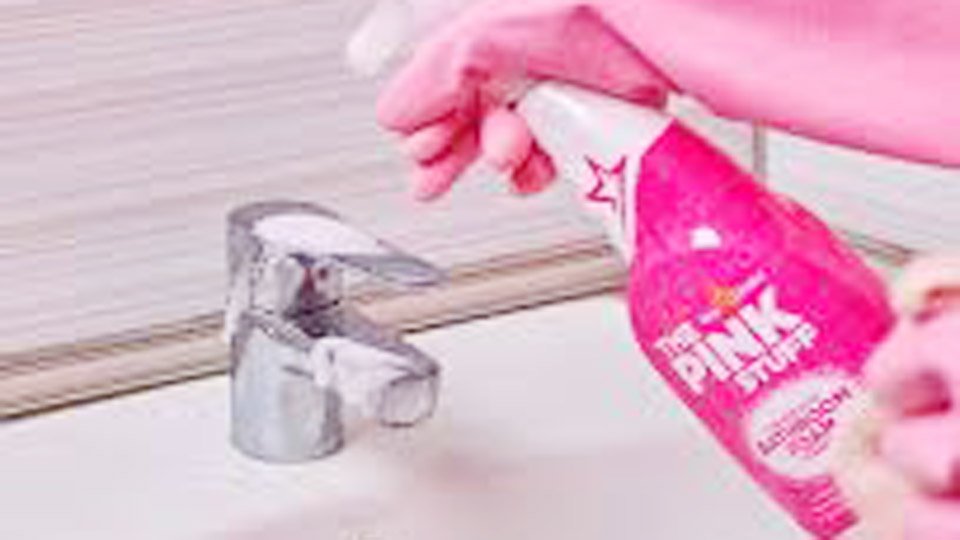
Image by cbsbahamas
What Is The Pink Stuff Bathroom Cleaner and How Does It Work?
The Pink Stuff started as a simple paste cleaner from the UK, but it’s exploded in popularity here in the States for good reason. The bathroom-specific versions, like the Miracle Bathroom Foam Cleaner or the Foaming Toilet Cleaner, are formulated to cut through grime in wet areas. The paste is a mild abrasive—think baking soda on steroids—mixed with surfactants that lift dirt without scratching most surfaces.
In my experience, it works by breaking down soap scum, limescale, and even rust stains through gentle friction. You apply it, let it sit if needed, and wipe away the mess.
I’ve tested it on everything from fiberglass showers to ceramic tiles, and it shines because it’s versatile yet tough. Unlike some cleaners that rely on bleach and leave fumes, this one is more eco-friendly, with no overwhelming scents that linger.
One key thing: It’s not magic. It requires a bit of rubbing, but that’s what makes it effective in real homes where dirt builds up over time. I once used the foam version on a client’s shower that hadn’t been deep-cleaned in months—the foam clings to vertical surfaces, dissolving the gunk so you can rinse it off easily.
When to Use The Pink Stuff Bathroom Cleaner (and When to Skip It)
I reach for The Pink Stuff when dealing with built-up residues that regular sprays won’t touch. It’s perfect for weekly deep cleans in high-traffic bathrooms, especially if you have hard water like in many Midwest or Southern states. Use it on sinks, tubs, showers, and toilets to remove stains from toothpaste splatters, hair products, or mineral deposits.
But know your limits. Avoid it on delicate surfaces like marble or polished chrome—it can dull the finish over time. I learned this the hard way early on; I scrubbed too hard on a fancy faucet and had to buff it back with a microfiber cloth. If your bathroom has antique fixtures or natural stone, test a small spot first or opt for a milder vinegar solution instead.
In humid areas like Florida or Texas homes, it’s great for preventing mold growth by keeping surfaces spotless. Just don’t use it daily—overuse can wear down seals on grout. Save it for those “wow, this needs help” moments.
Step-by-Step: How I Clean My Shower with The Pink Stuff
Start by gathering your tools: a non-scratch sponge, old toothbrush for grout, gloves if your skin is sensitive, and of course, The Pink Stuff paste or foam. I prefer the paste for showers because it stays put better. Wet the surface lightly—this activates the cleaner without making a slippery mess.
Scoop a small amount onto your sponge—about the size of a quarter—and apply it directly to the soap scum areas. Rub in circular motions, applying gentle pressure. I’ve found that letting it sit for 5-10 minutes on tough spots loosens everything up nicely. In my own fiberglass shower, this method removes the hazy film from body washes without any streaks.
Rinse thoroughly with warm water, using a squeegee to wipe down glass doors. Dry with a towel to prevent water spots. The whole process takes me about 15 minutes for a standard shower, and the results last a week or more if you maintain with daily wipes.
Tackling the Bathtub: My Go-To Routine
Bathtubs can be tricky, especially with kids’ bath toys leaving residue or rings from bath oils. I always start by plugging the drain and filling the tub with a couple inches of hot water to loosen dirt. Then, spray the foam version of The Pink Stuff around the sides and bottom—it bubbles up and clings, which is perfect for curved surfaces.
Using a soft brush or sponge, scrub from top to bottom. Pay extra attention to the drain area where hair and soap build up. I once dealt with a rusty stain from a leaky faucet; after applying the paste and letting it dwell for 20 minutes, it wiped away like nothing. Rinse everything out, and run fresh water to flush the drain.
For eco options, I sometimes mix in baking soda for extra fizz, but The Pink Stuff alone does the job 90% of the time. Finish by drying the tub to avoid slips—safety first in family bathrooms.
Cleaning the Sink and Countertops Effectively
Sinks see a lot of action: toothpaste, makeup, shaving cream. I dampen the sink first, then apply The Pink Stuff paste with a cloth. Scrub the basin, focusing on the overflow hole and faucet base where gunk hides. It’s amazing how it lifts stains without harsh smells that bother my allergies.
For countertops, use the foam to avoid scratching laminate or quartz. Spray, wait a minute, and wipe. In my kitchen-bathroom combo in an old apartment, this kept everything sanitary. Always rinse well to remove any residue, and buff dry for that shine.
Pro tip: If you have stainless steel fixtures, follow up with a vinegar wipe to restore the luster—The Pink Stuff can leave it a bit matte if not polished.
How to Use It on Toilets Without the Hassle
The Foaming Toilet Cleaner variant is a lifesaver here. Pour it into the bowl—it fizzes up pink and covers the sides automatically. Let it sit for 10 minutes while you clean elsewhere. Then, brush with a toilet brush, focusing under the rim where stains lurk.
I’ve used this on hard water rings that other cleaners ignored. Flush, and check for any missed spots. For the exterior, use the paste on a sponge to clean the base and handle—germs love those areas. In homes with well water, like many rural US spots, this prevents mineral buildup better than bleach.
Remember to ventilate the room, though it’s not as fumy as some. I do this weekly, and it keeps odors at bay without extra air fresheners.
Reviving Tiles and Grout: A Deep Dive
Tiles and grout are where The Pink Stuff really excels. For wall tiles, apply paste with a toothbrush, working it into the grout lines. Scrub gently—too much pressure can erode old grout. Let it sit 15 minutes for mildew, then rinse with a spray bottle.
In my bathroom remodel, I used it to clean pre-installation grime on new tiles, saving hours. For floors, mop after scrubbing to avoid slippery residues. It’s better than vinegar for stubborn stains but pair them for an eco boost.
If grout is sealed, it’s fine; unsealed might absorb the pink color temporarily, but it rinses out. I’ve seen this in older homes—always test.
Common Mistakes I’ve Made (and How You Can Avoid Them)
One big error: Using too much product. I once slathered on way more paste than needed, and it took forever to rinse, leaving a film. Start small—you can always add more. Another mistake is not wearing gloves; the abrasive can dry out your hands over time.
Skipping the rinse step is common too. I’ve had clients complain of streaks, but it’s just leftover cleaner. Always rinse twice if needed. And don’t mix it with other chemicals—I tried combining with bleach once for extra power, but it created fumes that made me dizzy. Stick to one product.
Finally, ignoring surface types. I scratched a plastic shower caddy early on; now I always check labels or test patches. Learn from my slips to keep your bathroom intact.
Choosing the Right Pink Stuff Product for Your Bathroom
The Pink Stuff line has options: the original paste for versatile scrubbing, the bathroom foam for quick sprays, and the toilet foamer for bowls. I pick based on the job—the paste for heavy duty, foam for maintenance.
Compare to DIY: Vinegar and baking soda work similarly but require more effort. The Pink Stuff is ready-to-use, saving time for busy parents. It’s affordable, around $5-7 at Target or Amazon, and a tub lasts months.
For eco-conscious folks, it’s biodegradable and free of harsh toxins, aligning with green cleaning trends in the US. If you have pets, it’s safer than ammonia-based cleaners.
| Product Type | Best For | Pros | Cons |
|---|---|---|---|
| Paste | Deep stains on tiles, tubs | Versatile, long-lasting | Requires scrubbing |
| Bathroom Foam | Showers, sinks | Easy application, clings well | Less abrasive for tough grime |
| Toilet Foamer | Bowls | Self-activating, no brush needed initially | Specific to toilets only |
This table helps me decide quickly when restocking.
DIY Alternatives vs. The Pink Stuff: What I’ve Learned
I’ve experimented with homemade cleaners—a mix of baking soda, dish soap, and vinegar mimics The Pink Stuff’s action. It’s cheaper and customizable, great for sensitive skin. But in real tests, it doesn’t cut through limescale as fast.
The Pink Stuff wins for convenience; no measuring needed. For light jobs, DIY suffices—I use it on mirrors with newspaper for streak-free shine. But for bathrooms with iron-rich water, like in parts of the Northeast, the commercial stuff is worth it.
Pro tip: If going DIY, add essential oils for scent, but test for allergies. I’ve switched back to The Pink Stuff for reliability during flu season when hygiene matters most.
Maintenance Tips to Keep Your Bathroom Fresh Longer
After cleaning, maintain with daily habits. I wipe down surfaces post-shower with a microfiber cloth—prevents buildup. Store The Pink Stuff in a cool, dry spot; humidity can make the paste clumpy.
For storage, keep it away from kids—it’s non-toxic but not edible. I organize mine under the sink with labels. Reapply sealant to grout yearly; it makes future cleans easier.
In winter, when heating dries air, use a humidifier to reduce static dust. These small steps extend the clean, based on years of trial and error in my home.
Care for Your Cleaning Tools After Using The Pink Stuff
Don’t forget your sponges and brushes—they pick up residue. Rinse them thoroughly after each use, and soak in vinegar weekly to disinfect. I replace sponges monthly to avoid spreading bacteria.
For eco-friendly tools, switch to bamboo brushes; they hold up well with abrasives. I’ve found that air-drying tools prevents mold, especially in damp bathrooms.
This care routine keeps everything efficient, saving you from buying replacements too often.
Safety Considerations I’ve Picked Up Over the Years
Always ventilate—open a window or run the fan. Though mild, any cleaner can irritate if inhaled long-term. Wear gloves for prolonged sessions; my hands thank me.
If you have asthma, like a family member of mine, test in small areas first. It’s pet-safe once rinsed, but keep animals out during cleaning. In case of eye contact, rinse immediately—better safe than sorry.
These aren’t just warnings; they’re from real close calls that taught me caution.
Expanding to Other Bathroom Areas: Mirrors, Fixtures, and More
Mirrors fog up with streaks? Spray foam lightly, wipe with a lint-free cloth. For fixtures, paste on a soft rag buffs away water spots. I’ve cleaned brass handles this way without tarnishing.
Cabinets and shelves: Dust first, then wipe with diluted foam. It removes fingerprints effortlessly. In rental apartments, this keeps deposits intact by maintaining finishes.
Don’t overlook vents—use a brush with paste to clear dust, improving air quality.
Real-Life Examples from My Cleaning Adventures
Once, in a friend’s post-renovation bathroom, grout haze covered everything. The Pink Stuff paste, applied with a toothbrush, cleared it in under an hour—what a relief. Another time, dealing with rust from well water in a rural home, the foam dissolved it without damaging the enamel.
During a move, I used it to freshen a neglected bathroom, turning it from dingy to welcoming. These stories show it’s not hype; it delivers in everyday scenarios.
Pro Tips Only a Seasoned Cleaner Would Share
For vertical surfaces, mix paste with a bit of water for better spread. Use an old credit card wrapped in cloth for tight crevices around faucets. In cold weather, warm the product slightly for easier application.
Pair with a steam cleaner for deep sanitizing—I’ve combined them for hospital-level clean in allergy-prone homes. And always clean top to bottom to avoid re-dirtying areas.
These nuggets come from countless hours scrubbing, not books.
In Conclusion: Clean Smarter with Confidence
My hands-on guide to using The Pink Stuff bathroom cleaner effectively. By following these steps, you’ll tackle grime with less effort, keeping your space healthy and inviting. Remember, consistency is key; a little routine goes a long way.
The biggest lesson from my years cleaning? Don’t wait for messes to build—proactive wipes save time. Now go give your bathroom that refresh; you’ll feel the difference immediately.
FAQ
Can I use The Pink Stuff on natural stone surfaces like granite?
No, skip it for natural stone—it can etch the surface. I’ve stuck to pH-neutral cleaners there to avoid damage. Test vinegar diluted instead for mild stains.
Does it remove deep pet stains or odors in the bathroom?
It handles surface stains well, but for odors, pair with baking soda sprinkled overnight. In my experience with cat litter mishaps, it freshens but enzymatic cleaners dig deeper for urine.
How long until the bathroom is usable after cleaning?
Most surfaces dry in 10-15 minutes post-rinse. For tubs, wait until fully dry to avoid slips—I’ve timed it at about 30 minutes in humid weather.
Is The Pink Stuff safe for septic systems?
Yes, it’s biodegradable and septic-friendly. I’ve used it in homes with septics without issues, but flush thoroughly to prevent clogs.
Will it scratch glass shower doors?
Not if you use a soft sponge—I’ve cleaned mine weekly without marks. Avoid abrasive pads; gentle rubbing is enough.