I remember the first time I tackled my own bathroom’s mildew-stained corners; it felt like a losing battle until I learned how to use bleaching powder for cleaning bathroom surfaces effectively. Bleaching powder, often called calcium hypochlorite, is a powerhouse for disinfecting and whitening, but it’s not something you just sprinkle and hope for the best.
With the right approach, it can transform your bathroom into a sparkling, germ-free haven. Let me walk you through my tried-and-true methods, honed from years of cleaning my own home and helping friends with theirs.
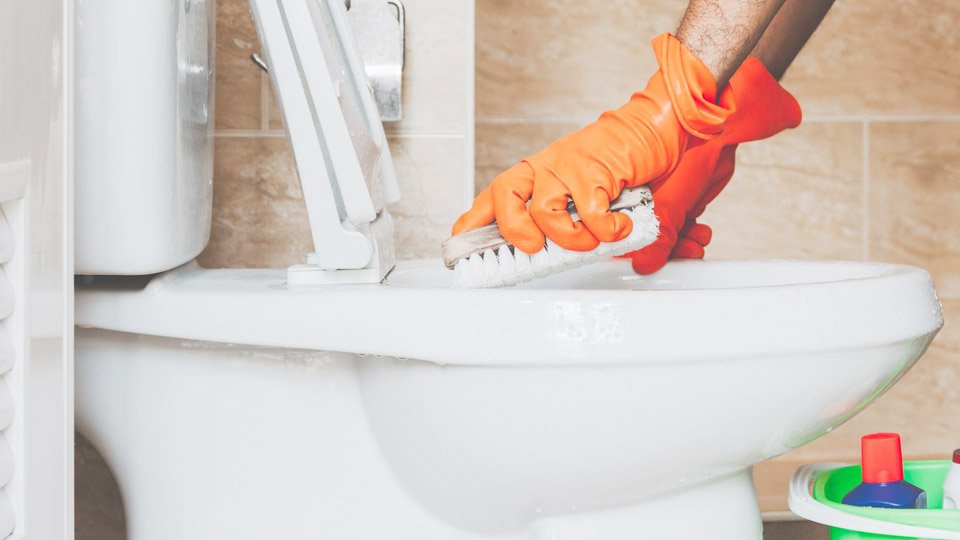
Image by goodhousekeeping
Why Bleaching Powder Works for Bathrooms
Bleaching powder is a go-to for bathrooms because it’s a strong disinfectant and stain remover. It tackles mold, mildew, bacteria, and those pesky mineral deposits that cling to tiles and fixtures. I’ve used it to revive grout that looked beyond saving and to make my shower glass look brand new.
The key is its active ingredient, calcium hypochlorite, which releases chlorine when mixed with water, breaking down organic material and stains. But it’s not a one-size-fits-all solution—you need to know how to use it safely and effectively to avoid damaging surfaces or your health.
Understanding Bleaching Powder
Before diving in, let’s clarify what bleaching powder is. It’s a dry, granular form of chlorine, different from liquid bleach. You’ll find it in hardware stores or online, often sold for pool maintenance or household cleaning. It’s more concentrated than liquid bleach, so a little goes a long way.
I learned this the hard way when I used too much and ended up with a overpowering chlorine smell that lingered for hours. Always start with a small amount and dilute it properly.
Safety First: Precautions to Take
Bleaching powder is potent, so safety is non-negotiable. I always wear rubber gloves and a mask when handling it, especially after once getting a whiff that left me coughing.
Open windows or run the bathroom fan for ventilation. Never mix bleaching powder with ammonia or acidic cleaners like vinegar—it can create toxic chlorine gas. I keep a spray bottle of plain water nearby to rinse any accidental splashes on my skin. If you have kids or pets, store the powder in a locked cabinet.
Step-by-Step Guide to Cleaning with Bleaching Powder
Here’s how I clean my bathroom with bleaching powder. This method works for tiles, grout, sinks, and even toilets. It’s straightforward, but each step matters to get that spotless finish without damaging anything.
Gather Your Supplies
You don’t need much, but having the right tools makes the job easier. Here’s what I use:
| Supply | Purpose | Alternative |
|---|---|---|
| Bleaching powder | Disinfects and whitens | Liquid bleach (weaker) |
| Bucket or spray bottle | For mixing solution | Old plastic container |
| Measuring spoon | Precise powder measurement | Small scoop |
| Warm water | Dilutes powder effectively | Cold water (less effective) |
| Scrub brush or sponge | Tackles tough stains | Old toothbrush for grout |
| Rubber gloves | Protects hands | Dishwashing gloves |
| Mask | Prevents inhaling powder | Scarf or cloth (less effective) |
| Microfiber cloth | Wipes surfaces clean | Old cotton rag |
I pick up bleaching powder at my local hardware store, but brands like Hypox or Unitedlys are solid choices if you’re shopping online. For eco-conscious folks, consider natural alternatives like hydrogen peroxide for lighter stains, though they’re less potent.
Prepare the Bleaching Solution
Mixing the solution correctly is crucial. I use 1 tablespoon of bleaching powder per gallon of warm water for general cleaning. For stubborn stains, I might bump it to 2 tablespoons, but never more.
Stir until the powder dissolves completely—undissolved granules can scratch delicate surfaces like porcelain. If you’re targeting a small area, mix 1 teaspoon in a spray bottle with 2 cups of water. I learned to label my spray bottle clearly after accidentally grabbing it for plants once!
Test on a Small Area
Before going all-in, test the solution on a hidden spot, like behind the toilet or a corner of the tile. I once used too strong a mix on a colored grout line, and it faded slightly. Apply a bit, wait 5 minutes, and check for discoloration or damage. If it’s all good, you’re ready to clean.
Apply the Solution
For tiles and grout, I dip a scrub brush in the solution and work in small sections. Start from the top to avoid drips ruining your work below. For sinks or toilets, I use a sponge to apply the solution, letting it sit for 5–10 minutes to break down stains.
If I’m dealing with mildew, I spray the solution and let it sit longer—about 15 minutes. The key is to keep the surface wet but not pooling; too much liquid can seep into grout and weaken it over time.
Scrub and Rinse
After letting the solution sit, scrub gently with a brush or sponge. I use an old toothbrush for grout lines—it gets into those tiny crevices. For tough stains, like hard water marks, I might scrub a bit harder, but I’m careful not to damage the surface. Rinse thoroughly with clean water to remove all residue. I’ve found that skipping this step leaves a chalky film that’s a pain to clean later.
Dry and Polish
Use a microfiber cloth to dry and polish surfaces. This step makes tiles and fixtures gleam and prevents water spots. I always feel a little proud when I see my reflection in the shower glass after this!
Time Estimate
This process takes about 30–45 minutes for an average-sized bathroom, depending on how grimy it is. If you’re just doing the sink or toilet, you’re looking at 10–15 minutes. I usually tackle my bathroom on a Saturday morning when I can open the windows and let it air out.
Dos and Don’ts
Do:
- Dilute the powder properly to avoid surface damage.
- Ventilate the room to prevent inhaling fumes.
- Wear protective gear like gloves and a mask.
- Rinse surfaces thoroughly to avoid residue.
Don’t:
- Mix bleaching powder with other cleaners, especially ammonia or vinegar.
- Use on delicate surfaces like marble or colored fabrics without testing.
- Leave the solution on too long—it can etch surfaces.
- Use in a poorly ventilated space; the fumes are no joke.
Cleaning Specific Bathroom Areas
Each part of the bathroom has its quirks. Here’s how I handle different surfaces with bleaching powder.
Tiles and Grout
Tiles are my biggest challenge, especially grout that’s gone gray with mildew. I apply the bleaching solution with a spray bottle, focusing on the grout lines. After 10 minutes, I scrub with a toothbrush and rinse.
For really stubborn grout stains, I make a paste with bleaching powder and a tiny bit of water, apply it directly, and let it sit for 15 minutes before scrubbing. It’s amazing how white the grout looks afterward—like new!
Sinks and Fixtures
For porcelain sinks, I use a sponge to apply the solution, letting it sit for 5 minutes to tackle hard water stains. Chrome fixtures need a gentler touch—too much scrubbing can scratch them.
I wipe them down with a microfiber cloth after rinsing to avoid water spots. If you’ve got rust stains, a stronger solution (2 tablespoons per gallon) might be needed, but test first.
Toilets
Toilets are where bleaching powder shines. I sprinkle a teaspoon directly into the bowl, add the solution, and let it sit for 10 minutes. A quick scrub with a toilet brush, and those yellow stains are gone. For the exterior, I wipe with a sponge dipped in the solution, then rinse and dry. It’s quick and leaves the toilet sparkling.
Shower Glass
Hard water stains on shower glass drive me crazy. I spray the bleaching solution, let it sit for 10 minutes, and scrub lightly with a non-abrasive sponge. Rinsing and drying with a microfiber cloth is key to that streak-free shine. If your glass has a coating, test first—bleaching powder can sometimes strip it.
Natural Alternatives to Bleaching Powder
If bleaching powder feels too harsh, I’ve had success with natural options. Hydrogen peroxide (3% solution) is great for light stains and disinfecting. Mix it with water (1:1) and apply to tiles or grout, let it sit for 10 minutes, then scrub and rinse.
White vinegar works for hard water stains—spray it on, wait 15 minutes, and scrub. It’s not as strong as bleaching powder, but it’s gentler and safer for kids or pets. Baking soda mixed with vinegar can tackle grout stains, though it takes more elbow grease.
| Cleaner | Best For | Pros | Cons |
|---|---|---|---|
| Bleaching Powder | Mold, mildew, hard stains | Fast, powerful | Harsh, requires ventilation |
| Hydrogen Peroxide | Light stains, disinfecting | Gentle, eco-friendly | Slower, less effective on heavy stains |
| White Vinegar | Hard water stains | Cheap, natural | Strong smell, slower action |
| Baking Soda | Grout, mild stains | Safe, abrasive | Requires scrubbing |
Pro Tips from My Experience
Spot Clean Regularly: I do a quick bleach solution wipe-down on high-traffic areas like the sink every week. It prevents buildup and keeps things fresh.
Use a Spray Bottle: It’s easier to control the solution and avoid over-wetting surfaces.
Check Your Water Type: Hard water needs a stronger solution or longer sitting time for mineral stains.
Don’t Rush: Letting the solution sit is key to breaking down stains without excessive scrubbing.
Ventilation Is Everything: I once cleaned without opening a window and regretted it—fumes can sneak up on you.
Common Mistakes to Avoid
I’ve made plenty of mistakes over the years, so let me save you some trouble:
- Using Too Much Powder: More isn’t better—it can damage surfaces and create overpowering fumes.
- Skipping the Rinse: Leaving residue can dull tiles or attract dirt faster.
- Ignoring Ventilation: Always open a window or run a fan to avoid breathing in chlorine.
- Mixing Cleaners: I once mixed bleach with a toilet bowl cleaner and learned the hard way about toxic gas risks.
Maintaining a Clean Bathroom Long-Term
Once your bathroom is sparkling, keep it that way with a few habits. I wipe down surfaces with a diluted vinegar solution weekly to prevent hard water buildup. For grout, a sealant can protect it from future stains—apply it after cleaning and let it dry fully.
Regular ventilation, like running the fan after showers, prevents mildew. I also keep a small spray bottle of diluted bleaching solution for quick touch-ups on grout or fixtures.
Your Sparkling Bathroom Awaits
Cleaning your bathroom with bleaching powder doesn’t have to be intimidating. With the right mix, a bit of patience, and some elbow grease, you can tackle even the toughest stains and make your space shine.
I love the feeling of stepping into a freshly cleaned bathroom—it’s like a mini spa day at home. Start small, maybe with the sink or a patch of tile, and see how easy it is to get results.
FAQ
Can I use bleaching powder to clean bathroom mold?
Yes, bleaching powder is excellent for killing bathroom mold and mildew. I make a solution of 1 tablespoon per gallon of water, apply it to moldy areas with a spray bottle, and let it sit for 15 minutes before scrubbing and rinsing. Ensure good ventilation, as moldy areas can trap fumes. For persistent mold, repeat the process or use a mold-specific cleaner.
What’s the best way to clean bathroom tiles with bleaching powder?
For bathroom tiles, I mix 1 teaspoon of bleaching powder with 2 cups of warm water in a spray bottle. Spray the tiles, let it sit for 5–10 minutes, then scrub with a brush or sponge. Rinse well and dry with a microfiber cloth for a streak-free finish. For grout, use a toothbrush and let the solution sit longer for deep stains.
How do I avoid damaging my bathroom with bleaching powder?
To avoid damage, always dilute bleaching powder properly—1 tablespoon per gallon of water is usually enough. Test on a small, hidden area first. Don’t leave the solution on for too long, as it can etch surfaces like porcelain. Never mix it with other cleaners, and always ventilate the room well.
Is there a natural alternative to bleaching powder for bathroom cleaning?
Hydrogen peroxide and white vinegar are great natural alternatives. I use a 1:1 mix of hydrogen peroxide and water for light stains or a straight vinegar spray for hard water marks. They’re gentler but require more scrubbing than bleaching powder. For tough stains, bleaching powder is still my go-to for faster results.