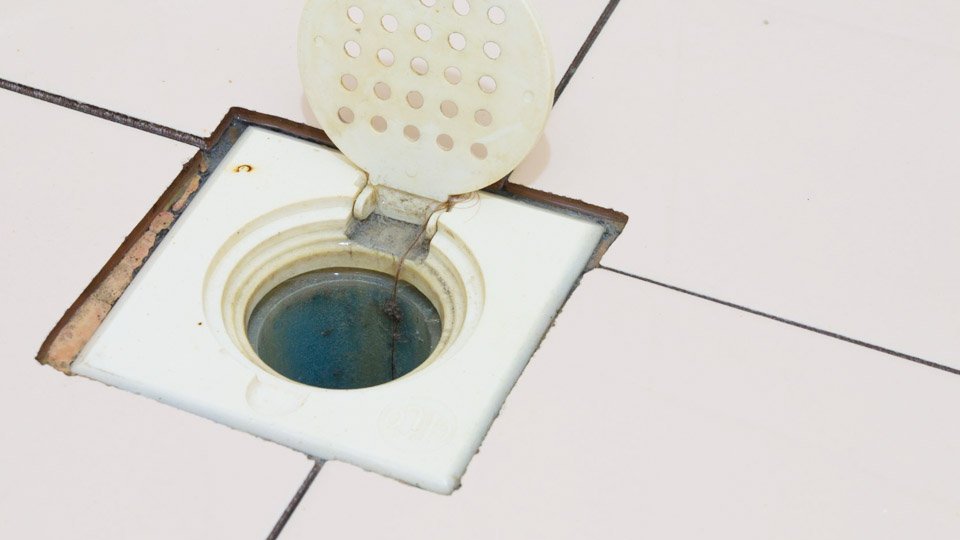
It’s early morning, and I’m brushing my teeth in the bathroom, ready to start the day. As I turn on the faucet, a foul, sewer-like smell wafts up from the drain, instantly ruining my mood. If you’ve ever wondered, “Why does my bathroom sink smell when I run water?” you’re not alone.
That unpleasant odor can turn a clean, cozy bathroom into a source of frustration. As a homeowner and cleaning enthusiast, I’ve tackled this issue in my own home, and I’m here to share practical, safe, and affordable solutions to help you banish that stink for good.
A smelly bathroom sink isn’t just annoying—it can signal underlying issues that affect your home’s hygiene and even your health. Sewer gases, bacteria, or mold can pose risks, especially for families with kids or elderly loved ones.
I’ll walk you through the most common causes of a smelly bathroom sink, step-by-step fixes, and preventive tips tailored for busy American households. Whether you’re a renter, a parent, or someone who loves a spotless home, you’ll find actionable advice to keep your bathroom fresh and safe.
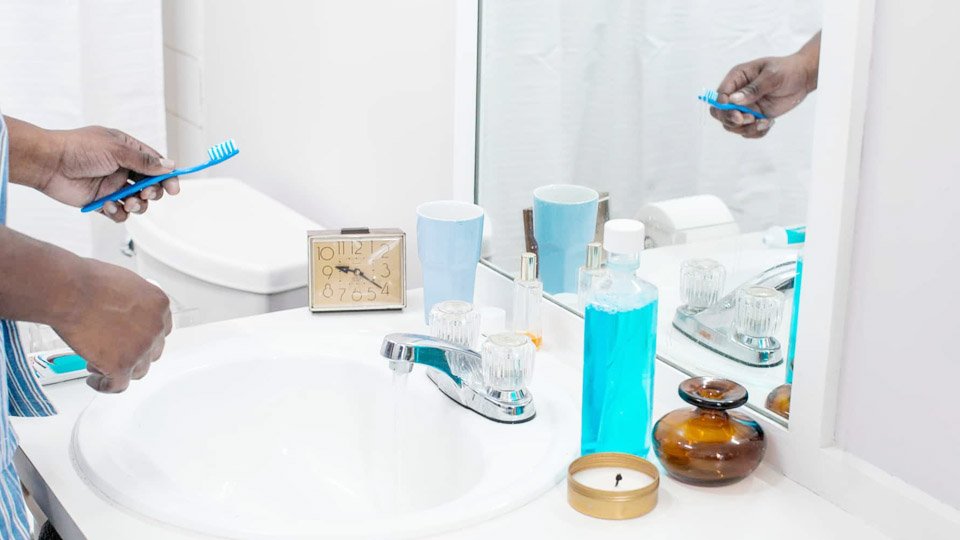
Image by cartersmyplumber
Common Causes of a Smelly Bathroom Sink
Let’s start by understanding why your sink smells when you run water. Knowing the root cause is the first step to fixing it. From my experience, the culprits are usually related to plumbing or buildup, and they’re more common than you might think.
Dry P-Trap: The Sneaky Odor Source
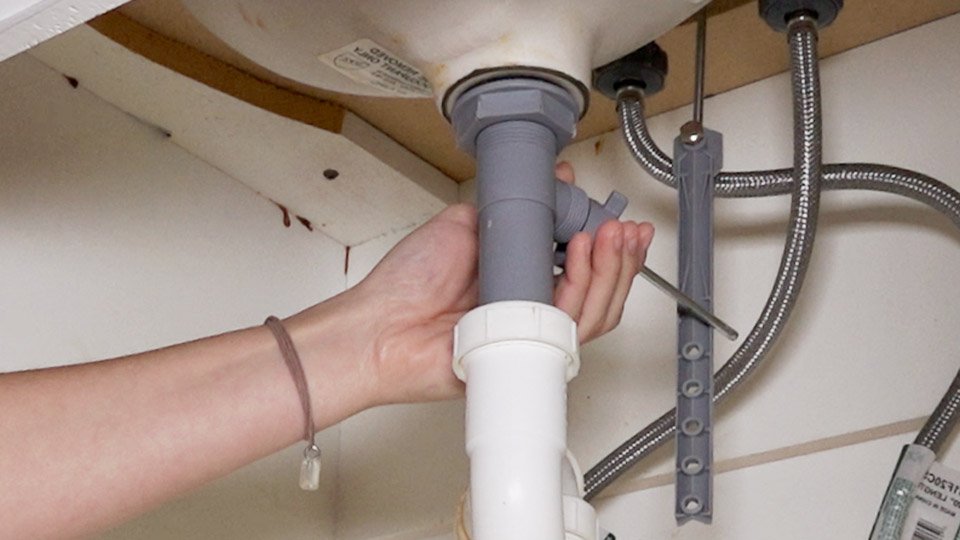
The P-trap, that U-shaped pipe under your sink, is designed to hold a small amount of water to block sewer gases from rising into your bathroom. When it dries out—often in guest bathrooms or sinks you don’t use often—those gases can escape, creating a rotten egg or sewage smell when water flows.
Biofilm and Bacteria Buildup
Over time, hair, soap scum, toothpaste, and other debris collect in your drain, forming a slimy layer called biofilm. This gunk becomes a breeding ground for bacteria, which release foul odors when disturbed by running water. I’ve seen this in my own bathroom, especially after neglecting drain cleaning for too long.
Clogged Vent Pipes
Your plumbing system relies on vent pipes that run to your roof to release sewer gases. If leaves, debris, or even a bird’s nest clogs these vents, gases can get trapped and pushed back through your sink, especially when water flows. This issue often comes with gurgling sounds or slow drainage.
Mold and Mildew Growth
Bathrooms are damp, and sinks are prime spots for mold and mildew. If water sits in the drain or overflow, it can foster musty-smelling growth. This is common in humid climates or poorly ventilated bathrooms.
Sewer Line Issues
In rare cases, a cracked or blocked sewer line can cause odors to back up into your sink. This is a serious issue that needs professional attention, as it can affect your entire plumbing system.
How to Fix a Smelly Bathroom Sink: Step-by-Step Solutions
Now that we know the causes, let’s dive into fixing the problem. I’ve tried these methods in my own home, and they’re safe, affordable, and effective for most households. Always wear gloves and ensure good ventilation when cleaning, especially with strong cleaners.
Refill a Dry P-Trap
If your sink hasn’t been used in a while, a dry P-trap is the likely culprit.
Step 1: Run water through the sink for 1–2 minutes. This refills the P-trap, restoring the water barrier that blocks sewer gases.
Step 2: Check for leaks under the sink. A dripping P-trap can also dry out. Tighten connections or replace damaged parts if needed.
Tip: For unused sinks, run water every couple of weeks to keep the trap filled. I set a calendar reminder for my guest bathroom to avoid this issue.
Clean the Drain to Remove Biofilm
Biofilm buildup is a common problem, but it’s easy to tackle with household items.
Step 1: Boil a pot of water and let it cool slightly to avoid damaging pipes. Pour it down the drain to loosen debris.
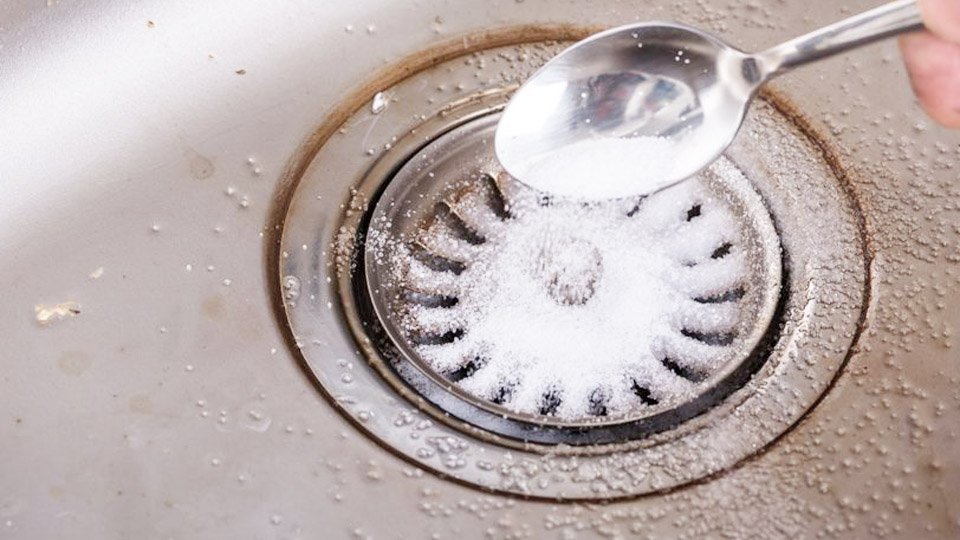
Step 2: Pour ½ cup of baking soda into the drain, followed by ½ cup of white vinegar. Let it fizz for 15–20 minutes to break down gunk.
Step 3: Flush with another pot of hot water. For stubborn buildup, repeat or use a drain brush to scrub inside the pipe.
Safety Warning: Never mix vinegar with bleach or other harsh cleaners, as it can create toxic fumes.
I once had a sink that smelled like rotten eggs every morning. This baking soda and vinegar trick worked wonders, and it’s now part of my monthly cleaning routine.
Clear the Overflow Drain
Many sinks have an overflow drain near the top, which can trap gunk and cause odors.
- Step 1: Pour a mixture of 1 cup water and 1 cup white vinegar into the overflow opening. Let it sit for 30 minutes.
- Step 2: Use a flexible cleaning brush to scrub inside the overflow. Be gentle to avoid damaging the sink.
- Step 3: Rinse with hot water. Repeat weekly if odors persist.
I learned this trick after noticing a faint musty smell in my kids’ bathroom. Cleaning the overflow made a huge difference.
Plunge Minor Clogs
If water drains slowly, a partial clog might be trapping odor-causing debris.
- Step 1: Place a plunger over the drain and fill the sink with a few inches of water.
- Step 2: Pump vigorously for 20–30 seconds to dislodge the clog.
- Step 3: Flush with hot water. If the smell lingers, try the baking soda and vinegar method.
Check for Ventilation Issues
If you hear gurgling or drainage is slow, a clogged vent pipe might be the issue.
Step 1: Inspect the vent pipe on your roof for debris like leaves or nests. Never climb onto the roof yourself—call a professional plumber for safety.
Step 2: A plumber can clear the vent or perform a smoke test to check for leaks in the system.
Last summer, I had a plumber fix a clogged vent in my home, and the sewer smell disappeared instantly. It’s worth the investment for persistent issues.
When to Call a Professional
If you’ve tried the above methods and the smell persists, it could be a sewer line issue or a faulty P-trap installation. A licensed plumber can:
- Perform a smoke test to detect leaks.
- Inspect and clean sewer lines.
- Replace damaged pipes or vents.
For renters, contact your landlord before attempting major fixes, as plumbing repairs may be their responsibility.
Tools and Products for a Fresher Sink
Here’s a quick rundown of tools and products I keep on hand for sink maintenance. These are budget-friendly and widely available at stores like Home Depot or Walmart.
| Tool/Product | Use | Where to Find |
|---|---|---|
| Baking Soda & Vinegar | Breaks down biofilm and neutralizes odors | Grocery stores |
| Drain Brush | Scrubs inside drains and overflow | Hardware stores, Amazon |
| Plunger | Clears minor clogs | Hardware stores |
| Rubber Gloves | Protects hands from bacteria and cleaners | Any supermarket |
| Commercial Drain Cleaner (e.g., Drano) | Tackles tough clogs (use sparingly) | Hardware stores, Walmart |
Safety Note: Avoid overusing chemical drain cleaners, as they can corrode pipes over time. Stick to natural methods like baking soda and vinegar when possible.
Preventing Future Sink Odors
Prevention is easier than dealing with a smelly sink. Here are tips I use to keep my bathroom fresh:
Regular Cleaning: Wipe down the sink and drain weekly with a damp cloth and mild cleaner to prevent buildup.
Use a Drain Screen: Place a mesh strainer over the drain to catch hair and debris. I found a pack of these for $5 at Target, and they’re a game-changer.
Run Water in Unused Sinks: Flush guest bathroom sinks every two weeks to keep the P-trap filled.
Ventilation: Use a bathroom exhaust fan or open a window to reduce humidity and prevent mold.
Scent Boosters: Add a few drops of lemon essential oil to the drain monthly for a fresh scent.
I started using a drain screen after fishing out a clump of hair from my daughter’s sink. It’s saved me so much hassle!
Real-Life Cleaning Scenarios
Let’s look at how these solutions apply to common household situations:
Busy Family Home: With kids constantly washing their hands, soap scum and hair can build up fast. Use the baking soda and vinegar method weekly and a drain screen to catch debris.
Rental Apartment: If you’re renting and can’t access the P-trap, try the hot water and vinegar flush. Notify your landlord if the smell persists.
Guest Bathroom: Rarely used sinks are prone to dry P-traps. Run water for a minute every two weeks, especially before guests arrive.
Humid Climate: In places like Florida, mold is a big issue. Clean the overflow regularly and use a dehumidifier to keep moisture in check.
Dos and Don’ts for a Smelly Sink
| Do | Don’t |
|---|---|
| Use natural cleaners like baking soda and vinegar | Mix bleach with vinegar or ammonia (toxic fumes) |
| Check the P-trap regularly for water | Ignore slow drainage or gurgling sounds |
| Call a plumber for persistent odors | Attempt to fix vent pipes or sewer lines yourself |
| Use a drain screen to prevent clogs | Pour grease or food down the drain |
Motivational Conclusion
A smelly bathroom sink can feel like a never-ending battle, but with these simple, safe, and affordable methods, you can reclaim a fresh, clean bathroom. From refilling a dry P-trap to scrubbing away biofilm, these solutions are designed for busy homeowners, renters, and parents who want a healthy, odor-free home.
I’ve used these tips in my own house, and the relief of a fresh-smelling sink is worth the effort. Start with the easiest fix—running water through the drain—and work your way up. Keep your sink clean, and enjoy the peace of mind that comes with a fresher, safer bathroom.
Frequently Asked Questions
How Do I Know If the Smell Is Coming from the Drain or the Water?
Fill a glass with water from the sink, step away, and smell it. If the water smells fine, the odor is likely from the drain. Try cleaning with baking soda and vinegar to eliminate drain odors.
Is It Safe to Use Chemical Drain Cleaners?
Use chemical cleaners like Drano sparingly, as they can damage pipes over time. Opt for natural solutions like baking soda and vinegar for regular maintenance. Always follow product instructions and wear gloves.
Can a Smelly Sink Harm My Health?
Sewer gases from a dry P-trap or bacteria buildup can be unpleasant and, in rare cases, pose health risks, especially for those with respiratory issues. Fix the issue promptly and ensure good ventilation.
Why Does My Sink Smell Only When I Run Water?
The smell often comes from sewer gases pushed up by water flow, usually due to a dry P-trap, biofilm, or clogged vents. Start by running water to refill the P-trap and clean the drain.
How Often Should I Clean My Bathroom Sink Drain?
Clean the drain monthly with baking soda and vinegar to prevent buildup. For unused sinks, run water every two weeks to keep the P-trap filled and odor-free.