Have you ever walked into your kitchen or bathroom and been hit by that unpleasant, lingering smell coming straight from the drain? I’ve definitely dealt with smelly drains before, and it’s one of those issues that can really spoil the fresh, clean vibe of your home. Knowing how to clean a smelly drain naturally has been a game-changer for me—not only does it eliminate those stubborn odors, but it also helps maintain good hygiene without harsh chemicals.
Whether you’re into deep cleaning or prefer eco-friendly solutions to keep your living spaces fresh and safe, tackling this problem early is super important. Stick with me, and I’ll share some simple, natural tricks that really work to banish drain smells and keep your bathroom or kitchen smelling fresh and clean.
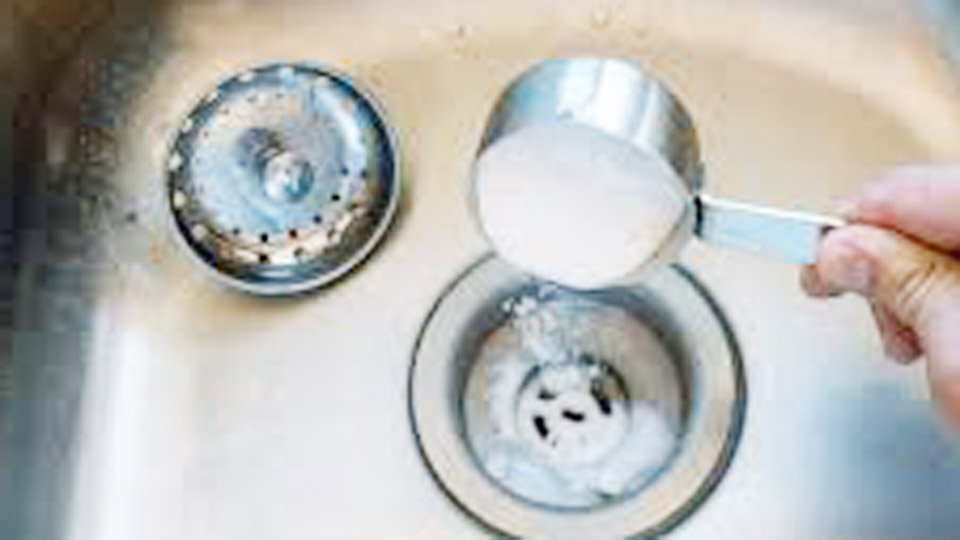
Image by thespruce
Why Drains Get Smelly
Before diving into cleaning, it helps to know why your drain smells in the first place. In my experience, the odor usually comes from food debris, grease, bacteria, or a dry P-trap. Kitchen sinks often trap bits of vegetables, meat, or oils that rot over time.
In bathrooms, hair and soap scum create a slimy biofilm where bacteria thrive. A dry P-trap, especially in rarely used sinks, lets sewer gases sneak up. I once ignored a faint musty smell in my guest bathroom, and it turned into a full-on sewer stench—lesson learned.
Common Causes of Drain Odors
Here’s what I’ve found behind most smelly drains:
- Food Debris: Bits of rice, pasta, or meat stuck in the drain or garbage disposal.
- Grease Buildup: Cooking oils that coat pipes and trap odors.
- Biofilm: A slimy layer of bacteria, soap, or hair in bathroom drains.
- Dry P-Trap: The U-shaped pipe under the sink dries out, letting sewer gases escape.
- Clogged Vent Pipes: Blocked vents can push gases back into your drain.
Safety Precautions Before You Start
Cleaning a smelly drain naturally is safe, but you still need to be careful. I always wear rubber gloves to avoid touching bacteria or cleaners. Open a window or turn on a fan for ventilation—vinegar fumes can be strong. Never mix bleach with vinegar or ammonia; it creates toxic gases.
Keep kids and pets out of the area while you work. I also keep a spray bottle of water handy for quick cleanups if I spill. If you have a garbage disposal, unplug it or turn off the breaker to stay safe.
My Favorite Natural Methods to Clean a Smelly Drain
I’ve tested plenty of ways to tackle drain odors, and these three methods are my go-to solutions. They’re natural, effective, and use items you probably have at home.
Baking Soda and Vinegar Method
This classic combo is my first choice for most smelly drains. The fizzing action breaks down gunk and neutralizes odors, and it’s satisfying to watch it work.
Supplies Needed
| Supply | Purpose | Alternative |
|---|---|---|
| Baking soda | Neutralizes odors, breaks down debris | Washing soda (stronger, test first) |
| White vinegar | Dissolves grease, kills bacteria | Lemon juice (milder, less effective) |
| Hot water | Flushes residue | Warm water (less effective) |
| Dish soap | Cuts grease | Castile soap |
| Bottle brush | Scrubs drain opening | Old toothbrush |
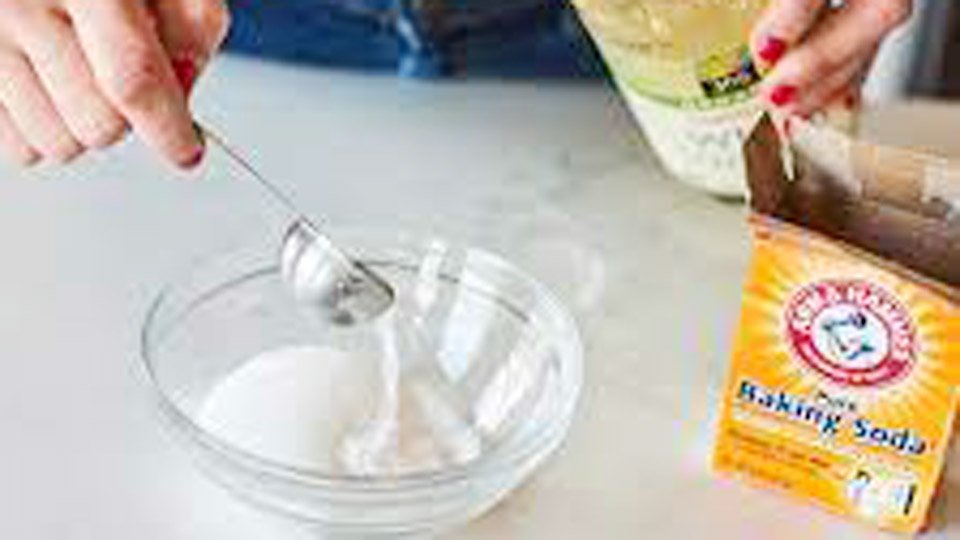
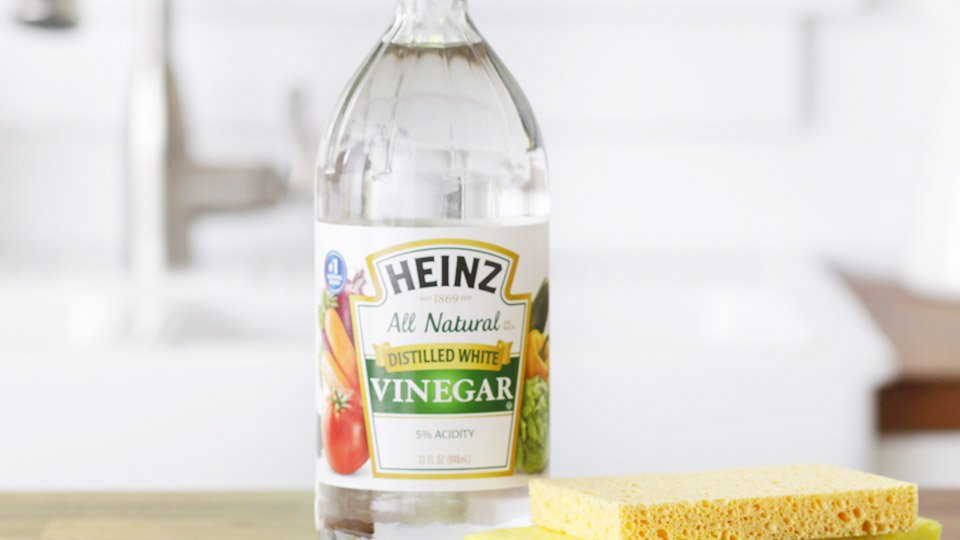
I use Arm & Hammer baking soda and store-brand white vinegar—they’re affordable and reliable. Dawn Ultra dish soap is my pick for grease.
How to Do It
- Run hot water down the drain for 1 minute to loosen debris.
- Pour 1 cup of baking soda down the drain, using a funnel if needed.
- Add 1 cup of white vinegar and cover the drain with a plug or cloth to keep the fizzing inside.
- Let it sit for 10–15 minutes to break down gunk.
- Flush with 4 cups of hot (not boiling) water.
- Scrub the drain opening with a bottle brush and a drop of dish soap.
Time Estimate
This takes about 20 minutes, including heating water and waiting. If the smell persists, repeat once or try another method.
Pro Tip
Heat the vinegar to just below boiling (about 180°F) for extra cleaning power. I do this when the drain is clogged with grease from cooking.
Ice, Salt, and Citrus Method (For Garbage Disposals)
If you have a garbage disposal, this method is a lifesaver. I used it after a fishy smell took over my kitchen sink from shrimp scraps.
Supplies Needed
| Supply | Purpose | Alternative |
|---|---|---|
| Ice cubes | Knocks off food debris | Frozen vinegar cubes |
| Kosher salt | Scrubs disposal blades | Table salt (less abrasive) |
| Lemon or orange peels | Deodorizes, adds fresh scent | Lime peels |
| Cold water | Flushes residue | Warm water |
I keep lemons or oranges for cooking, so I always have peels. Kosher salt is best for scrubbing, but table salt works in a pinch.
How to Do It
- Toss 1 cup of ice cubes into the garbage disposal.
- Add 1/2 cup of kosher salt.
- Run cold water and turn on the disposal for 10–15 seconds until the ice is gone.
- Drop in a few lemon or orange peels and run the disposal with cold water for another 10 seconds.
- Flush with hot water for 30 seconds to clear residue.
Time Estimate
This takes about 10 minutes, including prep. It’s quick and leaves a fresh citrus scent.
Pro Tip
Freeze citrus peels in ice cube trays with vinegar for a ready-to-go disposal cleaner. I pop a few cubes in weekly to keep things fresh.
Hot Vinegar and Dish Soap Flush
For mild odors or regular maintenance, this method is my quick fix. I use it weekly to prevent smells from coming back.
Supplies Needed
| Supply | Purpose | Alternative |
|---|---|---|
| White vinegar | Cuts grease, kills bacteria | Apple cider vinegar (milder) |
| Dish soap | Breaks down grease | Castile soap |
| Hot water | Flushes residue | Warm water |
| Pot or kettle | Heats vinegar safely | Microwave-safe bowl |
How to Do It
- Heat 4 cups of white vinegar in a pot until hot but not boiling (about 180°F).
- Add a tablespoon of dish soap to the vinegar.
- Pour half the mixture down the drain and let it sit for 10 minutes.
- Run cold water for 1 minute.
- Pour the remaining mixture down and wait another 10 minutes.
- Flush with hot water for 1 minute.
Time Estimate
This takes about 25 minutes, including heating and waiting. It’s great for quick upkeep or mild smells.
Pro Tip
If you’re cleaning your coffee maker, save the hot vinegar and pour it down the drain for a two-in-one cleaning hack.
Dos and Don’ts
Do:
- Test cleaners on a small area of your sink or disposal first.
- Ventilate the area to avoid inhaling fumes.
- Flush with hot water after each method to clear residue.
- Use a drain strainer to catch debris.
Don’t:
- Mix bleach with vinegar or ammonia—it creates toxic gases.
- Pour grease or oils down the drain; they cause buildup.
- Use boiling water on PVC pipes; it can weaken them.
- Ignore persistent smells—they could signal a deeper issue.
Cleaning the P-Trap for Stubborn Odors
If the above methods don’t work, the smell might be coming from the P-trap—the U-shaped pipe under your sink. It holds water to block sewer gases, but it can dry out or get clogged with gunk. I had to clean mine once after a vacation left my guest bathroom sink unused and smelly.
Supplies Needed
| Supply | Purpose | Alternative |
|---|---|---|
| Bucket | Catches water from P-trap | Large bowl |
| Wrench | Loosens P-trap | Pliers |
| Bottle brush | Scrubs pipe | Old toothbrush |
| Dish soap | Cleans gunk | Vinegar |
| Rubber gloves | Protects hands | Dishwashing gloves |
How to Do It
- Place a bucket under the P-trap to catch water.
- Use a wrench to loosen the slip-joint nuts and remove the P-trap.
- Check if it’s dry—if so, run water to refill it after reattaching.
- If clogged, empty debris into the bucket and scrub with dish soap and a brush.
- Rinse with warm water and reattach securely.
- Run water for 1 minute to refill the trap.
Time Estimate
This takes 15–20 minutes. If you’re not comfortable with plumbing, call a professional to avoid leaks.
Safety Note
Wear gloves and ventilate the area. If you smell strong sewer gas (like rotten eggs), stop and call a plumber—it could be a venting issue.
Cleaning the Overflow Drain (For Bathroom Sinks)
Bathroom sinks often have an overflow drain near the top, and it can trap gunk that causes odors. I learned this the hard way when my bathroom sink kept smelling despite a clean P-trap.
Supplies Needed
| Supply | Purpose | Alternative |
|---|---|---|
| White vinegar | Kills bacteria, dissolves gunk | Lemon juice |
| Flexible brush | Scrubs overflow | Pipe cleaner |
| Spray bottle | Applies solution | Small funnel |
| Hot water | Flushes residue | Warm water |
How to Do It
- Pour 1 cup of white vinegar into the overflow hole using a spray bottle or funnel.
- Let it sit for 10 minutes to loosen gunk.
- Scrub the overflow with a flexible brush or pipe cleaner.
- Flush with 2 cups of hot water poured into the overflow.
- Run water through the main drain for 1 minute.
Time Estimate
This takes about 15 minutes. Repeat monthly to prevent buildup.
Pro Tip
If you can’t reach deep into the overflow, use a syringe to squirt vinegar in for better coverage.
Natural Alternatives to Chemical Cleaners
I prefer natural cleaners to avoid harsh chemicals. Lemon juice mixed with baking soda (1:1 ratio) works for light odors but needs more scrubbing than vinegar.
Bio-enzyme cleaners, like those from Seventh Generation, break down organic matter safely. I’ve also added a few drops of tea tree or peppermint essential oil to my vinegar mix for a fresher scent.
| Cleaner | Best For | Pros | Cons |
|---|---|---|---|
| Baking Soda + Vinegar | Odors, light clogs | Cheap, natural | May need repeating |
| Lemon Juice + Baking Soda | Light odors | Pleasant scent | Less effective on grease |
| Bio-Enzyme Cleaner | Organic buildup | Eco-friendly, safe | More expensive |
| Essential Oils | Maintenance, scent | Adds freshness | Not a standalone cleaner |
Dealing with Venting Issues
If cleaning the drain, P-trap, and overflow doesn’t help, the smell might come from a blocked vent pipe. Vent pipes let sewer gases escape through the roof, but debris like leaves or nests can clog them.
I had this issue in an old house, and the sink gurgled when it drained—a clue to venting problems. This is a job for a plumber, as it involves roof access or specialized tools. If you hear gurgling or the smell persists, call a professional.
Pro Tips from My Cleaning Routine
- Use a Drain Strainer: I got a $5 strainer from a hardware store to catch hair and food scraps.
- Run Hot Water Daily: After using the sink, I run hot water for 30 seconds to flush debris.
- Clean the Disposal Flange: Food can hide under the rubber flap in disposals. I scrub it weekly with a toothbrush.
- Maintain Unused Sinks: Run water weekly in guest sinks to keep the P-trap full.
- Check the Faucet Aerator: Unscrew and clean it if water smells, as gunk can build up there.
Common Mistakes to Avoid
I’ve made plenty of cleaning mistakes, so here’s what to watch out for:
- Using Bleach Incorrectly: It can react with debris, creating toxic fumes. I avoid it for drains.
- Ignoring the Overflow: Gunk in the overflow can cause smells even if the P-trap is clean.
- Skipping Ventilation: Fumes from cleaners can be strong—always open a window.
- Pouring Grease Down the Drain: It solidifies and traps odors. I scrape grease into the trash.
Preventing Smelly Drains
To keep odors away, I’ve built these habits into my routine:
- Scrape plates into the trash before washing.
- Use a drain strainer to catch debris.
- Run hot water after each use to flush the drain.
- Clean the disposal weekly with ice and citrus peels.
- Pour a cup of vinegar down the drain monthly for maintenance.
A Fresh Sink Is Within Reach
Cleaning a smelly drain naturally is easier than you think, and the results make your kitchen or bathroom feel so much cleaner. I love walking into my kitchen knowing the sink smells fresh, not like last week’s leftovers.
Whether you try the baking soda and vinegar fizz, the citrus-and-ice trick, or a quick vinegar flush, these methods are simple and use everyday items. Start with the easiest fix and work your way up if needed.
FAQ
How do I clean a smelly kitchen drain naturally?
To clean a smelly kitchen drain naturally, I pour 1 cup of baking soda down the drain, followed by 1 cup of white vinegar. Let it fizz for 15 minutes, then flush with hot water.
For garbage disposals, toss in ice cubes, kosher salt, and lemon peels, then run the disposal with cold water. Scrub the drain opening with dish soap. Repeat weekly to keep odors away. This method tackles food debris and grease without harsh chemicals.
Why does my bathroom sink drain smell bad?
A bad smell in your bathroom sink drain often comes from biofilm—slimy bacteria, hair, or soap scum. I’ve had this issue from my kids’ toothpaste globs. Pour 1 cup of baking soda and 1 cup of vinegar down the drain, let it sit for 15 minutes, and flush with hot water.
Check the overflow drain too—it can trap gunk. If the smell persists, clean the P-trap or call a plumber for venting issues.
Can I use lemon juice instead of vinegar to clean a smelly drain?
Yes, lemon juice can work as a natural cleaner for a smelly drain, but it’s milder than vinegar. I mix 1 cup of lemon juice with 1 cup of baking soda, pour it down the drain, and let it sit for 15 minutes before flushing with hot water. It’s great for light odors and leaves a fresh scent, but for grease or stubborn smells, I stick to white vinegar.
How do I prevent smelly drains without chemicals?
To prevent smelly drains naturally, I use a drain strainer to catch hair and food scraps. Run hot water for 30 seconds after each use to flush debris. Weekly, I pour a cup of hot vinegar down the drain or use ice and citrus peels in the disposal. For unused sinks, run water every few days to keep the P-trap full. These habits keep odors at bay.
What if my drain still smells after natural cleaning?
If your drain still smells after natural cleaning, check the P-trap or overflow drain. I had a stubborn smell once and found gunk in the overflow. Pour vinegar into the overflow and scrub with a flexible brush. If that doesn’t work, gurgling sounds or persistent odors might mean a blocked vent pipe. I’d call a plumber for that—it’s beyond a DIY fix.