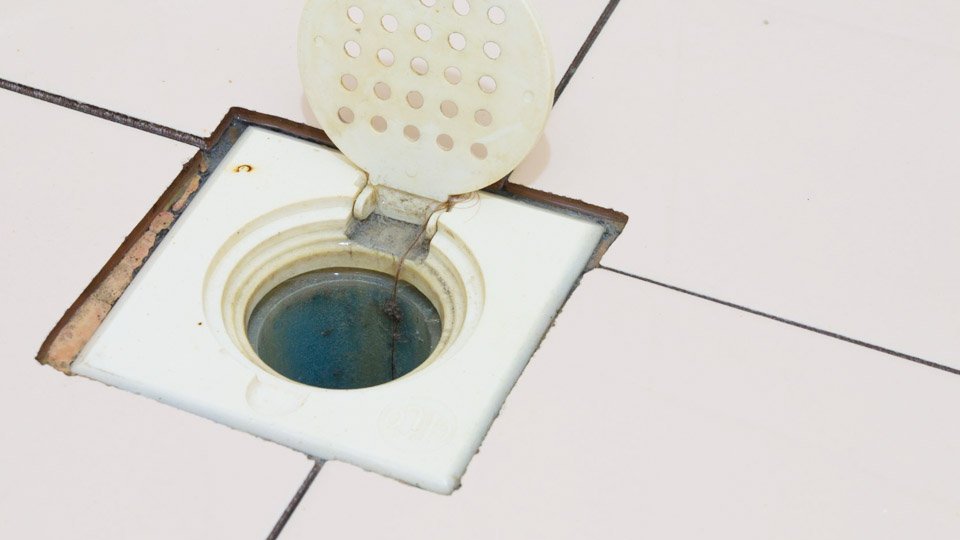
There’s nothing worse than walking into a clean bathroom and being hit with a foul, musty smell coming from the drain. I remember the first time it happened in my house—I cleaned the sink, the floors, even lit a candle, but the stink kept coming back. It took me a while (and a lot of trial and error) to realize the drain itself was the culprit.
I’ve dealt with smelly bathroom drains more times than I’d like to admit—whether from hair buildup, soap scum, or just stagnant water. But through all of that, I’ve picked up a few simple, effective tricks that actually work. No expensive plumbers, no harsh chemicals—just practical methods that get rid of the odor and keep it from coming back.
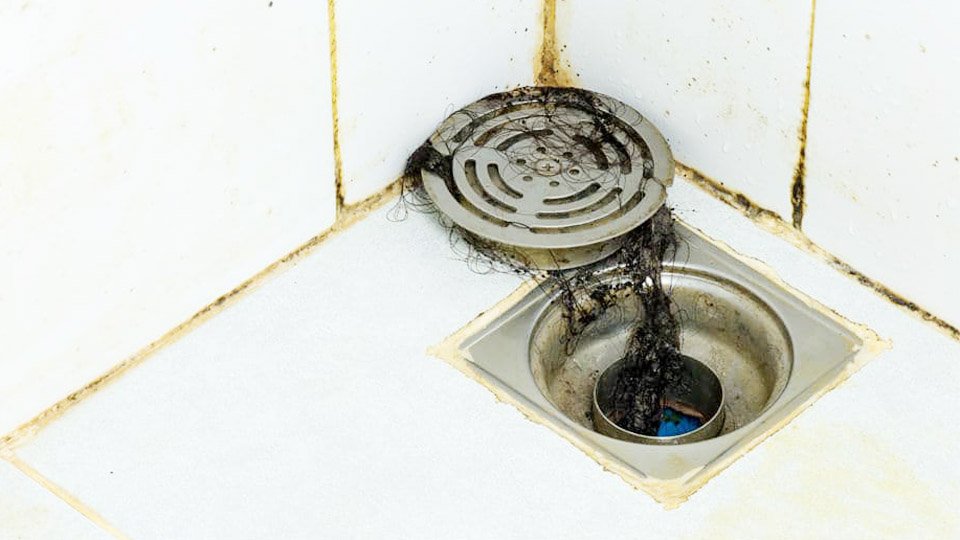
Image by mayfairbuildinggroup
I’ll show you exactly how I’ve tackled smelly bathroom drains in my own home, using easy steps you can do with stuff you probably already have in your kitchen or cleaning cabinet.
Understanding Why Bathroom Drains Smell
Before we jump into cleaning, it’s helpful to know why your drain smells bad. In my experience, the odor often comes from a dry P-trap, biofilm buildup, or mold. Hair, soap scum, and toothpaste residue create a slimy layer in the pipes where bacteria thrive, causing a musty or rotten egg smell.
A dry P-trap, especially in guest bathrooms, lets sewer gases escape. I once ignored a faint sewer smell in my spare bathroom, and it turned into a full-on stench—lesson learned! Knowing the cause helps you choose the right fix.
Common Causes of Drain Odors
Here’s what I’ve found behind most smelly bathroom drains:
- Dry P-Trap: The U-shaped pipe under the sink holds water to block sewer gases. If it dries out, gases escape.
- Biofilm Buildup: Hair, soap, and skin cells form a slimy layer where bacteria grow, causing odors.
- Mold Growth: Damp, dark drains are perfect for mold, which smells musty.
- Clogged Drain: Hair or debris traps water, leading to rot and smells.
- Venting Issues: Blocked vent pipes can push sewer gases back into your drain.
Safety Precautions Before You Start
Cleaning a smelly drain is safe, but you need to be careful. I always wear rubber gloves to avoid touching bacteria or cleaners. Open a window or turn on the bathroom fan—vinegar fumes can be strong. Never mix bleach with vinegar or ammonia; it creates toxic gases.
Keep kids and pets out of the bathroom while you work. I keep a spray bottle of water handy for quick cleanups if I spill. If you smell strong sewer gas (like rotten eggs), stop and call a plumber—it could be a venting issue.
My Go-To Natural Methods to Eliminate Drain Odors
I’ve tested plenty of ways to tackle smelly drains, and these three methods are my favorites. They’re natural, effective, and use items you probably have at home.
Baking Soda and Vinegar Method
This classic combo is my first choice for most drain odors. The fizzing action breaks down gunk and neutralizes smells, and it’s satisfying to watch.
Supplies Needed
| Supply | Purpose | Alternative |
|---|---|---|
| Baking soda | Neutralizes odors, breaks down debris | Washing soda (stronger, test first) |
| White vinegar | Dissolves grease, kills bacteria | Lemon juice (milder, less effective) |
| Hot water | Flushes residue | Warm water (less effective) |
| Dish soap | Cuts grease | Castile soap |
| Bottle brush | Scrubs drain opening | Old toothbrush |
I use Arm & Hammer baking soda and store-brand white vinegar—they’re affordable and reliable. Dawn Ultra dish soap is my go-to for grease.
How to Do It
- Remove the drain cover with a screwdriver or by hand.
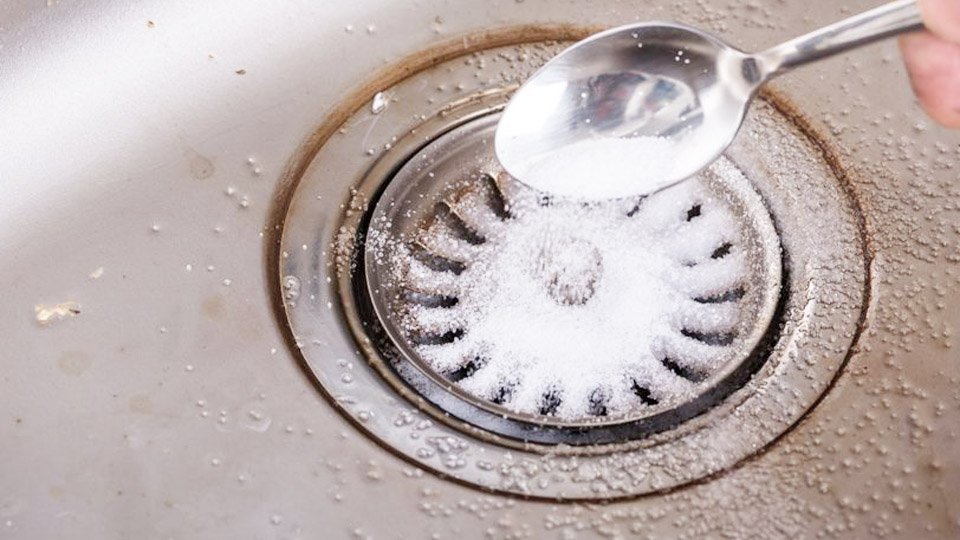
- Pour 1 cup of baking soda down the drain, using a funnel if needed.
- Add 1 cup of white vinegar and cover the drain with a plug or cloth to trap the fizzing.
- Let it sit for 15 minutes to break down gunk.
- Flush with 4 cups of hot (not boiling) water.
- Scrub the drain opening and cover with a bottle brush and dish soap.
- Run hot water for 1 minute to clear residue.
Time Estimate
This takes about 20 minutes, including heating water and waiting. Repeat if the smell persists.
Pro Tip
Heat the vinegar to just below boiling (about 180°F) for extra cleaning power. I do this when the drain is clogged with soap scum.
Lemon Juice and Baking Soda Method
For a fresh, citrusy scent, I use this method. It’s great for mild odors and leaves the bathroom smelling clean.
Supplies Needed
| Supply | Purpose | Alternative |
|---|---|---|
| Lemon juice | Deodorizes, cuts grease | Lime juice |
| Baking soda | Neutralizes odors | Washing soda |
| Hot water | Flushes residue | Warm water |
| Non-abrasive sponge | Cleans drain cover | Soft cloth |
I use fresh lemons or store-bought lemon juice—both work well.
How to Do It
- Remove the drain cover and clean off visible debris.
- Pour 1/2 cup of baking soda down the drain.
- Add 1/2 cup of lemon juice and let it sit for 10 minutes.
- Flush with 4 cups of hot water.
- Scrub the drain cover with a sponge and lemon juice.
- Run hot water for 30 seconds.
Time Estimate
This takes about 15 minutes. It’s perfect for quick maintenance or light odors.
Pro Tip
Rub lemon peels on the drain cover after cleaning for a lasting fresh scent. I save peels from cooking to do this.
Enzyme Cleaner Method
For stubborn odors, I rely on enzyme-based cleaners. They break down organic matter like hair and soap scum naturally.
Supplies Needed
| Supply | Purpose | Alternative |
|---|---|---|
| Enzyme cleaner | Breaks down organic matter | Baking soda + vinegar |
| Hot water | Flushes residue | Warm water |
| Flexible brush | Scrubs drain | Pipe cleaner |
| Rubber gloves | Protects hands | Dishwashing gloves |
I like Seventh Generation or Bio-Clean enzyme cleaners—they’re eco-friendly and effective.
How to Do It
- Remove the drain cover and clear visible debris.
- Pour the recommended amount of enzyme cleaner (per product instructions) down the drain.
- Let it sit for 1–2 hours, or overnight for tough odors.
- Flush with hot water for 1 minute.
- Scrub the drain with a flexible brush.
- Run hot water again to clear residue.
Time Estimate
This takes 1–2 hours, depending on the product’s instructions. It’s great for deep cleaning.
Pro Tip
Use enzyme cleaners monthly to prevent buildup. I pour some down my drain before bed for an easy overnight fix.
Dos and Don’ts
Do:
- Test cleaners on a small area of your drain cover first.
- Ventilate the bathroom to avoid inhaling fumes.
- Use a drain strainer to catch hair and debris.
- Flush with hot water after each method.
Don’t:
- Mix bleach with vinegar or ammonia—it creates toxic gases.
- Use boiling water on PVC pipes; it can weaken them.
- Ignore persistent smells—they could signal a bigger issue.
- Pour grease or oils down the drain; they cause buildup.
Cleaning the P-Trap for Stubborn Odors
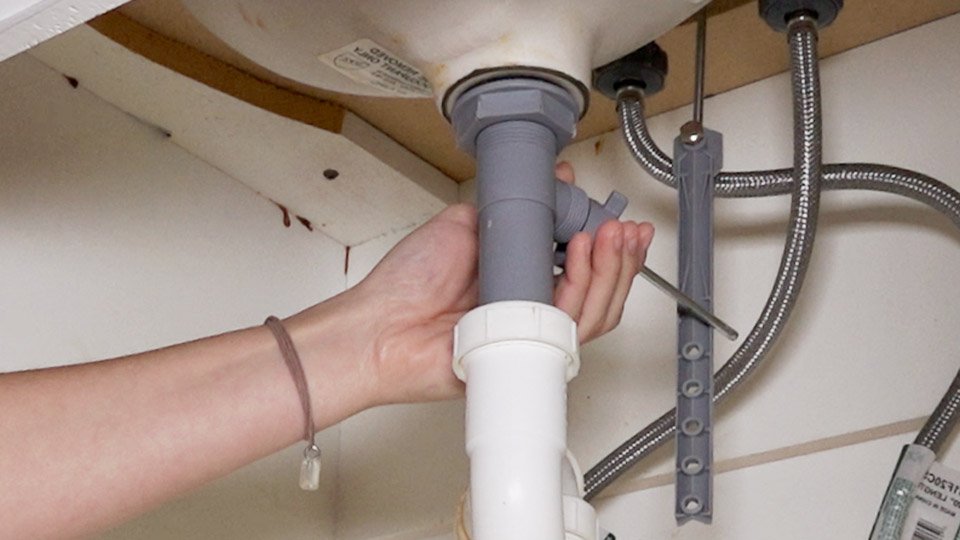
If the above methods don’t work, the P-trap might be the problem. This U-shaped pipe under your sink holds water to block sewer gases, but it can dry out or get clogged. I had to clean mine once after a smelly drain in my guest bathroom wouldn’t quit.
Supplies Needed
| Supply | Purpose | Alternative |
|---|---|---|
| Bucket | Catches water from P-trap | Large bowl |
| Wrench | Loosens P-trap | Pliers |
| Bottle brush | Scrubs pipe | Old toothbrush |
| Dish soap | Cleans gunk | Vinegar |
| Rubber gloves | Protects hands | Dishwashing gloves |
How to Do It
- Place a bucket under the P-trap to catch water.
- Use a wrench to loosen the slip-joint nuts and remove the P-trap.
- Check if it’s dry—if so, run water to refill it after reattaching.
- If clogged, empty debris into the bucket and scrub with dish soap and a brush.
- Rinse with warm water and reattach securely.
- Run water for 1 minute to refill the trap.
Time Estimate
This takes 15–20 minutes. If you’re not comfortable, call a plumber to avoid leaks.
Safety Note
Wear gloves and ventilate the area. If you smell strong sewer gas, stop and call a professional—it could be a venting issue.
Cleaning the Overflow Drain
Many bathroom sinks have an overflow drain near the top, and it can trap gunk that causes odors. I learned this when my sink smelled despite a clean P-trap.
Supplies Needed
| Supply | Purpose | Alternative |
|---|---|---|
| White vinegar | Kills bacteria, dissolves gunk | Lemon juice |
| Flexible brush | Scrubs overflow | Pipe cleaner |
| Spray bottle | Applies solution | Small funnel |
| Hot water | Flushes residue | Warm water |
How to Do It
- Pour 1 cup of white vinegar into the overflow hole using a spray bottle or funnel.
- Let it sit for 10 minutes to loosen gunk.
- Scrub the overflow with a flexible brush or pipe cleaner.
- Flush with 2 cups of hot water poured into the overflow.
- Run water through the main drain for 1 minute.
Time Estimate
This takes about 15 minutes. Repeat monthly to prevent buildup.
Pro Tip
If you can’t reach deep into the overflow, use a syringe to squirt vinegar in for better coverage.
Using a Drain Snake for Clogs
If odors persist, a clog might be trapping gunk. I’ve used a drain snake to pull out hairballs that caused smells in my bathroom sink.
Supplies Needed
| Supply | Purpose | Alternative |
|---|---|---|
| Drain snake | Removes clogs | Plunger |
| Rubber gloves | Protects hands | Dishwashing gloves |
| Hot water | Flushes residue | Warm water |
| Bucket | Catches debris | Large bowl |
How to Do It
- Remove the drain cover.
- Insert the drain snake into the pipe, turning the handle to catch debris.
- Pull out the snake slowly, removing hair or gunk.
- Dispose of debris in the bucket.
- Flush the drain with hot water for 1 minute.
- Clean the drain cover and replace it.
Time Estimate
This takes 10–15 minutes. Repeat if you pull out a lot of debris.
Pro Tip
Get a 25-foot plastic drain snake from a hardware store—they’re cheap and reusable.
Natural Alternatives to Chemical Cleaners
I prefer natural cleaners to avoid harsh chemicals. Lemon juice and baking soda work for light odors, but vinegar is stronger for grease and bacteria. Enzyme cleaners are great for organic buildup. I sometimes add a few drops of tea tree or peppermint essential oil to my vinegar mix for a fresh scent.
| Cleaner | Best For | Pros | Cons |
|---|---|---|---|
| Baking Soda + Vinegar | Odors, light clogs | Cheap, natural | May need repeating |
| Lemon Juice + Baking Soda | Light odors, fresh scent | Pleasant smell | Less effective on grease |
| Enzyme Cleaner | Organic buildup | Eco-friendly, safe | More expensive |
| Essential Oils | Maintenance, scent | Adds freshness | Not a standalone cleaner |
Dealing with Mold in Drains
If your drain smells musty, mold might be growing. I’ve found mold under drain covers in damp bathrooms. While bleach can kill mold, I avoid it due to potential pipe damage and toxic fumes.
Supplies Needed
| Supply | Purpose | Alternative |
|---|---|---|
| White vinegar | Kills mold, deodorizes | Lemon juice |
| Baking soda | Scrubs and deodorizes | Washing soda |
| Old toothbrush | Scrubs drain cover | Small scrub brush |
| Hot water | Flushes residue | Warm water |
How to Do It
- Remove the drain cover and inspect for mold.
- Soak the cover in a 1:1 mix of vinegar and hot water for 10 minutes.
- Scrub with a toothbrush and baking soda paste.
- Pour 1 cup of vinegar down the drain and let it sit for 15 minutes.
- Flush with hot water for 1 minute.
- Dry and replace the drain cover.
Time Estimate
This takes about 20 minutes. Repeat monthly to prevent mold regrowth.
Pro Tip
Use a bathroom fan or open a window during showers to reduce moisture and prevent mold.
When to Call a Plumber
If cleaning the drain, P-trap, and overflow doesn’t help, you might have a blocked vent pipe or sewer line issue. I had a gurgling drain once, and it was a clogged vent on the roof. Signs you need a plumber include:
- Persistent sewer-like smells after cleaning.
- Gurgling sounds when water drains.
- Slow drainage or standing water.
- Visible leaks or water damage.
These require professional tools like cameras or hydro-jetting. Don’t delay—sewer gases can be harmful.
Preventing Smelly Drains
To keep odors away, I’ve built these habits into my routine:
- Use a drain strainer to catch hair and debris.
- Run hot water for 30 seconds after each use.
- Clean the drain weekly with a vinegar and baking soda flush.
- Run water in unused sinks weekly to keep the P-trap full.
- Use a bathroom fan to reduce moisture and mold.
Pro Tips from My Cleaning Routine
- Install a Drain Strainer: A $5 hair catcher from a hardware store prevents clogs.
- Clean the Drain Cover: I scrub it weekly with a toothbrush to avoid mold.
- Check Guest Bathrooms: Run water in unused sinks to keep the P-trap full.
- Clean the Faucet Aerator: Unscrew and clean it if water smells, as gunk can hide there.
- Ventilate: A fan or open window keeps drains drier and less mold-prone.
Common Mistakes to Avoid
I’ve made these mistakes, so you don’t have to:
- Using Bleach Incorrectly: It can damage pipes or create toxic fumes. I stick to vinegar.
- Ignoring Slow Drains: They signal clogs that cause odors. Act fast.
- Skipping Ventilation: Fumes from cleaners can linger—open a window.
- Overlooking the Overflow: Gunk in the overflow can cause smells even if the P-trap is clean.
A Fresh Bathroom Is Possible
A smelly bathroom drain doesn’t have to ruin your space. I’ve gone from gagging at sewer smells to enjoying a fresh bathroom with these simple methods. Start with baking soda and vinegar, try lemon for a quick fix, or use an enzyme cleaner for stubborn odors.
With a little effort, you can tackle that stink yourself. Grab your gloves, open a window, and give these methods a try—your bathroom will feel like new!
FAQ
Why does my bathroom drain smell like sewage?
A sewage smell from your bathroom drain often comes from a dry P-trap or clogged vent pipe. I had this in my guest bathroom when it wasn’t used for weeks. Run water for 2–3 minutes to refill the P-trap.
If the smell persists, pour 1 cup of baking soda and 1 cup of vinegar down the drain, let it sit for 15 minutes, and flush with hot water. If you hear gurgling or the odor lingers, call a plumber for possible vent issues.
How do I clean a smelly bathroom drain naturally?
To clean a smelly bathroom drain naturally, I use baking soda and vinegar. Remove the drain cover, pour 1 cup of baking soda down the drain, then add 1 cup of white vinegar. Cover the drain and let it fizz for 15 minutes.
Flush with hot water for 1 minute. Scrub the drain cover with dish soap. This method tackles bacteria and gunk without chemicals. Repeat weekly to keep odors away.
Can mold cause my bathroom drain to smell?
Yes, mold can make your bathroom drain smell musty. I found this under my drain cover in a damp bathroom. Remove the cover and soak it in a 1:1 mix of vinegar and hot water for 10 minutes.
Scrub with a toothbrush and baking soda paste. Pour 1 cup of vinegar down the drain, wait 15 minutes, and flush with hot water. Use a bathroom fan to prevent mold regrowth.
How often should I clean my bathroom drain to prevent odors?
I clean my bathroom drain weekly to prevent odors. Pour 1/2 cup of baking soda and 1/2 cup of vinegar down the drain, let it sit for 10 minutes, and flush with hot water. Use a drain strainer to catch hair and debris.
For unused sinks, run water every few days to keep the P-trap full. This routine keeps my bathroom smelling fresh.
What if my bathroom drain still smells after cleaning?
If your bathroom drain still smells after cleaning, check the P-trap or overflow drain. I had a stubborn odor once, and it was gunk in the overflow. Pour vinegar into the overflow and scrub with a flexible brush.
If that doesn’t work, gurgling or slow drainage might mean a vent issue. Call a plumber to inspect with a camera or hydro-jet for a lasting fix.