Have you ever stared at your dull, stained floors wondering how to get them sparkling clean again without spending hours scrubbing? I’ve definitely been there, especially when tackling tough spots during deep cleaning sessions or bathroom cleaning routines. That’s when I discovered how effective bleaching powder can be for cleaning floors — it’s a game-changer for removing stubborn stains and sanitizing surfaces with ease.
Using bleaching powder not only brightens up your floors but also helps keep your home hygienic and germ-free, which is so important for safety and comfort. If you’re curious about how to use bleaching powder the right way without damaging your surfaces or using harsh chemicals, stick around—I’ll share my favorite tips and eco-friendly methods that really work!
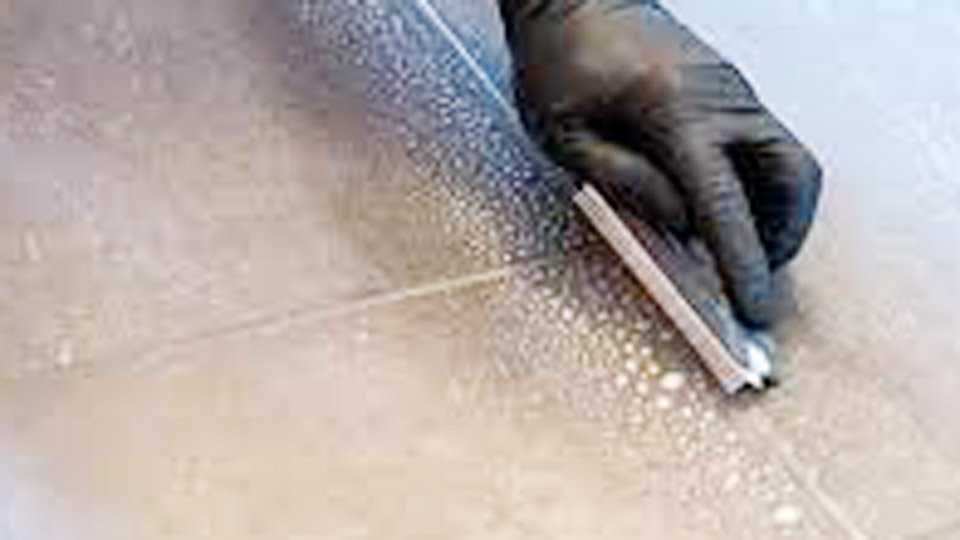
Image by alwaysimmaculate
What Is Bleaching Powder and Why Use It
Bleaching powder, often called calcium hypochlorite, is a white, powdery substance that releases chlorine when mixed with water. It’s a powerful disinfectant and stain remover, perfect for sanitizing floors and lifting tough marks like food spills or mildew.
I first tried it when my kitchen tiles looked dull despite regular mopping, and the results were impressive. It’s especially great for nonporous surfaces like vinyl or ceramic tile, but you need to know how to use it safely to avoid damage or health risks.
Benefits of Bleaching Powder
Here’s why I love using bleaching powder for floors:
- Disinfects Surfaces: Kills 99.9% of germs, making it ideal for bathrooms and kitchens.
- Removes Stains: Tackles tough marks like coffee, grease, or pet accidents.
- Brightens Floors: Restores shine to dull tiles or vinyl.
- Odor Neutralizer: Eliminates musty smells in damp areas.
- Affordable: A small amount goes a long way, saving money.
Safety Precautions Before You Start
Bleaching powder is strong, so safety is key. I always wear rubber gloves to protect my skin from irritation. Open windows or run a fan—chlorine fumes can be intense. Never mix bleaching powder with ammonia, vinegar, or other cleaners; it can create toxic gases.
Keep kids and pets out of the area until the floor is dry. I keep a spray bottle of water handy for quick cleanups if I spill. If you have asthma or sensitivities, test a small area first or consider natural alternatives.
Best Methods to Use Bleaching Powder for Floor Cleaning
After years of cleaning my home and helping friends, these are my top methods for using bleaching powder effectively. They work on nonporous floors like ceramic tile, vinyl, or sealed concrete.
Basic Bleach Solution for Routine Cleaning
This method is my go-to for weekly cleaning. It disinfects and brightens floors without much effort.
Supplies Needed
| Supply | Purpose | Alternative |
|---|---|---|
| Bleaching powder | Disinfects, removes stains | Liquid bleach (e.g., Clorox) |
| Warm water | Dilutes bleach | Room-temperature water |
| Mop | Applies solution | Soft-bristled brush |
| Bucket | Holds solution | Large bowl |
| Rubber gloves | Protects hands | Dishwashing gloves |
I use store-brand bleaching powder or Clorox Bleach Powder for reliability.
How to Do It
- Sweep or vacuum the floor to remove loose dirt and debris.
- Mix 1 tablespoon of bleaching powder with 1 gallon of warm water in a bucket.
- Stir until the powder dissolves completely.
- Dip a mop into the solution and wring it out until damp, not dripping.
- Mop the floor, working in small sections to ensure even coverage.
- Let the solution sit for 5 minutes to disinfect.
- Rinse the floor with clean water using a fresh mop.
- Let the floor air dry or wipe with a clean cloth.
Time Estimate
This takes 20–30 minutes for a standard room, depending on size.
Pro Tip
Start mopping from the farthest corner and work toward the door to avoid stepping on wet floors. I learned this after leaving footprints in my freshly cleaned kitchen!
Stronger Bleach Solution for Tough Stains
For stubborn stains like grease or mildew, I use a stronger solution. This worked wonders on my bathroom tiles after a moldy grout issue.
Supplies Needed
| Supply | Purpose | Alternative |
|---|---|---|
| Bleaching powder | Tackles tough stains | Liquid bleach |
| Warm water | Dilutes bleach | Room-temperature water |
| Soft-bristled brush | Scrubs stains | Old toothbrush |
| Spray bottle | Applies solution | Small bowl |
| Rubber gloves | Protects hands | Dishwashing gloves |
How to Do It
- Sweep or vacuum to remove loose dirt.
- Mix 3/4 cup of bleaching powder with 1 gallon of warm water in a bucket.
- Pour the solution into a spray bottle for targeted application.
- Spray the stained area and let it sit for 5–10 minutes.
- Scrub gently with a soft-bristled brush.
- Rinse thoroughly with clean water using a mop or cloth.
- Dry the floor with a clean cloth or let it air dry.
Time Estimate
This takes 15–25 minutes, depending on the number of stains.
Pro Tip
Test the solution on a small, hidden area first. I tried this on a corner of my bathroom floor to ensure it didn’t discolor the grout.
Bleach Paste for Grout Cleaning
For dingy grout, a bleach paste is my secret weapon. It restored the grout in my entryway tiles to its original white.
Supplies Needed
| Supply | Purpose | Alternative |
|---|---|---|
| Bleaching powder | Whitens grout | Baking soda (less effective) |
| Water | Forms paste | Hydrogen peroxide |
| Old toothbrush | Scrubs grout | Small scrub brush |
| Microfiber cloth | Wipes residue | Soft cotton cloth |
| Rubber gloves | Protects hands | Dishwashing gloves |
How to Do It
- Vacuum or sweep the floor to remove debris.
- Mix 2 tablespoons of bleaching powder with enough water to form a thick paste.
- Apply the paste to the grout lines with a toothbrush.
- Let it sit for 10 minutes to lift stains.
- Scrub gently with the toothbrush.
- Wipe away the paste with a damp microfiber cloth.
- Rinse the floor with clean water and dry thoroughly.
Time Estimate
This takes 30–40 minutes for a small area, longer for larger floors.
Pro Tip
Work in small sections to keep the paste from drying out. I do one tile row at a time to make rinsing easier.
Dos and Don’ts
Do:
- Dilute bleaching powder properly to avoid damage.
- Ventilate the area to avoid inhaling fumes.
- Wear gloves and protective clothing.
- Rinse floors thoroughly to remove residue.
Don’t:
- Use bleaching powder on hardwood, laminate, or unsealed stone—it can discolor or damage them.
- Mix bleach with ammonia, vinegar, or other cleaners; it creates toxic gases.
- Let the solution sit too long; it can erode surfaces.
- Use on colored grout without testing first.
Natural Alternatives to Bleaching Powder
I sometimes skip bleaching powder for natural options, especially in homes with kids or pets. These alternatives are gentler but still effective for light cleaning.
Vinegar and Baking Soda
This combo is great for mild stains and odors. I use it on my vinyl kitchen floor for a natural clean.
Supplies Needed
| Supply | Purpose | Alternative |
|---|---|---|
| White vinegar | Cuts grease, deodorizes | Lemon juice |
| Baking soda | Scrubs stains | Washing soda |
| Warm water | Dilutes solution | Distilled water |
| Mop | Applies solution | Soft cloth |
| Microfiber cloth | Dries floor | Soft cotton cloth |
How to Do It
- Sweep or vacuum the floor.
- Mix 1/2 cup of white vinegar with 1 gallon of warm water.
- Sprinkle baking soda on stained areas.
- Mop with the vinegar solution, focusing on baking soda spots to create a fizzing reaction.
- Wipe with a damp microfiber cloth to remove residue.
- Dry the floor thoroughly.
Time Estimate
This takes 20–30 minutes for a standard room.
Pro Tip
Add a drop of lemon essential oil to the vinegar mix for a fresh scent. I do this in my bathroom for a spa-like feel.
Hydrogen Peroxide
Hydrogen peroxide is my choice for disinfecting without bleach’s harshness. It’s great for tile floors.
Supplies Needed
| Supply | Purpose | Alternative |
|---|---|---|
| Hydrogen peroxide (3%) | Disinfects, whitens | White vinegar |
| Spray bottle | Applies solution | Small bowl |
| Microfiber mop | Cleans floor | Soft cloth |
| Warm water | Dilutes solution | Distilled water |
How to Do It
- Sweep or vacuum to remove debris.
- Mix 1 cup of hydrogen peroxide with 1 gallon of warm water in a spray bottle.
- Spray the solution onto the floor or a microfiber mop.
- Mop in small sections, working in the direction of the tiles.
- Wipe with a damp cloth to remove residue.
- Dry the floor with a microfiber cloth.
Time Estimate
This takes 15–25 minutes for a medium-sized room.
Pro Tip
Use hydrogen peroxide in a brown bottle to preserve its effectiveness. I keep one under my sink for quick disinfecting.
Comparison of Cleaning Methods
| Method | Best For | Pros | Cons |
|---|---|---|---|
| Bleach Solution | Disinfecting, stain removal | Fast, effective | Strong fumes, not for all floors |
| Vinegar + Baking Soda | Light stains, odors | Natural, cheap | Less effective on tough stains |
| Hydrogen Peroxide | Disinfecting, mild stains | Gentle, safe | Slower on heavy grime |
Floor Types and Bleaching Powder Compatibility
Not all floors handle bleaching powder the same. Here’s what I’ve learned:
- Ceramic/Porcelain Tile: Safe with proper dilution. I use it on my bathroom tiles.
- Vinyl: Safe if sealed. Test first to avoid discoloration.
- Sealed Concrete: Works well for garages or patios.
- Hardwood: Avoid—bleach can strip the finish.
- Laminate: Avoid; it can cause warping or fading.
- Natural Stone: Avoid unless sealed; bleach can etch marble or granite.
Always test in a hidden area. I check under furniture to ensure no damage.
Preventing Floor Damage
To keep floors safe while using bleaching powder, I follow these habits:
- Dilute properly—too much bleach can erode surfaces.
- Rinse thoroughly to remove residue.
- Dry floors completely to prevent water damage.
- Use doormats to trap dirt before it reaches the floor.
- Sweep or vacuum weekly to avoid abrasive debris.
When to Call a Professional
If your floor is heavily stained, damaged, or made of delicate materials like hardwood or unsealed stone, call a pro. I had a friend ruin her hardwood floor with bleach, and a professional had to refinish it.
For deep cleaning or mold issues, companies like Stanley Steemer use safe methods for tricky floors. Look for cleaners experienced with your floor type.
Pro Tips from My Cleaning Routine
- Use a Fan: It helps disperse fumes and dries floors faster.
- Store Bleach Safely: Keep it in a cool, dry place away from kids and pets.
- Test Grout Color: Bleach can lighten colored grout, so test first.
- Clean Mops After Use: Rinse thoroughly to avoid spreading bleach residue.
- Work in Sections: It prevents the solution from drying before rinsing.
Common Mistakes to Avoid
I’ve made these errors, so you don’t have to:
- Using Too Much Bleach: It can damage floors or leave residue. Stick to recommended ratios.
- Skipping the Rinse: Bleach residue can attract dirt. I learned this after my tiles looked streaky.
- Poor Ventilation: Fumes made me dizzy once—always open windows.
- Using on Wrong Floors: I almost bleached my laminate floor; test first.
Sparkling Floors with Confidence
Using bleaching powder for cleaning floors doesn’t have to be intimidating. With the right dilution and care, it’s a powerful way to disinfect and brighten your home. I’ve transformed my grimy bathroom tiles and kitchen floors with these methods, and you can too.
Start with a basic bleach solution for routine cleaning, use a stronger mix for stains, or try a paste for grout. If you prefer natural options, vinegar or hydrogen peroxide are great swaps. Grab your gloves, open a window, and give your floors the shine they deserve!
FAQ
How do I clean bathroom floors with bleaching powder?
To clean bathroom floors with bleaching powder, I mix 3/4 cup of bleaching powder with 1 gallon of warm water for tough stains and germs. Sweep the floor first to remove dirt.
Mop with the solution, let it sit for 5–10 minutes, then scrub stains with a soft brush. Rinse thoroughly with clean water and dry with a cloth. Ventilate the room to avoid fumes. This keeps my bathroom tiles sparkling and germ-free.
Can bleaching powder damage my floors?
Bleaching powder can damage certain floors if not used correctly. I ruined a small patch of unsealed grout once by using too strong a mix. Stick to 1 tablespoon per gallon of water for ceramic tile or vinyl, and test in a hidden spot.
Avoid using it on hardwood, laminate, or unsealed stone, as it can strip finishes or cause discoloration. Always rinse thoroughly to prevent residue buildup.
What’s a natural alternative to bleaching powder for floor cleaning?
For a natural alternative, I use a vinegar and baking soda mix. Sprinkle baking soda on stains, then mop with a solution of 1/2 cup white vinegar in 1 gallon of warm water. The fizzing action lifts light stains and odors.
For disinfecting, try 1 cup of hydrogen peroxide in a gallon of water. Both are safe for tile and vinyl. I use these in my kitchen for a gentle, eco-friendly clean.
How often should I use bleaching powder to clean floors?
I use bleaching powder on my bathroom and kitchen floors every two weeks for disinfecting. Mix 1 tablespoon with 1 gallon of water, mop, let it sit for 5 minutes, rinse, and dry.
For daily maintenance, I sweep or use a vinegar solution to avoid overusing bleach. In high-traffic areas, I spot-clean stains with a stronger mix as needed. This keeps my floors clean without damage.
What if bleaching powder leaves a residue on my floor?
If bleaching powder leaves a residue, you likely didn’t rinse well enough—I’ve made this mistake! Mop the floor with clean water using a fresh mop or cloth. For stubborn residue, add a splash of white vinegar to the rinse water, but don’t mix it with bleach. Dry thoroughly with a microfiber cloth. To prevent residue, always use the correct dilution and rinse completely after cleaning.