I recently noticed that my once-bright laminate floor had become dull and lifeless — despite regular sweeping and mopping. It was frustrating because dull floors make even a freshly cleaned room feel tired and neglected. Restoring shine to dull laminate floor isn’t just about aesthetics; it’s also about hygiene and maintaining a safe, slip-free surface. Over time, dirt buildup, spills, and everyday wear can leave stubborn stains that regular cleaning doesn’t fully remove.
Whether you’re tackling deep cleaning, eco-friendly solutions, or simple stain removal, knowing the right techniques makes a huge difference. In this guide, I’ll share practical, tried-and-true tips to bring back that glossy finish, so your laminate floors look fresh, vibrant, and truly cared for.
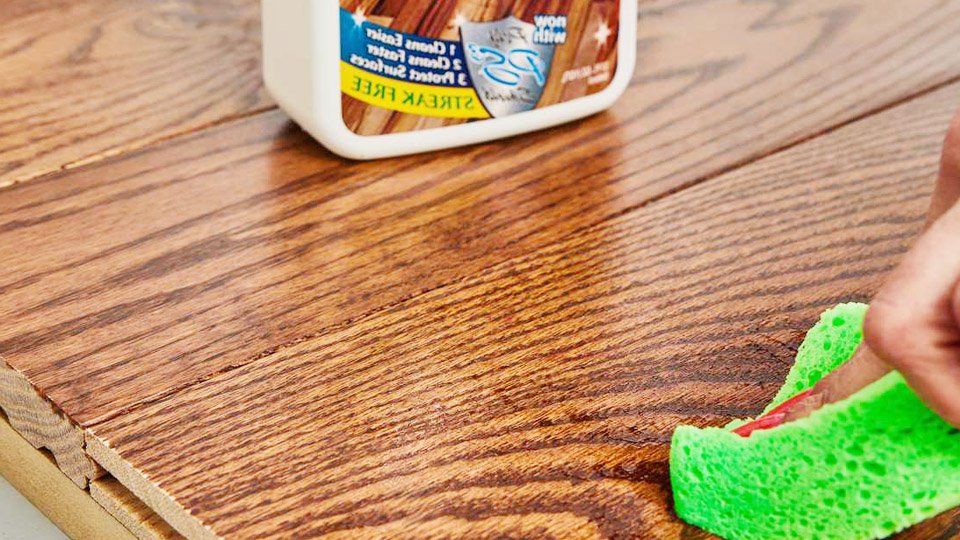
Image by thespruce
I’ll walk you through exactly how I brought back the glossy finish to my dull laminate floors—safely, affordably, and without fancy tools. If your floors are looking tired and worn out, don’t worry—I’ve been there, and I’ve got you covered.
Why Laminate Floors Lose Their Shine
Laminate floors are popular because they’re affordable, durable, and mimic hardwood or stone. But their top protective layer can dull over time. In my home, I noticed my kitchen floor losing its gloss after using the wrong cleaner—a soapy one that left a film. Common culprits include:
- Residue from Cleaners: Soap-based or oil-based cleaners leave a sticky film that attracts dirt.
- Dirt and Grit: Tiny particles act like sandpaper, scratching the surface.
- Foot Traffic: High-traffic areas, like my entryway, wear down the shine.
- Sunlight Exposure: UV rays can fade and dull laminate over time.
- Moisture: Spills or over-wet mopping can cloud the finish.
Understanding these causes helped me focus on gentle, effective cleaning methods to restore that glossy look without damaging the laminate’s core, which is sensitive to water.
Preparing Your Floor for Cleaning
Before restoring shine, you need to prep the floor. I learned this the hard way when I mopped over pet hair and ended up with a streaky mess. A clean surface ensures your efforts pay off.
Supplies Needed
| Supply | Purpose | Alternative |
|---|---|---|
| Soft-bristle broom | Removes loose debris | Dust mop |
| Vacuum with soft brush | Clears fine particles | Microfiber dust mop |
| Microfiber cloth | Dries and buffs | Soft cotton cloth |
| Bucket | Holds cleaning solution | Spray bottle |
I use a basic soft-bristle broom and a Dyson vacuum with a hard-floor setting to avoid scratches.
How to Do It
- Sweep the floor with a soft-bristle broom to remove dust, hair, and debris.
- Vacuum using a soft-brush attachment or hard-floor setting to catch fine grit in corners.
- Wipe high-traffic areas with a dry microfiber cloth to pick up remaining particles.
- Check for sticky spots or spills and blot them with a slightly damp cloth.
Time Estimate
This takes about 10–15 minutes for a standard room.
Pro Tip
Vacuum in the direction of the laminate planks to avoid pushing dirt into seams. I do this in my dining room to keep the edges clean.
Basic Cleaning to Remove Residue
Residue from improper cleaners is a top reason for dull laminate floors. I once used a dish soap mix that left my floors hazy. This gentle method removes buildup and preps the floor for shining.
Supplies Needed
| Supply | Purpose | Alternative |
|---|---|---|
| White vinegar | Removes residue | Isopropyl alcohol (diluted) |
| Warm water | Dilutes cleaner | Distilled water |
| Microfiber mop | Applies solution gently | Flat-head mop |
| Spray bottle | Controls liquid | Bucket |
| Microfiber cloth | Dries floor | Soft cotton cloth |
I use store-brand white vinegar—it’s cheap and effective.
How to Do It
- Mix 1/2 cup white vinegar with 1 gallon of warm water in a spray bottle.
- Vacuum or sweep the floor to remove debris.
- Lightly mist the solution onto a small section of the floor or directly onto the mop head.
- Mop in the direction of the planks, using a microfiber mop wrung out until barely damp.
- Dry the section immediately with a microfiber cloth to prevent water spots.
- Repeat across the entire floor, working in small areas.
Time Estimate
This takes 20–30 minutes for a medium-sized room.
Pro Tip
Test the vinegar mix in a hidden corner first. I tried it under my couch to ensure it didn’t dull the finish. If your water is hard, use distilled water to avoid mineral deposits.
Dos and Don’ts
Do:
- Use minimal liquid to protect the laminate core.
- Dry the floor immediately after mopping.
- Work in small sections to control moisture.
- Check your manufacturer’s guidelines for approved cleaners.
Don’t:
- Use soap-based cleaners; they leave a film.
- Over-wet the mop; excess water can seep into seams.
- Use abrasive scrubbers like steel wool; they scratch the surface.
- Apply wax or polish; they create buildup.
Deep Cleaning for Stubborn Buildup
For floors with heavy residue or dullness, a deeper clean is needed. My living room floor looked cloudy after years of using the wrong products, but this method brought back the shine.
Supplies Needed
| Supply | Purpose | Alternative |
|---|---|---|
| Laminate floor cleaner | Removes tough buildup | Vinegar solution |
| Microfiber mop | Applies cleaner | Flat-head mop |
| Warm water | Dilutes cleaner | Distilled water |
| Microfiber cloth | Dries and buffs | Soft cotton cloth |
| Soft-bristled brush | Scrubs stains | Old toothbrush |
I use Bona Hard-Surface Floor Cleaner for its gentle, streak-free formula.
How to Do It
- Vacuum or sweep to remove loose dirt.
- Mix laminate cleaner per the bottle’s instructions (usually 1:10 with water) in a bucket.
- Dip a microfiber mop into the solution and wring until barely damp.
- Mop in small sections, following the plank direction.
- For stubborn spots, gently scrub with a soft-bristled brush dipped in the solution.
- Rinse the floor with a damp mop using clean water to remove residue.
- Dry thoroughly with a microfiber cloth.
- Buff with a dry microfiber cloth for extra shine.
Time Estimate
This takes 30–40 minutes for a standard room, longer for larger areas.
Pro Tip
Buff in small, circular motions after drying to enhance shine. I do this in my hallway for a polished look.
Restoring Shine with a Vinegar and Alcohol Mix
For extra dull floors, I’ve had success with a vinegar and isopropyl alcohol mix. It cuts through residue and restores gloss without damaging the laminate.
Supplies Needed
| Supply | Purpose | Alternative |
|---|---|---|
| White vinegar | Cuts residue | Cleaning vinegar (diluted) |
| Isopropyl alcohol (70%) | Removes film, adds shine | N/A |
| Warm water | Dilutes solution | Distilled water |
| Spray bottle | Applies solution | Small bucket |
| Microfiber mop | Cleans gently | Flat-head mop |
| Microfiber cloth | Buffs to shine | Soft cotton cloth |
How to Do It
- Vacuum or sweep the floor to remove debris.
- Mix 1/4 cup white vinegar, 1/4 cup isopropyl alcohol, and 1 gallon of warm water in a spray bottle.
- Lightly mist the solution onto a small section or the mop head.
- Mop gently in the plank direction with a microfiber mop.
- Dry immediately with a microfiber cloth.
- Buff the area with a dry microfiber cloth in circular motions to restore shine.
- Repeat across the floor, working in small sections.
Time Estimate
This takes 25–35 minutes for a medium-sized room.
Pro Tip
Use a clean, dry microfiber cloth for buffing to avoid redistributing dirt. I keep a stack of cloths handy for this step.
Safety Precautions
- Ventilate the room to avoid inhaling alcohol fumes.
- Test the solution in a hidden area first—I used a spot under my rug.
- Avoid over-wetting to prevent water damage.
- Keep kids and pets away until the floor is dry.
Removing Specific Stains and Scuffs
Stains and scuffs can make laminate look dull. My kids left crayon marks on our dining room floor, and these methods worked to remove them without scratching.
Supplies Needed
| Supply | Purpose | Alternative |
|---|---|---|
| Baking soda | Lifts scuffs | Magic eraser |
| Acetone (nail polish remover) | Removes ink, marker | Isopropyl alcohol |
| Microfiber cloth | Applies cleaner, buffs | Soft cotton cloth |
| Plastic scraper | Removes gum, wax | Plastic knife |
| Ice pack | Hardens sticky substances | Ice cubes in a bag |
How to Do It
Scuff Marks: Dampen a microfiber cloth with water, sprinkle baking soda on it, and gently rub the scuff in circular motions. Wipe clean with a damp cloth and dry.
Ink or Marker: Apply a small amount of acetone to a microfiber cloth and dab the stain. Wipe with a damp cloth and dry immediately.
Gum or Wax: Place an ice pack on the spot for 5 minutes to harden it. Scrape gently with a plastic scraper, then wipe with a damp cloth and dry.
Grease Stains: Mix a few drops of dish soap with warm water, apply with a microfiber cloth, and scrub gently. Rinse and dry thoroughly.
Time Estimate
This takes 5–15 minutes per stain, depending on severity.
Pro Tip
For crayon stains, I dab with acetone and wipe quickly to avoid spreading the color. Always dry the area to prevent water spots.
Natural Alternatives for Shining Laminate
I prefer natural cleaners to avoid residue and keep my home eco-friendly. These options are gentle and effective for restoring shine.
Vinegar and Water
This is my go-to for light cleaning and shine restoration. It’s simple and budget-friendly.
How to Do It
- Mix 1/4 cup white vinegar with 1 gallon of warm water in a spray bottle.
- Vacuum or sweep the floor.
- Mist the solution onto a microfiber mop head.
- Mop in small sections, drying each with a microfiber cloth.
- Buff with a dry cloth for extra shine.
Time Estimate
This takes 20–30 minutes for a standard room.
Pro Tip
Add a drop of lemon essential oil to the mix for a fresh scent. I use this in my living room for a clean, inviting feel.
Baking Soda Paste for Scuffs
For scuffs that dull the floor, a baking soda paste works wonders without scratching.
How to Do It
- Mix 1 tablespoon baking soda with a few drops of water to form a paste.
- Apply the paste to scuffs with a microfiber cloth.
- Rub gently in circular motions.
- Wipe clean with a damp cloth and dry thoroughly.
Time Estimate
This takes 5–10 minutes per scuff.
Pro Tip
Use a soft cloth to avoid micro-scratches. I tested this on a scuff under my table, and it worked like magic.
Preventing Dullness in the Future
After restoring my floor’s shine, I adopted habits to keep it glossy:
- Sweep Weekly: Removes grit that scratches the surface.
- Use Doormats: Traps dirt at entrances. I have one at every door.
- Felt Pads on Furniture: Prevents scratches from moving chairs.
- Blot Spills Immediately: Avoids water damage.
- Avoid Sunlight Exposure: Use curtains to block UV rays.
When to Call a Professional
If your laminate is heavily scratched, warped, or still dull after cleaning, a professional may help. I called a flooring expert when my hallway planks lifted slightly from a spill.
They can assess damage or apply a laminate reviver for stubborn dullness. Look for cleaners experienced with laminate to avoid further damage.
Common Mistakes to Avoid
I’ve made these errors, so you don’t have to:
- Using Soap-Based Cleaners: They left my floors sticky and dull.
- Over-Wetting: Caused slight swelling in my kitchen floor.
- Using Abrasive Tools: Steel wool scratched my surface.
- Wax or Polish: Left a hazy film that attracted dirt.
Comparison of Cleaning Methods
| Method | Best For | Pros | Cons |
|---|---|---|---|
| Vinegar + Water | Routine cleaning | Cheap, natural | May dull finish if overused |
| Laminate Cleaner | Deep cleaning | Safe, streak-free | More expensive |
| Vinegar + Alcohol | Heavy residue | Restores shine | Strong fumes |
| Baking Soda Paste | Scuffs | Gentle, effective | Time-consuming for large areas |
Pro Tips from My Routine
- Buff Weekly: A dry microfiber cloth keeps shine intact.
- Rotate Rugs: Prevents uneven wear in high-traffic areas.
- Test Cleaners: Always try in a hidden spot first.
- Use a Fan: Speeds drying to avoid water spots.
- Clean Mops Regularly: Prevents spreading dirt.
Bring Back Your Laminate’s Sparkle
Restoring shine to dull laminate floors is easier than you think. With methods like vinegar cleaning, deep cleaning with laminate-safe products, or tackling scuffs with baking soda, I’ve brought my floors back to life without damage. These techniques are simple, safe, and perfect for any homeowner or renter.
FAQ
How do I make my laminate floors shiny again?
To make laminate floors shiny again, I use a mix of 1/4 cup white vinegar and 1 gallon of warm water. Sweep the floor first, then mist the solution onto a microfiber mop and clean in small sections.
Dry each area immediately with a microfiber cloth to avoid water spots. For extra shine, buff with a dry cloth in circular motions. This method removed the haze from my kitchen floor and restored its gloss without any residue.
Can I use vinegar to clean dull laminate floors?
Yes, vinegar works well for dull laminate floors if used correctly. I mix 1/4 cup white vinegar with 1 gallon of warm water and apply it with a barely damp microfiber mop.
After sweeping, I mop small sections and dry them right away to prevent water damage. Test in a hidden spot first—I tried it under my sofa. Avoid overusing vinegar, as it can dull the finish over time.
What removes scuff marks from laminate floors?
For scuff marks, I use a baking soda paste. Mix 1 tablespoon of baking soda with a few drops of water, apply it to the mark with a microfiber cloth, and rub gently in circles. Wipe clean with a damp cloth and dry.
For tough marks like marker, I dab with acetone on a cloth, then rinse and dry. This cleared crayon stains from my dining room floor without scratching.
How often should I clean my laminate floors to keep them shiny?
I clean my laminate floors weekly to maintain their shine. Sweep or vacuum with a soft-brush attachment to remove dirt, then damp mop every two weeks with a vinegar solution or laminate cleaner.
Dry immediately to avoid streaks. For high-traffic areas like my entryway, I spot-clean spills as they happen. Deep cleaning every 2–3 months keeps the gloss intact without buildup.
What if my laminate floor is still dull after cleaning?
If your laminate floor stays dull, residue or minor scratches may be the issue. I had this problem in my hallway and used a mix of 1/4 cup vinegar, 1/4 cup isopropyl alcohol, and 1 gallon of water.
Mist it lightly, mop, and buff with a dry microfiber cloth. If that doesn’t work, a professional can apply a laminate reviver or assess damage. Always test cleaners in a hidden spot first.