A while back, I was deep into a weekend cleaning spree—you know, the kind where you start with the sink and end up reorganizing the entire kitchen. I’d read a ton of DIY cleaning hacks online and decided to experiment by mixing hydrogen peroxide, baking soda, and vinegar to tackle some stubborn stains.
The fizzing reaction was instant—and honestly, kind of satisfying—but it also got me wondering: Is this mix actually effective… or just kitchen chemistry for show?
After using the combo on everything from grout to grimy pans, I started paying attention to what worked, what didn’t, and what could be risky. I learned that while each ingredient on its own is a powerhouse, mixing them all together doesn’t always give you better results—and in some cases, it can cancel out their cleaning power entirely.
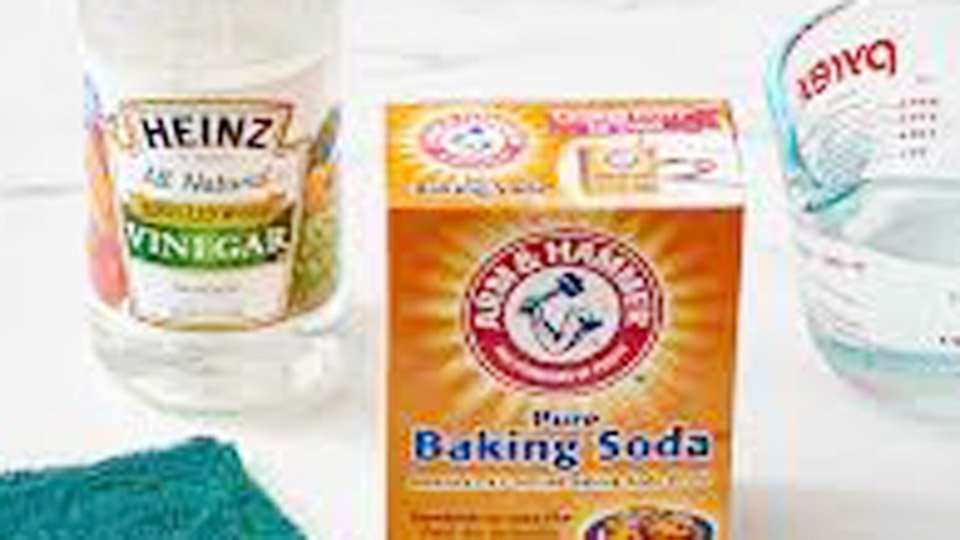
Image by apartmenttherapy
I’ll share what I’ve learned from real-life experience using (and testing) this popular cleaning combo—when it’s useful, when it’s not, and how to do it safely if you give it a try. If you’re curious about mixing these household staples, you’re not alone—and you’re about to get some honest answers.
Hydrogen Peroxide, Baking Soda, and Vinegar
Each of these ingredients is a cleaning superstar on its own, but combining them requires caution. I’ve used all three in my cleaning routine, and here’s what I’ve learned about their properties:
Hydrogen Peroxide: A mild disinfectant that kills bacteria and lifts stains. I keep a bottle for whitening grout and sanitizing cutting boards.
Baking Soda: A gentle abrasive that scrubs grime and neutralizes odors. It’s my go-to for deodorizing fridges and scrubbing pots.
Vinegar: An acidic cleaner that cuts grease and dissolves mineral deposits. I use it for descaling my coffee maker.
The question is whether mixing them creates a super-cleaner or a risky mess. Spoiler: It’s not safe to mix hydrogen peroxide and vinegar in the same container, but baking soda can be used with either under specific conditions.
Why Mixing Hydrogen Peroxide and Vinegar Is Risky
I once thought combining hydrogen peroxide and vinegar would make a powerhouse cleaner, but I was wrong. Mixing these two in the same container creates peracetic acid, a corrosive substance that can irritate your skin, eyes, and lungs. I learned this after feeling a slight burn in my throat while cleaning my bathroom sink. Here’s why it’s a problem:
Chemical Reaction: Hydrogen peroxide and vinegar react to form peracetic acid, which is toxic in high concentrations.
Health Risks: Inhaling fumes can irritate your respiratory system, and contact can burn skin or eyes.
Surface Damage: Peracetic acid can corrode some surfaces, like unsealed stone or metal.
You can use them sequentially (spray one, wipe, then use the other), but never mix them in one solution. Baking soda, however, is safer to combine with either, depending on the cleaning task.
Safe Cleaning Recipes with Hydrogen Peroxide and Baking Soda
I’ve found that hydrogen peroxide and baking soda make a fantastic duo for many cleaning jobs. This combo is non-toxic, affordable, and effective for stains and grime. Here are my favorite recipes.
Grout Cleaning Paste
This paste saved my bathroom tiles from years of dirt. It’s gentle but powerful for whitening grout.
Supplies Needed
| Supply | Purpose | Alternative |
|---|---|---|
| Hydrogen peroxide (3%) | Disinfects, whitens | N/A |
| Baking soda | Abrasive scrub | Washing soda |
| Dish soap | Cuts grease | Castile soap |
| Spray bottle | Applies solution | Bowl and cloth |
| Toothbrush | Scrubs grout | Grout brush |
| Microfiber cloth | Wipes residue | Cotton cloth |
How to Do It
- Mix 1/2 cup baking soda, 1/4 cup hydrogen peroxide, and 1 teaspoon dish soap in a bowl to form a paste.
- Apply the paste to grout lines with a toothbrush.
- Let it sit for 10 minutes to loosen dirt.
- Scrub gently with the toothbrush in circular motions.
- Wipe away the paste with a damp microfiber cloth.
- Rinse with water and dry with a clean cloth.
Time Estimate
This takes 15–20 minutes for a small bathroom.
Pro Tip
Work in small sections to avoid drying out the paste. I do one wall at a time in my shower.
Dos and Don’ts
Do:
- Use a soft toothbrush to avoid scratching tiles.
- Ventilate the area to reduce fumes.
- Rinse thoroughly to remove residue.
- Test on a hidden spot first.
Don’ts:
- Use on colored grout; it may lighten it.
- Leave the paste on too long; it can dry and stick.
- Mix in a closed container; gas buildup can cause pressure.
Baking Sheet Cleaner
I revived my greasy baking sheets with this method after a holiday cooking marathon.
Supplies Needed
| Supply | Purpose | Alternative |
|---|---|---|
| Hydrogen peroxide (3%) | Lifts grease | N/A |
| Baking soda | Scrubs grime | Washing soda |
| Sponge | Applies paste | Scrub brush |
| Microfiber cloth | Wipes residue | Paper towels |
How to Do It
- Sprinkle baking soda over the baking sheet to cover it (about 1/8-inch thick).
- Spray hydrogen peroxide until the baking soda is damp but not soupy.
- Let it sit for 8 hours or overnight to loosen grease.
- Scrub with a sponge to remove grime.
- Rinse under hot water and dry with a microfiber cloth.
Time Estimate
Prep takes 5 minutes, plus 8 hours of soaking and 10 minutes of scrubbing.
Pro Tip
For stubborn spots, add a drop of dish soap to the sponge. I did this for burnt-on cookie residue.
Dos and Don’ts
Do:
- Let the paste sit long enough to work.
- Use hot water for rinsing to cut grease.
- Dry thoroughly to prevent rust.
Don’ts:
- Use on non-stick surfaces; it may scratch.
- Skip rinsing; residue can affect food taste.
- Use on aluminum pans; it can discolor them.
Using Vinegar and Baking Soda Safely
Vinegar and baking soda are safe to mix, creating a fizzy reaction that’s great for cleaning. I use this combo for drains and light stains, but it’s less effective than hydrogen peroxide for disinfection.
Drain Cleaning Solution
This unclogged my kitchen sink when it was sluggish from grease buildup.
Supplies Needed
| Supply | Purpose | Alternative |
|---|---|---|
| White vinegar | Dissolves grease | Lemon juice |
| Baking soda | Fizzes to loosen debris | Washing soda |
| Boiling water | Flushes drain | Hot tap water |
| Funnel | Directs ingredients | Measuring cup |
How to Do It
- Pour 1/2 cup baking soda into the drain using a funnel.
- Slowly pour 1 cup white vinegar into the drain.
- Let it fizz for 15 minutes to break up grime.
- Flush with 1 quart of boiling water.
- Repeat if the drain is still slow.
Time Estimate
This takes 20–25 minutes per drain.
Pro Tip
Use a kettle to pour boiling water safely. I keep an old one just for cleaning tasks.
Dos and Don’ts
Do:
- Use boiling water to maximize effectiveness.
- Cover the drain to trap the fizzing action.
- Repeat for stubborn clogs.
Don’ts:
- Mix in a closed container; gas buildup can cause pressure.
- Use on sensitive pipes (e.g., old PVC); check plumbing first.
- Expect it to clear major blockages; call a plumber for those.
Sequential Cleaning with Hydrogen Peroxide and Vinegar
While you can’t mix hydrogen peroxide and vinegar in one solution, using them one after the other is safe and effective. I use this method to disinfect my cutting boards after prepping raw meat.
Cutting Board Disinfection
This keeps my wooden cutting board germ-free and odor-free.
Supplies Needed
| Supply | Purpose | Alternative |
|---|---|---|
| Hydrogen peroxide (3%) | Disinfects | N/A |
| White vinegar | Kills bacteria | Lemon juice |
| Spray bottle | Applies solution | Bowl and cloth |
| Microfiber cloth | Wipes residue | Paper towels |
How to Do It
- Wash the cutting board with dish soap and water to remove debris.
- Spray hydrogen peroxide over the surface and let it sit for 5 minutes.
- Wipe with a clean microfiber cloth and let it dry completely.
- Spray white vinegar over the surface and let it sit for 5 minutes.
- Wipe again with a damp cloth and dry thoroughly.
Time Estimate
This takes 15–20 minutes, including drying time.
Pro Tip
Alternate the order (vinegar first, then peroxide) for the same effect. I switch it up each time.
Dos and Don’ts
Do:
- Wipe between applications to avoid mixing.
- Use on non-porous surfaces like plastic or sealed wood.
- Dry completely to prevent mold.
Don’ts:
- Spray both at once; it creates peracetic acid.
- Use on unsealed wood; it can soak in and damage.
- Skip drying; moisture breeds bacteria.
Comparison of Cleaning Methods
| Method | Best For | Pros | Cons |
|---|---|---|---|
| Hydrogen Peroxide + Baking Soda | Grout, baking sheets | Whitens, disinfects | Not for delicate surfaces |
| Vinegar + Baking Soda | Drains, light stains | Eco-friendly, fizzy action | Less disinfecting power |
| Hydrogen Peroxide then Vinegar | Cutting boards | Kills germs, safe | Requires two steps |
| Vinegar Alone | Grease, scale | Cheap, edible | Strong smell |
| Hydrogen Peroxide Alone | Disinfection | Non-toxic, effective | Can bleach fabrics |
Surfaces Safe for These Cleaners
- Hydrogen Peroxide + Baking Soda: Safe for tiles, grout, white porcelain, and stainless steel. Avoid on colored fabrics or non-stick surfaces.
- Vinegar + Baking Soda: Safe for drains, stainless steel, and glass. Avoid on natural stone or delicate metals.
- Sequential Hydrogen Peroxide and Vinegar: Safe for cutting boards, countertops, and sealed surfaces. Avoid on unsealed wood or delicate fabrics.
I always test on a hidden spot, like under my sink, to avoid damage.
Safety Precautions for All Methods
- Ventilation: Open windows to avoid inhaling fumes, especially with hydrogen peroxide.
- Gloves: Wear them to protect your skin from irritation.
- No Mixing in Closed Containers: Gas buildup from baking soda and vinegar or hydrogen peroxide can cause pressure.
- Check Surfaces: Test cleaners on a small area to avoid damage.
- Keep Away from Kids and Pets: Store all cleaners securely.
Maintaining Your Cleaning Supplies
I keep my hydrogen peroxide in its original brown bottle to protect it from light, which can weaken it. Baking soda and vinegar store well in airtight containers in a cool, dry place. Check hydrogen peroxide’s effectiveness by pouring a bit into a bowl—if it fizzes, it’s still good.
Common Mistakes to Avoid
I’ve made these errors, so you don’t have to:
- Mixing Hydrogen Peroxide and Vinegar: Creates toxic peracetic acid.
- Using on Delicate Surfaces: Damages wood or stone.
- Skipping Ventilation: Fumes can irritate lungs.
- Overusing Hydrogen Peroxide: Can bleach fabrics or surfaces.
- Ignoring Drying: Leads to mold or residue.
Pro Tips from My Routine
- Label Bottles: Mark spray bottles to avoid mix-ups.
- Use Fresh Ingredients: Old hydrogen peroxide loses potency.
- Work in Small Areas: Prevents cleaners from drying out.
- Store Properly: Keep hydrogen peroxide in a dark bottle.
- Clean Regularly: Prevents buildup, making tasks easier.
When to Call a Professional
For tough stains or plumbing issues beyond vinegar and baking soda, a professional cleaner or plumber can help. I called one when my drain stayed clogged despite my efforts—they used specialized tools to clear it.
Clean Smarter, Not Harder
Knowing whether you can mix hydrogen peroxide with baking soda and vinegar is key to safe, effective cleaning. While hydrogen peroxide and baking soda make a great team for grout and baking sheets, mixing hydrogen peroxide with vinegar in one solution is a no-go due to toxic risks.
Use them sequentially or stick to vinegar and baking soda for fizzy drain cleaning. These methods have kept my home sparkling, and I’m confident they’ll work for you too.
FAQ
Is it safe to mix hydrogen peroxide with baking soda and vinegar for cleaning?
No, you shouldn’t mix hydrogen peroxide with vinegar in the same container—it creates peracetic acid, which can irritate your skin, eyes, and lungs. I learned this after feeling a throat tickle while cleaning my sink. Baking soda is safe to mix with either one separately, like in a grout paste with hydrogen peroxide or a drain cleaner with vinegar. For safe cleaning, use hydrogen peroxide and baking soda together, or vinegar and baking soda, but keep hydrogen peroxide and vinegar apart.
How can I use hydrogen peroxide and baking soda to clean my kitchen?
I mix 1/2 cup baking soda with 1/4 cup hydrogen peroxide and a teaspoon of dish soap to make a paste for kitchen grout or greasy pans. Apply it with a sponge, let it sit for 10 minutes, scrub, and rinse. This worked wonders on my baking sheets after a holiday roast. It’s safe for tiles and stainless steel but test on a hidden spot to avoid damage to delicate surfaces like non-stick coatings.
What’s the best way to clean drains with baking soda and vinegar?
I pour 1/2 cup baking soda into the drain, followed by 1 cup white vinegar, and let it fizz for 15 minutes to loosen grease and debris. Then, I flush it with boiling water. This cleared my sluggish kitchen sink in about 20 minutes. Don’t mix in a closed container, as the gas buildup can cause pressure. For tough clogs, you may need to repeat or call a plumber.
Can I use hydrogen peroxide and vinegar together to disinfect surfaces?
You can use hydrogen peroxide and vinegar to disinfect, but not mixed together. I spray hydrogen peroxide on my cutting board, let it sit for 5 minutes, wipe it dry, then spray vinegar and let it sit for another 5 minutes. This kills germs effectively without creating harmful peracetic acid. Always wipe between applications and dry thoroughly to prevent mold, especially on wooden surfaces.
What are safe alternatives to mixing hydrogen peroxide, baking soda, and vinegar?
For safe alternatives, I use hydrogen peroxide and baking soda paste for whitening grout or cleaning pans, or vinegar and baking soda for drains and light stains. You can also use hydrogen peroxide alone to disinfect countertops or vinegar alone for descaling appliances. These methods are eco-friendly and effective. I keep a spray bottle of each and use them separately to avoid any risky reactions.