Spotting a patch of mold in the bathroom or kitchen and feeling that sinking dread of a big cleanup job. As a homeowner who’s tackled mold on my shower tiles and basement walls, I’ve often wondered, “How long can I leave vinegar on mold overnight?” to get rid of it for good.
Vinegar is my go-to natural cleaner, and I’ve learned through trial and error how to use it safely and effectively. Let’s dive into how vinegar works on mold, how long to leave it, and practical methods to keep your home mold-free, perfect for homeowners, renters, and cleaning enthusiasts across the USA.
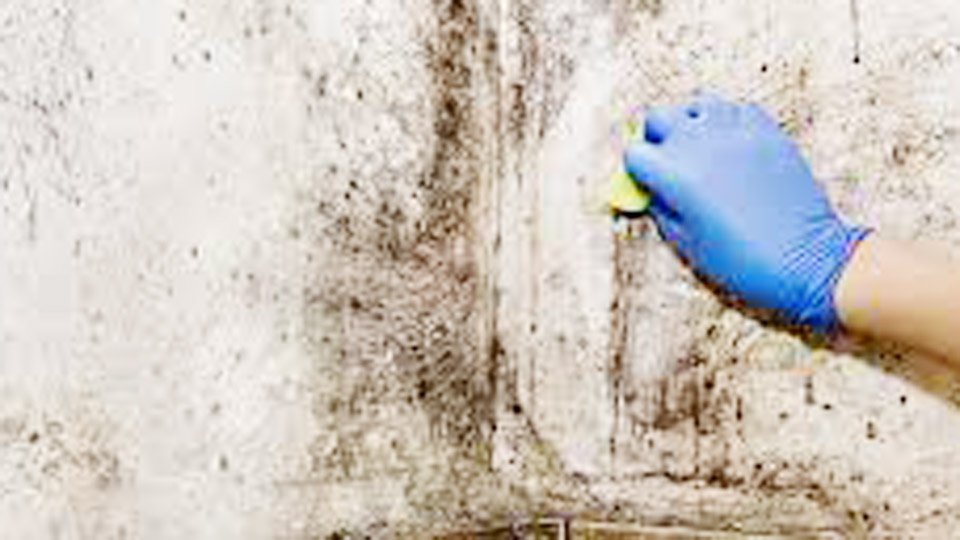
Image by taskrabbit
Why Vinegar Is Great for Mold Removal
Vinegar is a powerhouse for cleaning mold because of its acetic acid, which disrupts mold growth. I started using it years ago when I found black mold in my bathroom grout, and it’s been a game-changer. Here’s why it works:
- Kills Mold Spores: Vinegar can eliminate up to 82% of mold species, including some black mold.
- Penetrates Surfaces: Unlike bleach, it reaches mold roots in porous materials.
- Non-Toxic: Safe for kids and pets when used properly.
- Affordable: A gallon costs under $5 at most stores.
The question of leaving vinegar on mold overnight is common, and I’ve found it’s often the best approach for stubborn spots, but you need to know the right techniques and precautions.
Is It Safe to Leave Vinegar on Mold Overnight?
Yes, leaving vinegar on mold overnight is generally safe and effective, especially for tough infestations. I’ve done this on my bathroom tiles with great results. The acetic acid needs time to penetrate mold spores and kill them at the root.
However, the time you leave it depends on the surface and mold severity. For non-porous surfaces like tile or glass, overnight is ideal. For porous surfaces like drywall or wood, you need to be cautious to avoid damage.
Safety Precautions
- Ventilation: Open windows to avoid inhaling vinegar fumes.
- Protective Gear: Wear gloves, a mask, and goggles to avoid mold spores and skin irritation.
- Surface Check: Test vinegar on a small area to ensure it won’t harm the finish.
- Moisture Control: Dry the area thoroughly after cleaning to prevent new mold growth.
Cleaning Mold with Vinegar on Non-Porous Surfaces
This is my go-to method for bathroom tiles, glass, and metal, where mold often appears. It’s simple and works like a charm.
Supplies Needed
| Supply | Purpose | Alternative |
|---|---|---|
| White vinegar (5–6% acidity) | Kills mold | Cleaning vinegar (6%) |
| Spray bottle | Applies vinegar | Bowl and cloth |
| Scrub brush | Removes mold | Soft sponge |
| Microfiber cloth | Wipes residue | Cotton cloth |
| Gloves, mask, goggles | Protects skin and lungs | N/A |
| Fan | Speeds drying | Open windows |
I use store-brand white vinegar and a basic spray bottle from a dollar store.
How to Do It
- Put on gloves, a mask, and goggles to stay safe.
- Pour undiluted white vinegar into a spray bottle.
- Spray the moldy area generously until fully saturated.
- Let the vinegar sit overnight (8–12 hours) to kill mold spores.
- Scrub the area with a brush to remove loosened mold.
- Wipe clean with a damp microfiber cloth.
- Dry thoroughly with a dry cloth or fan to prevent moisture buildup.
- Spray a light coat of vinegar again and let it air dry to prevent regrowth.
Time Estimate
Prep and application take 10 minutes, plus 8–12 hours of soaking and 10–15 minutes of scrubbing and drying.
Pro Tip
For stubborn mold, reapply vinegar and scrub again the next day. I did this on my shower grout, and it looked brand-new.
Dos and Don’ts
Do:
- Use undiluted vinegar for maximum strength.
- Ventilate the room to reduce fumes.
- Dry the area completely to prevent mold return.
- Test on a hidden spot first.
Don’ts:
- Mix vinegar with bleach; it creates toxic chlorine gas.
- Use on natural stone like marble; it can etch the surface.
- Skip protective gear; mold spores can harm your lungs.
- Leave excess vinegar on sensitive surfaces like wood.
Cleaning Mold on Porous Surfaces with Vinegar and Baking Soda
Porous surfaces like drywall or wood are trickier, but I’ve tackled mold in my basement with this method. Baking soda adds scrubbing power and helps neutralize odors.
Supplies Needed
| Supply | Purpose | Alternative |
|---|---|---|
| White vinegar | Kills mold | Hydrogen peroxide |
| Baking soda | Scrubs and deodorizes | Borax |
| Spray bottle | Applies vinegar | Bowl and cloth |
| Soft brush | Scrubs mold | Sponge |
| Microfiber cloth | Wipes residue | Paper towels |
| Gloves, mask, goggles | Protects from spores | N/A |
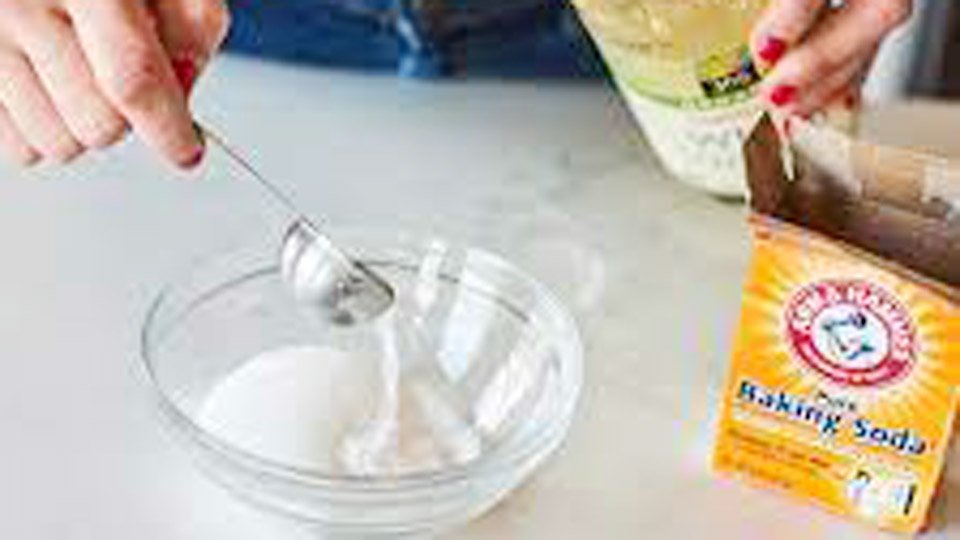
I keep a box of baking soda in my cleaning closet for jobs like this.
How to Do It
- Wear gloves, a mask, and goggles for safety.
- Spray undiluted vinegar on the moldy area and let it sit for 1 hour.
- Mix 1 teaspoon baking soda with 2 cups water in a spray bottle.
- Spray the baking soda solution over the vinegar-treated area.
- Let it sit for 10–15 minutes; it may foam slightly.
- Scrub gently with a soft brush to remove mold and stains.
- Wipe with a damp microfiber cloth to remove residue.
- Dry thoroughly with a fan or dry cloth.
- Spray a light layer of vinegar and let it air dry to prevent regrowth.
Time Estimate
This takes 15 minutes for prep and application, 1 hour of soaking, and 15–20 minutes for scrubbing and drying.
Pro Tip
For deep mold in drywall, cut out and replace the affected area after cleaning. I had to do this in my basement when mold spread too far.
Dos and Don’ts
Do:
- Use a soft brush to avoid damaging surfaces.
- Dry completely to prevent mold regrowth.
- Address moisture sources like leaks to stop mold.
Don’ts:
- Leave vinegar on wood overnight; it can damage the finish.
- Use on unsealed drywall; vinegar can soak too deep.
- Ignore large mold patches; call a professional.
Natural Alternatives to Vinegar for Mold Removal
If vinegar’s smell is too strong or you want other options, I’ve tried these natural alternatives with success.
Hydrogen Peroxide Solution
This is great for disinfecting and whitening moldy surfaces. I used it on my bathroom sink.
Supplies Needed
| Supply | Purpose | Alternative |
|---|---|---|
| Hydrogen peroxide (3%) | Kills mold, whitens | N/A |
| Spray bottle | Applies solution | Bowl and cloth |
| Microfiber cloth | Wipes residue | Paper towels |
| Gloves, mask | Protects from spores | N/A |
How to Do It
- Wear gloves and a mask for safety.
- Pour 3% hydrogen peroxide into a spray bottle.
- Spray the moldy area and let it sit for 10–15 minutes.
- Scrub with a soft brush to remove mold.
- Wipe clean with a damp microfiber cloth.
- Dry thoroughly with a dry cloth or fan.
Time Estimate
This takes 20–25 minutes per area.
Pro Tip
Use hydrogen peroxide for whitening mold stains on white surfaces. It worked wonders on my porcelain sink.
Tea Tree Oil Solution
This has a pleasant scent and strong antifungal properties. I used it in my laundry room.
Supplies Needed
| Supply | Purpose | Alternative |
|---|---|---|
| Tea tree oil | Kills mold | Lemon essential oil |
| Water | Dilutes oil | White vinegar |
| Spray bottle | Applies solution | Bowl and cloth |
| Microfiber cloth | Wipes residue | Cotton cloth |
How to Do It
- Mix 2 teaspoons tea tree oil with 2 cups water in a spray bottle.
- Spray the moldy area and let it sit for 1 hour.
- Scrub with a soft brush if needed.
- Wipe clean with a damp microfiber cloth.
- Dry thoroughly to prevent moisture buildup.
Time Estimate
This takes 15 minutes for prep and application, plus 1 hour of soaking and 10 minutes for cleaning.
Pro Tip
Shake the bottle well before spraying; oil separates from water. I keep a small bottle mixed for quick touch-ups.
Comparison of Mold Cleaning Methods
| Method | Best For | Pros | Cons |
|---|---|---|---|
| Vinegar Overnight | Non-porous surfaces | Kills most molds, affordable | Strong smell |
| Vinegar + Baking Soda | Porous surfaces | Scrubs stains, deodorizes | Not for large areas |
| Hydrogen Peroxide | Whitening, disinfection | Fast-acting, no odor | Less penetration |
| Tea Tree Oil | Small areas, pleasant scent | Strong antifungal | More expensive |
Surfaces Safe for Vinegar
- Safe: Tile, grout, glass, stainless steel, porcelain, vinyl, sealed wood.
- Avoid: Natural stone (marble, granite), waxed wood, aluminum, cast iron, unsealed drywall.
I always test on a hidden spot, like behind my fridge, to avoid damage.
Preventing Mold Regrowth
Cleaning mold is only half the battle; preventing it is key. I learned this after mold kept returning in my damp basement.
How to Prevent
- Fix leaks in plumbing or roofs immediately.
- Use a dehumidifier to keep humidity below 60%.
- Ventilate bathrooms and kitchens with exhaust fans.
- Clean regularly with vinegar to deter mold spores.
- Inspect hidden areas like under sinks monthly.
Pro Tip
Run a dehumidifier in humid areas like basements. I bought a small one for $40, and it’s kept my floors mold-free.
When to Call a Professional
For mold patches larger than 10 square feet or in HVAC systems, call a professional. I hired one when mold spread in my attic, and they found moisture issues I missed. The EPA suggests professionals for large or toxic mold infestations.
Common Mistakes to Avoid
I’ve made these errors, so you don’t have to:
- Mixing Vinegar with Bleach: Creates toxic chlorine gas.
- Leaving Vinegar on Too Long: Can damage wood or stone.
- Skipping Ventilation: Fumes and spores can irritate lungs.
- Not Drying Properly: Encourages mold regrowth.
- Ignoring Moisture Sources: Mold returns if leaks persist.
Pro Tips from My Experience
- Label Spray Bottles: Avoid mixing up cleaners.
- Use Cleaning Vinegar: 6% acidity is stronger than regular vinegar.
- Work in Small Areas: Prevents vinegar from drying out.
- Check Humidity: A hygrometer helps monitor moisture levels.
- Clean Regularly: Weekly vinegar sprays prevent mold buildup.
A Mold-Free Home with Vinegar
Leaving vinegar on mold overnight is a safe, effective way to tackle stubborn patches, especially on non-porous surfaces like tiles or glass. With the right techniques, like my vinegar and baking soda method for porous surfaces, you can keep your home clean and healthy.
These methods have worked wonders in my bathroom and basement, and I’m confident they’ll help you too. Grab a bottle of vinegar, follow my steps, and enjoy a fresher, mold-free home!
FAQ
How long should vinegar sit on mold to kill it effectively?
Leaving vinegar on mold overnight, about 8–12 hours, is ideal for killing most mold spores, especially on tiles or glass. I spray undiluted white vinegar on my shower grout and let it sit overnight for tough spots. For lighter mold, 1–2 hours works, but overnight ensures deep penetration. Always scrub and dry thoroughly afterward to prevent regrowth, and ventilate the area to avoid fumes.
Can I leave vinegar on moldy wood surfaces overnight?
You can leave vinegar on moldy wood for a short time, like 1–2 hours, but overnight can damage the finish. I tried this on a sealed wooden shelf and wiped it after an hour to avoid dulling. Spray undiluted vinegar, let it sit, scrub gently, and dry completely. For unsealed wood, use sparingly and consider professional help for deep mold.
Is it safe to use vinegar on all moldy surfaces overnight?
Vinegar is safe for non-porous surfaces like tile, glass, or stainless steel when left on mold overnight. I use it on my bathroom tiles with no issues. Avoid leaving it on natural stone, waxed wood, or aluminum, as the acidity can cause damage. Test on a hidden spot first, and never mix with bleach to avoid toxic fumes.
What’s the best vinegar to use for mold removal?
I use white distilled vinegar with 5–6% acidity for mold cleaning, as it’s strong enough to kill spores without leaving residue. Cleaning vinegar, at 6% acidity, is even better for tough mold. I buy store-brand gallons for under $5. Avoid apple cider vinegar; its sugar content can encourage mold growth. Always use undiluted for best results.
Are there alternatives to leaving vinegar on mold overnight?
Yes, hydrogen peroxide or tea tree oil are great alternatives. I spray 3% hydrogen peroxide on my sink mold, let it sit for 15 minutes, and scrub. For a pleasant scent, mix 2 teaspoons tea tree oil with 2 cups water, spray, and let sit for an hour. Both kill mold effectively, but vinegar is cheaper and more accessible for most jobs.