As a homeowner who’s tackled everything from pet stains to burnt pots, I’ve found that knowing how to use white vinegar and baking soda for cleaning is a game-changer. These pantry staples are affordable, non-toxic, and powerful when used right.
Whether you’re a renter, homeowner, or cleaning enthusiast in the USA, I’m sharing my tried-and-true methods, like we’re chatting over a lemonade in my backyard, to help you clean smarter.
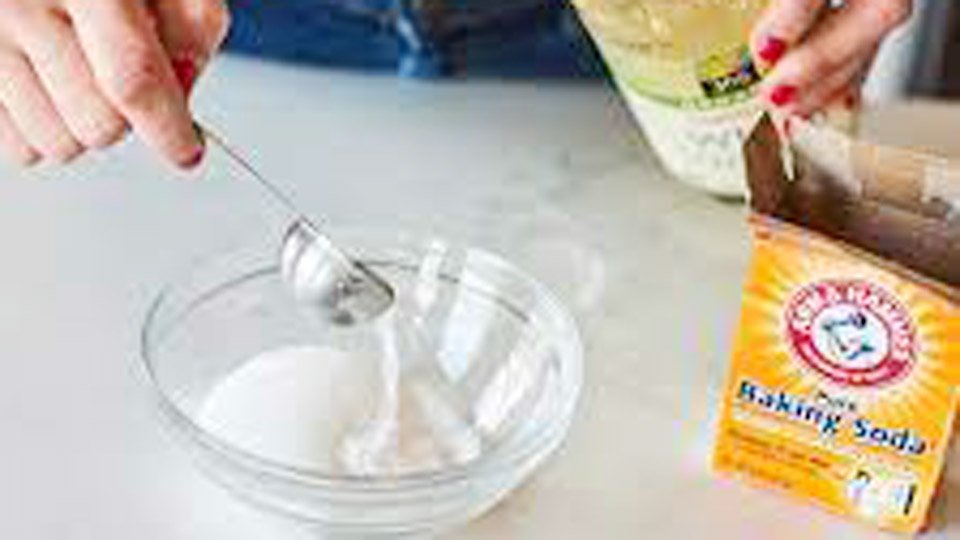
Image by apartmenttherapy
Why White Vinegar and Baking Soda Work So Well
White vinegar’s acetic acid cuts through grease and dissolves mineral deposits, while baking soda’s mild abrasiveness scrubs away grime and deodorizes. Together, they create a fizzy reaction that loosens stuck-on messes. I first discovered this combo when my kitchen sink smelled funky after a week of dishes.
A quick vinegar and baking soda treatment fixed it in minutes! These ingredients cost about $1–$3 each and are safe for kids and pets when used properly. Let’s dive into how I use them around the house.
Cleaning Drains with Vinegar and Baking Soda
Clogged or smelly drains are a headache, but this duo works wonders. My garbage disposal once reeked from leftover food, and this method saved the day.
Supplies Needed
| Supply | Purpose | Alternative |
|---|---|---|
| White vinegar | Dissolves grime | Cleaning vinegar |
| Baking soda | Deodorizes, scrubs | Borax |
| Boiling water | Flushes debris | Hot tap water |
| Microfiber cloth | Wipes sink | Soft sponge |
I use store-brand vinegar and baking soda, both under $2.
How to Clean
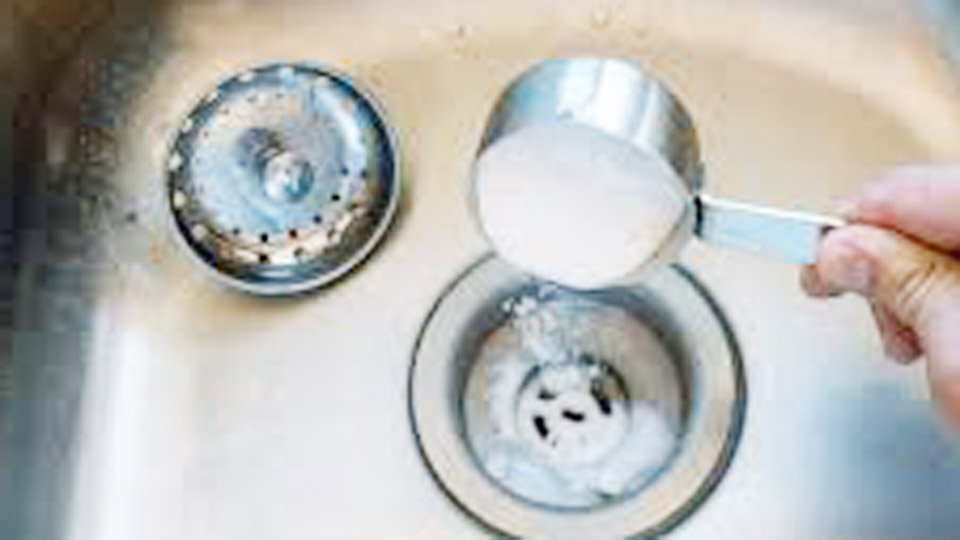
- Pour ½ cup baking soda down the drain.
- Follow with 1 cup white vinegar; it’ll fizz immediately.
- Cover the drain with a plug or cloth to keep the reaction below.
- Let it sit for 10–15 minutes.
- Flush with a pot of boiling water.
- Wipe the sink with a damp microfiber cloth.
Time Estimate
Cleaning takes 15–20 minutes, including boiling water.
Pro Tip
Do this monthly to prevent odors. I set a calendar reminder to stay on top of it.
Dos and Don’ts
Do:
- Use boiling water to maximize results.
- Clean drains regularly to avoid clogs.
- Ventilate the area to disperse vinegar fumes.
Don’ts:
- Use on old pipes without checking material (PVC is safe, but old metal may not be).
- Mix with bleach; it creates toxic fumes.
- Skip the boiling water; it flushes debris.
Best Uses
- Kitchen sink drains
- Garbage disposals
- Bathroom sink drains
- Shower drains
Tackling Bathroom Soap Scum
Soap scum on shower tiles is tough, but vinegar and baking soda make it easy. My shower looked brand-new after this trick.
Supplies Needed
| Supply | Purpose | Alternative |
|---|---|---|
| White vinegar | Breaks down scum | Cleaning vinegar |
| Baking soda | Scrubs grime | Borax |
| Spray bottle | Applies vinegar | Bowl and cloth |
| Nylon brush | Scrubs tiles | Old toothbrush |
| Microfiber cloth | Wipes residue | Soft sponge |
I use a $2 spray bottle from a dollar store.
How to Clean
- Sprinkle baking soda on tiles or grout.
- Spray white vinegar over the baking soda; it’ll bubble.
- Let it sit for 5–10 minutes to loosen scum.
- Scrub with a nylon brush in circular motions.
- Rinse with warm water.
- Wipe dry with a microfiber cloth.
Time Estimate
Cleaning a shower takes 15–20 minutes.
Pro Tip
Use a squeegee after showers to prevent scum buildup. I keep one in my bathroom for quick swipes.
Dos and Don’ts
Do:
- Use on ceramic or porcelain tiles.
- Rinse thoroughly to avoid residue.
- Ventilate to clear fumes.
Don’ts:
- Use on natural stone like marble; vinegar etches it.
- Mix in a closed container; pressure builds up.
- Skip rinsing; residue dulls tiles.
Best Uses
- Shower tiles and grout
- Bathtub rings
- Bathroom sinks
- Glass shower doors
Cleaning Kitchen Grease
Greasy stovetops and pans are no match for this combo. I used it to save a pan after burning onions.
Supplies Needed
| Supply | Purpose | Alternative |
|---|---|---|
| White vinegar | Cuts grease | Lemon juice |
| Baking soda | Scrubs residue | Borax |
| Dish soap | Enhances cleaning | Castile soap |
| Soft sponge | Scrubs safely | Microfiber cloth |
| Warm water | Rinses residue | Hot tap water |
I use a plant-based dish soap, about $3.
How to Clean
- Sprinkle baking soda on the greasy surface.
- Add a few drops of dish soap and a splash of vinegar.
- Let it fizz for 5 minutes.
- Scrub with a soft sponge in circular motions.
- Rinse with warm water.
- Dry with a microfiber cloth.
Time Estimate
Cleaning a stovetop or pan takes 10–15 minutes.
Pro Tip
For burnt pans, simmer vinegar and water first, then add baking soda. I saved a $50 pan this way.
Dos and Don’ts
Do:
- Use on stovetops, pans, or range hoods.
- Test on stainless steel first.
- Rinse soap thoroughly to avoid film.
Don’ts:
- Use on aluminum; vinegar causes pitting.
- Overuse soap; it leaves streaks.
- Skip rinsing; residue builds up.
Best Uses
- Stovetops and range hoods
- Oven doors
- Greasy pots and pans
- Kitchen tiles
Deodorizing Carpets and Pet Beds
Pet odors on carpets or beds can linger, but vinegar and baking soda freshen them up. My dog’s bed smells clean after this.
Supplies Needed
| Supply | Purpose | Alternative |
|---|---|---|
| White vinegar | Neutralizes odors | Lemon juice |
| Baking soda | Absorbs smells | Cornstarch |
| Spray bottle | Applies vinegar | Bowl and cloth |
| Vacuum | Removes residue | Brush |
I use a vacuum I already own and a $1 spray bottle.
How to Clean
- Sprinkle baking soda liberally on the carpet or pet bed.
- Spray a 1:1 vinegar-water mix lightly over it.
- Let it sit for 10–20 minutes.
- Vacuum thoroughly to remove residue.
- Air out the area to dry completely.
Time Estimate
Cleaning a small area takes 20–30 minutes, including drying.
Pro Tip
Test on a hidden carpet area to avoid fading. I check under furniture first.
Dos and Don’ts
Do:
- Use on synthetic carpets or fabrics.
- Vacuum thoroughly to remove baking soda.
- Open windows to speed drying.
Don’ts:
- Use on delicate fabrics like silk.
- Over-spray; it can overwet carpets.
- Skip vacuuming; residue attracts dirt.
Best Uses
- Synthetic carpets
- Pet beds
- Upholstery
- Car interiors
Cleaning Coffee Mugs and Glassware
Stained coffee mugs drive me nuts, but this method makes them sparkle again.
Supplies Needed
| Supply | Purpose | Alternative |
|---|---|---|
| White vinegar | Removes stains | Lemon juice |
| Baking soda | Scrubs residue | Salt |
| Dish soap | Cleans thoroughly | Castile soap |
| Soft sponge | Prevents scratches | Microfiber cloth |
How to Clean
- Sprinkle 1 tablespoon baking soda inside the mug.
- Add a splash of vinegar; it’ll fizz.
- Scrub with a soft sponge.
- Fill the mug with 1:1 hot water and vinegar.
- Let it soak for 10 minutes.
- Wash with dish soap and rinse.
Time Estimate
Cleaning a mug takes 10–15 minutes.
Pro Tip
For tough stains, use a denture tablet after the soak. I keep a pack handy for stubborn marks.
Dos and Don’ts
Do:
- Use on ceramic or glass mugs.
- Rinse thoroughly to remove soap.
- Soak for stubborn stains.
Don’ts:
- Use on delicate patterns; baking soda may scratch.
- Soak plastic mugs; scratches harbor bacteria.
- Skip rinsing; residue affects taste.
Best Uses
- Coffee and tea mugs
- Glassware
- Stainless steel tumblers
- Ceramic dishes
Surface Compatibility Chart
| Surface | Safe to Use | Avoid |
|---|---|---|
| Ceramic Tiles | Vinegar, baking soda | None |
| Glass | Vinegar, baking soda | None |
| Stainless Steel | Vinegar (test first) | Baking soda (may scratch) |
| Synthetic Carpets | Vinegar, baking soda | Delicate fabrics |
| Natural Stone | None | Vinegar (etches) |
| Aluminum | None | Vinegar (pits) |
| Hardwood | None | Vinegar (strips finish) |
Safety Precautions
- Ventilation: Open windows to clear vinegar fumes.
- Gloves: Wear gloves to protect skin during frequent use.
- Storage: Label containers and store away from kids and pets.
- Mixing: Never mix vinegar with bleach or ammonia; it creates toxic gases.
- Timing: Use the mix while fizzing for maximum effect; it’s less effective after bubbles stop.
Maintaining Your Cleaning Supplies
I keep my cleaning routine smooth with these habits:
- Label spray bottles clearly.
- Clean nozzles weekly to prevent clogs.
- Store vinegar and baking soda in cool, dry places.
- Make small batches to ensure freshness.
Preventing Household Messes
To reduce cleaning time, I do these daily:
- Wipe counters with a damp cloth.
- Vacuum high-traffic areas weekly.
- Use doormats to trap dirt.
- Clean spills immediately to prevent stains.
When to Use Store-Bought Cleaners
For heavy mold or oven grease, I use commercial cleaners. I keep a degreaser for my grill but rely on vinegar and baking soda for most tasks.
Common Mistakes I’ve Made
Avoid these slip-ups from my experience:
- Using on Stone: Etched a friend’s granite counter.
- Mixing with Bleach: Caused fumes that stung my eyes.
- Over-wetting Carpets: Took hours to dry.
- Not Testing: Faded a rug corner.
- Storing Mixes: Lost fizz and effectiveness.
Pro Tips from My Cleaning Journey
- Work Fast: Use the fizzing reaction immediately for best results.
- Microfiber Cloths: Prevent streaks and lint.
- Test First: Always try on a small area.
- Ventilate: Keeps the air fresh.
- Small Batches: Mix only what you need.
Comparison of Cleaning Methods
| Task | Best For | Time | Tools Needed |
|---|---|---|---|
| Drains | Odors, minor clogs | 15–20 min | Baking soda, vinegar, boiling water |
| Bathroom Scum | Tiles, grout | 15–20 min | Spray bottle, brush, cloth |
| Kitchen Grease | Stovetops, pans | 10–15 min | Sponge, dish soap, cloth |
| Carpets | Odors, pet stains | 20–30 min | Spray bottle, vacuum |
| Mugs | Coffee stains | 10–15 min | Sponge, dish soap |
Conclusion: Clean Naturally with Confidence
Using white vinegar and baking soda for cleaning has transformed my home, saving me money and keeping things non-toxic. From smelly drains to stained mugs, these simple ingredients tackle messes with ease. Whether you’re a busy homeowner, a renter, or a cleaning enthusiast, you can make your space sparkle with these methods. Grab some vinegar, baking soda, and a spray bottle, and give it a try—you’ll love how easy and effective it is!
FAQ
How do I clean my kitchen sink with white vinegar and baking soda?
To clean a kitchen sink, sprinkle ½ cup baking soda over the surface, focusing on greasy or stained areas. Spray white vinegar over it until it fizzes. Let it sit for 5 minutes, then scrub with a soft sponge.
Rinse with warm water and dry with a microfiber cloth. I do this weekly to keep my sink fresh. Avoid using on aluminum sinks, as vinegar can pit the metal. For extra shine, wipe with a drop of dish soap afterward.
Can I use vinegar and baking soda to clean bathroom grout?
Yes, this combo is great for bathroom grout. Make a paste with ¼ cup baking soda and a splash of water. Spread it on grout lines, then spray with white vinegar. Let it fizz for 5–10 minutes, scrub with an old toothbrush, and rinse with warm water.
I use this on my shower grout monthly, and it stays bright. Don’t use on marble or granite grout, as vinegar damages stone. Dry thoroughly to prevent mildew.
Is it safe to clean pet stains with vinegar and baking soda?
Absolutely, it’s pet-safe and effective for synthetic carpets or pet beds. Sprinkle baking soda on the stain, then spray a 1:1 vinegar-water mix. Let it sit for 10 minutes, then vacuum or blot with a cloth.
I used this on my dog’s bed, and the odor vanished. Test on a hidden area first to avoid fading. Don’t over-wet, as it slows drying. Keep pets away until dry to avoid irritation.
How do I clean my oven with vinegar and baking soda?
Spread a paste of ½ cup baking soda and water on oven surfaces, avoiding heating elements. Let it sit for 8 hours. Spray white vinegar over the paste to fizz, then scrub with a damp sponge.
Wipe clean with water and dry. I did this after a lasagna spill, and it worked perfectly. Don’t use on self-cleaning ovens without checking the manual. Ventilate well to clear fumes, and rinse thoroughly.
Can vinegar and baking soda remove coffee stains from mugs?
Yes, they’re perfect for coffee stains. Sprinkle 1 tablespoon baking soda in the mug, add a splash of vinegar, and scrub with a sponge. For stubborn stains, soak with 1:1 hot water and vinegar for 10 minutes, then wash with dish soap.
I use this on my daily coffee mug, and it sparkles. Avoid delicate patterns, as baking soda can scratch. Rinse well to ensure no residue affects taste.