Spilling red wine during a dinner party or finding muddy paw prints across the carpet after a rainy day. I still recall the panic when my dog tracked dirt all over my living room rug, and I didn’t have any store-bought cleaner on hand. That’s when I learned how to make DIY carpet cleaner, and it saved my carpet and my wallet.
As someone who’s tackled countless stains in my home and helped friends clean theirs, I’m excited to share my tried-and-true recipes. This guide will show you how to whip up effective, budget-friendly carpet cleaners using pantry staples, perfect for homeowners, renters, and cleaning enthusiasts across the USA. Let’s dive in, like we’re chatting over coffee, and get your carpets sparkling clean.
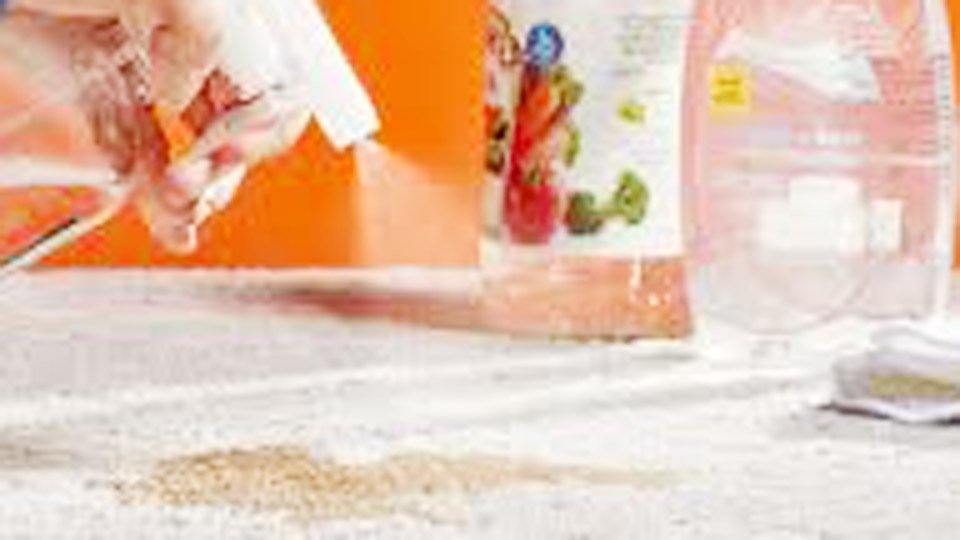
Image by rd
Why DIY Carpet Cleaners Are a Game-Changer
Store-bought carpet cleaners can be pricey and packed with chemicals that might not sit well with kids, pets, or allergies. I’ve found that homemade solutions are just as effective for most stains, cost pennies to make, and let you control what touches your floors.
Whether it’s coffee, pet accidents, or everyday dirt, these DIY recipes tackle messes while keeping your home safe and fresh. Plus, they’re eco-friendly, which is a big win for anyone wanting a cleaner planet. Let’s start with the supplies you’ll need to create your own carpet-cleaning magic.
Supplies You’ll Need
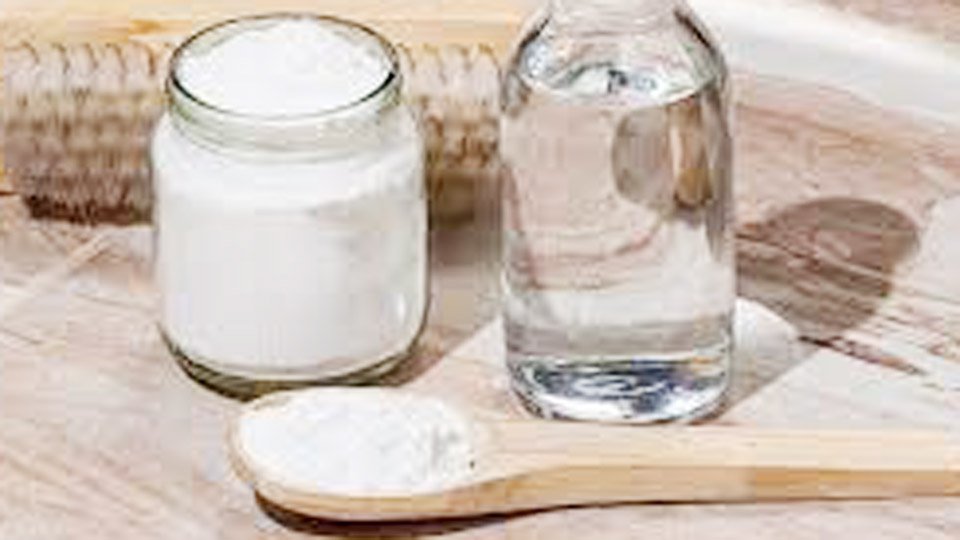
Here’s what I keep in my cleaning caddy for DIY carpet cleaner recipes. Most are likely in your pantry or bathroom already:
| Item | Purpose |
|---|---|
| White distilled vinegar | Breaks down stains and deodorizes |
| Baking soda | Lifts dirt, odors, and light stains |
| Mild dish soap | Cuts through grease and sticky residue |
| Hydrogen peroxide (3%) | Tackles tough stains like wine or blood |
| Spray bottle | Applies liquid solutions evenly |
| Microfiber cloths | Blots stains without leaving lint |
| Old toothbrush | Scrubs small areas |
| Essential oils (optional) | Adds fragrance and antibacterial properties |
| Small bowl | Mixes cleaning solutions |
| Vacuum cleaner | Removes loose dirt and residue |
Safety Note: Always test DIY solutions on a small, hidden area of your carpet to check for color fading. Wear gloves if handling hydrogen peroxide or if you’re sensitive to vinegar. Ventilate the room to avoid strong smells, especially with vinegar-based cleaners.
Understanding Carpet Types
Not all carpets are created equal, and knowing your carpet type helps you choose the right cleaner. Here’s what I’ve learned from cleaning various carpets:
- Nylon/Polyester: Durable and stain-resistant, these handle most DIY cleaners well.
- Wool: Delicate and sensitive to moisture; use minimal liquid and avoid alkaline cleaners like baking soda.
- Olefin: Oil-resistant but can trap water-based stains; vinegar-based solutions work best.
- Natural Fibers (Sisal, Jute): Avoid wet cleaners; stick to dry methods like baking soda powder.
If you’re unsure about your carpet type, check the manufacturer’s tag or test a small area. Most USA homes have synthetic carpets, which are safe for the recipes below, but caution is key with wool or natural fibers.
Basic DIY Carpet Cleaner for General Stains
This is my go-to recipe for everyday messes like juice, coffee, or dirt. It’s simple, effective, and safe for most synthetic carpets.
How to Make and Use:
- Mix 1 cup warm water, 1/2 cup white vinegar, and 1 teaspoon mild dish soap in a spray bottle.
- Vacuum the stained area to remove loose dirt.
- Spray the solution lightly over the stain.
- Let it sit for 5–10 minutes to loosen the mess.
- Blot with a microfiber cloth, working from the outside in to avoid spreading.
- Rinse by blotting with a damp cloth dipped in plain water.
- Dry with a clean towel and let air dry completely.
- Vacuum once dry to restore carpet texture.
Time Estimate: 15–20 minutes active time, plus 1–2 hours for drying.
Do:
- Blot gently to protect carpet fibers.
- Use a fan to speed drying and prevent mold.
Don’t:
- Pour solution directly onto the carpet—it can soak the padding.
- Use on wool carpets without testing, as vinegar can be too acidic.
Pro Tip: Keep a spray bottle of this mix ready for quick spill cleanups—it’s a lifesaver for busy households.
Heavy-Duty DIY Carpet Cleaner for Tough Stains
For stubborn stains like wine, blood, or grease, this recipe is my secret weapon. I used it to save my carpet after a party left red wine splotches everywhere.
How to Make and Use:
- Sprinkle baking soda over the stain to cover it completely.
- Mix 1/4 cup hydrogen peroxide (3%) with 1 teaspoon dish soap in a spray bottle.
- Spray the solution over the baking soda—it’ll fizz, helping lift the stain.
- Let it sit for 10–15 minutes.
- Scrub gently with an old toothbrush for extra stubborn spots.
- Blot with a microfiber cloth until the stain lifts.
- Rinse by blotting with a damp cloth.
- Dry with a towel and vacuum once fully dry.
Time Estimate: 20–25 minutes active time, plus 2–3 hours for drying.
Do:
- Test hydrogen peroxide on dark carpets—it can lighten colors.
- Work in a well-ventilated area.
Don’t:
- Mix hydrogen peroxide with vinegar; it creates a toxic substance called peracetic acid.
- Use on delicate fabrics like silk or wool.
For red wine, dab with club soda before applying the cleaner—it helps lift the color faster.
Odor-Eliminating DIY Carpet Cleaner for Pet Stains
Pet stains are tricky—they leave both marks and smells. I learned this recipe when my cat had an accident on my rug, and it worked wonders.
How to Make and Use:
- Blot fresh stains with old towels to absorb as much liquid as possible.
- Sprinkle a thick layer of baking soda over the area.
- Mix 1 cup warm water, 1 cup vinegar, and 5 drops of tea tree or lavender essential oil in a spray bottle.
- Spray the solution over the baking soda and let it sit for 10 minutes.
- Blot with a microfiber cloth until dry.
- For lingering odors, sprinkle more baking soda, let it sit overnight, and vacuum.
- If the stain persists, apply an enzyme-based pet cleaner after blotting, following the product’s instructions.
Time Estimate: 20–30 minutes active time, plus overnight for odor absorption if needed.
Do:
- Use enzyme cleaners for pet urine—they break down odor-causing proteins.
- Ventilate to help the carpet dry.
Don’t:
- Rub the stain—it pushes it deeper into the fibers.
- Skip drying; damp carpets can get musty.
Place a bowl of activated charcoal near the carpet for a day to absorb any remaining pet odors.
Dry DIY Carpet Cleaner for Delicate Carpets
For wool or natural fiber carpets, I use a dry cleaner to avoid water damage. This is also great for quick refreshes between deep cleans.
How to Make and Use:
- Mix 1 cup baking soda with 10 drops of essential oil (like lavender or lemon) in a shaker bottle.
- Sprinkle evenly over the carpet or stained area.
- Let it sit for 1–2 hours to absorb odors and light dirt.
- Vacuum slowly with the upholstery attachment to remove all powder.
- Repeat for stubborn odors, letting it sit longer (up to 4 hours).
Time Estimate: 10 minutes active time, plus 1–2 hours waiting.
Do:
- Use on dry carpets only to avoid clumping.
- Vacuum thoroughly to prevent residue buildup.
Don’t:
- Use on wet carpets—it can make the powder hard to remove.
- Overuse essential oils; they can leave a strong scent.
Store the baking soda mix in a sealed container to keep it fresh for multiple uses.
Whole-Room DIY Carpet Freshener
For high-traffic areas or a full-room refresh, this recipe keeps your carpet clean and smelling great. I do this in my living room every few months.
How to Make and Use:
- Vacuum the entire carpet to remove dirt and debris.
- Mix 2 cups baking soda with 20 drops of essential oil in a large shaker.
- Sprinkle evenly across the carpet.
- Let it sit for 1–2 hours to absorb odors.
- Vacuum thoroughly, going over each area twice.
- For light stains, spot-treat with the basic DIY cleaner recipe before vacuuming.
Time Estimate: 20–30 minutes active time, plus 1–2 hours waiting.
Do:
- Work in small sections for even coverage.
- Use a high-suction vacuum for best results.
Don’t:
- Skip vacuuming first—dirt can mix with the powder.
- Use on damp carpets; it can clump.
Add a few drops of eucalyptus oil for a refreshing scent and natural antibacterial boost.
Choosing the Right DIY Cleaner for Your Stain
Here’s a quick guide to match recipes to common carpet stains:
| Stain Type | Best DIY Cleaner | Key Ingredients |
|---|---|---|
| Food/Drink (juice, coffee) | Basic cleaner | Vinegar, dish soap, water |
| Wine/Blood | Heavy-duty cleaner | Hydrogen peroxide, dish soap, baking soda |
| Pet urine | Odor-eliminating cleaner | Vinegar, baking soda, essential oil |
| Grease/Oil | Heavy-duty cleaner | Hydrogen peroxide, dish soap, baking soda |
| Delicate carpets | Dry cleaner | Baking soda, essential oil |
Safety Precautions and Common Mistakes
DIY carpet cleaners are safe, but avoid these pitfalls:
- Test First: Always test solutions on a hidden area to avoid discoloration.
- Don’t Over-Wet: Excess liquid can lead to mold in the carpet padding. Use sprays or damp cloths.
- Avoid Mixing Hazards: Never combine hydrogen peroxide and vinegar in the same solution—it’s toxic.
- Ventilate: Open windows to prevent vinegar smells from lingering.
- Check Carpet Type: Wool and natural fibers need dry or minimal-liquid cleaners.
Maintaining Your Carpet
Regular care prevents stains from becoming permanent. Here’s my routine:
- Vacuum weekly to remove dirt and pet hair.
- Spot-clean spills immediately with the basic cleaner.
- Refresh high-traffic areas monthly with the dry cleaner.
- Use a carpet protector spray (safe for your carpet type) to repel future stains.
Time Estimate: 10–15 minutes weekly, 30 minutes monthly.
Place doormats at entrances and enforce a no-shoes rule to keep dirt off your carpet.
My Experience with DIY Carpet Cleaners
I’ve been making DIY carpet cleaners ever since a spilled glass of wine threatened my light-colored carpet during a game night. Store-bought cleaners were out of reach, but vinegar and baking soda saved the day.
I’ve used these recipes to tackle pet messes, kid spills, and muddy footprints. They’re affordable, safe, and make you feel like a cleaning wizard. I’ve even shared them with neighbors who were amazed at the results. You don’t need fancy products—just a few household items and a little know-how.
Conclusion
Making your own DIY carpet cleaner is easier than you think, and the results are just as good as store-bought solutions—without the hefty price tag or harsh chemicals. Whether you’re dealing with a fresh spill or a set-in pet stain, these recipes—tested through years of cleaning—will bring your carpet back to life.
FAQ
Can I Use DIY Carpet Cleaner on All Carpet Types?
Homemade carpet cleaners work great on most synthetic carpets like nylon or polyester. I use a mix of vinegar, water, and dish soap for general stains on my nylon rug, and it’s a breeze.
For wool or natural fibers, stick to dry cleaners like baking soda with essential oils to avoid damage. Always test on a hidden spot first, especially with dark or delicate carpets, to ensure no fading or texture changes.
How Do I Get Pet Odors Out with a Homemade Carpet Cleaner?
For pet odors, I sprinkle baking soda over the stain, then spray a mix of 1 cup water, 1 cup vinegar, and a few drops of tea tree oil. Let it sit for 10 minutes, blot, and leave more baking soda overnight before vacuuming. It’s worked wonders on my cat’s accidents. For tough smells, follow with an enzyme cleaner to break down odor-causing proteins.
Is Hydrogen Peroxide Safe in DIY Carpet Cleaning Solutions?
Hydrogen peroxide (3%) is fantastic for tough stains like wine or blood in homemade cleaners. I mix it with dish soap and baking soda for red wine spills, and it lifts stains fast. Test it on dark carpets first, as it can lighten colors. Don’t mix it with vinegar, and use it sparingly on delicate fabrics like wool to avoid damage.
How Often Should I Use DIY Carpet Cleaner?
I spot-clean stains with a DIY solution as soon as they happen—usually vinegar and dish soap for quick fixes. For a full refresh, I use a dry baking soda cleaner monthly on high-traffic areas. Deep clean with a liquid DIY cleaner every 3–6 months, depending on use. Regular vacuuming and quick spill cleanups keep your carpet looking fresh longer.
Can I Use DIY Carpet Cleaner in a Carpet Cleaning Machine?
Some DIY cleaners work in carpet machines, like a mix of 1/4 cup vinegar, 1 tablespoon dish soap, and warm water. I’ve used it in my Bissell with no issues. Check your machine’s manual first, and avoid baking soda or hydrogen peroxide in machines, as they can clog or damage parts. Always use the right ratio to prevent residue buildup.