Every time I walk into my kitchen, I can’t help but admire my granite countertops. Their glossy shine and natural patterns make the space feel both elegant and inviting. But as a busy mom and homeowner, I’ve learned that keeping them spotless isn’t just about aesthetics—it’s about hygiene, safety, and protecting a big investment.
If you’re wondering how to clean kitchen granite countertops effectively, safely, and affordably, you’re in the right place. I’ve been through the trial and error of spilled coffee, sticky kid fingerprints, and grease splatters, and I’m excited to share practical solutions that work for homeowners, renters, parents, and cleaning enthusiasts like me.
A clean kitchen is the heart of a healthy home. Granite countertops, while durable, are porous and can harbor bacteria or stains if not cared for properly. For families, this means keeping surfaces safe for food prep. For renters, it’s about maintaining a space you don’t own without risking damage. And for cleaning enthusiasts, it’s about that satisfying sparkle.
I’ll walk you through easy, budget-friendly methods to clean, disinfect, and maintain your granite countertops, with tips tailored to the American household. Let’s dive in and make those counters shine!
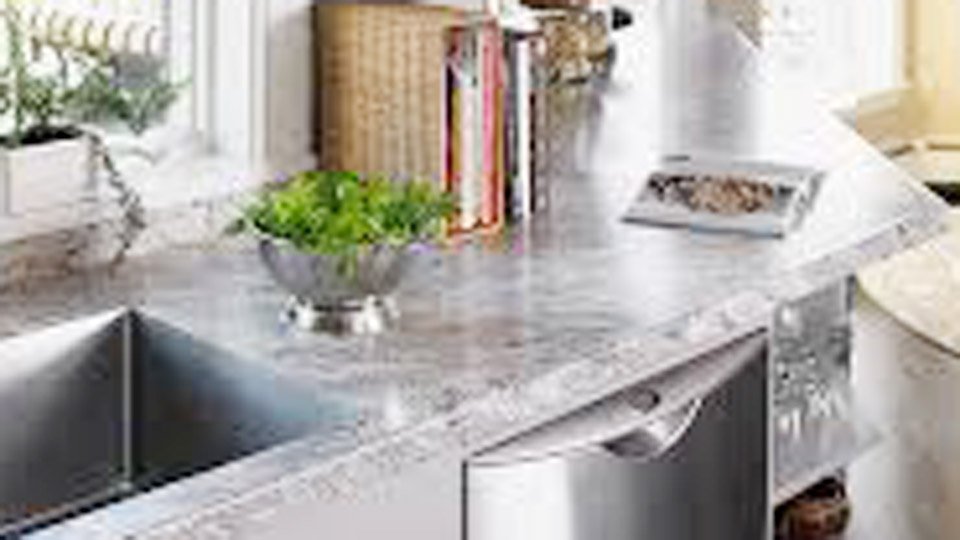
Image by homedepot
Why Granite Countertops Need Special Care
Granite is a natural stone, prized for its durability and beauty, but it’s not invincible. Its porous nature means it can absorb liquids like oil or wine if not properly sealed, leading to stains or bacterial growth.
I learned this the hard way when a spilled glass of red wine left a faint mark on my unsealed countertop years ago. Regular cleaning and maintenance are key to keeping granite looking pristine and hygienic, especially in busy kitchens where spills are inevitable.
Granite’s Unique Properties
Granite is made of minerals like quartz and mica, giving it that stunning, speckled look. But its porous surface can soak up spills, and acidic substances like vinegar or lemon juice can etch or dull the finish.
A good sealant helps, but it wears off over time, so cleaning methods must be gentle yet effective to avoid damaging the stone or its protective layer.
Health and Hygiene Concerns
Kitchens are high-traffic areas, especially in homes with kids or pets. Raw meat juices, spilled milk, or sticky syrup can leave behind bacteria or odors if not cleaned properly.
For parents, ensuring a safe food prep surface is a priority. Renters may face the added challenge of maintaining countertops without knowing their sealing history. Safe cleaning methods keep your family healthy and your counters intact.
Daily Cleaning for Sparkling Granite Countertops
Daily cleaning is the foundation of keeping your granite countertops looking great. I do a quick wipe-down every evening after dinner, and it makes a huge difference. Here’s how to do it safely and effectively.
Simple Soap and Water Method
This is my go-to for daily maintenance because it’s gentle and uses items I already have at home.
Step 1: Mix a few drops of mild dish soap (like Dawn) with warm water in a spray bottle or bowl. Avoid soaps with citrus extracts, as they’re too acidic for granite.
Step 2: Spray or dip a soft microfiber cloth into the solution and wipe the countertop, focusing on areas with crumbs or spills.
Step 3: Rinse the cloth with clean water and wipe again to remove any soap residue.
Step 4: Dry thoroughly with a clean microfiber cloth to prevent water spots or streaking.
Tip: I keep a dedicated microfiber cloth in my kitchen drawer for this task. They’re affordable (about $10 for a pack at Target) and absorb water better than regular rags.
Disinfecting Without Damage
To kill germs, especially after handling raw meat, you need a disinfectant that won’t harm granite.
- Step 1: Mix 1 part 70% isopropyl alcohol with 1 part water in a spray bottle.
- Step 2: Lightly mist the countertop and let it sit for 3–5 minutes to kill bacteria.
- Step 3: Wipe with a damp microfiber cloth, then dry with a clean one.
Safety Warning: Never use bleach, vinegar, or ammonia-based cleaners like Windex. These can strip the sealant or etch the stone, causing permanent damage. I made this mistake early on and noticed dull spots on my counter—lesson learned!
Tackling Tough Stains on Granite
Spills happen, especially in a busy kitchen. Whether it’s oil from cooking or juice from a kid’s cup, here’s how to remove stains without harming your granite.
Oil-Based Stains (Grease, Butter)
Oil stains are common in kitchens, and I’ve dealt with my fair share from frying bacon.
Step 1: Blot the stain with a paper towel to absorb excess oil. Don’t rub, as it spreads the stain.
Step 2: Mix baking soda with a small amount of water to form a thick paste.
Step 3: Spread the paste over the stain, cover with plastic wrap, and let it sit for 24 hours.
Step 4: Wipe away the paste with a damp cloth, rinse thoroughly, and dry with a microfiber cloth.
Tip: For stubborn stains, repeat the process or add a few drops of hydrogen peroxide to the paste.
Organic Stains (Wine, Coffee)
Red wine spills are my nightmare, but this method has saved my counters more than once.
- Step 1: Blot the spill immediately to prevent it from setting.
- Step 2: Make a paste with baking soda and hydrogen peroxide (3% strength).
- Step 3: Apply the paste to the stain, cover with plastic wrap, and let it sit for 12–24 hours.
- Step 4: Wipe clean with a damp cloth, rinse, and dry.
Safety Warning: Test hydrogen peroxide on a small, hidden area first, as it can lighten some granite colors.
Etch Marks from Acidic Spills
Acidic spills like lemon juice or tomato sauce can leave dull spots called etch marks.
- Step 1: Wet the area with water and sprinkle granite polishing powder (available at hardware stores for about $15).
- Step 2: Buff gently with a soft cloth until the mark fades.
- Step 3: Rinse thoroughly and dry. Reseal the area if needed.
If the etching is severe, call a professional to sand and reseal the surface. I had to do this once after a vinegar spill—costly, but it restored the shine.
Sealing Your Granite Countertops
Sealing is critical to protect granite from stains and damage. I check my counters every six months to ensure they’re sealed.
How to Test If Your Countertops Need Sealing
- Step 1: Drip a few drops of water onto the countertop.
- Step 2: Wait 5–10 minutes. If the water beads up, the seal is intact. If it absorbs and leaves a dark spot, it’s time to reseal.
Applying a Granite Sealer
- Step 1: Clean the countertop thoroughly with soap and water, then dry completely.
- Step 2: Spray or spread a granite-specific sealer (like Granite Gold, about $20 at Home Depot) evenly across the surface.
- Step 3: Let it sit for 5–15 minutes (follow product instructions), then wipe off excess with a clean cloth.
- Step 4: Apply a second coat the next day for extra protection.
Tip: I set a reminder to reseal every 6–12 months, depending on how much my kitchen gets used. Heavy-use kitchens may need sealing more often.
Tools and Products for Granite Cleaning
Here’s a quick guide to the tools and products I rely on. They’re affordable and easy to find at stores like Walmart or Amazon.
| Tool/Product | Use | Where to Find |
|---|---|---|
| Microfiber Cloths | Daily cleaning and drying | Target, Costco |
| Mild Dish Soap (e.g., Dawn) | Safe daily cleaning | Grocery stores |
| 70% Isopropyl Alcohol | Disinfecting | Drugstores, Walmart |
| Baking Soda | Stain removal | Grocery stores |
| Granite Polishing Powder | Removing etch marks | Hardware stores |
| Granite Sealer | Protecting the surface | Home Depot, Lowe’s |
Safety Note: Always read product labels to ensure they’re granite-safe. Avoid all-purpose cleaners with acids or harsh chemicals.
Preventing Damage to Granite Countertops
Prevention is easier than fixing stains or scratches. Here are habits I’ve adopted to keep my counters in top shape.
Wipe Spills Immediately: Clean up wine, oil, or acidic spills right away to prevent staining or etching.
Use Coasters and Trivets: Place glasses and hot pans on coasters or trivets to avoid marks.
Avoid Abrasive Tools: Skip steel wool or rough scrubbers, which can scratch granite. Stick to soft cloths or non-scratch sponges like Scotch-Brite.
Regular Maintenance: Clean daily and reseal as needed to maintain the protective barrier.
I started using coasters after noticing faint rings from my morning coffee mug. It’s a small habit that saves a lot of hassle.
Real-Life Cleaning Scenarios
Every household is different, so here’s how to apply these tips in common situations:
Busy Family Kitchen: With kids spilling juice or leaving crumbs, do a daily soap-and-water wipe-down and disinfect with alcohol weekly. Use a drain screen to catch food debris near the sink.
Rental Apartment: If you’re unsure about the countertop’s sealing status, stick to mild soap and water. Avoid harsh cleaners to prevent damage that could affect your deposit.
Cooking Enthusiast: If you’re always prepping meals, clean up oil or sauce spills immediately and reseal every 6 months to handle heavy use.
Pet Owners: Cats jumping on counters can leave paw prints or knock over drinks. Wipe daily with soap and water and disinfect with alcohol to keep surfaces sanitary.
Dos and Don’ts for Granite Countertop Care
| Do | Don’t |
|---|---|
| Use mild dish soap and water for daily cleaning | Use bleach, vinegar, or lemon-based cleaners |
| Dry thoroughly to prevent water spots | Leave spills sitting on the counter |
| Test cleaners on a small area first | Use abrasive scrubbers like steel wool |
| Reseal every 6–12 months | Place hot pans directly on granite |
Motivational Conclusion
Cleaning your kitchen granite countertops doesn’t have to be a chore. With simple, safe, and affordable methods like soap and water, baking soda pastes, and occasional sealing, you can keep your counters sparkling and hygienic. I love how these tips have made my kitchen a safer, more inviting space for my family, and I’m confident they’ll work for you too.
Whether you’re a busy parent, a renter on a budget, or a cleaning enthusiast chasing that perfect shine, these techniques are easy to fit into your routine. Start with a quick daily wipe-down, tackle stains as they happen, and enjoy the peace of mind that comes with a clean, beautiful kitchen.
Frequently Asked Questions
Can I Use Vinegar to Clean Granite Countertops?
No, vinegar is too acidic and can etch or dull granite surfaces. Stick to mild dish soap and water or a granite-specific cleaner for safe cleaning.
How Often Should I Seal My Granite Countertops?
Test your counters every 6 months by dripping water on the surface. If it absorbs, reseal with a granite-safe sealer. Heavy-use kitchens may need sealing every 6 months, while others can go up to a year.
Is It Safe to Use Bleach on Granite?
Avoid bleach, as it can damage the sealant and potentially etch the stone. Use 70% isopropyl alcohol diluted with water for safe disinfecting.
How Do I Remove Hard Water Stains from Granite?
Make a paste with baking soda and water, apply it to the stain, cover with plastic wrap, and let it sit for 24 hours. Wipe clean and dry thoroughly.
What’s the Best Cloth for Cleaning Granite?
Microfiber cloths are ideal because they’re soft, non-abrasive, and highly absorbent, preventing streaks and scratches.