Last month, I stumbled across an old wooden dresser at a thrift store for just $20. It had potential, but the dark, dated varnish screamed for a refresh. As a renter and DIY enthusiast, I’m always looking for affordable ways to spruce up my space, and I’d heard about a quirky trend: how to refinish furniture with oven cleaner.
I was skeptical—oven cleaner on furniture? But after trying it, I was amazed at how this budget-friendly method revealed a gorgeous, raw wood look. Whether you’re a homeowner, renter, parent, or cleaning enthusiast, refinishing furniture can breathe new life into your home while saving money and reducing waste.
Refinishing furniture isn’t just about aesthetics—it’s about creating a healthy, sustainable living space. Old finishes can harbor dust or odors, and refreshing them keeps your home clean and safe for kids or pets. For renters, it’s a way to personalize furniture without breaking the bank or risking damage to leased items.
I’ll share my step-by-step process for using oven cleaner to refinish furniture, safety tips, and practical advice tailored for busy American households. Let’s transform that tired piece into a showstopper!
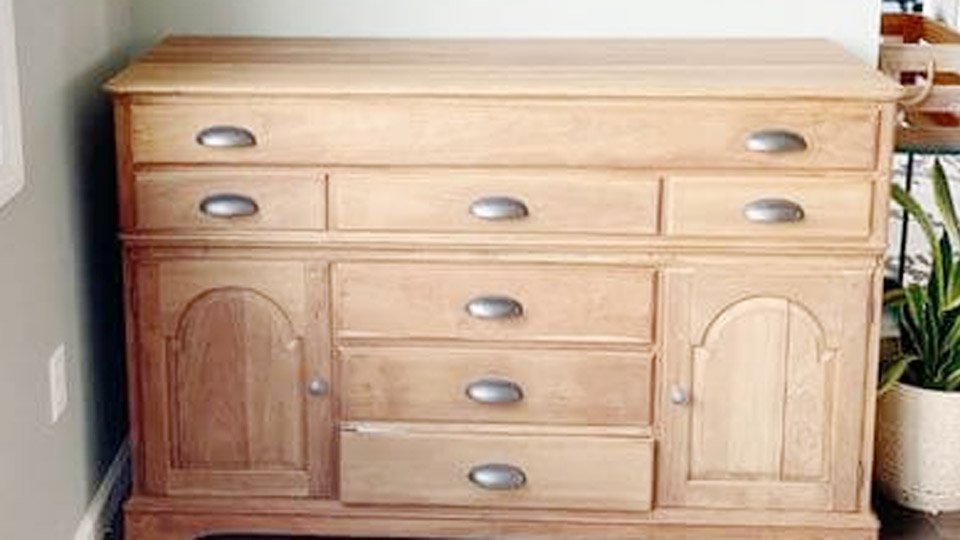
Image by arayofsunlight
Why Refinish Furniture with Oven Cleaner?
Refinishing furniture can feel daunting, but using oven cleaner simplifies the process. It’s fast, affordable, and perfect for solid wood pieces, giving them a natural, bleached look. I love how it strips away years of varnish without hours of sanding. This method is ideal for DIYers on a budget or those with intricate furniture that’s hard to sand.
Benefits for Your Home
A freshly refinished piece can elevate your living space, making it feel cleaner and more inviting. Stripping old finishes removes trapped dust or allergens, improving air quality—key for families with kids or allergies. Plus, refinishing thrift store finds is eco-friendly, reducing waste and saving money compared to buying new furniture.
Why Oven Cleaner Works
Oven cleaners, like Easy-Off, contain powerful chemicals like sodium hydroxide that break down grease and stains. These same properties dissolve varnish and some stains on wood, revealing the natural grain. I was shocked at how well it worked on my dresser’s carved details, which would’ve been a nightmare to sand.
Safety Warning: Oven cleaners are caustic and can cause skin or respiratory irritation. Always work in a well-ventilated area, wear protective gear, and keep kids and pets away.
Is Your Furniture Suitable for Oven Cleaner?
Not all furniture is a good candidate for this method. Here’s how I decide if a piece is right for refinishing with oven cleaner.
Check the Material
- Solid Wood: Best for oven cleaner. Oak, pine, or maple work well, as seen with my thrift store dresser.
- Veneer: Avoid this method. The cleaner can damage the thin wood layer or glue, causing bubbling or warping.
- Laminate or MDF: Skip it. These materials won’t strip properly and may disintegrate.
Tip: Test a small, hidden area to confirm the wood type. I scratched the underside of my dresser to ensure it was solid wood before starting.
Assess the Finish
Oven cleaner effectively removes varnish, polyurethane, and some oil-based stains but struggles with paint or shellac. If your piece has multiple layers, you may need to combine methods. My dresser had a thick varnish, which the oven cleaner tackled beautifully, but a painted chair I tried required a different stripper.
Consider the Piece’s Value
For antiques or heirlooms, consult a professional before using oven cleaner. The harsh chemicals can dry out wood or alter its patina, reducing value. My dresser was a cheap find, so I felt comfortable experimenting.
Step-by-Step Guide to Refinishing Furniture with Oven Cleaner
Here’s the process I used to refinish my dresser. It’s straightforward but requires patience and safety precautions.
Gather Your Supplies
You’ll need:
- Easy-Off Oven Cleaner (blue can preferred; about $5 at Walmart)
- Chemical-resistant gloves, safety goggles, and a mask
- Scrub brush or wire brush (gentle to avoid scratching)
- Dish soap (like Dawn) and a bucket of warm water
- Garden hose or pressure washer
- Tarp or plastic sheet
- Sandpaper (220–320 grit)
- Optional: Polyurethane or wax for sealing
Tip: I bought a cheap tarp at Dollar General to protect my driveway from runoff.
Prepare Your Workspace
- Work outside or in a well-ventilated garage to avoid fumes. I set up in my backyard on a sunny day.
- Lay down a tarp to catch runoff and protect surfaces.
- Remove hardware (knobs, hinges) or tape off non-wood areas like mirrors.
- Wear gloves, goggles, and a mask to protect yourself.
Safety Warning: Oven cleaner can irritate skin, eyes, and lungs. Keep kids and pets away, and never work in an enclosed space.
Apply the Oven Cleaner
- Spray a heavy, even coat of oven cleaner over a small section of the furniture. I started with one side of my dresser to keep it manageable.
- Let it sit for 15–30 minutes. You’ll see the finish bubble or soften.
- Don’t let it dry completely, as it’s harder to remove.
Tip: Work in small areas to ensure even stripping. I did one drawer at a time for better control.
Scrub and Rinse
- Dip a scrub brush in warm, soapy water (Dawn works great) and scrub the treated area. The finish should lift easily.
- Rinse thoroughly with a garden hose until the water runs clear. I used a low-pressure setting to avoid damaging the wood.
- Repeat if needed for stubborn spots. My dresser took two rounds for some thick varnish patches.
Safety Warning: Avoid getting oven cleaner on your skin or in your eyes while scrubbing. Wear goggles and rinse immediately if contact occurs.
Dry and Sand
- Let the furniture dry completely in the sun, which can take 12–24 hours depending on humidity. I left my dresser outside overnight.
- Lightly sand with 220–320 grit sandpaper to smooth rough spots or remove residual finish. This gave my dresser a silky texture.
- Wipe away dust with a damp cloth.
Seal or Finish (Optional)
- For a raw wood look, leave it as is, like I did with my dresser.
- For protection, apply a water-based polyurethane (like Varathane, about $15 at Home Depot) or furniture wax with a cloth.
- Follow product instructions, usually applying 2–3 thin coats and letting each dry fully.
Tip: I used a matte polyurethane for a subtle sheen that protected my dresser from spills without altering its natural look.
Tools and Products for Refinishing Furniture
Here’s a quick guide to the supplies I recommend, all affordable and available at stores like Walmart or Home Depot.
| Tool/Product | Use | Where to Find |
|---|---|---|
| Easy-Off Oven Cleaner (Blue Can) | Strips varnish and stains | Walmart, Dollar General |
| Chemical-Resistant Gloves | Protects hands from caustic chemicals | Hardware stores |
| Safety Goggles and Mask | Shields eyes and lungs | Home Depot, Amazon |
| Scrub Brush or Wire Brush | Removes softened finish | Target, Walmart |
| Dawn Dish Soap | Cleans residue | Grocery stores |
| Sandpaper (220–320 grit) | Smooths wood | Hardware stores |
| Water-Based Polyurethane | Seals and protects | Home Depot, Lowe’s |
Safety Note: Always read product labels and follow safety guidelines. Store oven cleaner out of reach of children.
Real-Life Refinishing Scenarios
Every home and project is different. Here’s how to apply this method in common situations:
Busy Family Home: With kids spilling snacks, use this method on sturdy dining tables or chairs. Seal with polyurethane for durability. I refinished my kitchen table this way, and it’s held up to daily messes.
Rental Apartment: Stick to low-value thrift store finds to avoid damaging leased furniture. I refinished a cheap side table for my apartment without risking my deposit.
Antique Enthusiast: Avoid this method on valuable pieces. For less precious items, like my thrift store dresser, it’s a great way to reveal hidden beauty.
Pet Owners: Pet hair and scratches make furniture look worn. Refinish a pet-damaged chair and seal it to resist future scratches.
Dos and Don’ts for Refinishing with Oven Cleaner
| Do | Don’t |
|---|---|
| Work in a well-ventilated area | Use on veneer, laminate, or antiques |
| Wear protective gear (gloves, goggles, mask) | Let oven cleaner dry completely on wood |
| Test on a small area first | Use on painted surfaces (it’s less effective) |
| Rinse thoroughly until water runs clear | Skip sanding, as it smooths the final result |
Preventing Damage During Refinishing
To keep your furniture and home safe:
- Test First: Always test oven cleaner on a hidden area to avoid surprises.
- Protect Surroundings: Use a tarp to catch runoff, as it can stain driveways or grass.
- Dry Thoroughly: Let the piece dry completely to prevent mold or warping. I check for dampness with a dry cloth.
- Seal High-Traffic Pieces: Apply a protective finish to dining tables or chairs used daily.
I learned the tarp trick after some runoff stained my patio. A $3 tarp would’ve saved me a lot of scrubbing!
When to Avoid Oven Cleaner or Call a Professional
Oven cleaner isn’t a one-size-fits-all solution. Skip it if:
- The piece is veneer, laminate, or a valuable antique.
- You’re dealing with paint or shellac, which may require traditional strippers like Citristrip.
- You’re not comfortable with caustic chemicals.
For complex pieces or persistent finishes, hire a professional. They can use specialized strippers or sanding techniques. I called a pro for an heirloom chair after oven cleaner didn’t fully remove the finish.
Environmental and Health Considerations
Oven cleaner contains harsh chemicals like lye, which can irritate skin, eyes, or lungs and harm the environment if rinsed improperly. I collect runoff in a bucket and dispose of it at a local hazardous waste facility (check your city’s guidelines). Always prioritize safety and consider eco-friendly strippers like Citristrip for indoor projects.
Motivational Conclusion
Refinishing furniture with oven cleaner is a game-changer for anyone looking to refresh their home on a budget. It’s quick, affordable, and reveals the natural beauty of solid wood, making it perfect for homeowners, renters, and DIY enthusiasts. I love how my $20 thrift store dresser now looks like a high-end piece, and I’m confident you can achieve the same results.
Start with a small, low-risk project, follow safety precautions, and enjoy the process of transforming your furniture. You’ll save money, reduce waste, and create a cleaner, more beautiful home.
Frequently Asked Questions
Can Oven Cleaner Remove Paint from Furniture?
Oven cleaner is less effective on paint than varnish or stains. For paint, try a dedicated stripper like Citristrip. Test on a small area first to confirm.
Is It Safe to Use Oven Cleaner on All Wood Furniture?
No, avoid using oven cleaner on veneer, laminate, or valuable antiques, as it can damage the wood or glue. Stick to solid wood pieces for best results.
How Long Does It Take to Refinish Furniture with Oven Cleaner?
The process takes about 1–2 hours of active work, plus 12–24 hours for drying. Multiple rounds may be needed for thick finishes.
Do I Need to Seal Furniture After Using Oven Cleaner?
Sealing is optional but recommended for high-traffic pieces like tables. Use water-based polyurethane or wax for a durable, natural finish.
How Do I Dispose of Oven Cleaner Runoff Safely?
Collect runoff in a bucket and take it to a hazardous waste facility. Avoid rinsing into your yard, as it can harm soil or water.