As a dog mom to a rambunctious golden retriever, I’ve had my share of accidents on our tile floors. The first time I stepped into a puddle and caught that unmistakable whiff, I panicked—how to remove dog urine smell from tile floors became my mission. It’s not just about the odor; lingering urine can harm grout, affect indoor air quality, and even encourage repeat accidents.
For homeowners, renters, parents, and cleaning enthusiasts, a clean, odor-free home is essential for health, comfort, and peace of mind. Whether you’re dealing with a new puppy or an older dog, this guide shares my tried-and-true methods to eliminate dog urine smells safely and affordably, tailored for busy American households.
Pet messes are a reality, but they don’t have to ruin your floors or your mood. Tile floors are durable, but porous grout can trap odors, making thorough cleaning vital. For families with kids or pets, removing urine smells ensures a hygienic space.
Renters need to maintain floors to avoid deposit deductions, and homeowners want to protect their investment. I’ll walk you through step-by-step cleaning techniques, safety tips, and real-life scenarios to keep your tile floors fresh and your home welcoming.
Image by reddit
Why Dog Urine Smell on Tile Floors Is a Big Deal
Dog urine isn’t just water—it contains ammonia, uric acid, and proteins that create stubborn odors. Left untreated, these can seep into grout, making your home smell like a kennel. I learned this when my puppy, Max, had an accident in the kitchen, and the smell lingered despite mopping. Here’s why tackling it matters.
Health and Hygiene Concerns
Urine on floors can harbor bacteria, especially in homes with kids who play on the ground or pets who sniff around. Lingering odors can also affect indoor air quality, which is a concern for allergy sufferers. A clean floor means a safer, healthier home for everyone.
Protecting Your Floors
Porous grout and some ceramic tiles can absorb urine, leading to discoloration or damage over time. For renters, this could mean costly repairs or lost deposits. Homeowners risk long-term damage to their flooring investment. Quick action prevents stains and keeps tiles looking pristine.
Preventing Repeat Accidents
Dogs have an incredible sense of smell—up to 100,000 times stronger than ours. If urine odor remains, your dog may return to the same spot, thinking it’s an acceptable bathroom. I noticed Max kept targeting one corner until I fully neutralized the smell.
Immediate Steps to Clean Fresh Dog Urine
Acting fast is the key to preventing odors and stains. Here’s what I do when I catch Max’s accidents right away.
Blot the Puddle
- Step 1: Grab paper towels or a microfiber cloth and gently blot the urine to absorb as much liquid as possible. Don’t rub, as it pushes urine deeper into grout.
- Step 2: Repeat with fresh towels until the area is mostly dry.
Tip: I keep a stack of old rags in my laundry room for quick cleanups. They’re reusable and eco-friendly.
Safety Warning: Wear gloves to avoid skin contact with urine, especially if you have cuts or sensitive skin.
Neutralize with Vinegar and Water
- Step 1: Mix equal parts white vinegar and warm water in a spray bottle or bowl (e.g., 1 cup each).
- Step 2: Spray or pour the solution over the affected area, ensuring it soaks into the grout.
- Step 3: Let it sit for 10–15 minutes to neutralize ammonia and uric acid.
- Step 4: Blot with paper towels, rinse with clean water, and dry thoroughly with a microfiber cloth.
Tip: I use a cheap spray bottle from Dollar General for easy application. Vinegar’s acidity breaks down urine components effectively.
Safety Warning: Never mix vinegar with bleach or ammonia-based cleaners, as this can create toxic fumes.
Mop and Dry
- Step 1: Mop the area with warm water and a mild dish soap (like Dawn) to remove any residue.
- Step 2: Rinse with clean water to ensure no soap or vinegar remains.
- Step 3: Dry completely with a microfiber cloth or towel to prevent moisture buildup in grout.
Tip: I use a fan to speed up drying, especially in humid weather, to avoid mold.
Tackling Stubborn or Dried Urine Odors
If you miss the accident or the smell lingers, don’t worry—there are effective ways to handle set-in odors. I discovered a dried spot under my kitchen rug that needed extra attention.
Use an Enzymatic Cleaner
Enzymatic cleaners are my go-to for stubborn urine smells. They break down uric acid and proteins at a molecular level.
- Step 1: Choose a pet-safe enzymatic cleaner (like Nature’s Miracle or Rocco & Roxie, about $15–$20 at PetSmart).
- Step 2: Spray the cleaner generously over the affected area, focusing on grout lines.
- Step 3: Let it sit for 10–60 minutes, depending on the product instructions.
- Step 4: Blot with a clean cloth, rinse with water, and dry thoroughly.
Tip: I used Nature’s Miracle on a stubborn spot in my living room, and the smell was gone after one application. Test on a small area first to ensure no discoloration.
Safety Warning: Keep pets and kids away while the cleaner soaks, as some products can irritate if ingested.
Baking Soda and Hydrogen Peroxide Paste
For tough odors, I make a DIY paste that works wonders.
- Step 1: Sprinkle baking soda generously over the area.
- Step 2: Apply a small amount of 3% hydrogen peroxide (about 1/3 cup) with a cloth or spray bottle.
- Step 3: Let it sit for 10–15 minutes, then scrub gently with a soft brush.
- Step 4: Rinse with warm water and dry completely.
Tip: I used this on grout stains in my bathroom, and it lifted both the odor and discoloration.
Safety Warning: Test hydrogen peroxide on a hidden area, as it can lighten some tiles or grout. Never mix with vinegar or bleach.
Baking Soda Overnight Treatment
For lingering odors, baking soda is a budget-friendly fix.
- Step 1: Sprinkle a thin layer of baking soda over the area.
- Step 2: Let it sit overnight (8–12 hours) to absorb odors.
- Step 3: Sweep or vacuum the powder, then mop with warm water and dish soap.
Tip: I keep a box of baking soda (about $1 at Walmart) in my cleaning closet for quick fixes.
Deep Cleaning Tile and Grout
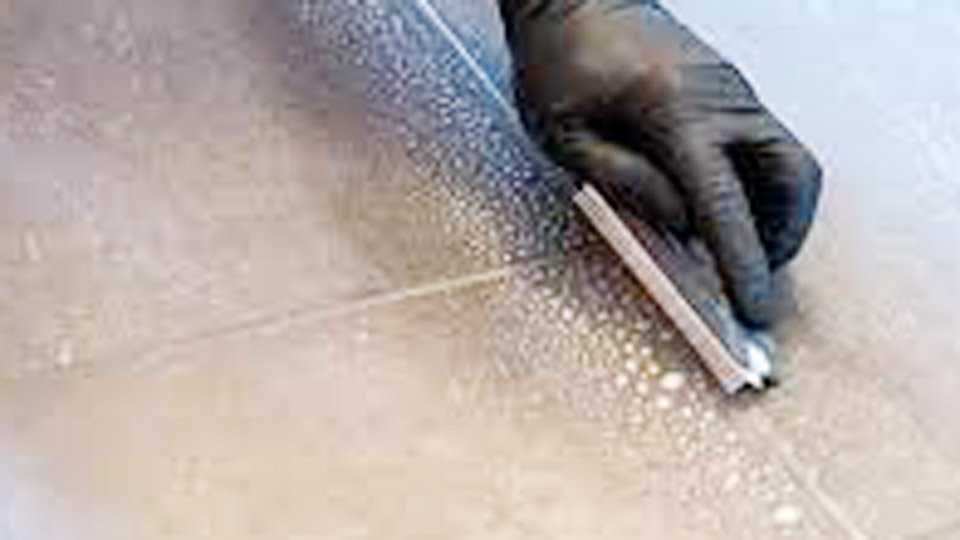
Grout is the trickiest part of tile floors, as it’s porous and traps odors. Here’s how I deep-clean to ensure no trace of urine remains.
Vinegar and Baking Soda Scrub
- Step 1: Mix 1 cup white vinegar with 1 cup warm water and 2 teaspoons baking soda in a spray bottle.
- Step 2: Spray the grout lines and let the solution fizz for 5 minutes.
- Step 3: Scrub with a soft-bristled brush (like an old toothbrush).
- Step 4: Rinse with water and dry with a microfiber cloth.
Tip: I do this monthly in high-traffic areas like my kitchen to keep grout fresh.
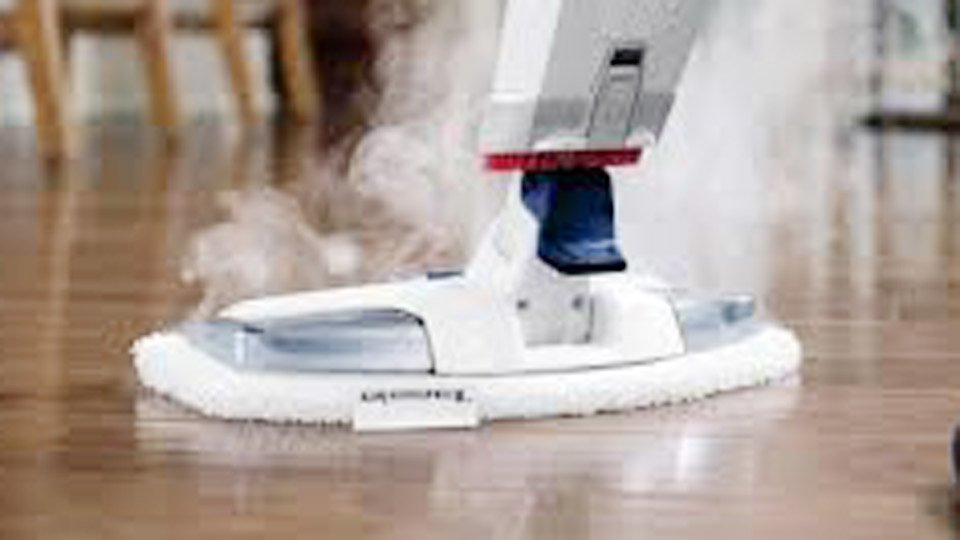
Steam Cleaning for Tough Odors
For persistent smells, I rent a steam cleaner (about $30/day at Home Depot).
- Step 1: Vacuum the floor to remove loose dirt.
- Step 2: Use a low-pressure steam cleaner (310°F is ideal) to blast grout and tile surfaces.
- Step 3: Wipe away residue with a microfiber cloth and dry thoroughly.
Tip: Steam cleaning worked wonders in my entryway, where Max had multiple accidents during potty training.
Safety Warning: Avoid high-pressure steam, as it can loosen grout or damage tiles. Keep pets and kids away during cleaning.
Tools and Products for Cleaning Dog Urine
Here’s a list of my go-to supplies, all affordable and available at stores like Target or Amazon.
| Tool/Product | Use | Where to Find |
|---|---|---|
| Microfiber Cloths | Blotting and drying | Costco, Target |
| White Vinegar | Neutralizing odors | Grocery stores |
| Baking Soda | Absorbing odors | Walmart, Grocery stores |
| Enzymatic Cleaner (e.g., Nature’s Miracle) | Breaking down urine proteins | PetSmart, Amazon |
| Soft-Bristled Brush | Scrubbing grout | Dollar General, Home Depot |
| Spray Bottle | Applying solutions | Dollar General, Walmart |
| Steam Cleaner (Rental) | Deep cleaning grout | Home Depot, Lowe’s |
Safety Note: Always check product labels to ensure they’re pet-safe and suitable for your tile type.
Preventing Dog Urine Accidents
Cleaning is only half the battle—preventing accidents saves time and stress. Here’s what I’ve learned from training Max.
Establish a Potty Routine
- Take your dog out on a consistent schedule (e.g., every 2–4 hours for puppies).
- Reward outdoor urination with treats or praise to reinforce good behavior.
- Watch for signs like sniffing or circling, and redirect to the outdoors.
Tip: I set alarms on my phone to remind me of Max’s potty breaks during his training phase.
Use Pet Deterrent Sprays
Spray pet-safe deterrents (like Bitter Apple, about $10 at Petco) on areas where your dog has peed to discourage repeat accidents.
Seal Grout Regularly
Apply a grout sealer (like Aqua Mix, about $20 at Home Depot) every 1–2 years to make grout less porous and easier to clean.
Tip: I sealed my kitchen grout after Max’s accidents, and cleanups have been much easier since.
Monitor for Medical Issues
Frequent accidents could signal health problems like urinary tract infections. I took Max to the vet when he started peeing indoors unexpectedly, and a quick treatment fixed the issue.
Real-Life Cleaning Scenarios
Every home is different. Here’s how to apply these methods in common situations:
Busy Family Home: With kids and pets, vacuum daily and use enzymatic cleaners for quick odor removal. Keep a spray bottle of vinegar solution handy for accidents.
Rental Apartment: Stick to gentle cleaners like vinegar and baking soda to avoid damaging leased floors. Seal grout to simplify future cleanups.
Pet Owner with Multiple Dogs: Use a blacklight (about $15 on Amazon) to find hidden urine spots. Deep-clean with steam monthly to tackle odors.
Cleaning Enthusiast: Experiment with DIY solutions like baking soda paste for stubborn stains, and maintain a regular cleaning schedule to keep tiles pristine.
Dos and Don’ts for Cleaning Dog Urine from Tile
| Do | Don’t |
|---|---|
| Act quickly to blot urine | Rub or scrub, as it pushes urine into grout |
| Use pet-safe enzymatic cleaners | Use ammonia-based cleaners, as they mimic urine |
| Test cleaners on a hidden area | Mix vinegar, bleach, or hydrogen peroxide |
| Dry floors thoroughly | Use high-pressure steam, which can damage grout |
When to Call a Professional
If odors persist or grout is discolored, a professional cleaner may be needed. They can:
- Use industrial steam cleaners to remove deep-set odors.
- Re-seal or repair damaged grout.
- Address subfloor issues if urine has seeped underneath.
I called a pro when a corner of my living room still smelled after multiple cleanings, and they fixed it with specialized equipment.
Tip: Check local services like The Grout Medic for tile-specific cleaning.
Motivational Conclusion
Dealing with dog urine on tile floors can feel overwhelming, but with the right techniques, you can keep your home fresh and clean. Whether you’re using vinegar, enzymatic cleaners, or steam, these methods are safe, affordable, and effective for homeowners, renters, and parents.
I’ve turned Max’s accidents into a manageable part of pet ownership, and my tile floors look and smell better than ever. Start with quick blotting, neutralize odors with vinegar or enzymes, and maintain a routine to prevent future messes. Your home will be a welcoming, odor-free space for your family and furry friends—you’ve got this!
Frequently Asked Questions
Can I Use Bleach to Remove Dog Urine Smell from Tile Floors?
Use a diluted bleach solution (1 part bleach to 10 parts water) only after blotting urine and rinsing thoroughly. Test on a hidden area, as bleach can discolor grout. Rinse and dry completely.
How Do I Find Hidden Urine Spots on Tile Floors?
Use a blacklight (available for $15 on Amazon) to detect urine stains, which fluoresce under UV light. Mark spots with chalk and clean with an enzymatic cleaner.
Is Vinegar Safe for All Tile Floors?
Vinegar is safe for ceramic and porcelain tiles but test on a small area first, as it can etch natural stone tiles like marble. Always dilute with water and rinse thoroughly.
How Often Should I Deep-Clean Tile Grout?
Deep-clean grout every 3–6 months, or monthly in high-traffic areas, using vinegar or steam. Regular maintenance prevents odor buildup.
What Should I Never Mix with Enzymatic Cleaners?
Never mix enzymatic cleaners with bleach, vinegar, or hydrogen peroxide, as this can deactivate the enzymes or create harmful fumes. Use one cleaner at a time.