I’ll never forget the time I discovered a patch of black mold lurking behind my shower curtain. It was a humid summer in my small Ohio apartment, and that stubborn spot was a wake-up call. Mold isn’t just unsightly—it can affect your health, your home’s air quality, and even your peace of mind.
As a homeowner or renter, you’ve likely wondered, “Does bathroom cleaner kill mold?” I’ve been there, scrubbing away and hoping for the best. The good news? Many bathroom cleaners can tackle mold, but it’s not a one-size-fits-all solution. Let’s dive into what works, what doesn’t, and how to keep your bathroom safe and sparkling.
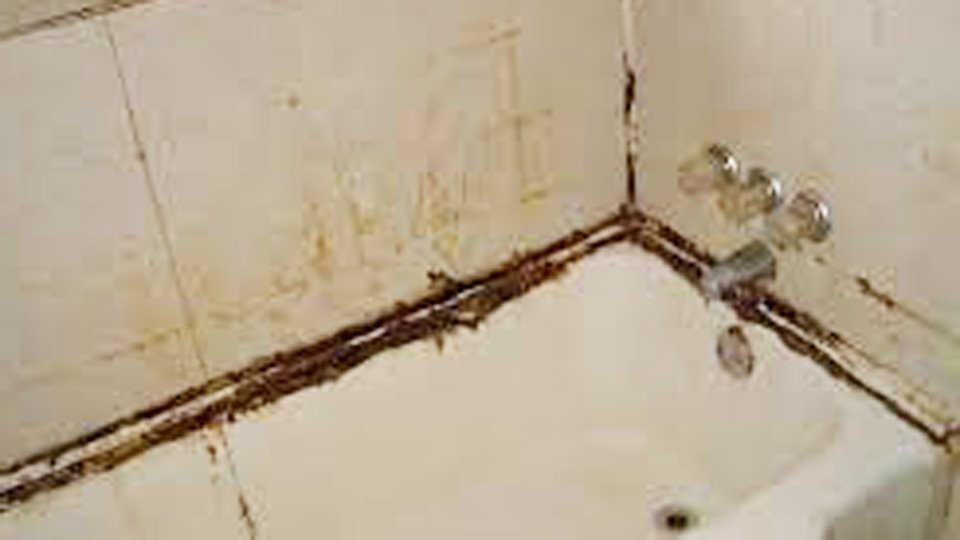
Image by blackmoldcontrol
Mold in the bathroom is a common issue, especially for parents, renters, and cleaning enthusiasts who want a healthy, hygienic space. Whether you’re dealing with a small patch or a more serious growth, this guide will walk you through effective, safe, and affordable ways to tackle mold using bathroom cleaners. I’ll share practical tips, real-world scenarios, and safety advice to help you reclaim your bathroom with confidence.
Why Mold Grows in Bathrooms
Bathrooms are mold’s favorite playground. The combination of moisture, warmth, and poor ventilation creates a perfect storm for mold growth. Think about it: every steamy shower, every drip from a leaky faucet, and every towel left damp on the floor is an invitation for mold to settle in.
As a parent, I worry about my kids breathing in mold spores, which can trigger allergies or respiratory issues. For renters, mold can also mean costly repairs or disputes with landlords if it gets out of hand.
Mold thrives on organic materials like grout, caulk, or even soap scum buildup. It’s not just a cosmetic problem—mold can weaken surfaces over time and create a musty odor that’s hard to ignore. Understanding why mold grows helps us choose the right bathroom cleaners and prevention strategies to stop it in its tracks.
Can Bathroom Cleaners Really Kill Mold?
The short answer is yes, many bathroom cleaners can kill mold, but it depends on the ingredients and how you use them. Not all cleaners are created equal, and some are better suited for surface cleaning than tackling deep-rooted mold. Let’s break down what makes a bathroom cleaner effective against mold.
Most mold-killing cleaners contain active ingredients like bleach (sodium hypochlorite), hydrogen peroxide, or quaternary ammonium compounds. These ingredients disrupt mold at the cellular level, killing it and preventing regrowth when used correctly. However, spraying and wiping alone might not be enough for severe cases, where mold has penetrated porous surfaces like drywall or wood.
In my experience, I’ve found that common household cleaners like Lysol, Clorox, or Tilex can work wonders on small patches of mold on tiles or glass. But for tougher jobs, you might need a specialized mold and mildew remover. Let’s explore the best options and how to use them safely.
Choosing the Right Bathroom Cleaner for Mold
Selecting a cleaner that kills mold effectively is key. Here’s a rundown of popular types of bathroom cleaners and how they stack up against mold.
Bleach-Based Cleaners
Bleach is a go-to for many households because it’s powerful and affordable. Products like Clorox Clean-Up or Tilex Mold and Mildew Remover contain sodium hypochlorite, which kills mold on contact. I’ve used bleach-based sprays on my shower tiles with great results—the mold disappears almost instantly.
How to Use Bleach-Based Cleaners:
- Dilute household bleach (1 cup bleach to 1 gallon of water) or use a ready-to-spray product.
- Spray the affected area and let it sit for 5–10 minutes.
- Scrub with a brush or sponge, then rinse thoroughly.
- Ventilate the area by opening windows or turning on a fan.
Safety Warning: Never mix bleach with ammonia or vinegar, as this creates toxic fumes. Always wear gloves and ensure good ventilation.
Hydrogen Peroxide-Based Cleaners
Hydrogen peroxide is a gentler alternative to bleach, making it ideal for renters or parents who want a less harsh option. Products like OxiClean or CLR Mold & Mildew Stain Remover use hydrogen peroxide to kill mold without the strong fumes of bleach.
How to Use Hydrogen Peroxide:
- Apply a 3% hydrogen peroxide solution (available at drugstores) or a commercial product to the moldy area.
- Let it sit for 10 minutes, then scrub and rinse.
- For stubborn spots, repeat the process or use a stronger concentration (check product labels).
I love hydrogen peroxide for my kids’ bathroom because it’s effective but doesn’t leave a lingering chemical smell. It’s also safe for most surfaces, including colored tiles.
Natural and Eco-Friendly Options
If you’re hesitant about chemicals, natural cleaners like vinegar or baking soda can help with light mold. White vinegar, for instance, has acetic acid that can kill some mold species, though it’s less effective than bleach or peroxide.
How to Use Vinegar:
- Fill a spray bottle with undiluted white vinegar.
- Spray moldy areas and let sit for 1 hour.
- Scrub with a brush and rinse with water.
- Follow up with a mild cleaner to remove any vinegar smell.
I’ve used vinegar on small mold spots in my rental apartment, but for heavy mold, I’d stick with a stronger cleaner. Baking soda can also be mixed with water to create a paste for scrubbing, but it’s better for odor control than killing mold.
Commercial Mold and Mildew Removers
Brands like Zep, Concrobium, and Mold Armor offer specialized formulas designed to tackle mold and prevent regrowth. These are great for busy homeowners who want a one-step solution. I recently tried Zep Mold & Mildew Stain Remover on a stubborn grout stain, and it worked like a charm after just one application.
How to Use Commercial Removers:
- Follow the product instructions (usually spray, wait, and wipe).
- Some products require rinsing, while others are “no-scrub” formulas.
- Check if the cleaner is safe for your bathroom surfaces (e.g., natural stone can be damaged by acidic cleaners).
Checklist for Choosing a Cleaner:
- Contains bleach, hydrogen peroxide, or quaternary ammonium compounds.
- Safe for your bathroom surfaces (check labels).
- EPA-registered for mold and mildew (look for this on commercial products).
- Fits your budget and household needs (e.g., eco-friendly for families with kids).
Step-by-Step Guide to Removing Mold with Bathroom Cleaners
Let’s walk through a practical, real-world scenario for tackling mold in your bathroom. Imagine you’ve spotted black mold on your shower grout—here’s how to handle it.
Step 1: Assess the Mold Situation
Before grabbing a cleaner, check the extent of the mold. Small, surface-level spots on tiles or glass are usually manageable with household cleaners. If the mold covers a large area (more than 10 square feet) or is on porous surfaces like drywall, you may need professional help. In my old apartment, I once found mold spreading under the sink, and a pro was the safest bet.
Step 2: Gather Your Supplies
You’ll need:
- A mold-killing bathroom cleaner (bleach-based, peroxide-based, or commercial).
- A scrub brush or sponge.
- Gloves, safety glasses, and a mask (to avoid inhaling spores).
- A spray bottle (if using a homemade solution).
- A fan or open window for ventilation.
Step 3: Apply the Cleaner
Spray the cleaner generously on the moldy area. For grout, I like to use a small brush to work the cleaner into the crevices. Let it sit for the recommended time (usually 5–10 minutes) to kill the mold spores.
Step 4: Scrub and Rinse
Scrub the area thoroughly to remove mold stains. For tough spots, I’ve found an old toothbrush works wonders on grout. Rinse with water and dry with a clean towel to prevent new mold growth.
Step 5: Check for Regrowth
After a week, inspect the area for mold regrowth. If you see any, repeat the process or try a stronger cleaner. In my experience, consistent cleaning prevents mold from coming back.
Do’s and Don’ts:
- Do ventilate the area to avoid inhaling fumes or spores.
- Do test cleaners on a small area to avoid damaging surfaces.
- Don’t ignore mold on porous surfaces—it may require replacement.
- Don’t mix cleaning products without checking for dangerous reactions.
Preventing Mold in Your Bathroom
Killing mold is only half the battle—preventing it is just as important. After dealing with mold in my bathroom, I made some changes to keep it at bay. Here are practical tips for American households.
Improve Ventilation
Run a bathroom exhaust fan during and after showers for at least 20–30 minutes. If your bathroom doesn’t have a fan, open a window or use a portable fan. I also keep a small dehumidifier in my bathroom during humid months, which has made a huge difference.
Dry Surfaces Regularly
Wipe down tiles, shower curtains, and sinks after use. I keep a squeegee in the shower for quick cleanups—it takes 30 seconds and prevents water buildup. For families with kids, teach them to hang towels to dry instead of leaving them on the floor.
Seal Grout and Caulk
Mold loves to grow in cracked or porous grout. Apply a grout sealer every 6–12 months to protect it. I learned this the hard way when mold kept creeping back into my shower grout—sealing it was a game-changer.
Use Mold-Resistant Products
Consider mold-resistant shower curtains or paint for bathroom walls. These are especially helpful for renters who can’t make major renovations. I switched to a mildew-resistant shower liner, and it’s held up beautifully.
Prevention Table:
| Action | How It Helps | Frequency |
|---|---|---|
| Run exhaust fan | Reduces humidity | During/after showers |
| Wipe down surfaces | Prevents water buildup | Daily |
| Seal grout/caulk | Blocks mold from penetrating | Every 6–12 months |
| Use dehumidifier | Lowers moisture levels | As needed |
When to Call a Professional
While bathroom cleaners can handle most mold issues, some situations require expert help. If you notice mold spreading to walls, ceilings, or under flooring, it’s time to call a professional. Large-scale mold (over 10 square feet) or mold caused by water damage (like a leak) can be hazardous and may require specialized equipment.
I once had a mold issue in a rental bathroom that turned out to be from a hidden pipe leak. A professional mold remediation team not only removed the mold but also fixed the underlying issue, saving me from a bigger headache. If you’re unsure, many companies offer free inspections—worth it for peace of mind.
Signs You Need a Pro:
- Mold covers a large area or keeps returning.
- You smell a persistent musty odor.
- You or your family experience unexplained health issues (e.g., allergies, coughing).
- Water damage is visible (e.g., warped walls or floors).
Safety Tips for Cleaning Mold
Cleaning mold isn’t just about getting rid of it—it’s about doing it safely. Mold spores can irritate your lungs, eyes, and skin, and some cleaners have strong fumes. Here’s how to protect yourself and your family.
Wear Protective Gear: Gloves, a mask, and safety glasses are non-negotiable. I use disposable gloves to avoid touching mold directly.
Ventilate the Area: Open windows or use a fan to disperse fumes and spores. I learned this after feeling lightheaded from bleach fumes early on.
Avoid Mixing Chemicals: Combining bleach with ammonia or vinegar can create toxic gases. Stick to one cleaner at a time.
Keep Kids and Pets Away: Set up a barrier or clean when the house is empty to avoid exposure.
Real-Life Cleaning Scenarios
Let’s look at some common bathroom mold scenarios and how to tackle them with cleaners.
Scenario 1: Mold on Shower Tiles
- Problem: Black spots on grout between ceramic tiles.
- Solution: Use a bleach-based cleaner like Tilex. Spray, let sit for 10 minutes, scrub with a toothbrush, and rinse. Seal the grout afterward to prevent recurrence.
- Tip: Test the cleaner on a small area to ensure it doesn’t discolor your tiles.
Scenario 2: Mold on a Shower Curtain
- Problem: Mildew spots on a fabric or vinyl shower curtain.
- Solution: Spray with a hydrogen peroxide-based cleaner or vinegar. For machine-washable curtains, toss them in the washer with a cup of vinegar and detergent.
- Tip: Replace with a mold-resistant curtain for long-term prevention.
Scenario 3: Mold Under the Sink
- Problem: Musty smell and dark patches under the bathroom sink.
- Solution: Use a commercial mold remover like Zep. If the mold is on drywall or wood, call a professional, as these surfaces are hard to clean thoroughly.
- Tip: Check for leaks, as moisture is often the culprit.
Motivational Conclusion
Dealing with bathroom mold can feel overwhelming, but with the right cleaners and strategies, you can take control and keep your home safe and clean. Whether you’re a busy parent, a renter on a budget, or a cleaning enthusiast, using bathroom cleaners to kill mold is an achievable task.
The satisfaction of a sparkling, mold-free bathroom is worth the effort—it’s not just about aesthetics but about creating a healthy space for you and your loved ones. Start with small steps, like choosing the right cleaner and improving ventilation, and you’ll be amazed at the difference. You’ve got this—your bathroom can be a mold-free oasis in no time!
FAQ
Can Bleach-Based Cleaners Remove Black Mold in the Bathroom?
Yes, bleach-based cleaners like Clorox or Tilex are highly effective at killing black mold on non-porous surfaces like tiles and glass. Spray the cleaner, let it sit for 5–10 minutes, scrub, and rinse. For porous surfaces, bleach may not penetrate deeply enough, so consider a professional for severe cases.
Is It Safe to Use Bleach Cleaners on Ceramic Tiles?
Bleach cleaners are generally safe for ceramic tiles, but test a small area first to avoid discoloration. Avoid using bleach on natural stone or colored grout, as it can cause damage. Always rinse thoroughly and ventilate the area.
What Should I Never Mix with Bleach-Based Cleaners?
Never mix bleach with ammonia, vinegar, or other acidic cleaners, as this can produce toxic fumes. Stick to one cleaner at a time and read product labels carefully to avoid dangerous reactions.
How Often Should I Clean My Bathroom to Prevent Mold?
Clean your bathroom weekly with a mold-killing cleaner and wipe down surfaces daily to prevent moisture buildup. Run an exhaust fan or dehumidifier regularly, especially in humid climates, to keep mold at bay.
Can Vinegar Really Kill Mold, or Is It Just a Myth?
Vinegar can kill some types of mold, thanks to its acetic acid content, but it’s less effective than bleach or hydrogen peroxide. Use undiluted white vinegar for light mold on non-porous surfaces, and let it sit for an hour before scrubbing and rinsing.