I still remember the day I pulled back my shower curtain and spotted those stubborn black streaks creeping along the edges of my bathtub. At first, I thought it was just soap scum, but a closer look revealed it was black mold — the kind that not only ruins the look of your bathroom but can also affect your health if left untreated. Removing black mold from a bathtub isn’t just about making it look clean; it’s a must for maintaining hygiene, preventing unpleasant odors, and stopping mold from spreading to other areas.
I’ve learned a few deep cleaning tricks and eco-friendly solutions that make stain removal easier without harsh chemicals. If you’ve been battling mold and want your bathroom to feel fresh, bright, and safe again, I’ll share my tried-and-true steps to get your tub sparkling — and keep it that way.
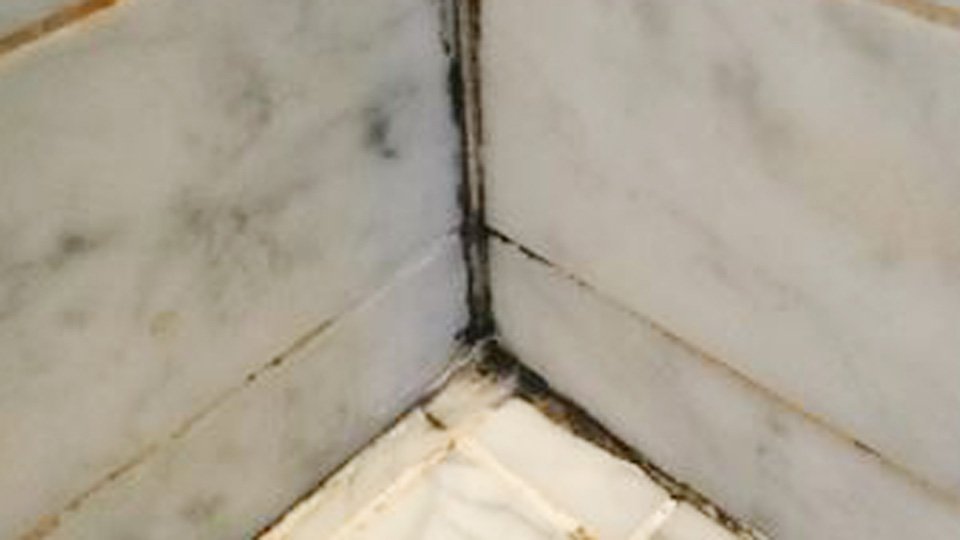
Photos by reddit
I’ll walk you through everything you need to know about removing black mold from your bathtub, from natural remedies to heavy-duty solutions, all tailored for busy American households. Whether you’re a renter, a parent worried about safety, or a cleaning enthusiast looking for budget-friendly tips, I’ve got you covered with practical, step-by-step advice.
Why Black Mold in Your Bathtub Is a Big Deal
Black mold, often Stachybotrys chartarum, isn’t just a cosmetic issue. It thrives in damp, warm places like bathrooms, feeding on moisture and organic material like soap scum. For homeowners and renters, this can mean more than a dirty tub—it can lead to health risks like respiratory issues, allergies, or even skin irritation, especially for kids or anyone with asthma. I’ve seen how quickly mold can turn a relaxing bath into a source of stress, and I’m here to help you avoid that.
Beyond health, mold can damage your bathtub’s caulk, grout, or even the walls behind it, leading to costly repairs. For parents, keeping the bathroom safe is a top priority, and for cleaning enthusiasts, there’s nothing more satisfying than a sparkling, mold-free tub. Let’s explore how to tackle this problem head-on.
What You’ll Need to Get Started
Before you start scrubbing, gather your supplies. Having everything ready makes the process smoother and safer. Here’s what I keep on hand for mold removal:
- Protective Gear: Rubber gloves, safety goggles, and an N95 mask to shield you from mold spores and chemical fumes.
- Cleaning Solutions: White vinegar, baking soda, hydrogen peroxide (3% solution), or bleach (for tough cases).
- Tools: Spray bottle, soft-bristled brush, toothbrush for tight spots, microfiber cloths, and a dry towel.
- Ventilation: Open windows or turn on the bathroom exhaust fan to keep air flowing.
Safety Tip: Never mix bleach with ammonia or vinegar—it can create toxic fumes. Stick to one cleaning solution at a time, and always work in a well-ventilated area.
Natural Ways to Remove Black Mold from Your Bathtub
I love starting with natural methods because they’re safe, affordable, and often just as effective as chemical cleaners. Here are two tried-and-true options that have worked wonders in my own bathroom.
Vinegar: Your Kitchen Hero
White vinegar is a powerhouse for killing mold thanks to its acidity. I’ve used this method on mild mold patches with great success, and it’s gentle on most bathtub surfaces.
Prep the Area: Clear out shampoo bottles, bath toys, or anything else around the tub. Wipe the surface with a dry cloth to remove loose debris.
Apply Vinegar: Fill a spray bottle with undiluted white vinegar. Spray generously on moldy areas, focusing on grout, caulk, or corners.
Let It Sit: Wait about an hour for the vinegar to break down the mold. You’ll smell that tangy scent, but it’s worth it!
Scrub: Use a soft-bristled brush or toothbrush to scrub the mold away. For stubborn spots, reapply vinegar and scrub again.
Rinse and Dry: Rinse thoroughly with water, then wipe dry with a microfiber cloth to prevent moisture buildup.
Pro Tip: For acrylic or fiberglass tubs, test vinegar on a small area first to avoid scratching or dulling the finish.
Baking Soda: Gentle and Effective
Baking soda is another natural gem that not only removes mold but also helps prevent it from coming back. I’ve used this for smaller mold spots or as a follow-up to vinegar.
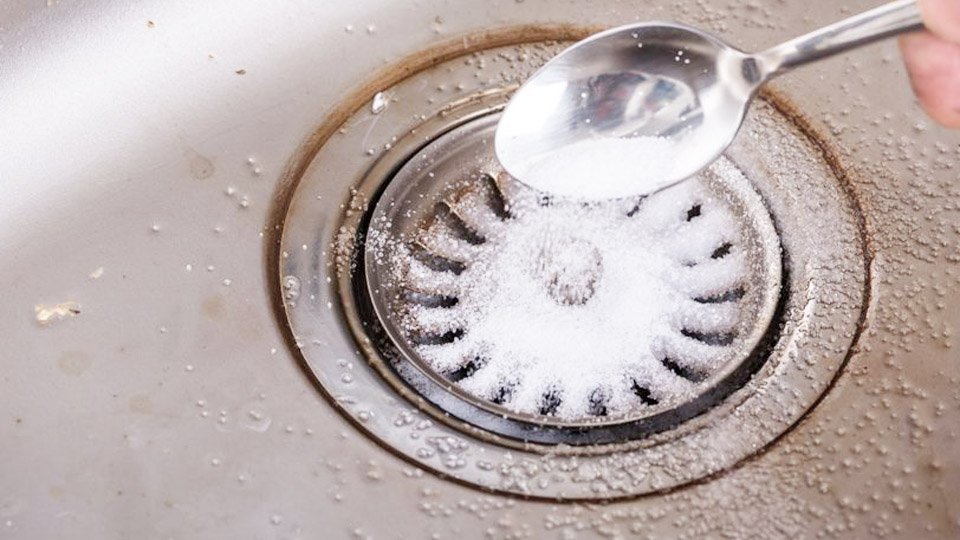
- Make a Paste: Mix ½ cup of baking soda with a few tablespoons of water to form a thick paste.
- Apply: Spread the paste over moldy areas with a sponge or gloved fingers. Focus on grout lines or caulk seams.
- Wait: Let it sit for 15–20 minutes to loosen the mold.
- Scrub: Use a brush to scrub the area, then rinse with warm water.
- Dry: Wipe the tub dry to keep moisture at bay.
Why It Works: Baking soda’s mild abrasiveness helps scrub away mold while neutralizing odors, leaving your tub fresh.
Heavy-Duty Solutions for Stubborn Black Mold
Sometimes, natural methods aren’t enough, especially for older or widespread mold. When I faced a particularly stubborn patch in my old apartment’s tub, I turned to stronger solutions. Here’s how to use them safely.
Bleach: The Big Gun
Bleach is a go-to for tough mold, but it requires caution. It’s effective on non-porous surfaces like ceramic tiles but less so on grout or caulk, where mold can hide deep.
- Mix the Solution: Combine 1 cup of bleach with 1 gallon of water (a 1:16 ratio) in a spray bottle. Never use undiluted bleach—it’s too harsh and can damage surfaces.
- Gear Up: Wear gloves, goggles, and a mask, and ensure the bathroom is well-ventilated.
- Apply: Spray the solution onto moldy areas, or for tight spots like caulk, soak cotton balls in the solution and place them on the mold.
- Wait: Let it sit for 15–20 minutes. You’ll see the mold start to fade.
- Scrub and Rinse: Scrub with a brush, rinse thoroughly, and dry the area completely.
Safety Warning: Bleach fumes are strong, so keep kids and pets out of the bathroom during cleaning. Avoid using bleach on acrylic or fiberglass tubs, as it can cause discoloration.
Hydrogen Peroxide: A Safer Alternative
Hydrogen peroxide is my go-to when I want something stronger than vinegar but less intense than bleach. It’s great for renters who need a safe, effective option.
- Prepare: Pour 3% hydrogen peroxide into a spray bottle (no dilution needed).
- Spray: Apply directly to moldy areas. You’ll see it fizz as it attacks the mold.
- Wait: Let it sit for 15 minutes.
- Scrub and Rinse: Scrub with a brush, rinse well, and dry the tub.
Why I Love It: Hydrogen peroxide is less harsh than bleach and safe for most bathtub surfaces, including acrylic. Plus, it breaks down into water and oxygen, leaving no harmful residue.
Step-by-Step Guide to Cleaning Black Mold
No matter which cleaner you choose, the process is similar. Here’s my foolproof method for tackling black mold in the bathtub, based on years of trial and error.
Clear the Space: Remove all items from the tub and surrounding area to avoid spreading mold spores.
Protect Yourself: Put on gloves, goggles, and a mask. Open windows or turn on the exhaust fan.
Choose Your Cleaner: Decide on vinegar, baking soda, bleach, or hydrogen peroxide based on the mold’s severity and your tub’s material.
Apply the Solution: Spray or apply your cleaner to all moldy areas, ensuring full coverage.
Let It Work: Allow the solution to sit for the recommended time (1 hour for vinegar, 15–20 minutes for bleach or peroxide, 15 minutes for baking soda).
Scrub Thoroughly: Use a brush or toothbrush for tight spots like grout or caulk. Don’t be afraid to put some elbow grease into it!
Rinse and Dry: Rinse with plenty of water, then dry with a clean towel or microfiber cloth to prevent new mold growth.
Inspect: Check for lingering mold. If any remains, repeat the process or try a stronger cleaner.
Checklist for Success:
- Wear protective gear
- Ventilate the bathroom
- Use the right cleaner for your tub material
- Dry the tub completely after cleaning
Preventing Black Mold from Coming Back
Cleaning mold is only half the battle—keeping it away is just as important. I learned this the hard way when mold kept creeping back in my old rental bathroom. Here are my top prevention tips for American households.
Keep Your Bathroom Dry
Mold loves moisture, so drying your tub after every use is key. I keep a squeegee handy to wipe down the tub and tiles after showers. It takes 30 seconds but makes a huge difference.
Boost Ventilation
Run your exhaust fan during and for 20–30 minutes after showers. If your bathroom doesn’t have a fan, open a window or invest in a portable dehumidifier. I bought a small one for my guest bathroom, and it’s been a game-changer.
Clean Regularly
A quick weekly scrub with dish soap and water can prevent mold from taking hold. Once a month, I do a deep clean with vinegar or an antifungal spray to keep things fresh.
Seal Grout and Caulk
Porous grout and cracked caulk are mold magnets. Check your tub’s seals annually and reapply a mold-resistant sealant if needed. I resealed my tub last year, and it’s kept mold at bay.
Use Mold-Resistant Products
For renters or homeowners renovating, consider mold-resistant caulk or tiles. Freestanding tubs are also less prone to mold since they don’t touch walls, reducing moisture traps.
Do’s and Don’ts:
- Do: Dry the tub after every use.
- Do: Use a fan or open windows to reduce humidity.
- Don’t: Ignore small mold spots—they grow fast!
- Don’t: Use bleach on porous surfaces like unsealed grout.
When to Call a Professional
Sometimes, mold is too much to handle on your own. If the mold covers more than 10 square feet, keeps coming back, or looks greenish-black and slimy, it’s time to call in the pros.
I had to do this once when mold spread behind my tub’s tiles, and the experts had the tools to fix it safely. Professional remediation is also a must if anyone in your household has health issues like asthma or allergies, as mold spores can worsen symptoms.
Real-Life Cleaning Scenarios
Let’s talk about some common situations American homeowners and renters face:
The Busy Parent: You’re juggling kids and work, and mold sneaks up in the tub’s corners. Use vinegar or hydrogen peroxide for a quick, safe clean that won’t harm little ones.
The Renter: You can’t renovate, but you can prevent mold. Squeegee the tub daily, run a fan, and use baking soda for budget-friendly cleaning.
The DIY Enthusiast: You love tackling home projects. Try the bleach-soaked cotton ball trick for stubborn caulk mold—it’s oddly satisfying to see it disappear overnight.
Motivational Conclusion
Removing black mold from your bathtub might feel like a daunting task, but trust me, you’ve got this. With the right tools, a bit of elbow grease, and some simple prevention habits, you can transform your bathroom into a clean, safe haven. Whether you’re a parent keeping your kids healthy, a renter maintaining your space, or a cleaning enthusiast chasing that spotless shine, these methods work.
I’ve seen my own bathroom go from moldy mess to sparkling sanctuary, and there’s nothing more rewarding than knowing your home is a healthy place to relax. Start with vinegar or baking soda for an eco-friendly win, or go for bleach or peroxide when you need extra power. Keep up with regular cleaning and ventilation, and you’ll keep mold at bay for good. Here’s to a fresh, mold-free bathtub and the peace of mind that comes with it!
Frequently Asked Questions
How often should I clean my bathtub to prevent mold?
Aim for a quick wipe-down with a squeegee or cloth after every shower to keep moisture low. A thorough cleaning with vinegar or dish soap once a week works wonders, and a monthly deep clean with an antifungal cleaner keeps mold away.
Can I use bleach on all bathtub surfaces?
No, bleach is safe for non-porous surfaces like ceramic tiles but can damage acrylic, fiberglass, or porous grout. Always test on a small area and dilute it (1 cup bleach to 1 gallon water) to avoid discoloration.
Is black mold in my bathtub dangerous?
Yes, black mold can cause respiratory issues, allergies, or skin irritation, especially for kids, the elderly, or anyone with asthma. Prompt removal and prevention are key to keeping your bathroom safe.
What’s the best natural cleaner for bathtub mold?
White vinegar is my top pick—it’s affordable, safe, and kills most mold. Spray it on, let it sit for an hour, scrub, and rinse. Baking soda is great for mild mold or as a follow-up to deodorize.
When should I call a professional for bathtub mold?
If the mold covers more than 10 square feet, keeps returning despite cleaning, or causes health symptoms, call a professional. They have specialized tools to handle large or hidden infestations safely.