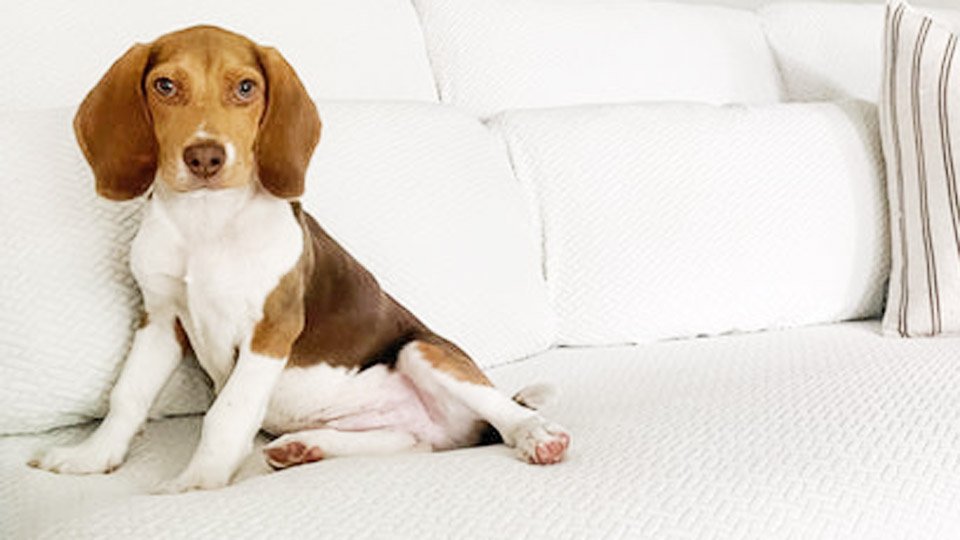
Few days ago, my puppy had an accident on the living room couch, and despite cleaning it right away, that stubborn smell of pee just wouldn’t go away. If you’ve been there, you know how frustrating it is — no matter how much air freshener or fabric spray you use, the odor seems to creep back, especially on warm days. That’s when I decided to dig into my how to get the smell of pee out of a couch playbook — a mix of deep cleaning techniques, eco-friendly odor neutralizers, and targeted stain removal methods I’ve learned from years of tackling tricky messes.
Pet accidents, potty-training mishaps, or even unexpected spills can leave behind more than just stains; they can impact your home’s hygiene, comfort, and overall freshness. I’ll share the exact step-by-step approach I use so your couch smells as clean as it looks — no lingering odors, just fresh, cozy seating.
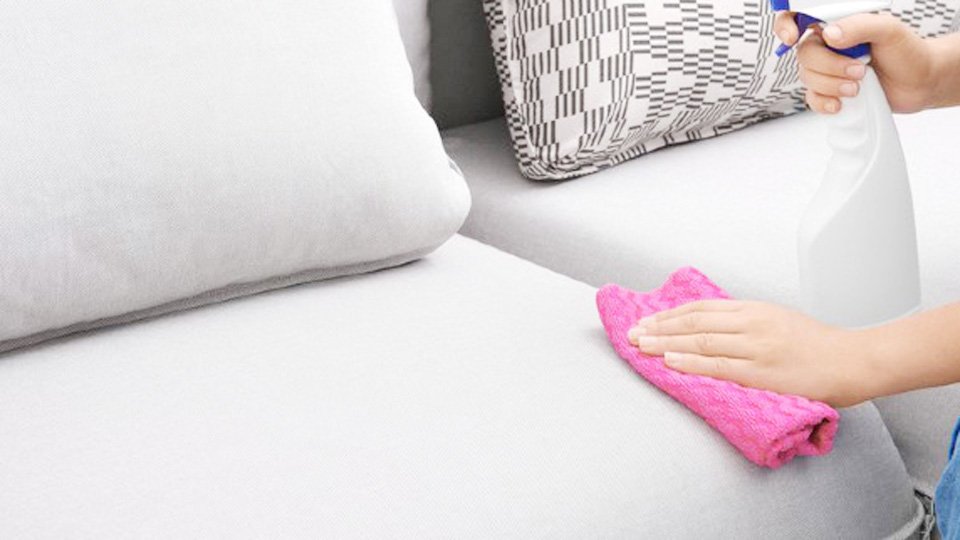
Photo by pangovet
Why Urine Smells Linger on Couches
Couches are cozy havens, but their soft, porous fabrics and foam cushions are like magnets for odors. Urine, whether from a pet or a child, seeps deep into the fibers, leaving behind bacteria and urea crystals that cling to the material. These culprits make the smell persist, especially if the accident isn’t cleaned promptly. Humidity, common in many American homes, can make things worse by reactivating dried urine and intensifying the odor.
Understanding this helps us see why quick action and the right cleaning approach matter. Ignoring the problem or using the wrong products can trap the smell deeper or even damage your couch. Let’s dive into how to tackle this issue effectively, starting with the tools and supplies you’ll need.
Gathering Your Cleaning Supplies
Before you start, let’s make sure you have everything on hand. I’ve learned the hard way that scrambling for supplies mid-cleanup is a recipe for frustration. Here’s a simple checklist of what you’ll need for most methods:
- White vinegar: A natural deodorizer and disinfectant, safe for most fabrics.
- Baking soda: Absorbs odors like a champ.
- Dish soap: Gentle yet effective for breaking down urine.
- Hydrogen peroxide (3% solution): Great for disinfecting, but test it first to avoid discoloration.
- Spray bottle: For applying liquid solutions evenly.
- Clean cloths or paper towels: For blotting and wiping.
- Vacuum cleaner: To remove dry baking soda or debris.
- Enzyme-based cleaner: A must for pet urine, as it breaks down organic compounds.
- Gloves and a mask: For hygiene and to avoid inhaling strong odors.
- Fan or hairdryer (optional): To speed up drying.
You likely have most of these in your pantry or cleaning closet. If not, they’re affordable and easy to find at stores like Walmart or Target. Always check your couch’s care label (usually under the cushions) for fabric-specific instructions—codes like “W” mean water-based cleaners are safe, while “S” means solvent-based only.
Acting Fast: Cleaning a Fresh Urine Stain
If you catch the accident right away, you’re in luck—fresh urine is easier to clean. Last week, my toddler had a diaper leak on our living room couch, and I sprang into action. Here’s what worked for me:
Step-by-Step for Fresh Stains
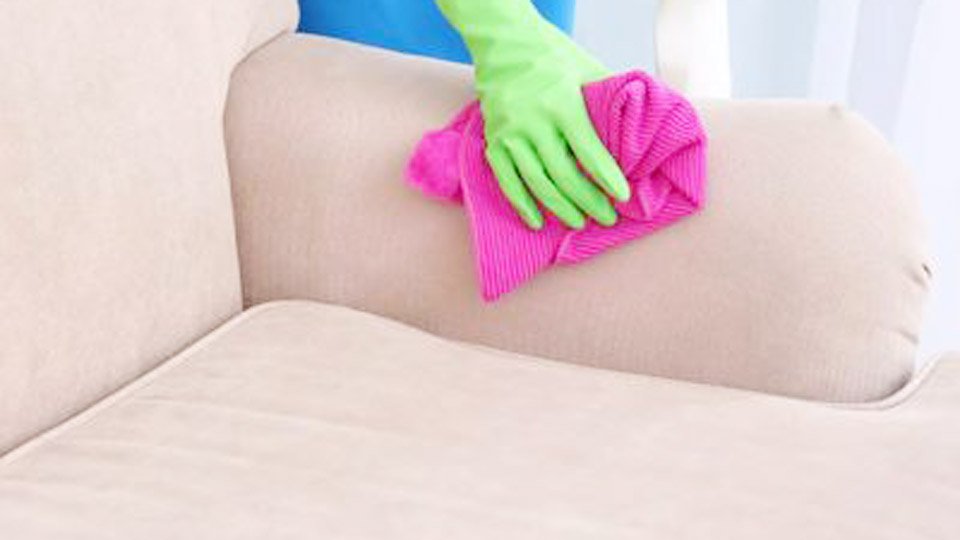
Blot, Don’t Rub: Grab a stack of paper towels or a clean cloth and press firmly to soak up as much urine as possible. Avoid rubbing, as it pushes the liquid deeper into the fabric.
Mix a Vinegar Solution: Combine equal parts white vinegar and water in a spray bottle. For a small stain, I use about a cup of each. Add a drop of dish soap for extra cleaning power.
Apply the Solution: Lightly spray the stained area until it’s damp but not soaked. Let it sit for 5–10 minutes to break down the urine.
Blot Again: Use a fresh cloth to blot up the solution and loosened urine. Repeat until the cloth comes away clean.
Dry Thoroughly: Use a fan or hairdryer on a cool setting to dry the area. Wet cushions can breed mildew, which is a whole other problem.
This method is quick, uses household items, and works on most fabric couches. If the smell lingers, sprinkle baking soda over the area, let it sit for a few hours, then vacuum it up. It’s like hitting the refresh button on your couch.
Safety Warning: Avoid using hot water or steam cleaners on fresh stains, as heat can set the odor, making it harder to remove.
Tackling Set-In Urine Odors
Old, dried urine stains are trickier, but not impossible. I once inherited a thrift store couch that had a faint pee smell—likely from a previous owner’s pet. After some experimentation, I found a reliable approach to banish set-in odors.
Deep-Cleaning with Baking Soda and Vinegar
- Vacuum First: Remove dust and debris from the couch with a vacuum’s upholstery attachment.
- Sprinkle Baking Soda: Generously cover the affected area with baking soda. Let it sit for at least 12 hours (overnight is ideal) to absorb odors.
- Vacuum Again: Remove the baking soda completely.
- Apply Vinegar Solution: Mix one part vinegar to two parts water in a spray bottle. Spray the area lightly and let it sit for 10 minutes.
- Blot and Dry: Blot with a clean cloth, then dry thoroughly with a fan.
- Repeat if Needed: Stubborn smells may require a second round.
This method is great for mild to moderate odors. For tougher cases, especially pet urine, you’ll need an enzyme cleaner.
Using Enzyme Cleaners for Pet Urine
Pet urine is notorious for its lingering smell due to organic compounds like uric acid. When my puppy had an accident during house training, regular cleaners didn’t cut it. Enzyme-based cleaners, like Nature’s Miracle or Rocco & Roxie, are designed to break down these compounds. Here’s how to use them:
- Test First: Apply a small amount to an inconspicuous area to ensure it won’t discolor your couch.
- Apply Generously: Follow the product’s instructions, usually spraying or pouring the cleaner directly onto the stain.
- Let It Work: Allow the cleaner to sit for 10–15 minutes (or as directed) to let the enzymes do their job.
- Blot and Dry: Blot up excess liquid and dry the area completely.
- Repeat if Necessary: Deep-set stains may need multiple treatments.
Safety Warning: Enzyme cleaners are powerful, so wear gloves and ensure good ventilation. Never mix them with other cleaners, as this can create harmful fumes.
Fabric-Specific Tips for American Couches
Couches in American homes come in all kinds of fabrics—microfiber, leather, cotton, and more. Each requires a slightly different approach. Here’s a quick guide:
| Fabric Type | Best Cleaning Method | What to Avoid |
|---|---|---|
| Microfiber | Vinegar solution, enzyme cleaners | Harsh chemicals, excessive water |
| Leather | Mild soap and water, leather conditioner | Vinegar, hydrogen peroxide |
| Cotton/Polyester | Baking soda, vinegar, enzyme cleaners | Bleach, steam cleaners |
| Velvet | Dry baking soda, gentle enzyme cleaners | Wet solutions, aggressive scrubbing |
For leather, I learned the hard way that vinegar can dull the finish. Stick to a damp cloth with a tiny bit of dish soap, followed by a leather conditioner to keep it supple. Always check your couch’s care label to avoid damage.
Preventing Future Accidents
Once your couch is fresh again, you’ll want to keep it that way. Here are some tips I use in my own home to prevent repeat offenses:
For Kids: Use waterproof couch covers during potty training. They’re a lifesaver and easy to wash.
For Pets: Train pets to stay off the couch or designate a pet-friendly blanket. Positive reinforcement works wonders.
Quick Fixes: Keep a spray bottle of vinegar solution handy for immediate cleanups.
Regular Maintenance: Vacuum your couch weekly and spot-clean spills to prevent odor buildup.
I also invested in a washable couch cover from a brand like SureFit. It’s stylish, affordable, and protects my couch from spills while blending with my living room decor.
When to Call a Professional
Sometimes, the smell just won’t budge, or the stain has spread too deep. Last year, I faced a couch with a mystery odor that resisted all my efforts. That’s when I called a professional upholstery cleaner. Here’s when it’s time to get help:
- The smell persists after multiple cleaning attempts.
- The stain covers a large area or has soaked into the cushions.
- Your couch is made of delicate or specialty fabric, like silk.
- You’re worried about damaging an expensive piece.
Professional cleaners in the USA, like Stanley Steemer or local services, use specialized equipment and safe chemicals to tackle tough odors. Expect to pay $100–$300 depending on your location and couch size, but it’s worth it for high-value furniture.
Safety Warning: If you suspect mold or mildew from prolonged dampness, don’t delay—professionals can assess and treat potential health hazards.
Keeping Your Home Safe and Hygienic
A pee-free couch isn’t just about comfort; it’s about health. Urine can harbor bacteria, especially in homes with kids or immunocompromised family members. Regular cleaning reduces these risks and keeps your living space welcoming. Plus, a fresh couch makes your home feel like a sanctuary, whether you’re hosting guests or binge-watching your favorite show.
For renters, a clean couch can also save your security deposit. Landlords in cities like Chicago or Seattle often inspect furniture for damage or odors. For homeowners, maintaining your couch extends its lifespan, saving you money in the long run.
Motivational Conclusion
Dealing with the smell of pee on your couch can feel overwhelming, but with the right approach, it’s totally manageable. Whether you’re using pantry staples like vinegar and baking soda or investing in an enzyme cleaner, these methods can restore your couch to its fresh, cozy glory.
I’ve been through enough accidents to know that quick action, the right tools, and a little patience can make all the difference. Your home deserves to feel clean and inviting, and you’ve got this! Next time an accident happens, you’ll be ready to tackle it with confidence, keeping your couch—and your sanity—intact.
FAQ
Can I use bleach to remove urine smells from my couch?
Bleach is not recommended for most couch fabrics, as it can cause discoloration or damage fibers, especially on cotton, polyester, or microfiber. Instead, use a vinegar solution or enzyme cleaner, which are safer and effective at neutralizing odors.
Is it safe to use hydrogen peroxide on my couch?
Hydrogen peroxide (3% solution) can be safe for some fabrics, like microfiber or cotton, but always test it on a hidden area first. It can bleach or discolor delicate materials like leather or velvet. Use sparingly and follow with thorough drying.
How long does it take to get rid of the pee smell?
For fresh stains, you can eliminate the smell in a few hours with proper cleaning and drying. Set-in odors may take 1–2 days, especially if using baking soda or enzyme cleaners that need time to work.
What’s the best enzyme cleaner for pet urine?
Brands like Nature’s Miracle, Rocco & Roxie, or Angry Orange are highly effective for pet urine. They break down organic compounds that cause odors. Choose one with good reviews and follow the instructions carefully.
Can I prevent my pet from peeing on the couch again?
Yes! Use waterproof covers, train your pet with positive reinforcement to avoid the couch, and keep a spray bottle of vinegar solution for quick cleanups. Regular vacuuming and spot-cleaning also help maintain a pee-free couch.