Ever had that frustrating moment when your kitchen sink starts draining slowly, and you’re worried about a nasty clog ruining your day? I’ve definitely been there—stuck with a backed-up sink right before dinner prep, wondering how to fix it without making a bigger mess. That’s why learning how to use drain cleaner in your kitchen sink became a game-changer for me.
Whether you’re dealing with stubborn grease buildup, leftover food particles, or general grime, a good drain cleaner can save you from hours of scrubbing and potential plumbing headaches. Plus, using the right product helps maintain deep cleaning and keeps your kitchen hygienic and fresh, which is so important for overall home cleanliness and safety.
If you want to avoid harsh chemicals and learn some eco-friendly solutions, I’m excited to share practical, easy tips that really work—let’s get your sink flowing smoothly again!
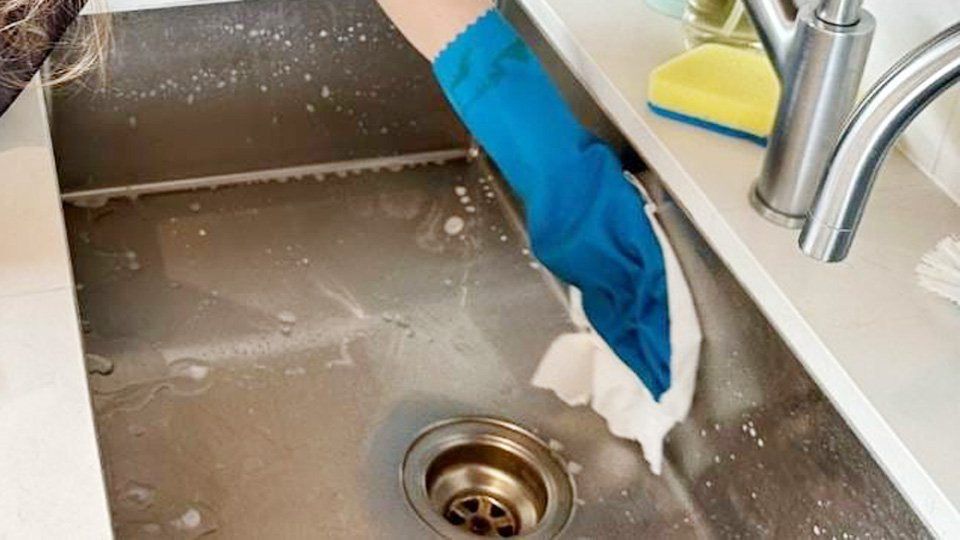
Photo by maid2match
Why a Clogged Kitchen Sink Matters
A clogged sink is more than just a nuisance. It can harbor bacteria, create unpleasant odors, and make your kitchen feel less inviting. For parents, a slow-draining sink might mean worrying about kids splashing in germy water. For renters, it’s about keeping your space functional without risking damage that could upset your landlord.
And for cleaning enthusiasts like me, a clear drain is the key to a spotless, efficient kitchen. Using drain cleaner properly can restore your sink’s flow, keep your home hygienic, and save you from costly plumbing bills. But it’s not just about pouring a bottle down the drain—let’s do this the smart way.
Understanding Kitchen Sink Clogs
Before you grab that bottle of drain cleaner, let’s talk about why your sink is clogged in the first place. Kitchen sinks often get blocked by a mix of grease, food scraps, soap scum, and sometimes even small objects (like that time my kid dropped a toy spoon down the drain).
These culprits build up over time, narrowing the pipe and slowing drainage. Knowing what’s causing the clog helps you choose the right drain cleaner and method. For example, grease-heavy clogs need a cleaner that cuts through oil, while food-based clogs might require a different approach.
Common Causes of Kitchen Sink Clogs
- Grease and Oil: Cooking oils and fats solidify in pipes, creating sticky blockages.
- Food Particles: Bits of food, especially starchy items like pasta or rice, can clump together.
- Soap Scum: Residue from dish soap can accumulate and trap other debris.
- Foreign Objects: Small utensils, bottle caps, or kids’ toys can accidentally end up in the drain.
Understanding these causes will guide you in picking the right tools and techniques to clear your sink safely and effectively.
Choosing the Right Drain Cleaner
Not all drain cleaners are created equal. Walking down the cleaning aisle at your local store, you’ll see liquids, gels, powders, and even eco-friendly options. Each has its strengths, and picking the right one depends on your clog and your household’s needs. Here’s a quick breakdown to help you choose.
Types of Drain Cleaners
Chemical Drain Cleaners: These are powerful liquids or gels (like Drano or Liquid-Plumr) that use chemicals like sodium hydroxide to dissolve grease, hair, and organic matter. Best for tough clogs but require careful handling.
Enzymatic Drain Cleaners: These use natural enzymes or bacteria to break down organic material. They’re safer for pipes and the environment but work slower and are better for minor clogs.
Powdered Drain Cleaners: Often containing sodium hydroxide or other active ingredients, these are poured into the drain and activated with water. They’re effective but can be harsh on older pipes.
Homemade Solutions: A mix of baking soda, vinegar, and hot water can work for light clogs. It’s budget-friendly and safe but less effective for stubborn blockages.
My Go-To Drain Cleaner Picks
For most kitchen sink clogs, I recommend a gel-based chemical cleaner for its ability to cling to pipe walls and dissolve grease. If you prefer eco-friendly options, look for enzymatic cleaners labeled for kitchen use. Always check the product label to ensure it’s safe for your sink’s material (like stainless steel or porcelain) and your plumbing system, especially if you have a septic tank.
Safety Warning: Chemical drain cleaners are powerful but can be dangerous. Never mix different cleaners (especially bleach-based ones), as this can create toxic fumes. Always wear gloves, ensure good ventilation, and keep kids and pets away.
Step-by-Step Guide to Using Drain Cleaner in Your Kitchen Sink
Now that you’ve got the right drain cleaner, let’s walk through the process of using it safely and effectively. Follow these steps to clear your clog and get your sink flowing smoothly again.
Step 1: Assess the Clog
Start by observing your sink. Is the water draining slowly, or is it completely backed up? If there’s standing water, scoop it out with a cup or bucket to make room for the cleaner. Check if the clog affects one side of a double sink or both—this can indicate whether the issue is in the drain trap or further down the pipe.
Step 2: Clear Surface Debris
Remove any visible food scraps, grease, or objects from the sink. Use a spoon or gloved hands to fish out anything stuck near the drain opening. If your sink has a garbage disposal, check for lodged items (turn off the power first for safety).
Step 3: Read the Drain Cleaner Instructions
Every product is different, so read the label carefully. Note the recommended amount, how long to let it sit, and any specific precautions. For example, some cleaners require hot water, while others work with cold.
Step 4: Apply the Drain Cleaner
For Liquid or Gel Cleaners: Pour the recommended amount directly into the drain. For a standard kitchen sink, this is usually 8–16 ounces. Avoid splashing, and aim for the drain opening.
For Powdered Cleaners: Sprinkle the specified amount into the drain, then slowly add the required amount of water (hot or cold, as directed). Be cautious, as powders can react quickly and release fumes.
For Enzymatic Cleaners: Follow the label, which might involve pouring the product and letting it sit overnight for the enzymes to work.
Step 5: Let It Work
Give the cleaner time to break down the clog. Most chemical cleaners need 15–30 minutes, while enzymatic ones might require several hours. Avoid running water or using the sink during this time.
Step 6: Flush the Drain
After the waiting period, flush the drain with hot water (unless the product specifies cold). Boil a kettle of water and pour it slowly down the drain to wash away the dissolved clog and cleaner residue. For enzymatic cleaners, lukewarm water is usually fine.
Step 7: Test the Sink
Run the faucet to check if the water drains smoothly. If it’s still slow, you may need a second application or a different method (more on that later). If the sink drains well, congratulations—you’ve conquered the clog!
Step 8: Clean Up
Wipe down the sink to remove any cleaner residue, and wash your hands thoroughly. Store the drain cleaner in a safe, locked place away from kids and pets.
Alternative Methods for Stubborn Clogs
Sometimes, a drain cleaner alone won’t do the trick. If your sink is still clogged or you want to avoid chemicals, try these alternative methods that have worked for me in tough situations.
Plunging the Sink
A small sink plunger can work wonders. Fill the sink with a few inches of water, place the plunger over the drain, and pump vigorously for 30–60 seconds. The pressure can dislodge minor clogs. If you have a double sink, seal the other drain with a wet rag to maximize suction.
Using a Drain Snake
A drain snake (or auger) is a flexible tool that reaches deeper into the pipe to break up or pull out clogs. Insert the snake into the drain, turn the handle, and push until you feel resistance. Twist and pull to remove the blockage. You can find affordable drain snakes at hardware stores for $10–$20.
Baking Soda and Vinegar
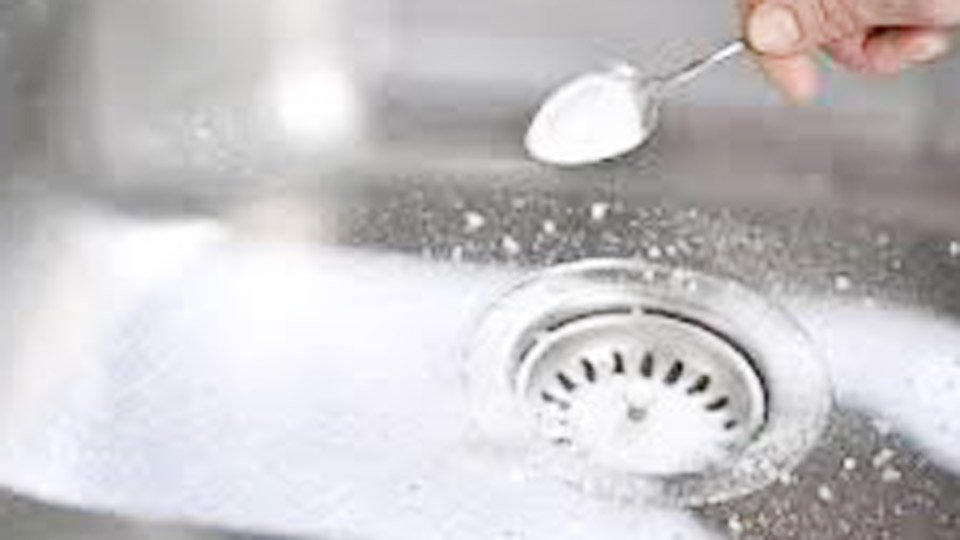
For a natural approach, pour ½ cup of baking soda into the drain, followed by ½ cup of white vinegar. Let it fizz for 15 minutes, then flush with a kettle of boiling water. This works best for light grease or food clogs but may not tackle heavy blockages.
Safety Note: Never use baking soda and vinegar after a chemical cleaner, as the combination can cause dangerous reactions.
Preventing Future Clogs
Once your sink is flowing freely, you’ll want to keep it that way. Here are my favorite tips for preventing kitchen sink clogs, learned from years of trial and error.
Do’s and Don’ts of Sink Maintenance
| Do | Don’t |
|---|---|
| Use a drain strainer to catch food scraps. | Pour grease or oil down the drain. |
| Run hot water after washing dishes to flush grease. | Dump coffee grounds or starchy foods in the sink. |
| Clean your drain monthly with an enzymatic cleaner. | Ignore slow drainage—it’s a warning sign! |
| Check your garbage disposal for buildup regularly. | Use chemical cleaners too frequently, as they can damage pipes. |
Weekly Maintenance Routine
Flush with Hot Water: Once a week, pour a kettle of boiling water down the drain to melt minor grease buildup.
Use an Enzymatic Cleaner: Apply an enzymatic drain cleaner monthly to keep organic matter in check.
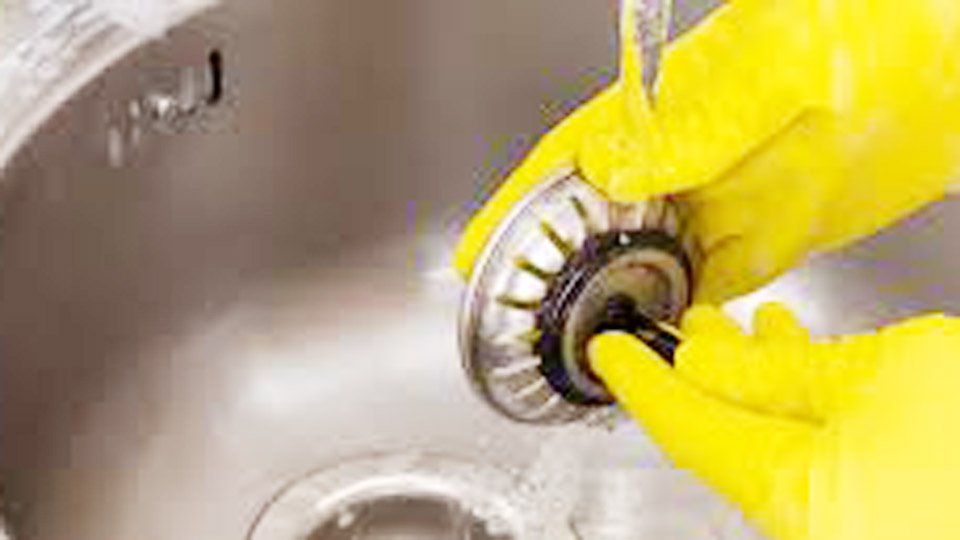
Inspect the Strainer: Clean your drain strainer regularly to prevent food and debris from slipping through.
Real-Life Cleaning Scenarios
Let’s put this advice into context with a couple of scenarios I’ve faced in my own kitchen.
Scenario 1: The Post-Thanksgiving Clog
After hosting a big Thanksgiving dinner, my sink was sluggish from all the grease and food scraps. I used a gel-based chemical cleaner, following the steps above, and let it sit for 30 minutes. After flushing with hot water, the drain was clear, but I learned to use a strainer during holiday cooking to avoid a repeat.
Scenario 2: The Kid-Induced Blockage
My toddler once dropped a handful of peas down the drain, causing a slow drain. A chemical cleaner wasn’t safe with kids around, so I tried the baking soda and vinegar method. It took two tries, but the natural fizzing action cleared the clog, and I didn’t have to worry about harsh chemicals.
These scenarios show that the right approach depends on your situation—whether it’s a heavy grease clog or a kid-related mishap.
Safety Tips for Using Drain Cleaner
Using drain cleaner is straightforward, but safety is non-negotiable. Here’s how to protect yourself and your home:
Wear Protective Gear: Use rubber gloves and safety goggles to avoid skin or eye contact with chemicals.
Ventilate the Area: Open windows or turn on a fan to disperse fumes, especially with chemical cleaners.
Never Mix Products: Combining cleaners (like bleach and ammonia-based products) can release toxic gases.
Keep Kids and Pets Away: Store cleaners in a locked cabinet and keep the area clear during use.
Check Pipe Compatibility: Older pipes or septic systems may not handle harsh chemicals well—consult a plumber if unsure.
When to Call a Plumber
If you’ve tried drain cleaner, plunging, and a drain snake without success, it might be time to call a professional. Persistent clogs could indicate a deeper issue, like a blockage in the main sewer line or damaged pipes. Signs to watch for:
- Water backing up in multiple drains (sink, dishwasher, etc.).
- Foul odors that don’t go away after cleaning.
- Gurgling sounds from the drain.
For renters, contact your landlord before calling a plumber to avoid unexpected costs.
Motivational Conclusion
Dealing with a clogged kitchen sink can feel like a chore, but with the right drain cleaner and techniques, you can restore order to your kitchen in no time. A clear sink means a cleaner, healthier home where you can cook, clean, and gather with loved ones without stress.
Whether you’re a busy parent juggling meal prep or a renter keeping your space in top shape, mastering this task gives you control over your home’s hygiene and functionality. Try the steps I’ve shared, start with a quality drain cleaner, and make prevention part of your routine.
FAQ
Is it safe to use drain cleaner in a kitchen sink with a garbage disposal?
Yes, but check the product label to ensure it’s safe for garbage disposals. Avoid using harsh chemical cleaners too often, as they can damage the disposal’s components. Enzymatic cleaners are a safer choice for regular maintenance.
Can I use drain cleaner if I have a septic system?
Some drain cleaners are septic-safe, especially enzymatic ones. Check the label for “septic-safe” certification. Avoid frequent use of chemical cleaners, as they can disrupt the balance of bacteria in your septic tank.
What should I do if the drain cleaner doesn’t work?
Try plunging or using a drain snake to dislodge the clog. If that fails, the blockage may be deeper in the pipes, and you should call a plumber to avoid damaging your plumbing.
Can I mix different drain cleaners to make them more effective?
Never mix drain cleaners, as this can create dangerous chemical reactions, including toxic fumes. Stick to one product at a time and follow the instructions carefully.
How often should I use drain cleaner to prevent clogs?
For prevention, use an enzymatic cleaner once a month. Avoid overusing chemical cleaners, as they can corrode pipes over time. Regular hot water flushes and a drain strainer are usually enough to keep clogs at bay.