You know that frustrating moment when your kitchen or bathroom sink starts draining slowly—or worse, gets completely clogged? I’ve been there more times than I can count, staring at a sink full of standing water and wondering how to fix it without harsh chemicals. That’s why I turned to natural, eco-friendly solutions to tackle clogged sink drains. Cleaning a clogged sink drain naturally isn’t just about clearing the blockage—it’s also a great way to keep your home fresh, hygienic, and safe from the toxic fumes that many commercial cleaners release.
Plus, deep cleaning your drains regularly helps prevent stubborn stains and unpleasant odors from building up. If you’re tired of dealing with slow drains and want a simple, stain-free, and earth-friendly method, I’ve got some practical tips and easy tricks that really work. Let me walk you through how to clean a clogged sink drain naturally so you can enjoy a cleaner, healthier home with zero hassle!
Image by bunnings
Why Natural Methods Are a Game-Changer
Using natural methods to unclog a sink isn’t just about avoiding chemicals—it’s about safety, affordability, and efficiency. Harsh drain cleaners can corrode pipes over time, especially in older homes, and their fumes can irritate lungs or skin. Natural solutions, like baking soda and vinegar, are non-toxic, budget-friendly, and often already in your pantry.
They’re safe for most plumbing systems and won’t harm your kids, pets, or the environment. Plus, these methods align with a growing trend among U.S. homeowners and renters to embrace sustainable cleaning practices.
Safety First: Why Chemicals Can Be Risky
Chemical drain cleaners might seem like a quick fix, but they come with downsides. They can release harmful vapors, damage pipes, and pose risks if mishandled. For example, I once used a store-bought drain cleaner and ended up with a lingering chemical smell that made my kitchen feel less like home.
Natural methods, on the other hand, let you breathe easy—literally and figuratively. They’re especially great for households with curious toddlers or pets who might get into cleaning supplies.
Real-Life Scenario: The Busy Parent’s Sink Struggle
Picture this: It’s a hectic weekday evening. You’re a parent juggling dinner prep and homework help, and your kitchen sink is backing up with greasy water from last night’s taco dinner. You don’t have time to call a plumber, and you definitely don’t want to use a chemical cleaner with kids running around. A natural solution, like the baking soda and vinegar method, can save the day without disrupting your routine.
The Baking Soda and Vinegar Method: Your Go-To Solution
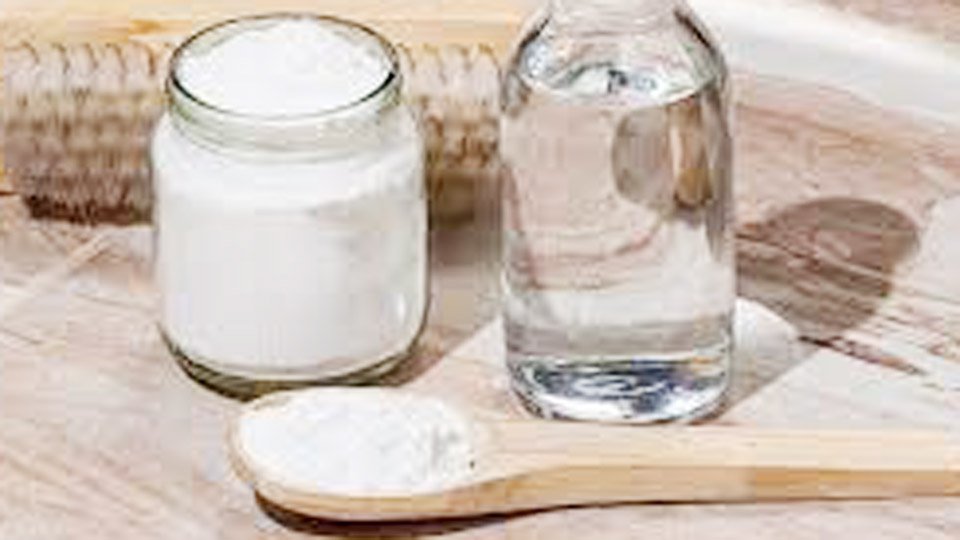
This classic combo is like the peanut butter and jelly of natural cleaning—simple, effective, and always a crowd-pleaser. The fizzing reaction between baking soda and vinegar helps break down organic material like grease, food particles, and hair, which are common culprits in sink clogs.
What You’ll Need
- 1 cup baking soda
- 1 cup white vinegar
- Boiling water (1–2 quarts)
- A sink stopper or cloth
- A kettle or pot for boiling water
Step-by-Step Guide
Clear the Sink: Remove any standing water using a cup or sponge. This helps the ingredients reach the clog directly.
Add Baking Soda: Pour 1 cup of baking soda down the drain. Use a spoon or funnel to ensure it goes in smoothly.
Pour in Vinegar: Slowly pour 1 cup of white vinegar down the drain. You’ll hear a fizzing sound as the reaction starts—this is normal and means it’s working.
Cover and Wait: Plug the drain with a stopper or cloth to trap the fizzing action. Let it sit for 15–20 minutes to break down the clog.
Flush with Boiling Water: Carefully pour 1–2 quarts of boiling water down the drain to flush out the loosened debris. If the sink is still slow, repeat the process once more.
Safety Warning
Be cautious with boiling water, especially around kids or pets. Use a kettle with a spout for controlled pouring, and avoid splashing. If you have PVC pipes, check with your landlord or plumber, as boiling water can sometimes soften them. In such cases, use very hot (but not boiling) water.
When to Use This Method
This works best for minor to moderate clogs caused by grease, soap scum, or small food particles. I’ve used it in my bathroom sink when hair and soap buildup slowed the drain, and it’s a lifesaver in the kitchen after cooking oily meals.
The Hot Water and Dish Soap Trick for Greasy Clogs
If your sink is clogged with grease—common in kitchens after cooking bacon or frying chicken—this method is your best friend. Dish soap cuts through grease, while hot water helps flush it away.
What You’ll Need
- 1/4 cup liquid dish soap (preferably degreasing, like Dawn)
- 1–2 quarts of very hot water
- A kettle or pot
Step-by-Step Guide
- Boil Water: Heat 1–2 quarts of water until it’s very hot (just below boiling for PVC pipes).
- Add Dish Soap: Pour 1/4 cup of dish soap directly into the drain.
- Flush with Hot Water: Slowly pour the hot water down the drain to melt and flush the grease. You may need to repeat this a couple of times for stubborn clogs.
- Test the Drain: Run warm water to check if the drain is clear. If it’s still slow, try combining this with the baking soda and vinegar method.
Real-Life Scenario: The Post-Thanksgiving Sink
Last Thanksgiving, my kitchen sink was a mess after rinsing greasy pans from the turkey roast. I didn’t want to deal with chemical cleaners while guests were over, so I used this method. The dish soap broke down the grease, and within 10 minutes, the sink was draining like new.
Pro Tip
Use a degreasing dish soap for best results. I keep a bottle of Dawn under my sink for emergencies like this—it’s a staple in many American kitchens for a reason.
The Plunger Method: A Surprising Natural Fix
Yes, plungers aren’t just for toilets! A small cup plunger can work wonders on a clogged sink by creating suction to dislodge blockages.
What You’ll Need
- A small cup plunger (not a flange plunger used for toilets)
- A cloth or rag
- Water in the sink
Step-by-Step Guide
- Prepare the Sink: If there’s no standing water, add a few inches to help create suction.
- Block Overflows: Cover any overflow holes with a wet cloth to ensure proper suction.
- Plunge Away: Place the plunger over the drain and push down firmly, then pull up sharply. Repeat 5–10 times, keeping the seal tight.
- Check the Drain: Run water to see if the clog is cleared. Repeat if needed.
Safety Warning
Don’t use a plunger after pouring chemical cleaners, as they can splash and cause burns. Stick to natural methods to keep things safe.
When to Use This Method
This is great for stubborn clogs that baking soda or dish soap can’t handle, like hair or larger food particles. I’ve used it in my bathroom sink when my daughter’s long hair created a blockage—worked like a charm!
The Wire Hanger Hack for Hair and Debris
For bathroom sinks where hair is the main culprit, a DIY drain snake made from a wire hanger can be a lifesaver. It’s simple, free, and surprisingly effective.
What You’ll Need
- A metal wire hanger
- Pliers
- A cloth or rag
Step-by-Step Guide
- Make a Hook: Unwind a wire hanger and use pliers to create a small hook at one end, about 1/4 inch long.
- Insert the Hook: Gently push the hooked end into the drain, twisting as you go to catch hair or debris.
- Pull Out Debris: Slowly pull the hanger out, bringing the gunk with it. Wipe it onto a rag and repeat until no more debris comes up.
- Flush the Drain: Run hot water to clear any remaining bits.
Real-Life Scenario: The Teen Bathroom Takeover
If you have teenagers like I do, you know bathroom sinks can become hair traps. My son’s sink was draining slower than molasses last month. I used this hanger trick, pulled out a scary amount of hair, and had the sink flowing freely in minutes.
Safety Warning
Be gentle to avoid scratching your sink or pushing the clog deeper. If you feel resistance, don’t force it—try another method or call a plumber.
Preventing Future Clogs: Tips for a Happy Sink
Prevention is easier than dealing with a clogged sink. Here are some habits to keep your drains clear:
Do’s and Don’ts
- Do: Use a drain strainer to catch food scraps, hair, or soap scum.
- Do: Flush drains weekly with hot water to prevent grease buildup.
- Don’t: Pour grease, oil, or coffee grounds down the drain—they solidify and cause clogs.
- Don’t: Ignore slow drains; address them early to avoid bigger issues.
Checklist for Sink Maintenance
- Install a mesh drain strainer in kitchen and bathroom sinks.
- Run hot water after every use to flush out minor debris.
- Clean the strainer weekly to prevent buildup.
- Use the baking soda and vinegar method monthly as preventive maintenance.
Real-Life Tip
I keep a small strainer in my kitchen sink—it’s a $5 investment that saves me hours of unclogging time. It catches everything from vegetable peels to pasta bits, making my life so much easier.
When to Call a Plumber
Sometimes, natural methods aren’t enough. If you’ve tried everything and the sink still won’t drain, or if you notice foul odors, gurgling sounds, or water backing up in other drains, it’s time to call a professional. This could indicate a deeper issue in your plumbing system, like a main line clog. For renters, check with your landlord first—many leases require professional maintenance for plumbing issues.
Safety Warning
Never attempt to dismantle pipes unless you’re experienced, as it can lead to leaks or costly repairs. I learned this the hard way when I tried to “fix” a stubborn clog and ended up with a wet floor and a big plumbing bill.
Motivational Conclusion
Dealing with a clogged sink can feel like a chore, but mastering these natural methods is like adding a superpower to your cleaning arsenal. Not only do you save money and avoid harsh chemicals, but you also create a safer, cleaner home for your family.
Whether you’re a busy parent, a renter watching your budget, or a cleaning enthusiast who loves a good DIY hack, these solutions—baking soda and vinegar, dish soap, plunging, or a wire hanger—empower you to tackle clogs with confidence. Use them for minor blockages, stay proactive with prevention, and know when to call in the pros. Your sink will thank you, and you’ll feel like a home maintenance hero.
FAQ
Can I use baking soda and vinegar for all types of clogs?
This method works best for organic clogs like grease, soap scum, or small food particles. For hair or solid objects, try the wire hanger method or plunging first. If the clog persists, it might be deeper, requiring a plumber.
Is it safe to pour boiling water down my sink?
Boiling water is generally safe for metal pipes but can soften PVC pipes in some cases. Use very hot (not boiling) water for PVC pipes, and always pour carefully to avoid burns. Check with your landlord if you’re unsure about your plumbing.
How often should I clean my drains to prevent clogs?
Flush your drains with hot water weekly and use the baking soda and vinegar method monthly to keep them clear. A drain strainer can also prevent debris buildup.
What should I avoid putting down my sink?
Avoid grease, oil, coffee grounds, eggshells, and starchy foods like rice or pasta, as they can stick to pipes and cause clogs. Use a strainer to catch debris and dispose of waste in the trash.
Can natural methods damage my pipes?
When used correctly, these methods are safe for most pipes. Be cautious with boiling water on PVC pipes, and avoid overusing any method if the clog doesn’t clear, as excessive force could cause issues.