I noticed a slow drip under my kitchen sink — that unmistakable sign of a pipe leak that can quickly turn into a messy, stressful problem. If you’ve ever dealt with this, you know how frustrating it can be to keep the area clean and dry, especially when water starts causing stains or even mold growth.
Fixing a pipe leak under the kitchen sink isn’t just about stopping the drip; it’s a crucial step to maintain a hygienic home, prevent water damage, and keep your kitchen and bathroom areas fresh and safe. In my experience, tackling these leaks early with some simple tools and eco-friendly solutions can save you a lot of hassle. Stick with me, and I’ll share practical, easy-to-follow tips to help you fix that leak and keep your space spotless and stain-free.
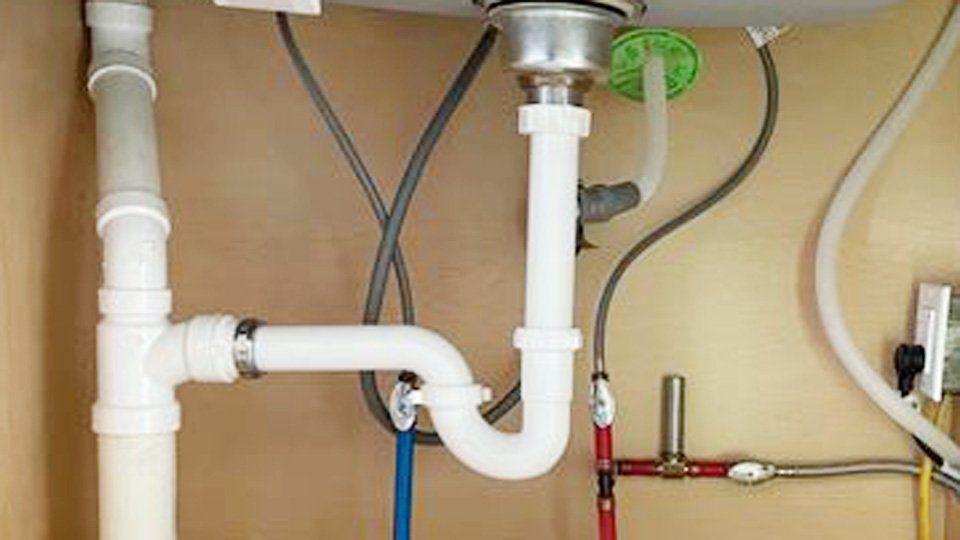
Image by reddit
Why a Leaky Pipe Is a Big Deal
A small drip might seem harmless, but it’s a sneaky problem. Water seeping into your cabinets can warp wood, ruin drywall, and create a breeding ground for mold, which poses health risks, especially for kids or anyone with allergies. Plus, in the U.S., water leaks waste about 1 trillion gallons annually—that’s enough to fill 1,500 Olympic-sized pools!
Fixing a leak promptly saves money, protects your home, and keeps your family safe. Whether you’re a renter worried about landlord approval or a parent juggling a busy household, I’ll guide you through solutions that work without breaking the bank.
Gather Your Tools and Supplies
Before you start, let’s make sure you have everything you need. I remember my first attempt at fixing a leak—scrambling to find a wrench while water dripped everywhere. Save yourself the stress by preparing ahead.
What You’ll Need
- Adjustable wrench: For loosening and tightening pipe fittings.
- Pipe tape (Teflon tape): Seals threaded connections to prevent leaks.
- Plumber’s putty or silicone sealant: For sealing non-threaded joints.
- Replacement washers, gaskets, or O-rings: Common culprits in leaks.
- Pipe patch kit or epoxy putty: For temporary fixes on small holes.
- Bucket or towel: To catch water drips.
- Pipe cleaner or brush: To clean threads before sealing.
- Flashlight: To see under the sink clearly.
- Gloves and safety glasses: To protect your hands and eyes.
Optional but Helpful
- Pipe cutter or hacksaw: For replacing damaged pipe sections.
- Replacement pipe (PVC, copper, or PEX): Match your existing pipe type.
- Cleaning supplies: Vinegar, baking soda, or a mild degreaser to clean up after.
Pro tip: Keep a small toolkit under your sink for quick fixes. I learned this the hard way after multiple late-night trips to the hardware store.
Safety First: Preparing Your Workspace
Before diving under the sink, let’s talk safety. Water and electricity don’t mix, and you don’t want to slip or get chemicals in your eyes. I once skipped turning off the water supply—big mistake. Water sprayed everywhere, turning a quick fix into a soggy disaster.
Safety Steps
- Turn off the water supply: Locate the shut-off valve under the sink or at your home’s main water line. Turn it clockwise to stop the flow.
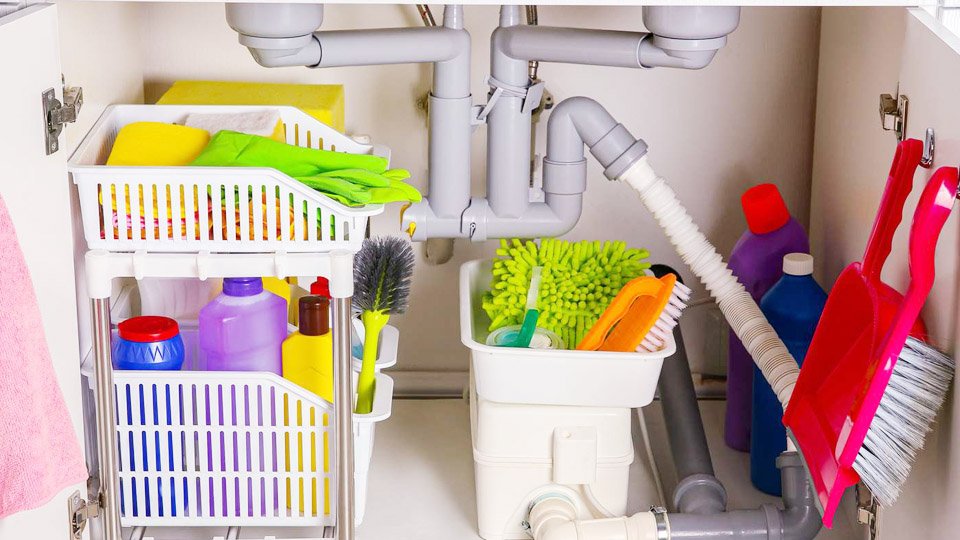
- Clear the area: Remove cleaning supplies, pots, or anything stored under the sink to give yourself room to work.
- Lay down towels: Place a towel or bucket under the sink to catch any water that spills.
- Wear protective gear: Gloves keep your hands clean, and safety glasses protect against debris or chemical splashes.
- Check for electrical hazards: Ensure no exposed wires or outlets are near the leak.
If you’re dealing with a severe leak or suspect mold, consider calling a professional plumber to avoid health risks. For renters, check your lease or notify your landlord before making repairs.
Identifying the Type of Leak
Not all leaks are the same, and figuring out the source is half the battle. I’ve spent hours tightening the wrong fitting because I didn’t take a moment to diagnose the problem. Here’s how to pinpoint the issue.
Common Leak Sources
- Loose connections: Threaded joints or compression fittings that aren’t tight.
- Worn-out washers or gaskets: These deteriorate over time, causing drips.
- Cracked or corroded pipes: Common in older homes or with metal pipes.
- Faulty seals: Around the sink drain or garbage disposal.
- Pinhole leaks: Small holes in pipes due to corrosion or wear.
How to Diagnose
Run your hand along the pipes while the water is off to feel for moisture. Use a flashlight to inspect joints, fittings, and the drain. Turn the water back on briefly and watch for drips. Mark the leak with a piece of tape or a marker so you don’t lose track of it. If the leak is at a joint, it’s likely a loose connection or bad seal. If it’s along the pipe, you might have a crack or hole.
Fixing a Loose Connection
Loose connections are the easiest fix and a common issue in busy households where vibrations from dishwashers or garbage disposals can loosen fittings over time.
Step-by-Step Fix
Tighten the fitting: Use an adjustable wrench to gently tighten the nut at the leaking joint. Don’t over-tighten, as this can strip the threads or crack the pipe.
Check for leaks: Turn the water back on and watch for drips. If it’s still leaking, proceed to the next step.
Apply pipe tape: Turn off the water again. Unscrew the fitting, clean the threads with a brush, and wrap Teflon tape clockwise around the male threads (usually 2–3 wraps). Reattach and tighten.
Test again: Turn on the water and check for leaks. If it persists, the issue might be a worn washer or gasket.
I fixed a drip in my kitchen by tightening a loose compression fitting in about 10 minutes. It’s satisfying to see that drip stop!
Replacing a Washer or Gasket
If tightening doesn’t work, a worn-out washer or gasket is often the culprit. These small rubber components degrade over time, especially in homes with hard water.
How to Replace
- Disassemble the joint: Use your wrench to loosen and remove the fitting. Place a bucket underneath to catch any water.
- Inspect the washer/gasket: Look for cracks, flattening, or wear. Take the old one to a hardware store to match the size and type.
- Install the new washer: Place the new washer or gasket in the fitting, ensuring it sits flat.
- Reassemble and tighten: Screw the fitting back on, tightening gently but firmly.
- Test the repair: Turn on the water and check for leaks.
Pro tip: Keep a small pack of assorted washers at home. They’re cheap and save you a trip to the store mid-repair.
Patching a Pinhole Leak
A pinhole leak in the pipe itself can feel daunting, but it’s manageable with the right tools. I had one in my old apartment, and a quick patch saved me until I could replace the pipe.
Temporary Patch
- Turn off the water: Always start here to avoid a mess.
- Dry the pipe: Use a towel to dry the area around the leak thoroughly.
- Apply a pipe patch kit: Follow the kit’s instructions—most involve wrapping a self-adhesive patch tightly around the hole.
- Use epoxy putty: Knead the putty until it’s uniform, then press it over the leak, molding it to the pipe’s shape. Let it cure as directed (usually 20–60 minutes).
- Test the patch: Turn on the water and check for leaks. This is a temporary fix, so plan to replace the pipe soon.
When to Replace the Pipe
If the leak is large or the pipe is corroded, patching won’t last. You’ll need to cut out the damaged section and replace it with a new piece of PVC, copper, or PEX, depending on your plumbing. If this feels overwhelming, call a plumber—some jobs are worth the professional touch.
Addressing a Leaky Sink Drain
If the leak is coming from the sink drain or the garbage disposal connection, it’s likely a faulty seal. This happened in my kitchen after years of heavy use, and it was a straightforward fix.
Steps to Fix
- Check the drain assembly: Look at the P-trap (the U-shaped pipe) or the garbage disposal connection.
- Tighten or replace the seal: For the P-trap, tighten the slip nuts or replace the rubber gasket inside. For the disposal, check the mounting flange and tighten or apply plumber’s putty.
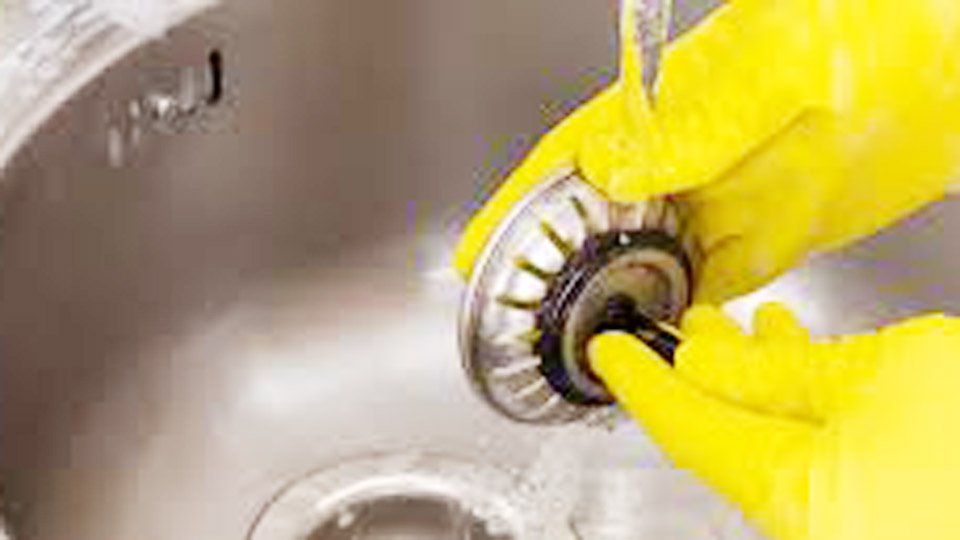
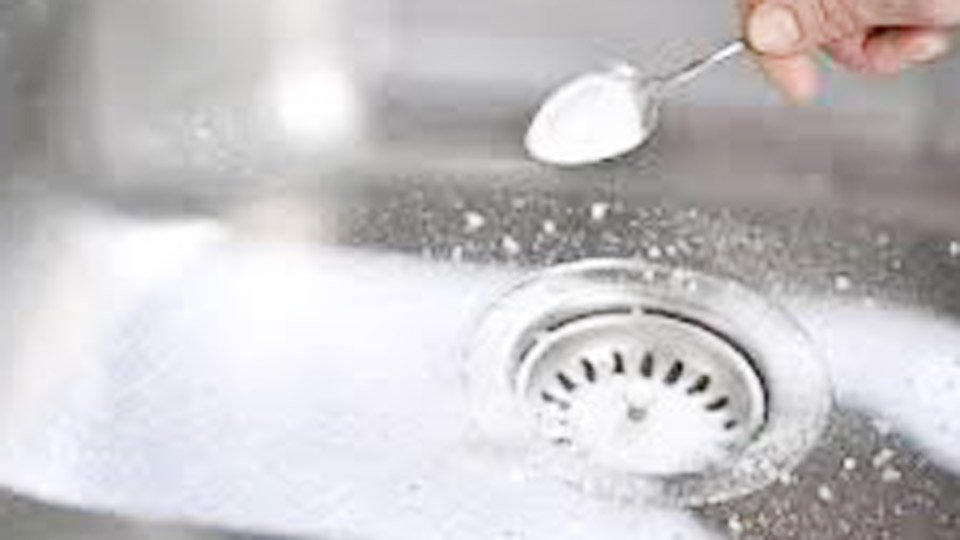
- Clean the area: Use vinegar and baking soda to clean any grime buildup, which can weaken seals.
- Test for leaks: Run water through the sink and watch for drips.
A clean drain not only stops leaks but also keeps your kitchen smelling fresh—nobody wants a musty cabinet!
Cleaning Up After the Repair
Once the leak is fixed, don’t skip the cleanup. Wet cabinets can breed mold, and leftover grime can attract pests. Here’s how I tidy up after a repair.
Cleanup Checklist
- Dry the area: Use towels or a fan to dry the cabinet floor completely.
- Check for damage: Look for warped wood or mold. If you spot mold, use a mixture of 1 part bleach to 10 parts water to clean it (ventilate the area well).
- Sanitize surfaces: Wipe down pipes and the cabinet with a vinegar-based cleaner to prevent bacterial growth.
- Organize: Store only dry, sealed items under the sink to avoid future damage.
I keep a small dehumidifier packet under my sink now—it’s a game-changer for preventing moisture buildup.
When to Call a Professional
Sometimes, DIY isn’t enough. If the leak is severe, involves complex piping, or you’re uncomfortable with the repair, call a plumber. I learned this when a stubborn leak in my rental turned out to be a cracked main line—way beyond my skill set. For renters, always notify your landlord before major repairs to avoid lease issues. In the U.S., plumbers typically charge $45–$150 per hour, but the cost is worth avoiding water damage or health hazards.
Signs You Need a Pro
- Persistent leaks after multiple fixes.
- Visible corrosion or large cracks in pipes.
- Water damage affecting walls or floors.
- No shut-off valve or difficulty accessing it.
Preventing Future Leaks
Prevention is easier than repair. After fixing my first leak, I made small changes to keep my kitchen plumbing in check.
Prevention Tips
- Regular inspections: Check under the sink monthly for drips or corrosion.
- Avoid harsh chemicals: Drain cleaners can corrode pipes over time. Use natural alternatives like vinegar and baking soda.
- Install a leak detector: Affordable devices alert you to moisture before it becomes a problem.
- Winterize pipes: In colder U.S. regions, insulate pipes to prevent freezing and bursting.
I now set a calendar reminder to inspect my plumbing every few months—it’s saved me from bigger headaches.
Cost-Saving Hacks for Repairs
Fixing a leak doesn’t have to drain your wallet. Here are some budget-friendly tips I’ve picked up.
Money-Saving Ideas
- Buy in bulk: Purchase Teflon tape, washers, and epoxy putty in multi-packs for future repairs.
- Shop local: Hardware stores often have better prices than big-box retailers for plumbing supplies.
- DIY when safe: Simple fixes like tightening or patching can save $100+ compared to hiring a pro.
- Check for rebates: Some U.S. utility companies offer rebates for water-saving repairs.
Motivational Conclusion
Fixing a pipe leak under your kitchen sink might feel like a daunting task, but you’ve got this! With a few tools, some patience, and the steps above, you can stop that drip, protect your home, and save money. A dry kitchen means a healthier home, fewer repair bills, and peace of mind for you and your family. Whether you’re a homeowner tackling a weekend project or a renter keeping your space in top shape, taking action now prevents bigger problems later.
FAQ
How can I tell if my kitchen sink leak is serious?
Look for signs like large puddles, water damage on walls or floors, or mold growth. If tightening fittings or replacing washers doesn’t stop the leak, or if pipes are corroded, call a plumber to assess the issue.
Is it safe to use epoxy putty for a pipe leak?
Yes, epoxy putty is a safe, temporary fix for small leaks on most pipes (PVC, copper, or PEX). Ensure the pipe is dry before applying, and follow the product’s curing instructions. Replace the pipe for a permanent solution.
Can I fix a leak without turning off the water?
It’s not recommended. Working with active water flow risks flooding and makes repairs harder. Always turn off the water at the shut-off valve or main line to stay safe and dry.
What should I avoid when fixing a pipe leak?
Don’t over-tighten fittings, as this can crack pipes or strip threads. Avoid using harsh chemical sealants that can corrode pipes. Never ignore mold or water damage—address it immediately to prevent health risks.
How often should I check my kitchen plumbing?
Inspect under your sink every 1–2 months for drips, corrosion, or loose fittings. Regular checks catch small issues before they become costly repairs, especially in older homes.