A few weeks ago, I was staring at my grimy bathroom tiles and stained kitchen countertops, feeling overwhelmed by the thought of another expensive cleaning gadget. That’s when I discovered the magic of making your own steam cleaner — a simple, eco-friendly solution that turns ordinary water into powerful steam for deep cleaning stubborn stains, sanitizing surfaces, and even tackling bathroom mold.
Not only does this DIY approach save money, but it also keeps harsh chemicals out of your home, making it safer for kids, pets, and anyone sensitive to fumes. If you’ve ever struggled with stubborn grime, tricky corners, or just want a more hygienic, sparkling space without spending a fortune, I’m going to share my step-by-step tips for creating a homemade steam cleaner that actually works.
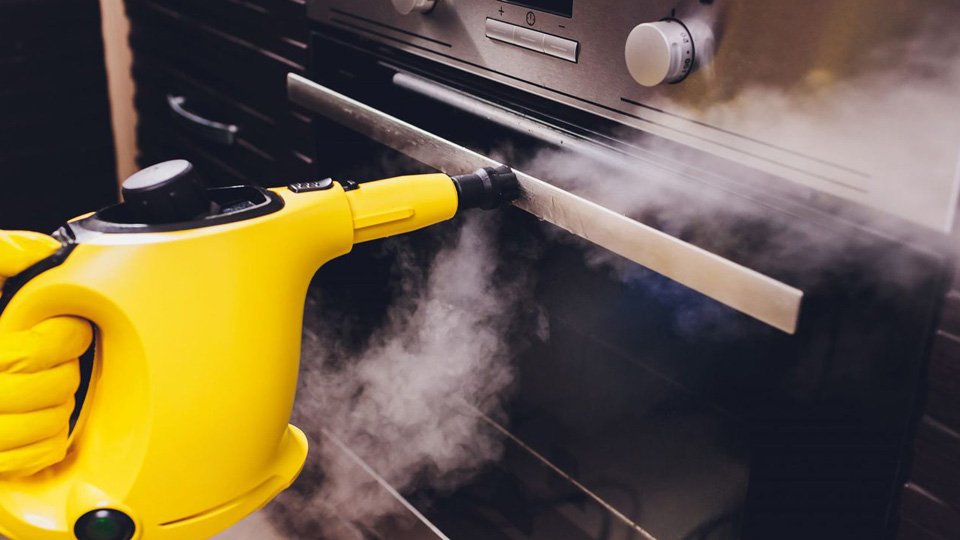
Photo by allrecipes
Why Steam Cleaning Is a Must for Your Home
Steam cleaning uses the power of heat and water vapor to lift dirt, grime, and bacteria from surfaces. Unlike traditional cleaning methods that rely on chemicals, steam cleaners sanitize naturally, making them ideal for households with kids, pets, or allergy sufferers. I remember using a steam cleaner on my kitchen tiles and being amazed at how it blasted away grease without leaving a chemical smell. It’s efficient, eco-friendly, and versatile enough for almost any surface.
The benefits go beyond just cleanliness. Steam cleaning can:
- Kill 99.9% of bacteria and germs, perfect for flu season.
- Remove tough stains like grease, wine, or pet messes.
- Save money by reducing the need for expensive cleaning products.
- Protect sensitive surfaces like hardwood or upholstery when used correctly.
But commercial steam cleaners can be pricey, often costing $100 or more. That’s why making your own is such a brilliant solution for budget-conscious folks like me who still want a deep clean.
What You’ll Need to Build Your Own Steam Cleaner
Before we get into the nitty-gritty, let’s gather the supplies. You don’t need to be a DIY expert or spend a fortune. Most of these items might already be in your garage or kitchen. Here’s what you’ll need:
- A pressure cooker or electric kettle: This will generate the steam. A small pressure cooker (2-4 quarts) works best for portability.
- Flexible, heat-resistant hose: Look for silicone or rubber tubing rated for high temperatures (at least 250°F).
- Nozzle attachment: A metal or heat-resistant plastic nozzle to direct the steam. You can repurpose one from an old spray bottle or buy a small one online.
- Funnel: For filling the water reservoir safely.
- Distilled water: Prevents mineral buildup in your DIY cleaner.
- Clamps or connectors: To secure the hose to the pressure cooker or kettle.
- Microfiber cloths or small brush attachments: For scrubbing and wiping down surfaces after steaming.
- Safety gear: Heat-resistant gloves and safety goggles to protect yourself.
Where to Find Supplies
You can find most of these at hardware stores, online marketplaces, or even thrift shops. For example, I snagged a used pressure cooker for $10 at a local thrift store, and it works like a charm. If you’re buying new, expect to spend $20-$50 total, depending on what you already own.
Safety First
Steam is hot—really hot. Working with high temperatures means you need to be cautious. Always wear gloves and goggles, and never point the steam at yourself or others. If you’re a parent, keep kids and pets away while you’re setting up or using your steam cleaner. I learned this the hard way when my curious toddler got too close to my setup!
Step-by-Step Guide to Building Your DIY Steam Cleaner
Now, let’s get to the fun part: building your steam cleaner. I’ll break it down into simple steps so you can follow along, even if you’re not a DIY pro. This setup is basic but effective for small to medium cleaning tasks.
Step 1: Prepare Your Pressure Cooker or Kettle
Start with a clean pressure cooker or electric kettle. If using a pressure cooker, ensure it has a steam release valve. For an electric kettle, you’ll need one with a detachable lid or spout for attaching the hose. Fill it with distilled water, leaving some space at the top to avoid overpressurizing.
Step 2: Attach the Hose
Secure the heat-resistant hose to the steam release valve (for a pressure cooker) or the spout (for a kettle). Use a clamp to ensure a tight seal—no leaks allowed! I used a silicone hose I found online for about $8, and it’s held up through dozens of cleaning sessions.
Step 3: Add the Nozzle
Attach the nozzle to the other end of the hose. This directs the steam precisely where you need it. If your nozzle has a trigger, even better—it gives you more control. Test the connection by gently heating the water and checking for leaks before going full steam.
Step 4: Heat It Up
Place the pressure cooker or kettle on a heat source (stove for the cooker, plug in for the kettle). For a pressure cooker, set it to medium heat until steam starts escaping through the valve. For a kettle, turn it on and wait for it to boil. Be patient—this can take 5-10 minutes.
Step 5: Test and Tweak
Once steam is flowing, test it on a small, inconspicuous area, like a corner of a tile floor. Adjust the nozzle for a steady, controlled stream. If the steam is too weak, check for blockages in the hose or nozzle. If it’s too strong, lower the heat slightly.
How to Use Your DIY Steam Cleaner Safely and Effectively
You’ve built your steam cleaner—congratulations! Now, let’s talk about how to use it to tackle common household messes. I’ve used mine on everything from sticky kitchen counters to grimy bathroom grout, and it’s a lifesaver. Here’s how to get the best results.
Start with a Test Area
Always test on a small patch first, especially on delicate surfaces like wood or painted walls. Steam can damage some materials if you’re not careful. For example, I once over-steamed a section of my hardwood floor and noticed a slight warp—lesson learned!
Work in Small Sections
Focus on one small area at a time, moving the nozzle slowly to let the steam penetrate. Follow up with a microfiber cloth or brush to scrub away loosened dirt. This method worked wonders when I tackled my oven’s greasy interior.
Keep Moving
Don’t linger too long in one spot, as prolonged steam exposure can damage surfaces or cause burns. Move the nozzle in a sweeping motion, like you’re painting with steam.
Use the Right Attachments
For tight spaces like grout lines, use a small brush attachment. For larger surfaces like carpets, a wider nozzle works better. I keep a few microfiber cloths handy for quick wipes after steaming.
Safety Tips
- Never open the pressure cooker or kettle while it’s hot.
- Keep the steam cleaner away from electrical outlets.
- Let surfaces cool before touching them.
- Store your DIY cleaner in a dry, safe place when not in use.
Best Surfaces for Steam Cleaning
Not all surfaces are steam-friendly, so let’s break down what works and what doesn’t. Here’s a quick guide based on my own trial and error.
| Surface | Steam-Safe? | Tips |
|---|---|---|
| Tile/Grout | Yes | Use a brush attachment for grout. |
| Hardwood Floors | Sometimes | Use low steam and test first. |
| Carpets | Yes | Spot-clean stains; avoid over-wetting. |
| Upholstery | Yes | Check fabric care labels first. |
| Glass/Mirrors | Yes | Wipe immediately to avoid streaks. |
| Wallpaper | No | Steam can peel or damage it. |
| Painted Walls | No | May cause paint to bubble or peel. |
Real-World Scenario: The Pet Mess Disaster
Last month, my dog tracked muddy paw prints across my living room carpet. I grabbed my DIY steam cleaner, set it to low steam, and worked in small sections. The mud lifted easily, and a quick wipe with a microfiber cloth left the carpet looking brand new. It was faster and cheaper than renting a commercial cleaner!
Cleaning Hacks to Boost Your Steam Cleaner’s Power
Want to take your DIY steam cleaner to the next level? Here are some tricks I’ve picked up over the years:
Add Vinegar for Stubborn Stains: Mix a small amount of white vinegar (1:10 ratio with water) in the reservoir for extra grease-cutting power. Be cautious, as vinegar can damage some surfaces like natural stone.
Use Essential Oils for a Fresh Scent: A drop or two of lavender or tea tree oil in the water adds a pleasant aroma and natural antibacterial properties. Just make sure the oils are safe for your setup.
Pre-Treat Tough Spots: For set-in stains like coffee or grease, dab a bit of dish soap on the area before steaming. The steam will help the soap penetrate deeper.
Keep Cloths Handy: Microfiber cloths are your best friend for wiping away loosened dirt. I keep a stack in my cleaning caddy for quick access.
Dos and Don’ts
Do:
- Use distilled water to prevent mineral buildup.
- Clean the hose and nozzle after each use.
- Store your cleaner in a cool, dry place.
Don’t:
- Use tap water, as it can clog your system.
- Steam delicate fabrics like silk without testing.
- Leave the cleaner unattended while heating.
Maintaining Your DIY Steam Cleaner
To keep your steam cleaner in top shape, a little maintenance goes a long way. After each use, empty any remaining water and rinse the reservoir to prevent mold or mineral deposits. I learned this the hard way when I left water in my pressure cooker for a week—yuck! Clean the hose and nozzle with a vinegar-water solution monthly to keep them clear of buildup. Store everything in a dry place to avoid rust or damage.
When to Use Your DIY Steam Cleaner vs. a Commercial One
Your DIY steam cleaner is perfect for small to medium jobs, like spot-cleaning carpets, refreshing upholstery, or sanitizing kitchen surfaces. But for larger tasks, like deep-cleaning an entire house or tackling heavy-duty stains, a commercial steam cleaner might be worth renting. I use my DIY version for weekly touch-ups and rent a professional one once a year for a whole-house refresh. It’s a great balance of cost and convenience.
Real-World Scenario: The Kitchen Deep Clean
When my in-laws were coming over, I needed my kitchen to shine. I used my DIY steam cleaner on the stovetop, sink, and tiles. It took about 30 minutes, and the results were spotless—no chemical residue, just clean, sanitized surfaces. For bigger jobs, like my area rugs, I’ll rent a commercial cleaner, but for daily messes, my DIY setup is unbeatable.
Why This Matters for Your Home
Making your own steam cleaner isn’t just about saving money—it’s about taking control of your home’s cleanliness in a safe, eco-friendly way. For parents, it’s peace of mind knowing your kids are playing on surfaces free of harsh chemicals. For renters, it’s a way to keep your deposit-worthy apartment sparkling without breaking the bank. And for homeowners, it’s a tool to protect your investment while keeping your space healthy and inviting.
I love the feeling of walking into a freshly steamed room—it’s like a reset button for my home. Plus, there’s something empowering about building your own cleaning tool. It’s a small way to make your life easier and your home cleaner.
Keep It Simple, Keep It Clean
You don’t need to be a DIY guru to make your own steam cleaner. With a few household items and some careful setup, you can create a powerful cleaning tool that rivals store-bought models. Whether you’re tackling pet stains, kitchen grease, or bathroom grout, this DIY solution is versatile, affordable, and safe.
Can I use tap water in my DIY steam cleaner?
No, tap water can leave mineral deposits that clog your cleaner. Stick to distilled water for the best results and to prolong the life of your setup.
Is it safe to steam clean hardwood floors?
It can be safe if you use low steam and test a small area first. Too much steam can warp or damage wood, so proceed with caution and avoid over-saturating.
What surfaces should I avoid with my steam cleaner?
Steer clear of wallpaper, painted walls, and delicate fabrics like silk or velvet. Always check care labels and test a small area before steaming.
Can I add cleaning solutions to the steam cleaner?
Yes, but sparingly. A small amount of white vinegar or a drop of essential oil can enhance cleaning, but avoid harsh chemicals, as they can damage your setup or surfaces.
How often should I clean my DIY steam cleaner?
After each use, empty and rinse the reservoir. Clean the hose and nozzle monthly with a vinegar-water solution to prevent buildup and keep it working efficiently.