I’ll never forget the first time I used my Vax carpet cleaner. After tackling a stubborn juice stain left by my toddler in the living room, I felt like a cleaning superhero—until I realized I had no idea how to remove the dirty water tank to empty it. The machine had done its job, but I was left staring at it, wondering where to start. If you’re here, you’re probably in a similar spot, looking for a clear, stress-free way to handle this task.
Whether you’re a busy parent, a renter keeping your deposit-safe, or a homeowner maintaining a spotless space, knowing how to remove the dirty water tank from a Vax carpet cleaner is key to keeping your home fresh, hygienic, and odor-free.
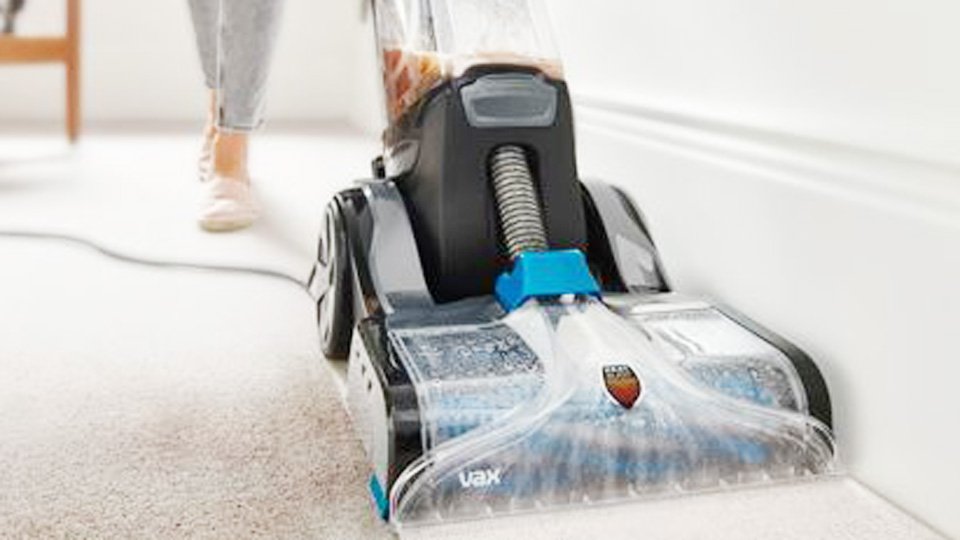
Image by vax
This guide is for anyone in the USA who wants to master their Vax carpet cleaner with confidence. I’ve been there, juggling kids, pets, and household chores, so I’ll walk you through every step with practical tips, safety advice, and real-life scenarios to make the process as smooth as your freshly cleaned carpets.
Why Removing the Dirty Water Tank Properly Matters
Emptying the dirty water tank isn’t just about keeping your Vax carpet cleaner in top shape—it’s about maintaining a healthy home. The tank holds all the grime, pet hair, allergens, and spilled messes your machine sucks up. If left sitting, that dirty water can breed bacteria, develop foul odors, or even damage your cleaner.
For parents, this is especially critical; no one wants their kids crawling on carpets that harbor hidden germs. For renters, keeping your cleaning tools in good condition means avoiding costly repairs or deductions from your security deposit. And for homeowners, it’s about protecting your investment in both your carpets and your cleaning equipment.
Plus, let’s be honest—there’s something satisfying about seeing that murky water pour out, knowing you’ve banished dirt from your home. But doing it wrong can lead to spills, messes, or even a broken machine. That’s why I’m sharing this guide to help you avoid the pitfalls I learned the hard way.
Understanding Your Vax Carpet Cleaner’s Dirty Water Tank
Before we get to the steps, let’s talk about what the dirty water tank does. In a Vax carpet cleaner, the tank collects the dirty water and debris extracted from your carpets during cleaning. Depending on your model—whether it’s a compact Vax Rapid Power or a larger Platinum Power Max—the tank’s design and removal process may vary slightly.
Most Vax models have a clear or semi-transparent tank, so you can see when it’s full (a handy feature when you’re deep in a cleaning session). The tank is typically located at the front or back of the machine and is designed for easy removal, but it can feel tricky if you’re new to it.
Knowing your model is key because Vax cleaners like the Dual Power or Air Stretch have slightly different tank mechanisms. If you’re unsure of your model, check the label on the machine or the user manual (usually downloadable from the Vax website). This guide covers the general process for most Vax upright carpet cleaners sold in the USA, with tips for common variations.
Step-by-Step Guide to Removing the Dirty Water Tank
Let’s get to the heart of it—how to remove the dirty water tank from your Vax carpet cleaner. Follow these steps, and you’ll be emptying it like a pro in no time. I’ve broken it down into clear, manageable steps, with tips to avoid common mistakes.
Step 1: Prepare Your Space and Machine
Before you touch the tank, set yourself up for success. I learned this after accidentally spilling dirty water on my kitchen floor during my first attempt.
Turn off and unplug the machine: Always switch off your Vax carpet cleaner and unplug it from the outlet. This prevents any electrical mishaps and keeps you safe.
Find a suitable emptying spot: Choose a sink, toilet, or outdoor drain to empty the tank. A utility sink is ideal for larger tanks, but a bathroom sink works for smaller models. Avoid emptying over light-colored flooring to prevent stains from splashes.
Gather supplies: Have a towel or rag handy for any spills, and consider wearing gloves if you’re sensitive to cleaning solutions or dirt.
Tip: If you’re cleaning up after a big mess (like pet accidents), place a trash bag or bucket nearby to dispose of any large debris that might be in the tank.
Step 2: Locate the Dirty Water Tank
The dirty water tank is usually easy to spot—it’s the part filled with murky water after cleaning. On most Vax models, it’s at the front or base of the machine, often with a handle or latch for easy removal. For example, on the Vax Platinum Power Max, the tank is at the front, while on some compact models, it’s closer to the bottom.
Check for a full tank indicator: Many Vax cleaners have a red float or marker that rises when the tank is full. If you see this, it’s time to empty it.
Inspect for latches or clips: Look for buttons, clips, or a handle that secures the tank. These are usually clearly marked but may require a firm press or pull.
Real-Life Scenario: Last week, I was cleaning my living room after my dog tracked mud inside. The tank filled up faster than I expected, and the float indicator popped up mid-session. Knowing where to look saved me from overfilling and damaging the machine.
Step 3: Remove the Dirty Water Tank
Now, let’s get that tank out. This is where many first-timers (including me) get stuck, so take it slow.
Release the tank: Press or pull the latch or handle to unlock the tank. On some models, you may need to tilt the machine slightly or press two clips simultaneously. For example, the Vax Rapid Power has a single latch at the top of the tank.
Gently pull the tank out: Hold the handle and pull the tank straight out. Avoid twisting or forcing it, as this can damage the seals or clips.
Keep it level: Hold the tank upright to prevent spills. The water inside can be heavy, especially in larger models, so use both hands if needed.
Safety Warning: Never yank the tank if it feels stuck. Check for additional latches or consult your manual to avoid breaking the mechanism. If the tank is overfilled, it may leak slightly when removed, so keep that towel ready.
Step 4: Empty the Dirty Water Tank
With the tank out, it’s time to empty it. This is the satisfying part, but it can get messy if you’re not careful.
Open the tank: Most Vax tanks have a removable lid or pour spout. Look for a cap or clip on top and open it carefully over your chosen drain or sink.
Pour out the water: Tilt the tank slowly to pour the dirty water into the sink or toilet. If there’s debris like pet hair or small particles, shake the tank gently to dislodge it.
Rinse the tank: Run warm (not hot) water through the tank to clean out any remaining residue. Avoid using soap unless specified in your manual, as it can leave a residue that affects performance.
Tip: If you’re emptying into a toilet, hold the tank close to the bowl to minimize splashing. For outdoor drains, watch out for strong winds that might blow dirty water back at you—I learned that one the hard way during a windy spring day!
Step 5: Clean and Inspect the Tank
To keep your Vax carpet cleaner in top condition, give the tank a quick clean before putting it back.
Check for debris: Look inside the tank for any stuck-on dirt or hair. Use a soft brush or cloth to scrub gently if needed.
Inspect the seals and filters: Many Vax tanks have rubber seals or small filters that can trap debris. Remove and clean these with warm water, then let them air dry.
Dry the tank: Wipe the tank with a clean towel to prevent water spots or mold growth. Make sure it’s completely dry before reassembling.
Real-Life Scenario: After a deep clean of my basement carpets, I noticed a funky smell coming from the tank. Turns out, a small piece of debris was stuck in the filter. A quick rinse and dry fixed it, and now I always check the filters after every use.
Step 6: Reattach the Tank
Once the tank is clean and dry, it’s time to put it back in place.
Align the tank: Line up the tank with the slot or guides on the machine. It should slide in smoothly without forcing.
Secure the latches: Push the tank until you hear a click or feel it lock into place. Give it a gentle tug to ensure it’s secure.
Double-check the machine: Before using the cleaner again, make sure the tank is properly seated to avoid leaks during your next cleaning session.
Tip: If the tank doesn’t click in easily, check for obstructions in the slot or misaligned seals. A little wiggle usually does the trick.
Common Mistakes to Avoid When Removing the Tank
Even with the best intentions, it’s easy to make mistakes when handling the dirty water tank. Here are some pitfalls to watch out for, based on my own trial and error.
Don’t Force the Tank Out
If the tank feels stuck, don’t pull harder. Check for additional latches or clips, and make sure the machine is off and unplugged. Forcing it can break the handle or damage the seals, leading to leaks.
Avoid Overfilling the Tank
Most Vax models have a max-fill line or float indicator. Ignoring this can cause water to spill when you remove the tank or damage the machine’s suction system. Stop cleaning and empty the tank as soon as it’s full.
Don’t Skip Cleaning the Tank
Leaving dirty water or debris in the tank can lead to mold, bacteria, or clogs. Always rinse and dry the tank after emptying it to keep your cleaner in top shape.
Don’t Use Hot Water or Harsh Chemicals
Hot water can warp the plastic tank, and harsh cleaners can damage seals or leave residues that affect performance. Stick to warm water and, if needed, a mild cleaner recommended by Vax.
Checklist for Success
Here’s a quick checklist to ensure you’re removing and cleaning the tank like a pro:
- Turn off and unplug the machine
- Choose a suitable emptying spot (sink, toilet, or drain)
- Locate and release the tank’s latch or handle
- Keep the tank level to avoid spills
- Rinse and dry the tank thoroughly
- Check seals and filters for debris
- Reattach the tank securely
Tips for Maintaining Your Vax Carpet Cleaner
Removing the dirty water tank is just one part of keeping your Vax in great condition. Here are some extra tips to extend the life of your machine and keep your carpets spotless.
Regular Tank Maintenance
Empty and clean the tank after every use, even if it’s not full. This prevents odors and buildup, especially if you’re cleaning up pet messes or sticky spills.
Check the Clean Water Tank Too
While you’re at it, check the clean water tank for any leftover solution. Rinse it out to prevent clogs and ensure your next cleaning session starts fresh.
Store the Machine Properly
After emptying the tank, store your Vax in a dry, cool place. Avoid leaving it in a damp basement or garage, as moisture can lead to mold growth in the tanks or hoses.
Use the Right Cleaning Solution
Always use Vax-approved cleaning solutions or ones recommended for your model. Generic or homemade solutions can foam excessively or damage the machine.
Real-Life Scenario: When I first got my Vax, I tried using a cheap, off-brand cleaning solution to save money. Big mistake—it left a sticky residue in the tank that took ages to clean out. Now, I stick to Vax’s own solutions for peace of mind.
Schedule Deep Cleans
For busy households with kids or pets, aim to deep clean your carpets every 3-6 months. Regular cleaning prevents dirt buildup and makes each session easier, with less strain on your machine.
Safety Tips for Handling the Dirty Water Tank
Safety is a big deal when dealing with dirty water, especially in homes with kids or pets. Here are some key precautions to keep in mind.
Avoid contact with dirty water: The water in the tank can contain bacteria, allergens, or chemicals from cleaning solutions. Wear gloves if you’re sensitive, and wash your hands after handling.
Keep kids and pets away: Make sure little ones or curious pets don’t get near the tank while you’re emptying it. A spill can create a slippery hazard or expose them to germs.
Don’t mix cleaning solutions: If you’re using a Vax cleaning solution, don’t mix it with other chemicals like bleach or vinegar. This can create harmful fumes or damage the machine.
Check for leaks: Before using the cleaner again, ensure the tank is securely attached and there are no leaks. A loose tank can cause water to spill into the machine’s internal components.
When to Seek Professional Help
Most of the time, removing and cleaning the dirty water tank is straightforward. But if you run into issues like a stuck tank, persistent odors, or a machine that won’t suction properly, it might be time to call in the pros. Contact Vax customer support or a local appliance repair service if:
- The tank won’t release despite following the steps
- You notice cracks or damage to the tank
- The machine leaks even after the tank is properly attached
- There’s a strong odor that won’t go away after cleaning
For renters, check with your landlord before attempting major repairs, as they may cover the cost or have a preferred service provider.
Motivational Conclusion
Mastering how to remove the dirty water tank from your Vax carpet cleaner is more than just a chore—it’s a small victory in keeping your home clean, healthy, and welcoming. Whether you’re tackling muddy paw prints, spilled snacks, or just refreshing your carpets for the season, this simple process ensures your machine stays in top shape and your floors stay spotless. With the steps and tips in this guide, you’re equipped to handle the task with confidence, saving time and avoiding messy mishaps.
FAQ
How often should I empty the dirty water tank on my Vax carpet cleaner?
Empty the tank after every cleaning session, even if it’s not full. This prevents bacteria growth, odors, and clogs, keeping your machine in top condition.
What should I do if the dirty water tank is stuck?
If the tank won’t budge, double-check for additional latches or clips. Ensure the machine is off and unplugged, then gently wiggle the tank. If it’s still stuck, consult your manual or contact Vax support to avoid damage.
Can I use soap to clean the dirty water tank?
Avoid using soap unless your Vax manual specifically recommends it. Soap can leave a residue that affects performance. Stick to warm water and a soft brush for most cleaning tasks.
Is it safe to empty the dirty water tank into a toilet?
Yes, a toilet is a great option for emptying the tank, as it minimizes splashing and handles dirty water safely. Just hold the tank close to the bowl to avoid spills.
What happens if I don’t empty the dirty water tank regularly?
Leaving dirty water in the tank can lead to mold, bacteria, and bad odors. It can also clog the machine or reduce suction power, making your cleaner less effective over time.