I once spilled a full cup of coffee right in the middle of my living room rug — and, of course, I was out of carpet cleaner. If you’ve ever dealt with a stubborn stain, you know that panic moment: will it set in? Will my carpet ever look the same again? I’ve learned that you can remove stains from carpet without carpet cleaner using simple household items, quick stain removal tricks, and even a few eco-friendly solutions that work surprisingly well.
It’s not just about aesthetics — tackling spills fast helps prevent odors, keeps your home fresh, and makes deep cleaning much easier later. Whether it’s wine, mud, or mystery marks from kids and pets, I’ve tried-and-tested methods that actually work, and I’m excited to share my go-to, hassle-free techniques to restore your carpet’s beauty without special products.
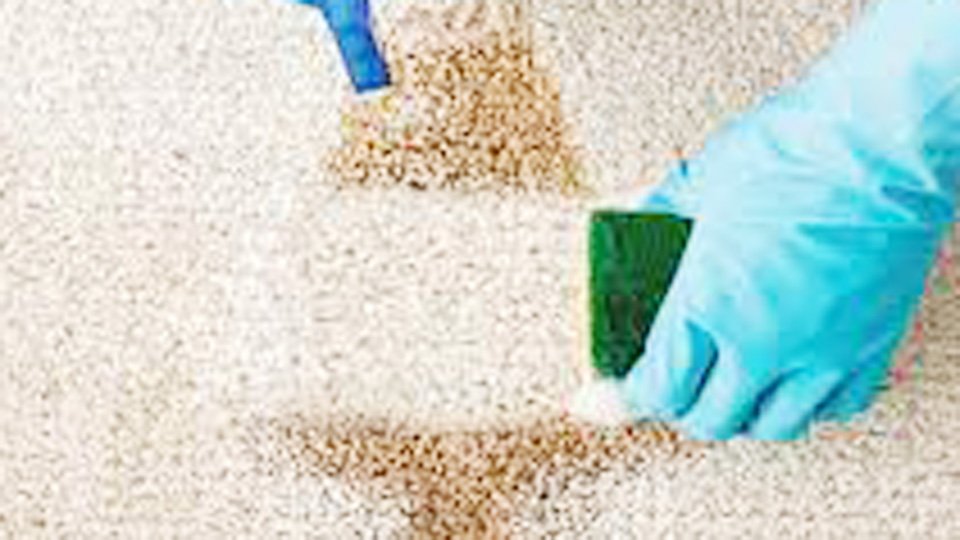
Photo by tapemanblue
Why Carpet Stains Are a Big Deal
Carpets are like sponges—they soak up everything from dirt to spills, and if left untreated, stains can become breeding grounds for bacteria or mold. For parents, this is especially concerning when little ones are crawling around. Renters face the added stress of keeping carpets pristine to avoid losing their security deposit. And for homeowners, clean carpets boost your home’s value and comfort. The good news? You don’t need a carpet cleaner to get professional-level results. With household items and a little know-how, you can tackle most stains safely and affordably.
Common Household Items That Work Wonders
Before we get into specific stain solutions, let’s talk about the tools and ingredients you likely already have at home. These are the unsung heroes of DIY carpet cleaning:
- White vinegar: A natural acid that breaks down stains and deodorizes.
- Baking soda: Absorbs odors and lifts stubborn marks.
- Dish soap: Cuts through grease and grime without damaging carpet fibers.
- Hydrogen peroxide: A gentle bleach alternative for tough stains (test first!).
- Club soda: Great for lifting fresh spills.
- Old rags or microfiber cloths: For blotting and scrubbing.
- Spray bottle: For applying cleaning solutions evenly.
- A dull knife or spoon: For scraping off dried gunk.
Keep these in your cleaning arsenal, and you’ll be ready for almost any carpet disaster.
General Stain Removal Technique for Fresh Spills
When a spill happens, time is your enemy. The faster you act, the better your chances of preventing a permanent stain. Here’s my go-to method for fresh spills, whether it’s juice, wine, or muddy paw prints:
Step-by-Step Process
- Blot, Don’t Rub: Grab a clean cloth or paper towel and gently blot the spill to soak up as much liquid as possible. Rubbing pushes the stain deeper into the carpet fibers.
- Dilute with Water: Pour a small amount of cold water onto the stain to dilute it. Blot again to absorb the liquid.
- Apply a Cleaning Solution: Mix 1 cup of water with 1 teaspoon of dish soap in a spray bottle. Lightly mist the stain, then blot with a clean cloth. For tougher stains, add a tablespoon of white vinegar to the mix.
- Rinse and Dry: Dampen a cloth with plain water and blot to remove any soap residue. Finish by pressing a dry towel into the area to absorb moisture.
Pro Tip
Always work from the outside of the stain inward to avoid spreading it. If the stain is still wet after blotting, place a dry towel over it and weigh it down with a heavy book overnight to soak up residual moisture.
Tackling Specific Stain Types
Not all stains are created equal. Here’s how to handle the most common culprits using household items, tailored to real-life scenarios.
Red Wine Spills
Picture this: you’re hosting a dinner party, and someone knocks over a glass of merlot. Don’t panic! Red wine stains are intimidating but manageable.
What You’ll Need
- Club soda or cold water
- White vinegar
- Dish soap
- Clean cloths
Steps
- Blot up as much wine as possible with a cloth.
- Pour club soda or cold water over the stain to dilute it, then blot again.
- Mix 1 part white vinegar with 2 parts water and a drop of dish soap. Apply with a spray bottle and blot until the stain fades.
- Rinse with plain water and blot dry.
Safety Warning
Avoid using hot water—it can set the stain. If the carpet is wool or a delicate material, test the vinegar solution on a hidden area first to prevent discoloration.
Coffee or Tea Stains
Morning coffee spills are practically a rite of passage for parents. I’ve lost count of how many times I’ve knocked over my mug while chasing a toddler.
What You’ll Need
- White vinegar
- Dish soap
- Warm water
- Clean cloths
Steps
- Blot the spill immediately to remove excess liquid.
- Mix 1 tablespoon of dish soap, 1 tablespoon of white vinegar, and 2 cups of warm water.
- Dab the solution onto the stain with a cloth, working from the edges inward.
- Blot with plain water to rinse, then dry with a towel.
Pro Tip
For older coffee stains, sprinkle baking soda on the area after applying the solution. Let it sit for 15 minutes before vacuuming to lift any lingering odor.
Pet Stains and Odors
Pet owners know the struggle—whether it’s a puppy accident or a cat’s hairball, pet stains are a double whammy of mess and smell.
What You’ll Need
- White vinegar
- Baking soda
- Dish soap
- Spray bottle
- Clean cloths
Steps
- Blot up as much of the mess as possible. For solid waste, use a dull knife to scrape it off gently.
- Mix equal parts white vinegar and water in a spray bottle. Add a drop of dish soap.
- Spray the stain generously and let it sit for 5–10 minutes to break down the odor-causing bacteria.
- Blot with a clean cloth, then sprinkle baking soda over the area. Let it sit for a few hours (or overnight for tough odors).
- Vacuum up the baking soda.
Safety Warning
Never use ammonia-based cleaners on pet stains—it can mimic the smell of urine and encourage pets to mark the spot again.
Grease or Oil Stains
Greasy pizza slices or spilled salad dressing can leave stubborn marks, especially in high-traffic areas like the living room.
What You’ll Need
- Dish soap
- Warm water
- Baking soda
- Clean cloths
Steps
- Blot up excess grease with a paper towel.
- Mix 1 teaspoon of dish soap with 1 cup of warm water.
- Apply the solution with a cloth and gently scrub the stain.
- Sprinkle baking soda over the area to absorb any remaining grease. Let it sit for 15 minutes, then vacuum.
Pro Tip
For extra-stubborn grease, try rubbing alcohol. Dab it on with a cloth, but test it first to ensure it doesn’t fade your carpet.
Ink Stains
Kids with markers or a leaky pen can turn your carpet into an art project gone wrong.
What You’ll Need
- Rubbing alcohol
- Cotton balls or clean cloths
- Dish soap
- Water
Steps
- Dab rubbing alcohol onto the stain with a cotton ball. Don’t soak the carpet—just apply enough to dampen the area.
- Blot gently until the ink starts to lift.
- Mix a drop of dish soap with water and blot to clean any residue.
- Rinse with plain water and dry.
Safety Warning
Rubbing alcohol can be harsh on some carpets, so always test it in an inconspicuous spot first.
Handling Set-In or Old Stains
Old stains are trickier, but not impossible. I once discovered a mystery stain under a couch that must’ve been there for months. Here’s how to tackle those stubborn, set-in marks.
Hydrogen Peroxide Method
Hydrogen peroxide is a lifesaver for old stains, but use it cautiously—it’s a mild bleaching agent.
What You’ll Need
- 3% hydrogen peroxide
- Clean cloths
- Spray bottle
- Water
Steps
- Test hydrogen peroxide on a hidden area of the carpet to check for colorfastness.
- Pour a small amount into a spray bottle and lightly mist the stain.
- Let it sit for 5–10 minutes, then blot with a clean cloth.
- Rinse with water and blot dry.
Safety Warning
Only use 3% hydrogen peroxide (the kind sold in drugstores). Higher concentrations can damage carpets. Avoid on dark or brightly colored carpets unless you’ve tested it.
Baking Soda Paste for Tough Stains
For really stubborn marks, a baking soda paste can work wonders.
Steps
- Mix 3 parts baking soda with 1 part water to form a paste.
- Spread the paste over the stain and let it sit for 15–20 minutes.
- Gently scrub with a soft brush or cloth, then vacuum up the residue.
- Blot with a damp cloth to remove any leftover paste.
Dos and Don’ts of DIY Carpet Cleaning
To keep your carpet in top shape, follow these guidelines:
Dos
- Act quickly on fresh spills to prevent them from setting.
- Always blot, never rub, to avoid damaging carpet fibers.
- Test cleaning solutions on a small, hidden area first.
- Ventilate the room to help the carpet dry faster and prevent mold.
Don’ts
- Don’t use hot water—it can set stains or damage delicate fibers.
- Don’t over-wet the carpet, as excess moisture can lead to mildew.
- Don’t use colored cloths or towels, as they may transfer dye to the carpet.
Real-Life Scenarios: Putting It All Together
Let’s walk through a couple of scenarios to show how these methods work in the chaos of everyday life.
Scenario 1: The Family Movie Night Mishap
It’s Friday night, and the kids are eating popcorn and soda on the couch. Someone knocks over a can of cola, and it soaks into the carpet. You grab a cloth and start blotting immediately, soaking up as much liquid as possible. Next, you pour club soda over the stain, blot again, and follow up with a dish soap and water solution. After rinsing and drying, the stain is gone, and movie night continues without a hitch.
Scenario 2: The Pet Emergency
Your dog has an accident on the bedroom carpet while you’re at work. By the time you get home, it’s set in and smells. You scrape off any solids, then spray a vinegar and dish soap solution over the area. After letting it sit, you blot it clean and sprinkle baking soda to neutralize the odor overnight. The next morning, you vacuum, and the carpet looks and smells fresh.
Tools to Make Life Easier
While you don’t need a carpet cleaner, a few affordable tools can make stain removal less stressful:
- Spray bottles: For applying solutions evenly ($1–$3 at dollar stores).
- Microfiber cloths: Reusable and great for blotting ($5 for a pack at most retailers).
- Soft-bristled brush: For gentle scrubbing ($2–$5 at hardware stores).
- Portable fan: Speeds up drying to prevent mold ($15–$20).
Preventing Future Stains
Once your carpet is clean, keep it that way with these tips:
- Use doormats: Place mats at all entrances to trap dirt.
- Enforce a no-shoes rule: Shoes track in dirt and oils that lead to stains.
- Vacuum regularly: Weekly vacuuming prevents dirt from embedding in fibers.
- Treat spills immediately: The sooner you act, the easier the cleanup.
When to Call a Professional
While these DIY methods work for most stains, some situations call for expert help:
- Large or deeply set stains that don’t respond to treatment.
- Delicate or antique carpets that require specialized care.
- Persistent odors that return after cleaning.
If you’re a renter, check your lease—some landlords require professional cleaning for certain types of damage.
Motivational Conclusion
You don’t need a fancy carpet cleaner to keep your home looking and feeling fresh. With a few household items and the right techniques, you can tackle everything from red wine spills to pet accidents with confidence. These methods are safe, affordable, and perfect for busy American households, whether you’re a parent juggling chaos, a renter protecting your deposit, or a homeowner maintaining your investment. By acting quickly and using these tips, you’ll save time, money, and stress while keeping your carpets spotless. So next time a spill happens, don’t panic—just grab your vinegar and baking soda and take control. Your carpet (and your wallet) will thank you!
FAQ
Can I use vinegar on all types of carpets?
Vinegar is safe for most synthetic carpets, but always test it on a hidden area first, especially for wool or delicate fibers. Dilute it with water to reduce acidity and prevent damage.
How do I remove old, unknown stains from my carpet?
For mystery stains, try the hydrogen peroxide method or a baking soda paste. Test hydrogen peroxide first, as it can bleach some carpets. If the stain persists, consider professional cleaning.
Is it safe to use dish soap on carpets?
Yes, dish soap is generally safe when diluted with water. Use a mild, clear soap without dyes, and rinse thoroughly to avoid leaving residue that attracts dirt.
What should I avoid when cleaning carpet stains?
Never use hot water, ammonia, or colored cloths. Don’t over-wet the carpet, and avoid rubbing—always blot to protect the fibers.
How can I prevent pet odors from returning?
Neutralize odors with a vinegar and baking soda combo. Vacuum regularly and consider a pet-safe carpet powder to keep odors at bay between cleanings.