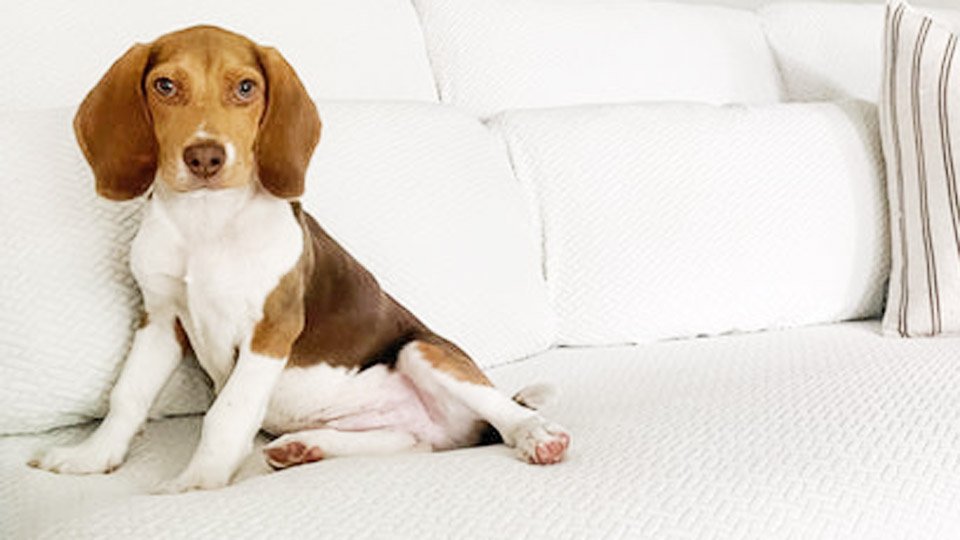
One afternoon, a friend called me in a panic because her little one had spilled juice all over her beautiful leather sofa — and, of course, she didn’t have any leather cleaner at home. I’ve faced the same situation myself, and it’s surprising how often life throws these little cleaning curveballs our way.
Knowing how to clean leather furniture without leather cleaner can be a real lifesaver, especially when you want to avoid harsh chemicals and use more eco-friendly cleaning methods. Leather is stunning but can be unforgiving with stains, and without the right care, you risk damaging its texture or color.
Whether it’s part of your seasonal deep cleaning, a quick spot-clean for fresh spills, or just routine maintenance to keep your home fresh and inviting, the right DIY techniques make all the difference. In this guide, I’ll share my tried-and-true stain removal and gentle conditioning tips that keep leather looking elegant and lasting longer — no expensive store-bought products needed.
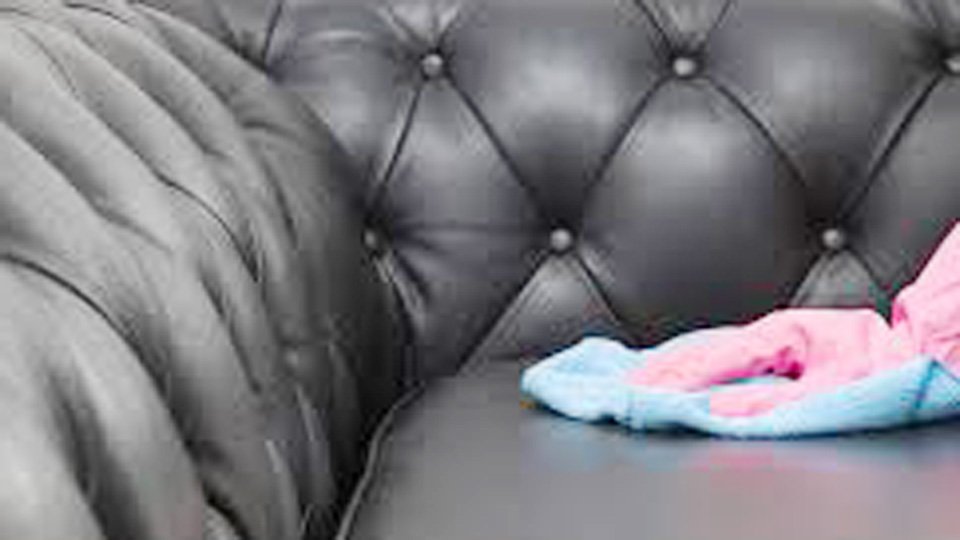
Photo by arrowfurniture
Why Cleaning Leather Furniture Matters
Leather is durable but not invincible. Dust, dirt, and oils from our skin can build up, dulling its shine and causing cracks over time. For parents, sticky fingerprints or juice spills are all too common. Renters might worry about maintaining furniture to secure their deposit, while homeowners want their living spaces to feel fresh and inviting. Regular cleaning prevents allergens, preserves the leather’s suppleness, and keeps your home hygienic. Plus, who doesn’t want their leather couch to look as luxurious as the day they bought it?
Using household items instead of commercial leather cleaners saves money and reduces exposure to harsh chemicals, which is especially important for families with young kids or pets. However, leather is sensitive, so we’ll focus on gentle, safe methods to avoid damage.
What You’ll Need to Get Started
Before diving into the cleaning process, gather these household items. They’re affordable, easy to find, and safe for most leather types when used correctly:
- Vacuum cleaner with a soft brush attachment
- Microfiber or soft cotton cloths (avoid rough materials like paper towels)
- White vinegar
- Distilled water (tap water can leave mineral deposits)
- Mild dish soap (fragrance-free, dye-free is best)
- Olive oil or coconut oil (optional, for conditioning)
- Small bucket or bowl
- Spray bottle (optional, for easy application)
- Rubbing alcohol (for ink stains)
- Baking soda (for grease stains)
- Lemon juice and cream of tartar (for light-colored leather)
Safety Tip: Always test any cleaning solution on a small, hidden area of the leather (like under a cushion) to ensure it won’t discolor or damage the material.
Step-by-Step Guide to Cleaning Leather Furniture
Let’s break down the cleaning process into manageable steps. Whether you’re dealing with everyday dust or a stubborn stain, this method works for most leather furniture, including sofas, armchairs, and ottomans.
Step 1: Vacuum Away Dust and Debris
Dust is leather’s silent enemy. It settles into creases and can scratch the surface over time. Start by vacuuming your furniture thoroughly.
How to Do It: Attach the soft brush to your vacuum cleaner. Gently run it over the entire surface, paying attention to seams, crevices, and between cushions. Use light pressure to avoid scratching.
Pro Tip: If your vacuum has strong suction, lower the setting to prevent pulling on the leather.
Real-Life Scenario: Last week, my toddler scattered cracker crumbs all over our leather recliner. A quick vacuum with the brush attachment got rid of every crumb without leaving a mark.
Step 2: Wipe Down the Surface
After vacuuming, give the leather a gentle wipe to remove any remaining surface dirt.
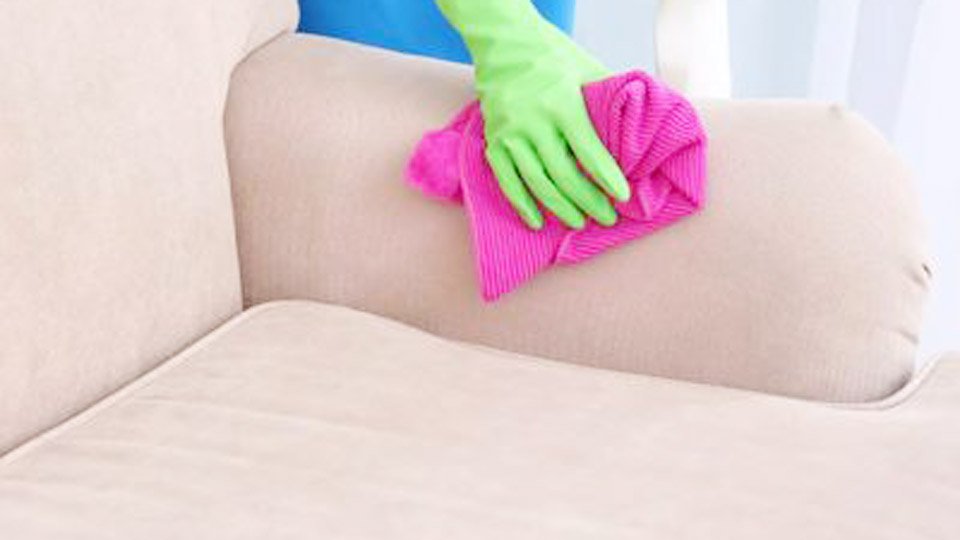
How to Do It: Use a dry microfiber cloth to wipe the entire piece. This picks up loose particles and prepares the leather for deeper cleaning.
Why It Matters: Skipping this step can spread dirt around when you apply a cleaning solution, making stains harder to remove.
For Busy Parents: I keep a microfiber cloth tucked in a drawer near the couch for quick wipe-downs after my kids’ snack time messes.
Step 3: Create a DIY Cleaning Solution
You don’t need a store-bought leather cleaner to get great results. A simple mixture of white vinegar and distilled water works wonders.
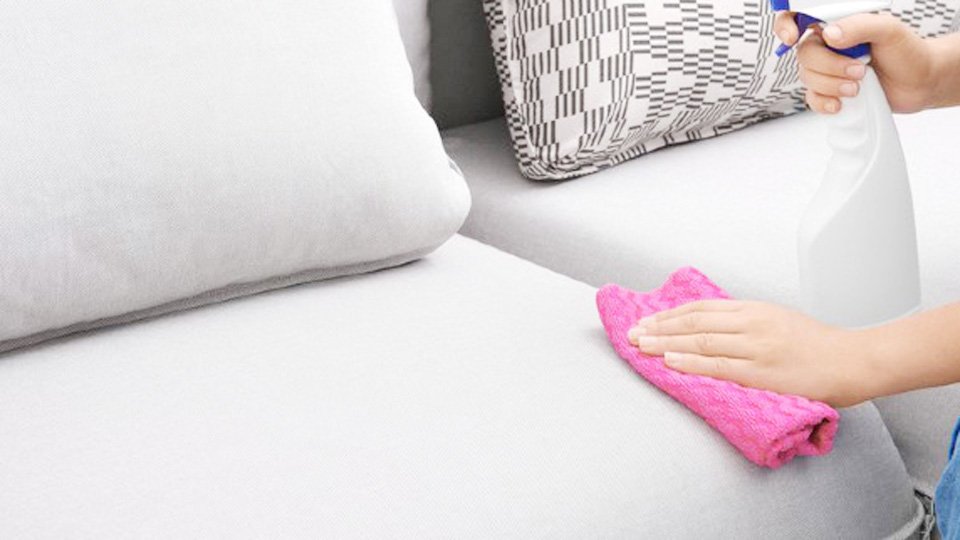
How to Make It: Mix equal parts white vinegar and distilled water in a small bucket or spray bottle (e.g., 1 cup vinegar + 1 cup water).
How to Apply: Dip a microfiber cloth into the solution, then wring it out until it’s damp, not wet. Gently wipe the leather, focusing on soiled areas. Rinse the cloth frequently to avoid spreading dirt.
Safety Warning: Never soak the leather. Excess water can seep into seams, causing warping or mold.
Real-Life Scenario: My dog jumped on the couch with muddy paws after a rainy walk. This vinegar solution lifted the dirt without harming the leather’s finish.
Step 4: Dry and Buff Immediately
Leather hates staying wet, so drying is crucial to prevent damage.
How to Do It: Use a clean, dry microfiber cloth to wipe away any residual moisture. Buff gently in circular motions to restore the leather’s natural sheen.
Pro Tip: If you notice water spots, dab them lightly with a dry cloth and let the leather AIF dry completely.
For Renters: I learned this step the hard way when I left damp leather to dry overnight, only to find faint watermarks the next day. Buffing right away prevents this.
Step 5: Condition the Leather (Optional)
To keep your leather supple and prevent cracking, consider conditioning it with a natural oil. This step is especially helpful for older furniture or dry climates.
How to Do It: Apply a tiny amount of olive oil or coconut oil to a clean cloth (a teaspoon is enough for a large sofa). Rub it into an inconspicuous spot first to test. If it looks good, apply sparingly across the leather, then buff with a dry cloth.
How Often: Condition every 6–12 months, depending on how dry your home is.
Safety Warning: Over-conditioning can make leather greasy, attracting more dirt. Less is more.
Real-Life Scenario: In my dry Colorado home, I noticed my leather ottoman looking dull. A light coconut oil treatment brought back its luster without leaving it slick.
Handling Common Stains on Leather Furniture
Spills and stains are inevitable, especially in homes with kids or pets. Here’s how to tackle the most common ones without a leather cleaner.
Grease Stains (e.g., Butter, Oil)
Grease can seep into leather quickly, so act fast.
How to Clean: Blot the stain with a dry microfiber cloth to absorb excess grease. Sprinkle baking soda over the area and let it sit for 2–3 hours to draw out the grease. Brush off the powder with a soft cloth and wipe with the vinegar-water solution.
Pro Tip: Avoid water on fresh grease stains—it can spread the oil.
Scenario: My husband dropped a slice of pizza on our leather chair. Baking soda saved the day, lifting the grease without a trace.
Ink Stains (e.g., Pen Marks)
Ink is tricky but manageable with the right approach.
How to Clean: Dab a cotton swab with rubbing alcohol (70% or less). Gently rub the ink stain until it lifts. Follow with the vinegar-water solution to clean any residue, then dry immediately.
Safety Warning: Too much rubbing alcohol can dry out leather, so use sparingly and test first.
Scenario: My son decided our couch was a canvas for his ballpoint pen. A quick alcohol dab removed the scribbles without damaging the leather.
Dark Spots on Light-Colored Leather
Light leather (white or beige) shows stains more easily, but this method works well.
How to Clean: Mix equal parts lemon juice and cream of tartar into a paste. Apply it to the stain with a soft cloth, let it sit for 10 minutes, then wipe away with a damp cloth. Dry and buff thoroughly.
Pro Tip: This works best for organic stains like coffee or juice.
Scenario: A coffee spill on my white leather sofa looked disastrous, but this paste removed it in minutes.
Mold or Mildew
Mold can form in humid environments or if liquid seeps into leather.
How to Clean: Dab rubbing alcohol on a cotton swab and gently wipe the affected area. Follow with the vinegar-water solution and dry completely.
Safety Warning: Ensure good ventilation when using alcohol, and never mix it with other cleaners.
Scenario: After storing a leather chair in a damp basement, I noticed small mold spots. Alcohol and thorough drying restored it.
Dos and Don’ts of Cleaning Leather Furniture
To make things easier, here’s a quick checklist of best practices and pitfalls to avoid:
| Do | Don’t |
|---|---|
| Test cleaning solutions on a hidden area first | Use harsh cleaners like bleach, ammonia, or window cleaner |
| Use damp, not wet, cloths to avoid saturation | Let water sit on leather—it can cause warping or stains |
| Dry and buff immediately after cleaning | Use paper towels or rough cloths that can scratch |
| Clean regularly (every 6–8 weeks) to prevent buildup | Overuse oils or conditioners, which can make leather greasy |
| Act quickly on spills to prevent permanent stains | Experiment with untested products without checking |
How Often Should You Clean Leather Furniture?
Regular maintenance keeps your leather looking its best and extends its lifespan. Here’s a simple schedule tailored for busy households:
- Weekly: Vacuum with a brush attachment to remove dust and crumbs.
- Monthly: Wipe down with a dry microfiber cloth to maintain shine.
- Every 6–8 Weeks: Clean with the vinegar-water solution, focusing on high-touch areas like armrests.
- Every 6–12 Months: Condition lightly to prevent drying or cracking.
For Parents: If your kids are prone to spills, increase cleaning to every 4–6 weeks. I keep a small cleaning kit (microfiber cloths, spray bottle, vinegar) under my sink for quick touch-ups.
Special Considerations for American Households
Living in the U.S., we face unique challenges based on climate and lifestyle. In dry states like Arizona or Nevada, leather can crack without occasional conditioning. In humid areas like Florida or Louisiana, mold is a bigger concern, so drying thoroughly is key.
Busy families with kids or pets need quick, safe solutions that fit into hectic schedules. These methods are designed to be fast, affordable, and effective, whether you’re in a small apartment or a sprawling suburban home.
Preventing Future Damage to Your Leather Furniture
Prevention is easier than stain removal. Here are some tips to keep your leather in top shape:
- Avoid Direct Sunlight: UV rays can fade and dry out leather. Position furniture away from windows or use curtains.
- Keep Pets Off: Pet claws can scratch leather, and their oils can stain it. Use a throw blanket for protection.
- Blot Spills Immediately: The faster you act, the less likely a stain will set.
- Use Coasters: Place drinks on coasters to prevent water rings or spills.
- Ventilate Your Home: Good airflow reduces humidity, preventing mold.
Scenario: After my cat scratched our leather ottoman, I started covering it with a blanket during the day. No more scratches, and it’s easier to wash the blanket than clean the leather!
Motivational Conclusion
Cleaning your leather furniture without a leather cleaner isn’t just possible—it’s simple, safe, and budget-friendly. With everyday items like vinegar, water, and a microfiber cloth, you can keep your leather sofa or chair looking luxurious while protecting your family’s health and your wallet.
Whether you’re tackling a fresh spill or reviving an old couch, these methods empower you to maintain your home with confidence. Imagine hosting friends on a spotless leather sofa or relaxing with your kids without worrying about hidden dirt. Make cleaning a regular habit, and your leather furniture will stay beautiful for years.
Frequently Asked Questions
What household items can I use to clean leather furniture?
You can use a mix of equal parts white vinegar and distilled water for general cleaning. For grease stains, try baking soda. Rubbing alcohol works for ink, and a lemon juice-cream of tartar paste is great for light-colored leather. Always test on a hidden area first.
Is it safe to clean leather furniture with vinegar?
Yes, a diluted vinegar solution (equal parts vinegar and water) is safe for most leather types when used sparingly. Wring out the cloth to keep it damp, not wet, and dry the leather immediately to prevent damage.
How do I remove ink from a leather couch?
Dab a cotton swab with rubbing alcohol and gently rub the ink stain. Wipe with a vinegar-water solution afterward and dry thoroughly. Test the alcohol on a hidden spot first to avoid drying out the leather.
Can I use olive oil to condition my leather furniture?
Yes, olive oil or coconut oil can condition leather, but use it sparingly (a teaspoon for a sofa). Apply with a soft cloth, test in an inconspicuous area, and buff well to avoid greasiness.
How often should I clean my leather furniture?
Vacuum weekly to remove dust, wipe monthly with a dry cloth, and clean with a vinegar-water solution every 6–8 weeks. Condition every 6–12 months to keep leather supple, adjusting based on your home’s climate and usage.