Have you ever spent time giving your laminate floors a thorough cleaning, only to step back and see a dull, lifeless surface? If you’ve ever wondered, “Why do my laminate floors look dull after cleaning?”, you’re not alone — it’s a common frustration for homeowners and renters. Even with regular sweeping, deep cleaning, or using eco-friendly solutions, the wrong technique or product can leave streaks, residue, or a lackluster finish that makes your whole room feel tired.
Properly cleaning laminate floors isn’t just about looks; it helps maintain hygiene, safety, and the durability of your flooring. In this guide, I’ll share practical, tried-and-true tips to restore that natural shine, remove stubborn buildup, and keep your floors looking fresh without causing damage.

Image by homesandgardens
Understanding Why Laminate Floors Lose Their Shine
Laminate floors are a favorite in many homes because they’re durable, budget-friendly, and mimic the look of hardwood. But their synthetic surface can be tricky to clean without leaving a dull finish. Let’s dive into the common culprits behind that lackluster look.
Residue Buildup from Cleaning Products
Ever notice a hazy film on your floors after mopping? That’s often residue from cleaning products. Many store-bought cleaners contain soaps, waxes, or oils that don’t fully rinse off laminate surfaces. This buildup traps dirt and dulls the shine. I once used a popular all-purpose cleaner on my kitchen floor, thinking it would work miracles. Instead, it left a sticky film that made my floors look worse.
Using Too Much Water
Laminate floors aren’t fans of water. Excessive moisture can seep into the seams, causing swelling or warping, and leave streaks as it dries. When I first got my laminate floors, I’d slosh a soaking-wet mop across them, assuming more water meant a deeper clean. Big mistake—my floors looked cloudy and felt tacky underfoot.
Harsh Chemicals or Abrasive Tools
Using cleaners with bleach, ammonia, or acidic ingredients can strip the protective coating on laminate floors, leaving them dull and vulnerable. Similarly, abrasive scrubbers like steel wool can scratch the surface, scattering light and reducing shine. I learned this the hard way when I tried scrubbing a stubborn stain with a rough sponge, only to create a permanent dull spot.
Dirt and Debris Trapped Underfoot
Even after cleaning, tiny particles of dirt or pet hair can cling to the floor, especially if your cleaning solution isn’t lifting them effectively. In my home, with two kids and a dog, I noticed my floors looked hazy because I wasn’t vacuuming thoroughly before mopping. Those tiny bits were getting smeared around, dimming the shine.
How to Restore Shine to Dull Laminate Floors
Now that we know why laminate floors look dull after cleaning, let’s get to the good part: restoring that glossy finish. Here’s a step-by-step guide to bring your floors back to life using safe, affordable methods.
Step 1: Start with a Thorough Dry Clean
Before you touch a mop, remove loose dirt and debris. This prevents scratches and ensures your cleaning solution works effectively.
Vacuum with a soft brush attachment: Use a vacuum designed for hard floors to avoid scratching. I use a lightweight cordless vacuum to quickly sweep my living room and kitchen.
Sweep with a microfiber broom: Microfiber traps dust better than traditional brooms. Sweep in the direction of the floor’s grain to catch more particles.
Pro tip: For pet owners, vacuum twice to catch all the fur. My dog’s hair seems to multiply, so I go over high-traffic areas like the entryway carefully.
Step 2: Choose the Right Cleaning Solution
The wrong cleaner can leave residue or damage your floors. Stick to gentle, laminate-safe options.
DIY Vinegar Solution: Mix 1/4 cup white vinegar with a gallon of warm water. Vinegar cuts through grease and residue without harming the laminate. I keep a spray bottle of this mix for quick touch-ups.
Laminate-Specific Cleaners: Look for products labeled “laminate-safe,” like Bona or Black Diamond. These are pH-balanced to avoid stripping the finish.
Avoid: Soapy detergents, wax-based cleaners, or anything with bleach or ammonia. I once tried a dish soap mix, thinking it was gentle, but it left a sticky mess.
Safety Warning: Never mix vinegar with bleach-based cleaners, as this creates toxic fumes. Always rinse your mop or cloth thoroughly if switching solutions.
Step 3: Mop with Minimal Water
Less is more when mopping laminate floors. Too much water leaves streaks and can damage the boards.
Use a damp microfiber mop: Wring it out until it’s barely wet. I dip my mop in the vinegar solution, then squeeze it until no water drips.
Work in small sections: Mop a 4×4-foot area, then dry immediately with a clean microfiber cloth to prevent streaks.
Real-world scenario: In my busy household, I mop high-traffic areas like the kitchen weekly, but I only damp-mop the less-used dining room monthly to avoid over-wetting.
Step 4: Buff for Extra Shine
Buffing removes light haze and enhances gloss without chemicals. I was skeptical at first, but this step made a huge difference in my home.
- Use a dry microfiber cloth: Buff in circular motions to lift smudges and restore shine.
- Try a microfiber mop head: For larger areas, attach a dry microfiber pad to your mop and go over the floor lightly.
- Tip: Buffing works best right after mopping, when the floor is clean and dry.
Step 5: Tackle Stubborn Residue
If your floors still look dull, you may have old residue buildup. Here’s how to remove it safely.
Spot-clean with rubbing alcohol: Mix one part rubbing alcohol with one part water in a spray bottle. Spray lightly on the dull area, let it sit for 30 seconds, then wipe with a microfiber cloth. I used this on a sticky spot near my fridge, and it worked like magic.
Use a laminate restorer: Products like Rejuvenate can refresh the finish without sanding. Follow the label instructions carefully.
Safety Warning: Test any solution on a small, hidden area first to ensure it doesn’t damage the finish. Avoid overusing alcohol, as it can dry out the laminate.
Do’s and Don’ts for Cleaning Laminate Floors
| Do | Don’t |
|---|---|
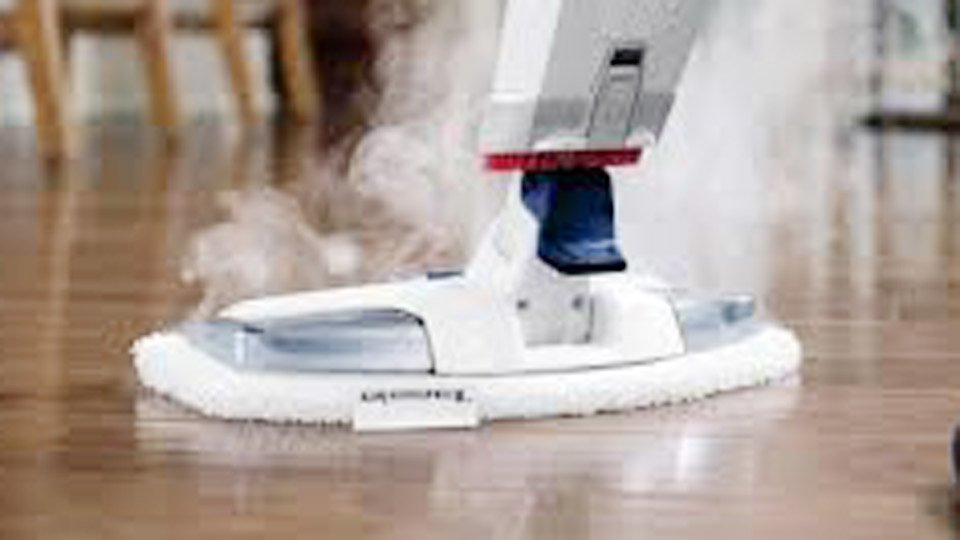
| Use microfiber cloths or mops | Use steam mops (too much moisture) |
| Clean with laminate-safe solutions | Use bleach, ammonia, or acidic cleaners |
| Vacuum or sweep before mopping | Mop with a soaking-wet mop |
| Buff with a dry cloth for shine | Use abrasive scrubbers like steel wool |
Preventing Dullness in Everyday Cleaning
Once your floors are sparkling, you’ll want to keep them that way. Here are practical tips to maintain that shine, especially for busy households with kids, pets, or frequent guests.
Create a Regular Cleaning Schedule
Consistency is key to preventing buildup. I set a weekly cleaning routine to stay on top of my floors.
- Daily: Sweep or vacuum high-traffic areas like entryways and kitchens to remove dirt.
- Weekly: Damp-mop with a laminate-safe solution. I do this on Sundays when my family’s home, so we can tackle it together.
- Monthly: Spot-treat any dull areas and buff for extra shine.
Use Mats and Rugs Strategically
Place mats at entryways to trap dirt before it reaches your floors. I have a sturdy doormat outside and a washable runner inside my front door. In the kitchen, a cushioned mat near the sink catches spills and reduces wear.
Wipe Spills Immediately
Spills left to sit can leave sticky residue or cause warping. Keep a microfiber cloth handy for quick cleanups. When my kids spill juice, I dab it up right away to avoid a sticky mess.
Protect Floors from Furniture Scratches
Furniture scratches can scatter light and dull your floors. Attach felt pads to chair and table legs. I also use coasters under heavy furniture like my couch to prevent dents.
Checklist for Maintaining Shiny Laminate Floors
- Vacuum or sweep daily in high-traffic areas
- Use a laminate-safe cleaner weekly
- Wipe spills immediately with a damp cloth
- Place mats at entryways and high-spill zones
- Buff monthly for extra gloss
- Check furniture for protective pads
Common Mistakes to Avoid When Cleaning Laminate Floors
Even with the best intentions, it’s easy to make mistakes that dull your floors. Here are pitfalls I’ve encountered and how to steer clear.
Overusing Cleaning Products
Using too much cleaner can leave a filmy residue. I once poured way too much store-bought cleaner into my mop bucket, thinking it would make my floors extra clean. Instead, they looked hazy. Stick to the recommended dilution ratios—less is often more.
Ignoring Manufacturer Guidelines
Not all laminate floors are the same. Check your floor’s care instructions, usually found on the manufacturer’s website or in your installation manual. My floors, for example, have a specific finish that doesn’t play well with certain cleaners.
Skipping the Pre-Clean Step
If you mop without vacuuming first, you’re just pushing dirt around. I learned this after noticing streaks in my hallway—pet hair was the culprit. Always vacuum or sweep thoroughly before mopping.
Using Wax or Polish Incorrectly
Wax-based polishes can build up and attract dirt, making floors look duller over time. If you use a restorer, choose one designed for laminate and follow the instructions to avoid overuse.
When to Call a Professional
Sometimes, dull floors need more than a DIY fix. If you’ve tried everything and your floors still look lackluster, it might be time to call in a pro.
Deep scratches or gouges: A professional can sand and refinish the top layer without replacing the floor.
Persistent haze: If residue won’t budge, a cleaning service with specialized equipment can restore the finish.
Water damage: Warped or swollen boards may need replacement, which is best left to experts.
I called a professional when I noticed a cloudy patch in my dining room that wouldn’t lift, even after multiple cleanings. They used a commercial-grade cleaner and buffer, and the results were stunning.
Safety Warning: If you suspect water damage, act quickly to prevent mold growth, which can pose health risks, especially for kids or those with allergies.
Motivational Conclusion
Dull laminate floors don’t have to be a permanent problem. With the right techniques—starting with a thorough dry clean, using laminate-safe solutions, and mopping sparingly—you can restore that showroom shine and keep it glowing. These methods are affordable, safe for families and pets, and fit into even the busiest schedules.
Whether you’re a homeowner wanting a pristine living space, a renter aiming to impress your landlord, or a parent keeping a safe environment for your kids, shiny floors make your home feel welcoming and cared for. Try these tips this weekend, and I promise you’ll love the results. Your floors will thank you, and you’ll feel proud of your sparkling, healthy home.
Frequently Asked Questions
Can I use vinegar to clean my laminate floors?
Yes, vinegar is safe and effective for laminate floors when diluted properly. Mix 1/4 cup white vinegar with a gallon of warm water, and use a damp mop to clean. Avoid soaking the floor to prevent water damage.
Is it safe to use steam mops on laminate floors?
No, steam mops are not safe for laminate floors. The heat and moisture can seep into seams, causing warping or delamination. Stick to damp mopping with a microfiber mop and a gentle cleaner.
Why do my floors look streaky after cleaning?
Streaks often come from too much water, residue from cleaners, or dirt left behind. Vacuum thoroughly before mopping, use a minimal amount of laminate-safe solution, and dry the floor immediately with a microfiber cloth.
Can I use furniture polish to restore shine on laminate floors?
No, furniture polish can leave a greasy residue that attracts dirt and dulls the finish. Use a laminate-specific restorer or buff with a dry microfiber cloth for a safe shine boost.
How often should I clean my laminate floors to keep them shiny?
Vacuum or sweep high-traffic areas daily to remove dirt. Damp-mop weekly with a laminate-safe cleaner, and buff monthly for extra shine. Wipe spills immediately to prevent stickiness or damage.