A few weeks ago, I noticed my favorite wooden coffee table looking dull and spotted with water rings from everyday use — it made my living room feel a little neglected despite all my deep cleaning efforts. That’s when I started searching for a simple home remedy that cleans wood furniture effectively without harsh chemicals.
I realized that keeping wood surfaces spotless isn’t just about aesthetics; it also helps prevent grime buildup, protects the finish, and maintains a hygienic environment, especially if you have kids or pets.
I’ve tried a few eco-friendly solutions that safely remove stains, dust, and sticky residues without damaging the wood. In this guide, I’ll share the home remedies that actually work, making your wooden furniture shine while keeping your cleaning routine natural, safe, and stress-free.
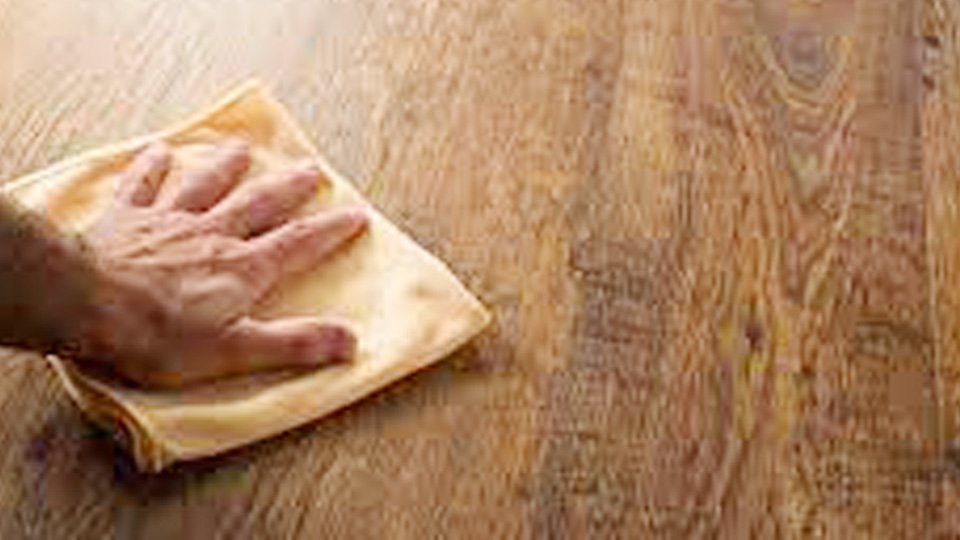
Image by fantasticcleaners
Why Wood Furniture Gets Dirty (and Why It Matters)
Wood furniture is a magnet for everyday messes—dust, spills, fingerprints, and even polish buildup over time. As a busy parent, I know how quickly a dining table can become a canvas for juice spills or crayon marks. These messes don’t just dull the finish; they can trap allergens, affect indoor air quality, and even damage the wood if left untreated. Using safe, natural cleaning methods ensures your furniture stays beautiful while protecting your family’s health.
Neglecting wood furniture can also lead to costly repairs. Water stains, scratches, or dried-on grime can weaken the finish, especially on sealed or varnished pieces common in American homes. By using gentle, effective home remedies, you’re not just cleaning—you’re preserving your furniture for years to come.
Understanding Your Wood Furniture’s Finish
Before you grab any cleaning supplies, it’s crucial to know what kind of finish your furniture has. This determines which home remedies are safe to use.
Sealed or Varnished Finishes
Most modern wood furniture, like dining tables or bookshelves, has a sealed finish (polyurethane or lacquer). These are durable and can handle mild cleaning solutions without soaking up moisture. You’ll find these in many American households—think IKEA or Ashley Furniture pieces.
Unsealed or Oiled Finishes
Older or high-end furniture, like antique dressers or oiled walnut tables, may have a wax or oil finish. These are more porous and sensitive to liquids, so you’ll need to be extra cautious to avoid over-wetting or stripping the wood.
How to Tell the Difference
Not sure what finish you’re dealing with? Dab a small amount of water in an inconspicuous spot (like the underside of a table). If it beads up, it’s likely sealed. If it soaks in or darkens the wood, it’s unsealed, and you’ll need a gentler approach. Always test any cleaning solution on a hidden area first.
My Go-To Home Remedy for Cleaning Wood Furniture
After years of trial and error, I’ve found a simple, natural cleaner that works wonders on sealed wood furniture. It’s safe, affordable, and uses ingredients you probably have at home: white vinegar, olive oil, and lemon juice. This blend cleans grime, lifts stains, and restores shine without leaving a greasy residue.
Ingredients You’ll Need
- White Vinegar: Cuts through grease and sticky messes while acting as a mild disinfectant.
- Olive Oil: Moisturizes the wood and adds a natural shine.
- Lemon Juice: Boosts cleaning power and leaves a fresh scent.
- Optional: Lavender Essential Oil: Adds a pleasant aroma and mild antibacterial properties.
Step-by-Step Cleaning Method
- Mix the Solution: In a glass spray bottle, combine ½ cup white vinegar, ¼ cup olive oil, 1 tablespoon lemon juice, and 10-15 drops of lavender essential oil (if using). Shake well to emulsify.
- Test First: Spray a small amount on a hidden area of your furniture. Wipe with a soft cloth and check for any adverse reactions after 5 minutes.
- Apply Sparingly: Lightly mist the solution onto the wood surface. Don’t oversaturate—less is more.
- Wipe and Buff: Use a soft microfiber or cotton cloth to wipe in circular motions, following the grain of the wood. Buff with a clean, dry cloth for a polished shine.
- Repeat as Needed: For tough spots, apply a bit more solution and let it sit for 1-2 minutes before wiping.
Safety Warning
Avoid using this solution on unsealed or waxed furniture, as the vinegar can strip the finish. For delicate pieces, stick to dry dusting or a very diluted soap solution (more on that later).
Why This Works
The vinegar dissolves sticky residues and disinfects, while the olive oil conditions the wood to prevent drying or cracking. Lemon juice adds extra cleaning power and a fresh scent, making your home feel clean and inviting. I’ve used this on my sealed oak dining table, and it’s like giving it a spa day—clean, shiny, and chemical-free.
Alternative Home Remedies for Specific Messes
Not every mess calls for the same solution. Here are some targeted remedies for common wood furniture problems.
Removing Water Rings
Water rings from glasses are a common headache. I remember my panic when my son left a sweaty lemonade glass on our coffee table. Here’s what worked:
Non-Gel Toothpaste: Apply a small amount of non-gel toothpaste to the ring. Rub gently with a soft cloth until the stain lifts. Wipe clean with a damp cloth and dry thoroughly.
Baking Soda Paste: Mix 1 tablespoon baking soda with 1 teaspoon water. Apply to the stain, rub gently, and wipe off. This works for stubborn rings but test first to avoid scratching.
Tackling Sticky Residue
Kids’ stickers or spilled syrup can leave a sticky mess. My go-to is a mild dish soap solution:
- Dish Soap and Water: Mix 1 teaspoon mild dish soap (like Dawn) with 1 cup warm water. Dip a soft cloth in the solution, wring it out until damp, and gently wipe the sticky area. Dry immediately with a clean cloth to avoid moisture damage.
Erasing Ink or Crayon Marks
Crayon art on your dining table? Been there. Try this:
- Baking Soda and Water: Make a paste with 1 tablespoon baking soda and a few drops of water. Apply to the mark, rub gently with a soft cloth, and wipe clean. This worked like magic when my daughter decided our side table was her canvas.
Polishing Dull Finishes
For furniture that’s lost its shine, a simple polish can make a big difference:
- Olive Oil and Vinegar Polish: Mix 1 cup olive oil with ¼ cup white vinegar. Apply with a soft cloth, working with the grain, and buff until shiny. This is great for sealed furniture but avoid on waxed or oiled finishes.
Caring for Delicate or Antique Furniture
Antique or waxed furniture requires extra care. My grandmother’s cherry wood dresser is a family heirloom, and I’ve learned to treat it gently to preserve its beauty.
Dry Dusting
For daily maintenance, use a dry microfiber cloth to remove dust. Avoid wet cleaning unless absolutely necessary, as moisture can penetrate the finish.
Mild Soap Solution
For occasional cleaning, mix a few drops of mild dish soap with warm water. Use a barely damp cloth to wipe the surface, and dry immediately. Never let water sit on unsealed wood.
Conditioning with Oil
If the wood looks dry, apply a small amount of pure olive oil or walnut oil with a soft cloth. Let it soak in for a few hours, then buff away excess. I do this once a year on my dresser, and it keeps the wood looking rich and hydrated.
Safety Warning
Never use acidic cleaners (like vinegar or lemon juice) on waxed or oiled finishes, as they can strip the protective layer. Always test on a hidden area, especially with antiques.
Dos and Don’ts for Cleaning Wood Furniture
To make things easier, here’s a quick checklist to keep your wood furniture in top shape:
| Do | Don’t |
|---|---|
| Dust weekly with a microfiber cloth to prevent buildup. | Use paper towels—they can leave micro-scratches. |
| Test any cleaner on a hidden area first. | Apply too much liquid, especially on unsealed wood. |
| Use soft, lint-free cloths for wiping and buffing. | Use abrasive sponges or scrubbers that can damage the finish. |
| Clean spills immediately to avoid stains. | Use commercial sprays with harsh chemicals on delicate finishes. |
| Buff with the grain for a polished look. | Mix vinegar with bleach or ammonia—it creates toxic fumes. |
Real-World Cleaning Scenarios
Let’s put these remedies into context with some everyday scenarios American households face:
The Family Dining Table: After a taco night, your table is covered in salsa splashes and grease. Use the vinegar-olive oil-lemon juice spray to clean and polish. It cuts through grease and leaves the table ready for tomorrow’s breakfast.
The Kid’s Craft Corner: Your coffee table is a mess of glue and markers. Start with a mild soap solution for the glue, then tackle marker stains with a baking soda paste. Finish with a light polish to restore shine.
The Heirloom Dresser: Your antique dresser is dusty but delicate. Dry dust with a microfiber cloth, and if it needs more, use a barely damp soap solution followed by a dry buff. Apply walnut oil once a year to keep it hydrated.
Tools You’ll Need for Success
You don’t need fancy equipment to clean wood furniture. Here’s what I keep on hand:
- Glass Spray Bottle: Essential oils can degrade plastic, so glass is best for storing homemade cleaners.
- Microfiber Cloths: Soft, lint-free, and perfect for dusting and buffing.
- Cotton Rags: Old T-shirts or flannel work great for applying polish.
- Small Bowl: For mixing pastes like baking soda or soaking cloths in soap solutions.
These are affordable, reusable, and easy to find at stores like Target or Walmart.
Why Natural Remedies Are Better for Your Home
Using home remedies isn’t just about saving money (though that’s a big perk!). It’s about creating a safer environment for your family. Commercial cleaners often contain synthetic fragrances and solvents that can irritate asthma or allergies—something I’ve noticed with my kids.
Natural ingredients like vinegar, olive oil, and lemon juice are non-toxic, eco-friendly, and just as effective when used correctly. Plus, they’re budget-friendly, which is a win for renters or anyone watching their household expenses.
Keeping Your Furniture Clean Long-Term
Prevention is key to keeping wood furniture looking its best. Here are my top tips:
- Use Coasters: Prevent water rings by keeping coasters handy for drinks.
- Dust Regularly: A quick weekly dusting prevents grime buildup.
- Avoid Direct Sunlight: Prolonged sun exposure can fade or dry out wood, so use curtains or rearrange furniture if needed.
- Clean Spills Immediately: The sooner you tackle a spill, the less likely it is to stain.
Motivational Conclusion
Cleaning wood furniture with home remedies is more than just a chore—it’s a way to care for your home and the memories it holds. Whether it’s your dining table where family gathers or an antique dresser passed down through generations, these natural solutions help you keep them looking beautiful without breaking the bank or compromising safety.
I love knowing that my kids can touch our freshly cleaned table without me worrying about chemical residues. With a few pantry staples and a little elbow grease, you can restore your furniture’s shine and make your home feel warm and inviting.
FAQ
What home remedy cleans wood furniture without damaging it?
A mix of ½ cup white vinegar, ¼ cup olive oil, and 1 tablespoon lemon juice works great for sealed wood furniture. Spray lightly, wipe with a soft cloth, and buff for a natural shine. Avoid on waxed or oiled finishes.
Can I use vinegar to clean antique wood furniture?
No, vinegar can strip waxed or oiled finishes on antiques. Use a dry microfiber cloth for dusting or a mild soap solution for deeper cleaning. Always test first.
How do I remove water stains from wood furniture?
Apply non-gel toothpaste to the stain and rub gently with a soft cloth. For stubborn stains, mix equal parts baking soda and toothpaste, then wipe clean and dry thoroughly.
Is it safe to use olive oil on all wood furniture?
Olive oil is safe for sealed or varnished furniture but can be too heavy for waxed or oiled finishes. Use sparingly and buff well to avoid a greasy residue.
What should I avoid when cleaning wood furniture?
Never use abrasive scrubbers, paper towels, or harsh chemicals like bleach on wood furniture. Avoid over-wetting, especially on unsealed wood, and don’t mix vinegar with bleach or ammonia—it creates toxic fumes.