One day I looked at my favorite wooden coffee table and realized it had lost its shine — little water rings, dull patches, and dust buildup made it look far older than it really was. Like many homeowners, I didn’t want to rely on harsh chemical cleaners, so I started exploring eco-friendly solutions and found that learning how to restore wood furniture with vinegar was a game-changer.
Wood surfaces can fade or stain, and no matter how much deep cleaning you do in the kitchen, bathroom, or other rooms, that worn-out furniture can make your home feel less fresh. The beauty of using vinegar is that it’s affordable, safe, and great for stain removal, while also bringing back that natural glow we all love in wood. I’ll share the simple steps I use to restore and refresh wooden furniture so it looks clean, polished, and full of life again.
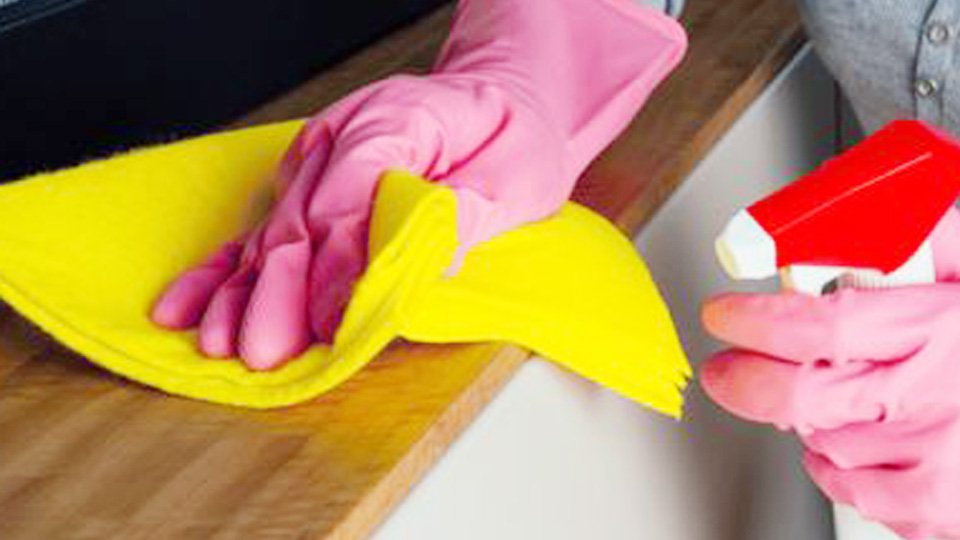
Image by dirt2neat
Why This Natural Approach Makes Sense for Busy Households
Picture this: You’re wiping down the kitchen table after a family dinner, and you notice those faded spots from years of homework sessions and craft projects. Commercial polishes might promise miracles, but they often leave behind residues that build up over time or contain fumes that aren’t ideal for homes with kids or allergies. That’s where vinegar shines—it’s a staple in most American kitchens, costing pennies per use, and it tackles multiple issues at once: cleaning, deodorizing, and even light polishing.
From my experience, this method appeals to parents like me who want safe options around children, or renters who can’t afford to damage landlord property. It’s efficient for quick touch-ups before holiday gatherings, and it promotes hygiene by breaking down bacteria without the need for bleach or other strong agents.
Health-wise, avoiding synthetic cleaners reduces exposure to volatile organic compounds, which can linger in the air. And for efficiency? A single session can transform a dull piece in under an hour, freeing up your weekend for what really matters—like that Little League game or a quiet coffee on the porch.
One thing I love is how it ties into our cultural love for DIY hacks. Across the U.S., from bustling city apartments to suburban homes, folks are turning to natural solutions for sustainability. Vinegar restoration isn’t just a fad; it’s a practical way to extend the life of your furniture, saving money and reducing waste. If you’re a cleaning enthusiast, you’ll appreciate the satisfaction of seeing immediate results without elbow grease overload.
Gathering What You Need Before You Start
Before we get our hands dirty—or should I say vinegary—let’s talk about prep. Nothing’s more frustrating than starting a project and realizing you’re missing something halfway through. I’ve been there, rummaging through cabinets mid-process!
Here’s a simple checklist of essentials:
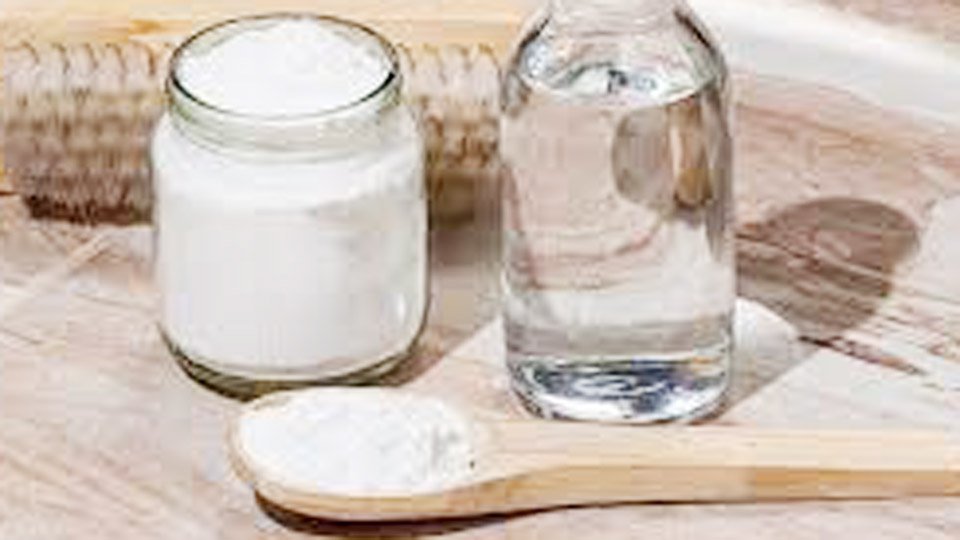
- White vinegar (distilled is best for its clarity and mildness)
- Olive oil or vegetable oil (whatever’s in your pantry)
- Soft microfiber cloths or old cotton rags (avoid anything abrasive)
- A small bowl for mixing
- Optional: A spray bottle for even application, and mild dish soap for extra grimy spots
That’s it— no fancy tools required. These items are likely already in your home, making this accessible for anyone from first-time apartment dwellers to seasoned homeowners. If you’re dealing with antique pieces, grab a vacuum with a soft brush attachment to gently remove loose dust first. Safety gear? Just some gloves if your skin is sensitive to vinegar’s tang.
In real life, I’ve used this on everything from my dining room chairs scuffed by kids’ backpacks to a garage sale coffee table baked by Texas sun. The key is starting small; pick one piece to test your confidence.
Mixing Up Your Go-To Restoration Solution
The heart of this method is the vinegar and oil blend—think of it as a nourishing tonic for thirsty wood. I like a 3:1 ratio of oil to vinegar, but you can adjust based on how dry your furniture feels. For instance, three tablespoons of olive oil to one tablespoon of vinegar covers a small table easily.
Why this combo? The vinegar acts as a gentle cleanser, breaking down surface buildup, while the oil penetrates to moisturize and protect. It’s like giving your wood a spa day! If the vinegar smell worries you (it fades quickly), add a drop of lemon essential oil for a fresh scent—perfect for spring cleaning vibes.
Stir it up in your bowl until well combined; it might separate a bit, so give it a quick mix before each dip. This recipe is forgiving, so don’t stress measurements. For darker woods, I’ve swapped in apple cider vinegar for a warmer tone, but stick to white for lighter pieces to avoid discoloration.
One tip from my trials: If your furniture is extra parched, like that old bookshelf from humid Florida storage, go heavier on the oil. It’s all about listening to what your wood needs.
Applying the Magic Step by Step
Alright, let’s roll up our sleeves. I always start by clearing a workspace—lay down old newspapers or a tarp to catch drips, especially if you’re indoors on a rainy day.
First, dust off the piece thoroughly. Use a dry cloth or vacuum to whisk away cobwebs and crumbs. This ensures the solution bonds directly with the wood, not a layer of grime.
Next, dip your cloth into the mixture—wring it out so it’s damp, not dripping. Rub it onto the surface in gentle circular motions, following the grain to avoid streaks. You’ll see the wood drink it up, looking richer almost instantly. For larger areas like a dresser, work in sections to keep things manageable.
After covering everything, let it sit for 10-15 minutes. Then, buff with a clean, dry cloth to remove excess. This step is crucial for a non-greasy finish. In my experience, waiting 30 minutes total before using the furniture lets it fully absorb, preventing sticky surprises.
Repeat if needed for deeper restoration—I’ve done two coats on a sun-faded sideboard, and it looked brand new. The whole process takes about 45 minutes for a medium piece, fitting perfectly into a lunch break.
Tackling Those Pesky Water Rings and Stains
Water rings are the bane of wood lovers—think of that coffee mug left overnight during a late study session. Vinegar handles them like a champ without harsh abrasives.
Mix equal parts vinegar and water in a spray bottle. Spritz lightly on the ring, let it sit for a few minutes to loosen the mark, then wipe with a soft cloth. For stubborn ones, add a touch of baking soda to make a paste; gently rub and rinse off.
I’ve saved a family picnic table from ring city after a summer barbecue this way. It’s safe for most finishes, but always test in a hidden spot first. If the stain’s deep-set, like from red wine at a holiday party, layer on the vinegar solution and cover with plastic wrap overnight for extra penetration.
Remember, prevention is key: Coasters are your friends in humid climates like the Southeast.
Smoothing Out Scratches and Minor Damage
Kids’ toys, pet claws, moving mishaps—scratches happen in every home. The good news? Your vinegar-oil mix doubles as a scratch filler.
For light marks, apply the blend directly and rub firmly with the grain. The oil swells the wood slightly, minimizing visibility. On a walnut hutch I restored, this hid dings from years of use beautifully.
For deeper scratches, mix in a bit more oil and use fine steel wool (0000 grade) to gently buff before applying. It’s like erasing pencil marks—satisfying and effective.
If it’s a chip, colored wax sticks from the hardware store can blend in after your vinegar treatment. I’ve fixed a nightstand gouged during a cross-country move this way, blending it seamlessly.
Keeping Your Furniture Looking Fresh Long-Term
Restoration isn’t a one-and-done; maintenance keeps that shine going. I dust weekly with a microfiber cloth and do a full vinegar treatment every few months, depending on wear.
In dry areas like the Southwest, humidity fluctuations can crack wood, so oil-heavy mixes help. For high-traffic spots like entryway benches, add beeswax after vinegar for extra protection—rub it on and buff for a water-resistant barrier.
Store leftovers in a jar for quick touch-ups. And for outdoor pieces? Vinegar works wonders on patio furniture, cutting through pollen and bird droppings—just ensure it’s sealed wood.
Here’s a quick dos and don’ts table to keep handy:
| Dos | Don’ts |
|---|---|
| Test on a small area first | Use undiluted vinegar—it can etch the finish |
| Work with the wood grain | Soak the wood; excess moisture warps it |
| Buff thoroughly after application | Apply on laminate or particleboard—it won’t absorb |
| Use natural oils for best results | Mix with harsh chemicals like bleach |
| Repeat as needed for buildup | Rush the drying time; patience pays off |
This guide has saved me countless hours and dollars over the years.
Navigating Safety and Avoiding Pitfalls
Safety first, always—especially in homes with curious toddlers or pets. Vinegar is non-toxic, but its acidity can irritate skin, so gloves are smart. Work in a well-ventilated area; the smell dissipates, but fresh air helps.
Common mistakes? Over-wetting, which leads to swelling or mildew in damp basements. Or skipping the test patch—I’ve seen a friend dull a vintage table that way. If your piece has wax buildup, vinegar might not cut it alone; pre-clean with mild soap.
For antiques, consult a pro if unsure—better safe than sorry with family treasures. And in earthquake-prone areas like California, secure furniture post-restoration to prevent topples.
Bringing It to Life with Everyday Stories
Let me share a quick tale: Last fall, our living room end table was scarred from pumpkin carving gone wild. With kids excited for Halloween, I mixed up the solution right there in the kitchen. We turned it into a family activity—wiping and buffing together. Not only did the table gleam, but it sparked chats about caring for our things.
Or take my neighbor, a renter in a Chicago high-rise. She revived a thrifted armchair faded from window sun, using this method to match her modern decor without risking her deposit. It’s versatile for urban life, where space is tight and time is precious.
In rural settings, like my cousin’s farm in Iowa, vinegar tackles dust from fields and animal dander effectively. Real scenarios show it’s not just theory—it’s practical for diverse American lifestyles.
Exploring Variations for Different Wood Types
Not all wood is created equal. For oak or maple in traditional homes, the standard mix works wonders. Pine, common in cabins up North, absorbs quickly, so lighter applications prevent greasiness.
Teak or mahogany? Opt for more vinegar to cut oils without overpowering. In coastal areas with salty air, this method combats corrosion subtly.
Experiment gently—I’ve tweaked ratios for a cedar chest, adding flax oil for deeper nourishment. It’s about adapting to your environment, whether humid South or arid West.
When to Call in the Pros or Try Advanced Tweaks
Sometimes, vinegar isn’t enough for major damage like deep burns or veneer peels. That’s when I suggest a professional refinisher, especially for valuables.
For fun twists, infuse your mix with herbs like rosemary for a subtle aroma—great for bedroom furniture. Or combine with coconut oil for a tropical vibe in Florida homes.
But stick to basics first; mastery comes with practice.
Wrapping Up with Confidence and Sparkle
There you have it, neighbor—a straightforward path to restoring your wood furniture with vinegar that saves time, money, and sanity. This method isn’t just effective; it’s empowering, turning worn pieces into pride-of-place items that tell your family’s story.
You’ll love the hygiene boost, the safety for your loved ones, and the efficiency that fits our fast-paced lives. Give it a try on that neglected chair, and watch the transformation.
Is vinegar safe for all types of wood furniture?
Absolutely, but with caveats—it’s great for sealed real wood like oak or walnut, but avoid unsealed or waxed surfaces to prevent absorption issues. Always test first.
How often should I use this method on my furniture?
Aim for every 3-6 months, or as needed based on use. High-traffic pieces might need more frequent touch-ups, while display items can go longer.
Can I use vinegar to remove tough odors from wood?
Yes, its deodorizing properties shine here—mix with water, wipe down, and let air dry. For pet smells, add baking soda for extra power.
What if the vinegar smell lingers after application?
It usually fades within hours, but speed it up by opening windows or adding essential oils to the mix. No worries—it’s temporary!
Does this work on outdoor wood furniture too?
Definitely, for sealed pieces—it cuts through weather grime. Just ensure thorough drying to avoid moisture traps in rainy climates.