I used to dread bathroom cleaning days because no matter how much scrubbing I did, soap scum and hard water stains always seemed to stick around. That’s when I learned how to make bathroom cleaner with Dawn and vinegar — and honestly, it completely changed the way I clean. If you’ve ever struggled with deep cleaning your tub, shower doors, or tile grout, you know how frustrating it feels to waste time and energy without seeing a sparkling finish.
The beauty of this homemade cleaner is that it’s an eco-friendly solution that cuts through grime, lifts stains, and leaves everything fresh without relying on harsh chemicals. It’s budget-friendly and easy to mix with items you probably already have at home. In this guide, I’ll walk you through my tried-and-true method for making this powerful DIY cleaner so your bathroom not only looks spotless but also feels healthier and more inviting.
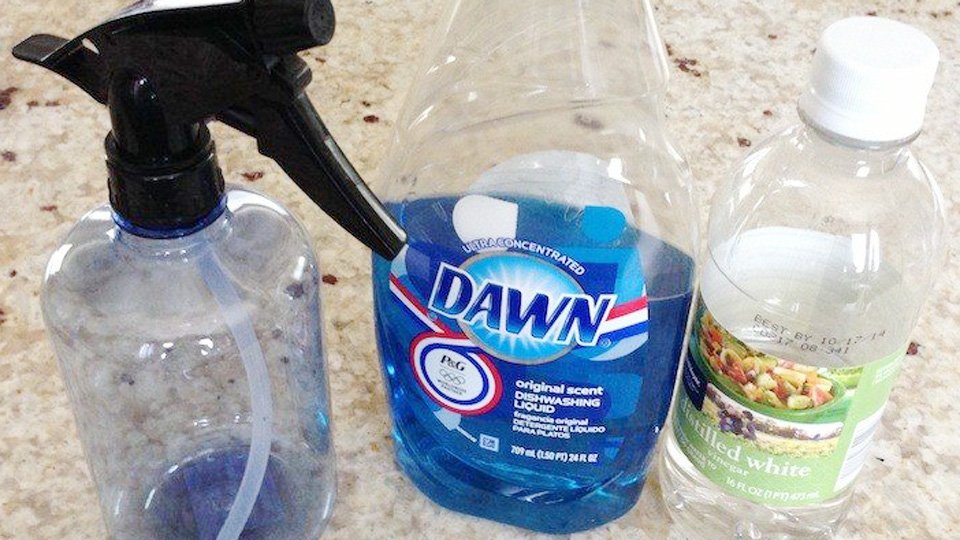
Image by geekdad
Why Choose a Homemade Bathroom Cleaner?
Bathrooms are the heart of home hygiene, but they’re also a breeding ground for soap scum, mildew, and hard water stains. Commercial cleaners can be expensive, filled with chemicals that irritate skin or lungs, and sometimes just don’t work. A homemade cleaner with Dawn dish soap and white vinegar is a game-changer. It’s budget-friendly, eco-conscious, and safe for households with kids or pets. Plus, it cuts through grime like nobody’s business, leaving your bathroom sparkling without the toxic fumes.
This cleaner matters because it’s practical for everyday life. Whether you’re a parent juggling a hectic schedule, a renter wanting to keep your deposit-worthy bathroom pristine, or a cleaning enthusiast who loves a good DIY hack, this solution fits seamlessly into your routine. It’s about taking control of your home’s cleanliness while keeping things simple and safe.
What Makes Dawn and Vinegar So Effective?
Dawn dish soap is a powerhouse at cutting through grease and grime, which is exactly what soap scum and body oils in your bathroom are made of. Its ability to dissolve tough messes makes it a staple in many cleaning hacks. White vinegar, with its acetic acid, is a natural disinfectant that tackles mineral deposits, hard water stains, and even mildew. When combined, these two create a sprayable cleaner that clings to surfaces, breaks down buildup, and rinses away easily.
The Science Behind the Magic
The acetic acid in vinegar reacts with the calcium and magnesium in soap scum, turning it into soluble compounds that wipe away effortlessly. Dawn’s grease-fighting properties handle the oily residue, making this combo perfect for showers, tubs, and sinks. It’s not magic—it’s science, but it sure feels magical when you see the results.
How to Make Your Dawn and Vinegar Bathroom Cleaner
Ready to whip up this miracle cleaner? It’s so easy, you’ll wonder why you didn’t try it sooner. Here’s how to make a bathroom cleaner with Dawn and vinegar in just a few steps.
What You’ll Need
- 1 cup white vinegar (distilled, 5% acetic acid)
- 1 cup Original Blue Dawn dish soap (avoid ultra-concentrated versions)
- A 24–32 oz. spray bottle
- A microwave-safe bowl or measuring cup
- A funnel (optional, but helpful)
- Optional: 10–15 drops of essential oils (like lavender or lemon) for a pleasant scent
Step-by-Step Instructions
Heat the Vinegar: Pour 1 cup of white vinegar into a microwave-safe bowl or measuring cup. Heat it in the microwave for about 30–60 seconds until it’s warm, not boiling. Warming the vinegar helps it mix better with the Dawn.
Combine Ingredients: Carefully pour the warm vinegar into your spray bottle using a funnel. Add 1 cup of Original Blue Dawn dish soap. If you’re using essential oils, add them now for a fresher scent.
Mix Gently: Secure the spray bottle lid and gently shake to combine. Avoid vigorous shaking to prevent excessive suds.
Label and Store: Label your bottle clearly (e.g., “Bathroom Cleaner”) and store it in a cool, dry place away from kids and pets.
Safety Tip: Always use a clean spray bottle to avoid contamination. Never reuse a bottle that previously held harsh chemicals without thoroughly cleaning it first.
Adjusting the Ratio for Less Suds
If you find the cleaner too sudsy, try a 2:1 ratio (2 parts vinegar to 1 part Dawn). This works well for surfaces that are harder to rinse, like countertops or fixtures.
How to Use Your DIY Cleaner in the Bathroom
This cleaner is versatile and can tackle almost any bathroom surface, from glass shower doors to porcelain sinks. Here’s how to use it effectively for different cleaning tasks.
Cleaning Glass Shower Doors
Soap scum and hard water stains love to cling to glass shower doors, making them look cloudy. To restore their sparkle:
- Spray Generously: Mist the solution over the glass doors, ensuring full coverage.
- Let It Sit: Allow it to sit for 10–15 minutes (or up to 30 minutes for heavy buildup).
- Scrub Lightly: Use a non-abrasive sponge or microfiber cloth to scrub gently.
- Rinse and Dry: Rinse thoroughly with warm water. Use a squeegee or microfiber cloth to dry for a streak-free finish.
Pro Tip: For stubborn stains, let the solution sit for an hour or run hot water in the shower to create steam before applying. The steam loosens grime, making it easier to clean.
Tackling Bathtubs and Tiles
Bathtubs and tiled walls often collect soap scum and mildew in corners. Here’s how to make them shine:
- Prep the Area: Remove shampoo bottles, soaps, or other items for better access.
- Apply the Cleaner: Spray the solution on the tub, tiles, and grout, focusing on grimy areas.
- Wait and Scrub: Let it sit for 15–30 minutes, then scrub with a sponge or soft brush. For grout, an old toothbrush works wonders.
- Rinse Thoroughly: Use warm water to rinse away the suds. Be cautious, as the tub may get slippery from the soap.
Safety Warning: Never use this cleaner on natural stone surfaces like marble or granite, as vinegar’s acidity can etch or damage them.
Cleaning Toilets
Yes, this cleaner works on toilets too! It’s great for removing hard water stains and keeping the bowl fresh.
- Spray and Soak: Turn off the toilet’s water supply and flush to empty the bowl. Spray the solution inside the bowl and on the rim.
- Let It Work: Allow it to sit for 10–20 minutes.
- Scrub and Flush: Use a toilet brush to scrub, then turn the water back on and flush.
Tip: For extra disinfecting power, add a few drops of tea tree oil to the mix, as it has natural antibacterial properties.
Wiping Down Sinks and Fixtures
For porcelain sinks or chrome fixtures:
- Light Spray: Apply a light mist of the cleaner to avoid excessive suds.
- Wipe and Rinse: Use a damp microfiber cloth to wipe down the surface, then rinse with water.
- Polish: Dry with a clean cloth to prevent water spots.
Caution: Avoid using this cleaner on stainless steel fixtures, as it may leave streaks or cloudiness.
Real-Life Cleaning Scenarios
Let’s talk about how this cleaner fits into everyday life. Imagine you’re a renter in a small apartment, and your landlord is coming for an inspection. You need the bathroom to look spotless without breaking the bank. A quick spray of this Dawn and vinegar mix on your shower doors and sink can make everything gleam in under 30 minutes.
Or picture a busy parent, like me, who notices mildew creeping into the shower grout while bathing the kids. Instead of reaching for a harsh chemical cleaner, I grab my spray bottle, mist the grout, and let it sit while I finish bedtime stories. A quick scrub later, and the bathroom is safe and clean for my little ones.
For cleaning enthusiasts, this DIY cleaner is a dream. You can experiment with essential oils to customize the scent or adjust the ratio for different surfaces. It’s a versatile addition to your cleaning arsenal, whether you’re deep-cleaning or maintaining a weekly routine.
Tips for Maximizing Your Cleaning Results
To make the most of your Dawn and vinegar cleaner, keep these tips in mind:
Ventilation Is Key
Vinegar has a strong smell that can linger. Open a window or turn on the bathroom fan while cleaning to keep the air fresh. The scent dissipates quickly, but good airflow helps.
Use the Right Tools
- Microfiber Cloths: Great for wiping down surfaces without streaks.
- Non-Abrasive Sponges: Perfect for scrubbing without scratching.
- Squeegee: Ideal for glass shower doors to prevent water spots.
- Old Toothbrush: Excellent for getting into grout lines or tight corners.
Maintenance Cleaning
To keep your bathroom cleaner for longer, use this solution for quick maintenance sprays. After a shower, spritz the walls and glass, let it sit for a few minutes, and rinse. This prevents soap scum buildup and reduces the need for deep cleaning.
Storage and Shelf Life
Store your cleaner in a labeled spray bottle in a cool, dry place. It should last for several months, but shake gently before each use to ensure the ingredients are well-mixed.
Do’s and Don’ts
| Do | Don’t |
|---|---|
| Test on a small area first, especially on delicate surfaces. | Use on natural stone like marble or granite. |
| Use Original Blue Dawn for best results. | Mix with bleach or ammonia, as this can create toxic fumes. |
| Rinse thoroughly to avoid residue. | Use an old spray bottle without cleaning it first. |
Why This Cleaner Is Perfect for American Households
In the U.S., where busy schedules and family life dominate, this cleaner is a lifesaver. It’s affordable—both Dawn and vinegar are staples at any grocery store, costing just a few dollars for large bottles. It’s safe for homes with kids or pets, avoiding the harsh chemicals found in many commercial cleaners. Plus, it’s eco-friendly, reducing plastic waste from disposable cleaning bottles and minimizing environmental impact.
For homeowners, this cleaner helps maintain property value by keeping bathrooms pristine. Renters love it for its low cost and ability to tackle tough stains without damaging fixtures. Parents appreciate the non-toxic formula, and cleaning enthusiasts enjoy its versatility and DIY appeal. It’s a win-win for anyone looking to keep their bathroom clean without the hassle or expense.
Troubleshooting Common Issues
Sometimes, things don’t go as planned. Here are solutions to common problems:
Too Many Suds: If rinsing is a hassle, reduce the Dawn to a 2:1 vinegar-to-soap ratio.
Vinegar Smell Lingers: Add essential oils or increase ventilation. The smell should fade within minutes.
Cleaner Thickens: If the solution clogs the sprayer, rinse the bottle thoroughly after each use and avoid letting it sit too long.
Not Effective Enough: For heavy buildup, let the solution sit longer (up to an hour) or apply steam first by running hot water.
Motivational Conclusion
Making your own bathroom cleaner with Dawn and vinegar isn’t just about cleaning—it’s about taking charge of your home’s hygiene in a way that’s safe, affordable, and effective. This simple solution has transformed my bathroom cleaning routine, saving me time, money, and worry about harsh chemicals around my kids. Whether you’re battling soap scum, hard water stains, or just want a sparkling clean bathroom, this DIY cleaner delivers every time. Use it for deep cleans, quick maintenance, or even as a go-to for unexpected landlord visits. You’ve got this—grab that spray bottle and make your bathroom shine!
FAQ
Can I use a different dish soap instead of Dawn?
Yes, you can use another grease-cutting dish soap, but Original Blue Dawn is recommended for its proven effectiveness. Other brands may not cut through soap scum as well, and some may produce more suds, making rinsing harder.
Is it safe to use this cleaner on all bathroom surfaces?
This cleaner is safe for most surfaces like porcelain, ceramic, fiberglass, and glass. However, avoid using it on natural stone (marble, granite) as vinegar can damage these materials. Always test on a small area first.
How do I reduce the vinegar smell?
Add 10–15 drops of essential oils like lavender, lemon, or peppermint to the mix. Ensure good ventilation by opening a window or using a fan. The vinegar smell fades quickly after rinsing.
Can this cleaner disinfect my bathroom?
White vinegar has natural disinfecting properties, and Dawn helps remove grime where bacteria can hide. For extra disinfecting power, add a few drops of tea tree oil. However, for heavy bacterial concerns, follow up with a dedicated disinfectant.
What should I never mix with this cleaner?
Never mix this cleaner with bleach or ammonia-based products, as this can create toxic fumes. Stick to using it alone or with essential oils for safe cleaning.