Let me tell you about the time I moved into my first apartment right after college. The bathroom was a disaster—grimy tiles, stubborn stains around the sink, and that musty smell that just wouldn’t quit. As a young renter trying to make the place feel like home, I quickly learned how to use bleach for cleaning bathroom surfaces effectively. It turned out to be a game-changer for keeping things hygienic and fresh without breaking the bank. I’ve been using it ever since in my own home, especially now as a parent with little ones who seem to turn every bath time into a splash zone.
Cleaning your bathroom isn’t just about aesthetics; it’s crucial for your family’s health. Bathrooms harbor germs, mold, and bacteria that can lead to illnesses, especially in humid environments. Using bleach the right way helps eliminate those threats, saves time on scrubbing, and gives you peace of mind. Plus, it’s affordable and readily available at any grocery store.
But safety is key—I’ve had my share of lessons learned the hard way, like forgetting to ventilate and ending up with a headache. In this guide, I’ll walk you through everything you need to know, from prep to pro tips, so you can tackle your bathroom with confidence.
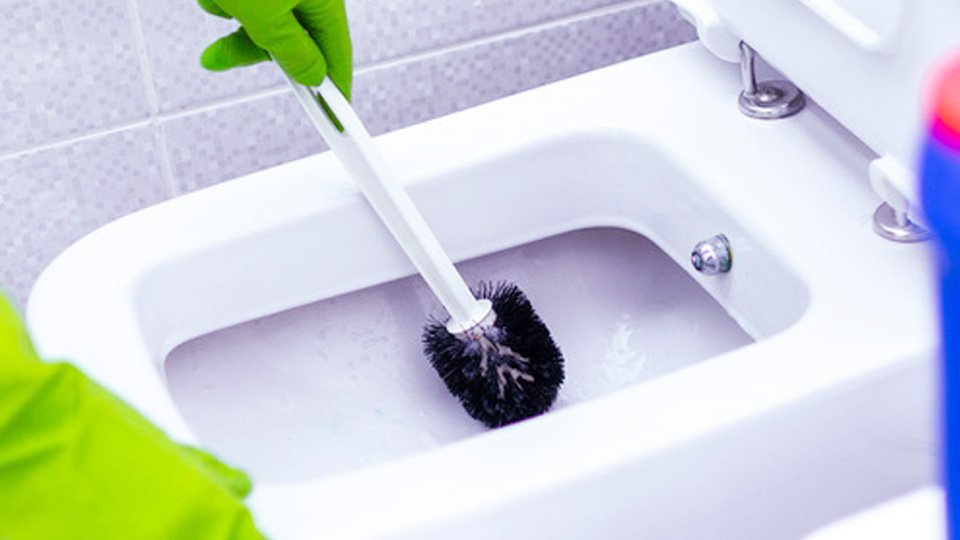
Image by healthdigest
Getting Ready: What You’ll Need for Bleach Cleaning
Before diving in, let’s talk supplies. I always keep things simple because, let’s face it, who has time for complicated setups? Grab a bottle of regular unscented household bleach—the kind with 5-9% sodium hypochlorite works best for disinfecting. You’ll also want rubber gloves to protect your hands, an old sponge or scrub brush, a spray bottle for easy application, and a bucket for mixing.
Don’t forget ventilation tools like opening a window or turning on the exhaust fan. I learned early on that good airflow makes all the difference in avoiding those strong fumes. If you’re sensitive to smells, a face mask can help too. For the solution itself, room temperature water is ideal; it mixes better and keeps the bleach effective.
One more thing: always test a small, hidden spot first, especially on tiles or fixtures. Bleach is powerful, but you don’t want surprises like discoloration on unsealed surfaces.
Safety Comes First When Handling Bleach
I can’t stress this enough—bleach is a powerhouse for killing germs, but it demands respect. As a mom, I’m extra cautious because I don’t want any accidents around the kids. First off, never mix bleach with anything else, like ammonia-based cleaners or vinegar. That combo can create toxic gases that irritate your lungs or worse. I’ve heard horror stories from friends who accidentally did this and ended up with burning eyes and coughing fits.
Always work in a well-ventilated space. Open windows wide, run the fan, and if possible, step out for a few minutes while the solution sits. Wear those gloves every time; bleach can dry out your skin or cause irritation. If you get any on your clothes, rinse immediately to avoid spots.
For parents or pet owners, keep everyone out of the bathroom during cleaning and for a bit after. Rinse surfaces thoroughly so there’s no residue left behind. And store bleach out of reach—high shelves or locked cabinets are my go-to. If you’re pregnant or have respiratory issues, consider natural alternatives like baking soda scrubs, but for deep disinfection, bleach is hard to beat when used right.
Here’s a quick dos and don’ts checklist to keep handy:
- Do: Dilute properly, ventilate the area, wear protective gear.
- Don’t: Use full strength, mix with other products, ignore fumes.
Following these keeps the process safe and effective, letting you focus on the satisfaction of a spotless space.
Mixing the Perfect Bleach Solution for Bathroom Tasks
Getting the dilution right is where the magic happens. Too strong, and you risk damaging surfaces; too weak, and it won’t tackle those tough germs. For most bathroom cleaning, I mix about 1/3 cup of bleach with a gallon of room temperature water. This ratio is great for disinfecting without being overwhelming.
If you’re dealing with heavier grime, like in a neglected shower, bump it up to 1/2 or 3/4 cup per gallon. I pour the water in first, then add the bleach to avoid splashes. Stir gently with a spoon or your gloved hand. Fresh is best—make a new batch each time since the solution loses potency after a day.
For smaller jobs, like spot-cleaning a sink, scale it down: 4 teaspoons per quart of water. Pour it into a spray bottle for convenience. Remember, this isn’t for everyday wiping; save it for when you need serious sanitizing power against bacteria and mold.
In my experience, this approach balances effectiveness with safety, especially in humid American homes where moisture builds up fast.
Cleaning Your Bathtub and Shower Like a Pro
Ah, the bathtub and shower—ground zero for soap scum, mildew, and hard water stains. I’ve spent countless weekends transforming mine from dingy to dazzling, and bleach makes it straightforward. Start by removing everything: shampoo bottles, toys, loofahs. Give the area a quick rinse with water to loosen loose dirt.
Mix your solution—1/3 cup bleach to a gallon of water—and sponge it on generously. Let it sit for 5-10 minutes; this contact time is crucial for killing germs. Then, scrub with a non-abrasive brush, focusing on corners and grout lines where mold hides. Rinse thoroughly with cool water, using the showerhead for easy coverage.
For fiberglass or acrylic tubs, this works wonders without scratching. If you have porcelain, it’s even better at brightening. I once had a rental with years of buildup, and after one session, it looked brand new. Just avoid using on chipped areas to prevent further damage.
Pro tip: Do this weekly if your household has heavy use, like with kids who love bubble baths. It keeps hygiene high and prevents bigger problems down the line.
Tackling the Toilet: From Bowl to Base
The toilet is probably the least favorite spot to clean, but it’s essential for preventing odors and bacteria spread. I approach it methodically to make it less daunting. First, put on gloves and ensure ventilation.
For the inside bowl, squirt the bleach solution around the rim—about 1/2 cup bleach mixed with water. Let it drip down and sit for 5 minutes while you handle the outside. Spray the exterior, seat, and handle with your diluted mix, then wipe with a sponge or paper towel. Scrub the bowl with a toilet brush, flushing to rinse.
This method not only cleans but disinfects, which is huge for families. In my house, with toddlers learning potty training, I do this twice a week to stay ahead of messes. If stains persist, let the solution sit longer, up to 10 minutes.
Remember, don’t pour undiluted bleach down the drain; it can harm pipes over time. And always wipe dry to avoid slips.
Reviving Grout and Tiles with Bleach Power
Grout lines are sneaky—they collect dirt and turn dark before you know it. As a homeowner who’s tiled my own bathroom, I know how frustrating that can be. Bleach brightens them up without harsh abrasives.
Mix equal parts bleach and warm water in a spray bottle. Spritz generously on the grout, let it soak for 5 minutes, then scrub with an old toothbrush. Rinse with warm water and dry with a towel to prevent re-staining.
For tiles themselves, the same solution wipes away mildew. Apply, wait 10 minutes, scrub lightly, and rinse. It’s perfect for ceramic or glazed tiles common in US bathrooms. If you have natural stone like marble, skip bleach—it can etch the surface.
I love this for efficiency; a quick session every month keeps my floors and walls looking fresh. Pair it with sealing grout annually for longer-lasting results.
Banishing Stubborn Bathroom Stains
Stains from toothpaste, makeup, or rust can make even a clean bathroom feel grimy. Bleach handles them like a champ. For sinks and countertops, dissolve a tablespoon of bleaching powder in a gallon of warm water if you prefer a paste-like option, but liquid bleach works fine too.
Wipe the stained area with the solution, scrub gently, and let sit for tough spots. Rinse well. In my experience, this removes yellowing around faucets beautifully.
For black mold spots—a common issue in damp climates—apply the mix, let it dwell, and scrub. It’s satisfying to see them vanish, improving air quality too.
Just test on colored surfaces; bleach can lighten some materials.
Washing Shower Curtains and Liners
Don’t overlook the shower curtain; it’s a mold magnet. I’ve rescued many by tossing them in the washing machine. Add 1/2 cup bleach to your regular detergent cycle, along with a couple of old towels to act as scrubbers and prevent wrinkling.
Wash on gentle, then hang to air dry. For plastic liners, this refreshes them without buying new ones every time.
If hand-washing, soak in a bucket with the bleach solution for an hour, rinse, and dry. It’s affordable and extends the life of your setup.
Sanitizing Bath Mats, Rugs, and Toys
Bath mats and rugs absorb moisture and germs, so they need regular attention. For fabric ones, wash with 1/2 cup bleach in the machine. Plastic mats? Soak in 1/8 cup bleach per gallon of water for an hour, then rinse.
As a parent, bath toys are non-negotiable for cleaning. Soak them in 1/2 cup bleach per gallon for 5 minutes, rinse thoroughly, and air dry. This kills bacteria inside squeaky toys too.
It keeps playtime safe and your bathroom odor-free.
Dealing with Trash Cans and Other Forgotten Spots
The bathroom trash can is often overlooked but harbors smells. Empty it, spray with bleach solution, let sit 5-10 minutes, wipe, and dry.
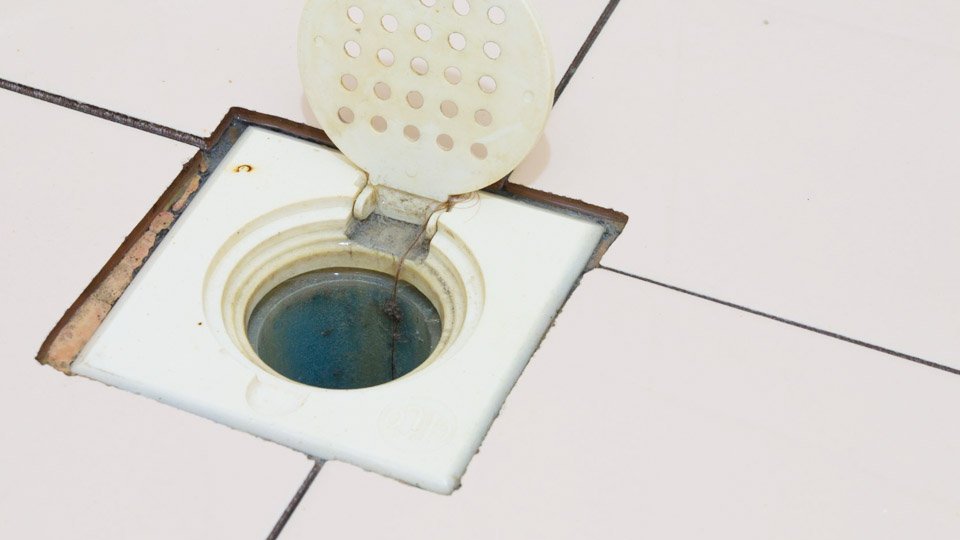
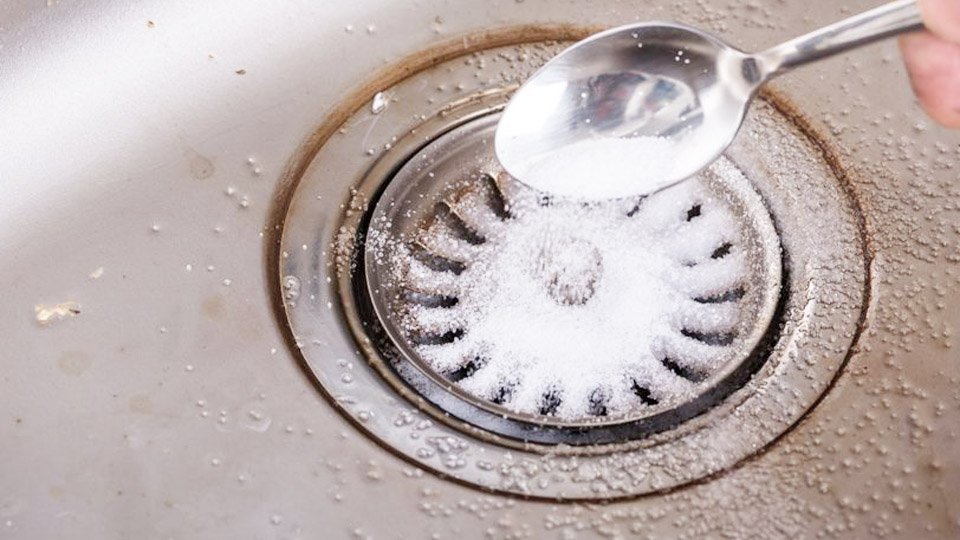
For drains, pour a bit of diluted bleach down occasionally to freshen, but not too often to protect plumbing.
These small steps add up to a comprehensively clean space.
When to Use Bleach vs. Other Cleaners
Bleach shines for disinfection, but for daily maintenance, I alternate with milder options like vinegar for shine or baking soda for scrubbing. Use bleach when illness hits the household or for seasonal deep cleans.
It’s efficient for busy American lifestyles, where time is precious.
Common Mistakes and How to Avoid Them
I’ve made a few blunders, like not rinsing well and leaving streaks. Always rinse thoroughly. Another: overusing on fabrics, which can weaken them—stick to recommended amounts.
Forgetting ventilation leads to dizziness, so prioritize airflow.
By avoiding these, you’ll get pro results every time.
Making It a Habit: Weekly Bathroom Cleaning Routine
To keep things manageable, I set a routine: Quick wipe-downs mid-week, full bleach session on weekends. It takes about 30 minutes and prevents buildup.
Involve the family—teach kids simple tasks for responsibility.
This habit boosts hygiene and reduces stress.
Eco-Friendly Twists on Bleach Cleaning
While bleach isn’t the greenest, use it sparingly and rinse into septic-safe systems. Pair with reusable sponges to minimize waste.
For eco-conscious folks, it’s still valuable for targeted use.
Why Bleach Wins for Busy Households
In fast-paced lives, bleach delivers quick, reliable results. It’s cost-effective— a bottle lasts months—and versatile for various surfaces.
I’ve seen it transform rentals and homes alike, giving that fresh start feeling.
Embrace the Clean with Confidence
There you have it—my tried-and-true advice on harnessing bleach for a bathroom that sparkles and stays sanitary. Whether you’re a homeowner battling hard water or a renter keeping up appearances, this method delivers health benefits, time savings, and that ahh moment when you step into a fresh space.
It’s empowered me to handle cleaning without overwhelm, and I know it can do the same for you. Give it a try next weekend; you’ll feel the difference in your home’s vibe and your family’s well-being.
Can I use bleach to remove mold in the bathroom?
Absolutely, bleach is excellent for killing surface mold. Mix 1 cup bleach with a gallon of water, apply to affected areas like walls or grout, let sit for 10 minutes, scrub, and rinse well. For prevention, improve ventilation with fans or dehumidifiers to keep moisture low.
Is bleach safe for all bathroom surfaces?
Not entirely—it’s great for porcelain, ceramic tiles, and fiberglass, but avoid it on natural stone, wood, or metals like brass, as it can cause damage or discoloration. Always test a small area first and dilute properly for safety.
What should I never mix with bleach?
Never combine bleach with ammonia, vinegar, alcohol, or other acids, as it can produce harmful gases like chlorine that irritate lungs and eyes. Stick to using it alone in water dilutions, and clean surfaces beforehand if switching cleaners.
How often should I deep clean my bathroom with bleach?
Aim for once a week in high-use homes, or every two weeks otherwise. This frequency tackles germs effectively without overexposure. Adjust based on your household size and habits for optimal hygiene.
Can bleach help with bathroom odors?
Yes, it neutralizes smells from bacteria and mildew. After cleaning surfaces, pour a diluted solution down drains and let sit before rinsing. Combine with good ventilation for lasting freshness in your space.
(Word count: 2,856)