Starting as a self-employed house cleaner offers freedom and fulfillment. You control your schedule, which is a lifesaver for parents managing school pickups or renters needing extra income without long-term commitments. It’s also a low-barrier entry point—no fancy degrees needed, just a knack for tidiness and a willingness to learn. In the USA, where hygiene and home comfort are priorities, clients value cleaners who create safe, allergen-free spaces. Plus, it’s rewarding to transform a chaotic kitchen into a spotless sanctuary for a busy family.
This career also taps into real needs. Think of parents worried about germs on playroom floors or renters wanting spotless apartments to secure their deposits. By offering affordable, effective cleaning, you’re not just tidying—you’re improving lives. My first client was a single mom overwhelmed by toys and laundry; seeing her relief after I cleaned her home showed me why this matters.
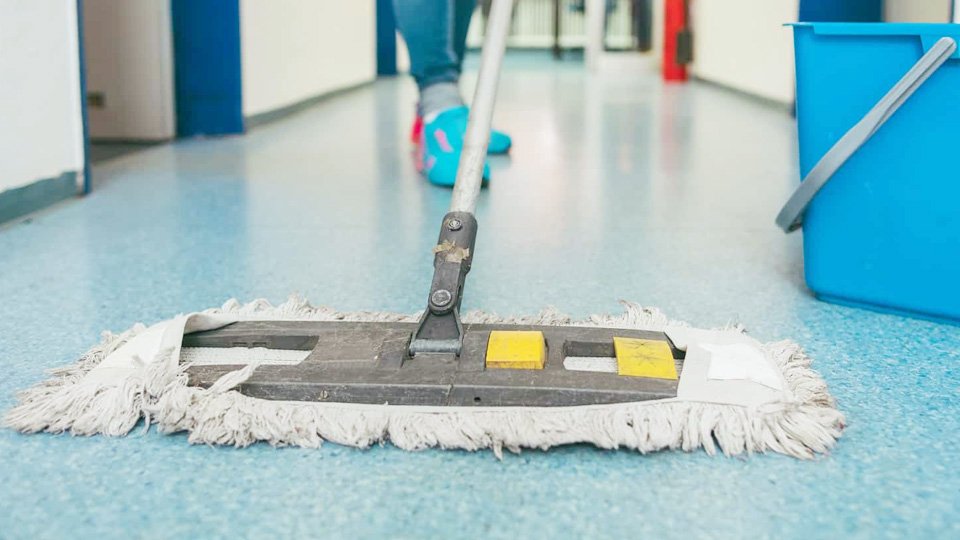
Image by checkatrade
Assessing Your Skills and Passion
Before diving in, reflect on your strengths. Do you enjoy organizing chaos or find satisfaction in a gleaming countertop? Cleaning isn’t just physical—it requires attention to detail, stamina, and empathy for clients’ needs. I once spent an extra 20 minutes on a client’s oven because I knew it was stressing her out, and that built trust.
No formal training is required, but basic skills help. Can you handle tough stains like crayon on walls or pet hair on couches? Are you comfortable with eco-friendly products for health-conscious homes? If you’re unsure, practice at home—try deep-cleaning your bathroom or tackling carpet spots. This builds confidence and prepares you for client expectations in American households, where hygiene standards are high.
Getting the Right Tools and Supplies
Your cleaning arsenal is your foundation. You don’t need expensive gear, but quality tools make the job efficient and safe. Start with basics: microfiber cloths, a sturdy vacuum (I love my cordless Dyson for mobility), scrub brushes, and a mop with a bucket. For chemicals, stick to trusted brands like Mrs. Meyer’s or Method for eco-friendly options that clients appreciate, especially parents concerned about kid-safe products.
Here’s a starter checklist:
- All-purpose cleaner (safe for counters, glass).
- Disinfectant for bathrooms and kitchens.
- Dusting spray and cloths.
- Gloves to protect your hands.
- Portable caddy for easy carrying.
Safety tip: Never mix bleach with ammonia-based cleaners—it creates toxic fumes. I learned this the hard way early on, so always read labels. Budget about $100-$200 for initial supplies; thrift stores or bulk retailers like Costco keep costs low for US cleaners.
Setting Up Your Business Legally
Going self-employed means handling some paperwork, but it’s manageable. In the USA, you’ll need to register as a sole proprietor in most states—check your local county clerk’s office for forms, usually under $50. Get an EIN (Employer Identification Number) from the IRS for free; it’s like a Social Security number for your business, useful for taxes.
Consider liability insurance—about $30/month—for peace of mind. If you accidentally damage a client’s heirloom vase (yep, been there), it protects you. Also, look into bonding for extra trust; clients love knowing you’re covered. For taxes, track income and expenses (apps like QuickBooks help) since you’ll report as self-employed. This ensures you’re legit and builds credibility with clients.
Pricing Your Services Fairly
Pricing can feel tricky, but it’s about value, not undercutting. In the USA, house cleaners charge $25-$50 per hour or $100-$200 per home, depending on size and location. Research local rates—urban areas like Chicago might lean higher, while suburban spots are lower. For a 3-bedroom home, I’d quote $120 for a standard clean, more for deep cleaning.
Offer clear packages:
- Basic Clean: Dusting, vacuuming, bathrooms, kitchen surfaces ($80-$120).
- Deep Clean: Includes ovens, fridges, baseboards ($150-$250).
- Move-Out Clean: Thorough for renters, focusing on deposit recovery ($200+).
Be transparent with clients. I once lost a job by underquoting, only to realize I couldn’t cover costs. Factor in time, travel, and supplies. Discounts for regulars build loyalty but don’t devalue your work.
Finding Your First Clients
Landing clients is where hustle meets strategy. Start with your network—friends, family, neighbors. My first gig came from a mom at my kid’s school who needed help before a party. Word-of-mouth is gold in American communities, where trust matters.
Next, tap local platforms:
- Post flyers at community centers or coffee shops.
- Join Nextdoor to connect with nearby homeowners.
- Create a free Google Business Profile to appear in “cleaners near me” searches.
Social media works too—post before-and-after photos on Instagram with hashtags like #HouseCleaning or #[YourCity]Cleaners. Avoid paid ads until you’re established; organic reach is enough at first. Offer a first-clean discount to hook clients, like 10% off, but set clear expectations to avoid scope creep.
Marketing Yourself on a Budget
You don’t need a big budget to stand out. A simple website (try Wix for $15/month) with your services, rates, and contact info builds trust. Add testimonials from happy clients—my first review from a renter praising my move-out clean got me three referrals.
Optimize for local searches. Use phrases like “reliable house cleaner in [Your City]” in your site’s title and text. Share tips on social media, like “How to Keep Your Kitchen Germ-Free,” to show expertise. In-person, wear branded T-shirts (cheap from Vistaprint) and leave business cards after jobs. These small touches make you memorable in busy US neighborhoods.
Delivering Top-Notch Cleaning Services
Your work is your best advertisement. Arrive on time, dressed professionally, and confirm the client’s needs upfront. For example, a family might prioritize kid-safe disinfectants, while a renter might need baseboards scrubbed for a lease inspection. I always bring a checklist to ensure I hit every spot—clients notice the details.
Focus on high-impact areas:
- Kitchens: Sanitize counters, sinks; shine appliances.
- Bathrooms: Scrub tiles, toilets; restock paper if asked.
- Floors: Vacuum thoroughly, mop hard surfaces.
Use eco-friendly products when possible—many Americans prefer them for health reasons. If a client has allergies, ask about sensitivities and avoid strong scents. Always double-check your work before leaving; a missed spot can cost trust.
Handling Tough Cleaning Challenges
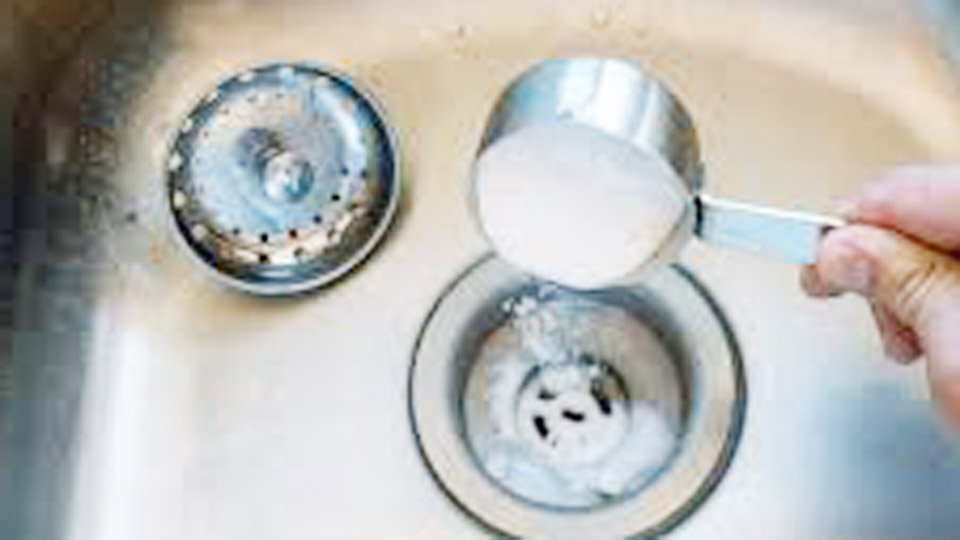
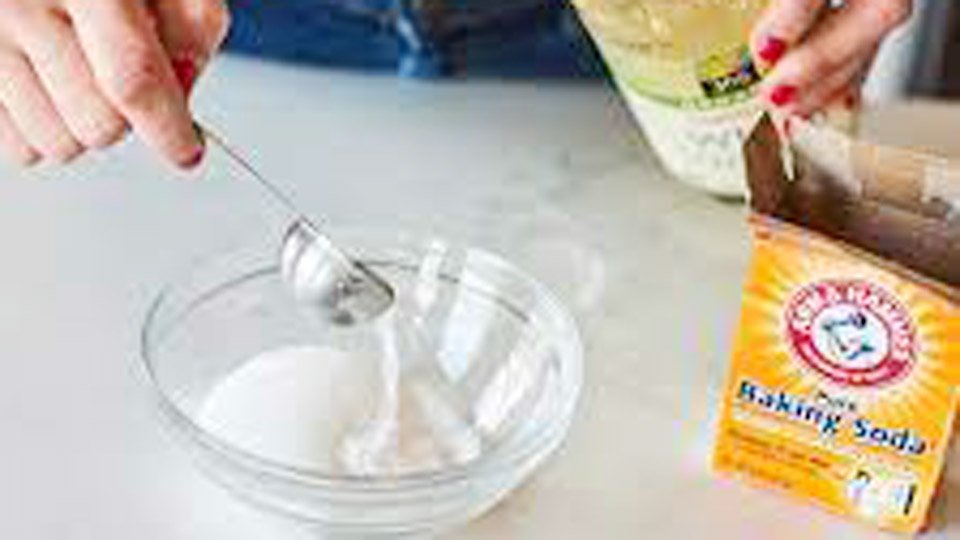
Every home has its nightmares—think grease-caked ovens or pet-stained carpets. For tough stains, like wine on upholstery, blot with a vinegar-water mix before vacuuming. For bathrooms, a baking soda paste tackles grout grime safely. I once spent an hour on a showerhead to remove limescale, and the client raved about it.
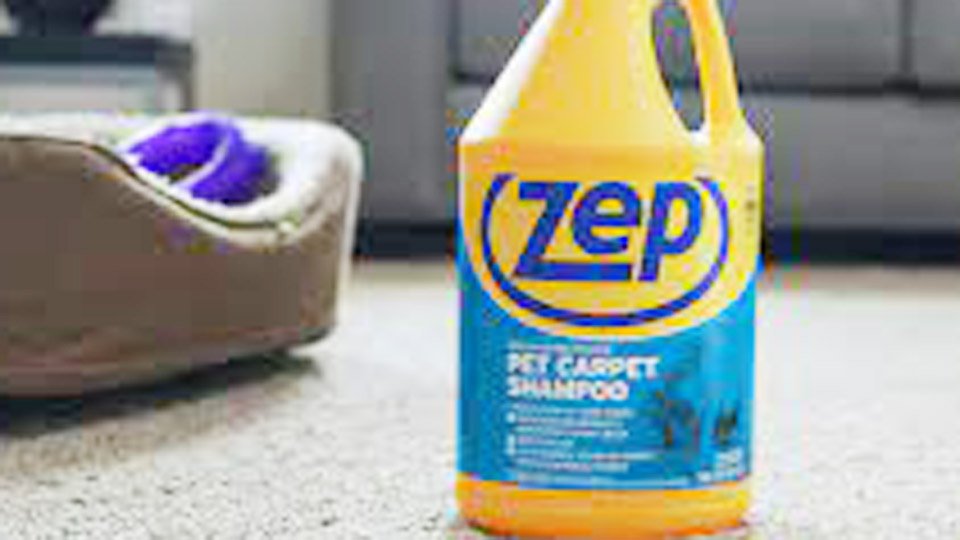
Safety warning: Wear gloves and ventilate when using strong cleaners like bleach. For pet messes, enzyme-based cleaners (like Nature’s Miracle) break down odors without harming fabrics. Test products on small areas first, especially on delicate surfaces. These tricks keep homes safe and spotless, addressing common American household concerns.
Building Long-Term Client Relationships
Repeat clients are your bread and butter. Communicate clearly—text to confirm appointments, and follow up after jobs to ensure satisfaction. I send a quick “Hope you love the clean!” message, which often sparks referrals. Offer loyalty perks, like a free fridge clean after five sessions.
Handle complaints gracefully. If a client says you missed a spot, apologize and fix it promptly. Trust is everything—especially for parents trusting you in their kids’ spaces. Keep a client log (a simple notebook works) to track preferences, like “Mrs. Jones likes lavender scent.” It shows you care.
Managing Your Time and Energy
Self-employment means you’re the boss, but also the scheduler. Cap your daily jobs at 2-3 to avoid burnout—cleaning is physical! I block mornings for bigger homes and afternoons for smaller apartments, leaving evenings for family. Use apps like Google Calendar to stay organized.
For efficiency, group clients by neighborhood to cut travel time, especially in sprawling US suburbs. Take breaks to stretch—my back thanked me after I started doing quick yoga between jobs. Prioritize self-care; a tired cleaner makes mistakes, and clients notice.
Scaling Your Business Smartly
Once you’re steady, think about growth. You could hire help, but start small—maybe a part-time assistant for big jobs. Train them on your standards; consistency is key. I hired a friend for move-out cleans, which doubled my capacity without stress.
Expand services gradually, like offering window cleaning or organizing. Charge extra for add-ons to boost income. You could also target niches, like eco-cleaning for health-conscious families or post-construction cleans for new homeowners. Test demand locally before investing in new tools.
Navigating Taxes and Finances
Taxes can feel overwhelming, but they’re manageable with planning. As a self-employed cleaner, you’ll pay quarterly estimated taxes (about 15-20% of income). Keep receipts for supplies, gas, and insurance—deductible expenses lower your tax bill. I use a spreadsheet to track every dollar, but apps like Wave simplify it.
Set aside 25% of each payment for taxes in a separate savings account. File as a sole proprietor using Schedule C with your 1040 form. If numbers scare you, a local accountant (around $200/year) can save headaches. This keeps you financially secure and compliant.
Staying Safe and Healthy on the Job
Cleaning involves physical risks, so prioritize safety. Wear non-slip shoes to avoid falls on wet floors—trust me, a slick kitchen tile is no joke. Use knee pads for scrubbing baseboards, and lift heavy items (like vacuums) with your legs, not your back.
Ventilate spaces when using chemicals, and wear masks if dust or mold is present. For example, cleaning a musty basement requires a mask to avoid inhaling spores. Take regular breaks to hydrate, especially in hot US climates. Your health is your business’s foundation—protect it.
Real-Life Scenarios for Success
Picture a renter in a small Chicago apartment needing a move-out clean to secure their deposit. You swoop in with a Bissell portable cleaner for carpets and eco-friendly sprays for surfaces, leaving it spotless in three hours. Or a suburban parent in Atlanta, overwhelmed by pet hair and kid messes, hires you for weekly cleans. Your attention to detail—like sanitizing toy bins—earns their loyalty.
In rural areas, focus on deep cleans for older homes with heavy dust. In cities, quick, affordable services attract busy professionals. Tailor your approach to your community’s needs, and you’ll build a reputation fast.
Wrapping Up with Confidence
Becoming a self-employed house cleaner is more than a job—it’s a chance to create healthier, happier homes while building a life on your terms. From setting up your tools to landing loyal clients, every step is about showing up reliably and delivering value. I’ve seen the difference a sparkling kitchen can make for a stressed family, and that’s the real reward. Whether you’re tackling pet stains or helping renters move out, your work matters. Start small, stay consistent, and watch your business grow into something you’re proud of. You’ve got this—go make those homes shine!
FAQ
How much can I earn as a self-employed house cleaner?
Earnings vary, but $25-$50/hour is common, with $100-$200 per home depending on size and job type. Regular clients and add-ons like deep cleaning boost income.
What cleaning supplies should I start with?
Get microfiber cloths, a vacuum, mop, all-purpose cleaner, disinfectant, and gloves. Budget $100-$200 for quality, safe products that suit most US homes.
Do I need insurance as a house cleaner?
Yes, liability insurance (about $30/month) protects you if you damage property. Bonding adds trust, especially for clients with kids or valuables.
How do I find clients without spending much?
Use word-of-mouth, Nextdoor, or a free Google Business Profile. Post flyers locally and share before-and-after photos on social media for organic reach.
Is it safe to use strong cleaners in homes with kids?
Stick to eco-friendly, low-VOC products like Method or Mrs. Meyer’s. Ventilate well, and ask clients about allergies to keep kids safe.