When I was organizing my cleaning supplies one day, I realized I had bottles labeled for both kitchen and bathroom use — and I started asking myself, what’s the difference between kitchen and bathroom cleaner? At first, I thought a good all-purpose spray could handle everything, but dealing with greasy stovetops in the kitchen and soap scum in the bathroom quickly proved me wrong.
Kitchen cleaning usually requires strong degreasing power and effective stain removal, while bathroom cleaning products are formulated to fight mold, limescale, and bacteria that thrive in damp spaces.
Using the wrong cleaner can make deep cleaning harder, waste your effort, and even leave behind residues that affect hygiene and safety. That’s why it’s so important to know which cleaner is best for each space. In this guide, I’ll share the differences I’ve learned and the practical tips that help me keep both areas fresh, clean, and healthy.
Image by askteamclean
Why Kitchen and Bathroom Cleaners Aren’t the Same
Every home has unique cleaning challenges. Kitchens deal with grease, food splatter, and bacteria from raw meat, while bathrooms battle soap scum, limescale, and germs in humid environments. Using the wrong cleaner can leave surfaces dirty, damage materials, or even pose health risks. Let’s break down the key differences.
Kitchen Cleaners: Built for Grease and Food Safety
Kitchens are the heart of the home, but they’re also a magnet for sticky messes. Think spilled olive oil, tomato sauce splatter, or crumbs from your kid’s PB&J. Kitchen cleaners are designed to tackle:
Grease and oils: From frying bacon to baking cookies, grease clings to stovetops and counters. Kitchen cleaners often contain surfactants—chemicals that break down fats so they rinse away easily.
Food residues: Starchy spills like rice water or sugary drips from syrup need cleaners that lift them without leaving sticky streaks.
Bacteria: Raw chicken or meat juices can spread salmonella, so kitchen cleaners prioritize food-safe ingredients.
I learned this the hard way when I tried using a bathroom cleaner on my stovetop. It left a film that made my counter feel tacky, and I worried about chemical residue near my cutting board. Kitchen cleaners are formulated to be gentler, often with plant-based or food-safe ingredients, so you can prep meals without fear of contamination.
Bathroom Cleaners: Tackling Soap Scum and Germs
Bathrooms are a different beast. The constant moisture from showers and sinks creates a breeding ground for mold, mildew, and limescale (that chalky buildup from hard water). Bathroom cleaners are engineered to:
Dissolve soap scum: Soap residue mixes with water minerals to form a stubborn film on tiles and glass. Bathroom cleaners often contain acids like citric or hydrochloric acid to break it down.
Fight mold and mildew: These cleaners may include bleach or ammonia to kill fungi and bacteria in damp areas like shower corners.
Remove limescale: Hard water stains on faucets and showerheads need acidic cleaners to dissolve calcium deposits.
One time, I used a kitchen cleaner on my shower tiles, thinking it would do the trick. After scrubbing for ages, the soap scum barely budged. Bathroom cleaners are stronger for a reason—they’re built for the tough, water-based messes you find in humid spaces.
Key Differences at a Glance
Here’s a quick comparison to help you choose the right cleaner:
| Feature | Kitchen Cleaner | Bathroom Cleaner |
|---|---|---|
| Primary Purpose | Cuts through grease and food residues | Dissolves soap scum and limescale |
| Common Ingredients | Surfactants, mild degreasers | Acids, bleach, or ammonia |
| Target Surfaces | Countertops, stovetops, appliances | Tiles, porcelain, glass, faucets |
| Food Safety | Food-safe, minimal residue | May leave harmful chemical residue |
| Germ-Killing Power | Moderate, focuses on food bacteria | Strong, targets mold and mildew |
When to Use Kitchen Cleaner
Your kitchen is where meals come to life, so keeping it clean and safe is non-negotiable. Here’s how to use kitchen cleaners effectively, plus some real-world scenarios to guide you.
Best Uses for Kitchen Cleaners
Countertops: Wipe down granite, quartz, or laminate counters to remove crumbs, grease, and spills. I use a spray cleaner with a microfiber cloth for a streak-free finish.
Stovetops and Ovens: Degreasers in kitchen cleaners tackle splattered oil or burnt-on food. For tough oven messes, I let the cleaner sit for 5 minutes before scrubbing.
Sinks: Dish soap residue and food bits can make sinks grimy. A kitchen cleaner keeps them shiny and food-safe.
Appliances: Stainless steel fridges or microwaves love a quick spritz to remove fingerprints and smudges.
Step-by-Step Kitchen Cleaning Routine
- Clear the Space: Move dishes, appliances, and clutter to expose surfaces.
- Wipe Loose Debris: Use a dry cloth to sweep crumbs into the trash.
- Spray and Wait: Apply kitchen cleaner to greasy areas like stovetops. Let it sit for 1–2 minutes to loosen grime.
- Scrub Gently: Use a sponge or microfiber cloth. For stubborn spots, a non-scratch scrubber works wonders.
- Rinse and Dry: Wipe with a damp cloth to remove cleaner residue, then dry with a clean towel to prevent streaks.
Safety Tip: Always rinse food-prep surfaces thoroughly after cleaning to avoid chemical residue. If you’re using a disinfectant spray, check the label for “dwell time” (how long it needs to sit to kill germs) and rinse afterward if it’s a food-contact area.
My Go-To Kitchen Cleaning Products
- Dawn Dish Soap: Diluted in a spray bottle with water, it’s a budget-friendly degreaser for counters and sinks.
- Mrs. Meyer’s Multi-Surface Cleaner: I love the lemon verbena scent for a fresh, non-toxic clean.
- Bar Keepers Friend: Perfect for stainless steel sinks or pots with stuck-on food.
When to Use Bathroom Cleaner
Bathrooms demand heavy-duty cleaners to keep them hygienic and free of water-based grime. Here’s how to use them effectively, with scenarios to make it real.
Best Uses for Bathroom Cleaners
Shower and Tiles: Spray on tiles and glass doors to dissolve soap scum. I let it sit for 5–10 minutes before scrubbing to save elbow grease.
Toilets: Gel cleaners with bleach cling to the bowl, killing germs and removing stains. I squirt under the rim and let it sit before brushing.
Sinks and Faucets: Acid-based cleaners shine up chrome and dissolve limescale. Be careful on colored grout—it can bleach!
Grout and Mold: For black mold in shower corners, a bleach-based cleaner is my go-to, but I always wear gloves and open a window.
Step-by-Step Bathroom Cleaning Routine
- Prep the Space: Remove towels, rugs, and toiletries to avoid getting cleaner on them.
- Dust First: Use a microfiber cloth to wipe vents, shelves, or light fixtures.
- Tackle the Toilet: Apply toilet bowl cleaner under the rim, let it sit for 10 minutes, then scrub and flush.
- Clean Shower and Sink: Spray bathroom cleaner on tiles, glass, and faucets. Let it sit, then scrub with a sponge and rinse.
- Mop the Floor: Dilute bathroom cleaner in water for tiles, or use a disinfectant for extra germ protection.
Safety Warning: Bathroom cleaners with bleach or ammonia can irritate skin and lungs. Wear gloves, ventilate the room, and never mix bleach with ammonia—it creates toxic fumes.
My Favorite Bathroom Cleaning Products
- CLR Brilliant Bath: A bleach-free foaming spray that zaps limescale and soap scum.
- Lysol Toilet Bowl Cleaner: Clings to the bowl and kills 99.9% of germs.
- White Vinegar: A natural option for limescale on faucets. I soak a cloth in vinegar, wrap it around the faucet, and let it sit for an hour.
Can You Use One Cleaner for Both Rooms?
I get it—buying separate cleaners feels like a hassle, and who doesn’t want to simplify their cleaning caddy? All-purpose cleaners promise to tackle both kitchen and bathroom messes, but are they really up to the task?
The Pros and Cons of All-Purpose Cleaners
Pros:
- Convenience: One bottle for multiple rooms saves space and money.
- Versatility: Good for general dusting, wiping counters, or cleaning glass.
- Eco-Friendly Options: Brands like Seventh Generation offer plant-based formulas safe for most surfaces.
Cons:
- Less Effective: They may not cut through heavy grease or stubborn limescale as well as specialized cleaners.
- Safety Concerns: Some all-purpose cleaners aren’t food-safe for kitchen surfaces or strong enough for bathroom mold.
- Surface Damage: Harsh all-purpose cleaners can scratch delicate surfaces like veneer or natural stone.
When to Use an All-Purpose Cleaner
I use an all-purpose cleaner for quick touch-ups, like wiping down a bathroom mirror or dusting kitchen shelves. For deep cleaning, though, I stick to specialized products. If you’re set on using one cleaner, choose an EPA Safer Choice-certified option like Clorox Free & Clear. It’s gentle enough for kitchens but tough on bathroom grime.
Tip: Always test on a small, hidden area first, especially on delicate surfaces like wood or colored grout.
Common Cleaning Mistakes to Avoid
We’ve all made cleaning blunders (guilty!). Here are some pitfalls to watch out for:
Using Bathroom Cleaner in the Kitchen: Harsh chemicals can contaminate food-prep areas. I once used a bleach-based cleaner on my cutting board—big mistake. Always rinse thoroughly if you make this mix-up.
Using Kitchen Cleaner in the Bathroom: It won’t tackle soap scum or limescale effectively, leaving you scrubbing harder.
Mixing Cleaners: Combining bleach and ammonia (common in some bathroom cleaners) creates toxic chloramine gas. Stick to one product at a time.
Skipping Ventilation: Fumes from bathroom cleaners can irritate lungs. Open a window or turn on a fan.
Ignoring Labels: Some cleaners aren’t safe for certain surfaces (e.g., bleach on colored grout or acidic cleaners on marble). Read instructions to avoid damage.
Natural Cleaning Alternatives for Budget-Conscious Homes
If you’re like me, you love a good DIY hack that saves money and feels safer for kids and pets. Here are some natural options that work for both rooms.
Kitchen Cleaning Hacks
Vinegar and Dish Soap: Mix equal parts white vinegar and water with a drop of Dawn for a grease-cutting spray. I use this on my stovetop and sink.
Baking Soda Paste: Combine baking soda with water to scrub stuck-on food in pots or stains on counters. It’s gentle but effective.
Lemon Juice: Cuts grease and leaves a fresh scent. I rub a lemon half on my cutting board to remove onion smells.
Bathroom Cleaning Hacks
Vinegar Soak: Soak a cloth in white vinegar and wrap it around faucets to dissolve limescale. Let it sit for 30–60 minutes, then rinse.
Baking Soda Scrub: Mix baking soda with a bit of water to scrub grout or tile stains. It’s great for mild soap scum.
Hydrogen Peroxide: Spray on moldy shower corners, let it sit for 10 minutes, then wipe. It’s a natural disinfectant.
Safety Note: Even natural cleaners can be harsh. Wear gloves when using vinegar or hydrogen peroxide, and never mix vinegar with bleach—it creates harmful gases.
Choosing the Right Cleaner for Your Home
With so many products on the market, picking the right one can feel overwhelming. Here’s how I decide:
Check Ingredients: Look for food-safe cleaners for the kitchen and acid- or bleach-based ones for the bathroom.
Consider Surfaces: Granite counters need pH-neutral cleaners, while porcelain tiles can handle stronger formulas.
Prioritize Safety: If you have kids or pets, opt for plant-based or EPA Safer Choice products.
Test First: Always try a new cleaner on a small area to avoid damage or discoloration.
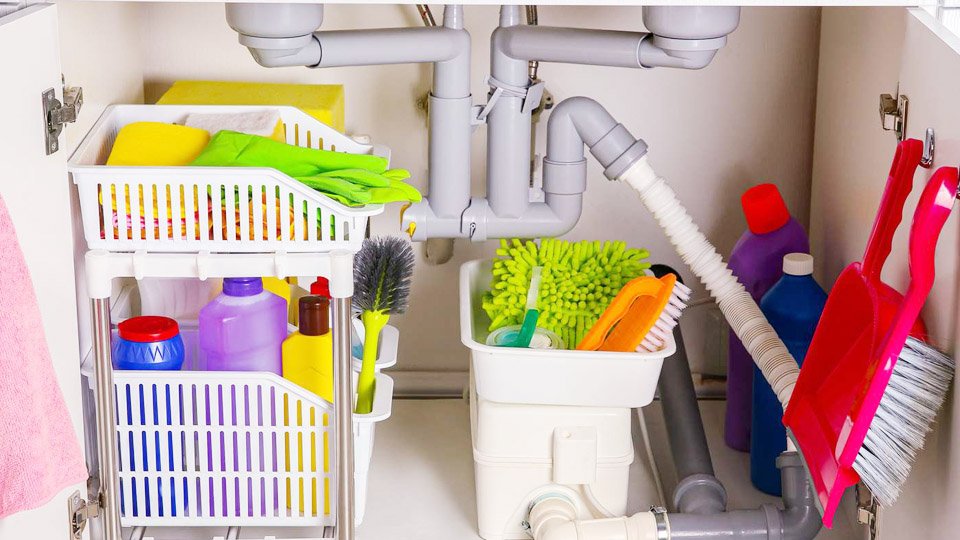
I keep a small basket under my sink with dedicated kitchen and bathroom sprays, plus a bottle of vinegar for emergencies. It’s saved me from countless cleaning mix-ups!
Motivational Conclusion
Keeping your home clean doesn’t have to be a chore—or a health hazard. By understanding the difference between kitchen and bathroom cleaners, you can tackle messes with confidence, knowing you’re using the right tool for the job. Kitchen cleaners keep your food-prep areas safe and grease-free, while bathroom cleaners banish soap scum and germs in those damp, tricky spots.
Whether you’re a busy parent wiping down counters between soccer practice or a renter keeping your apartment spotless for the landlord, the right cleaner makes all the difference.
Next time you’re staring at a greasy stovetop or a scummy shower, don’t grab just any bottle. Choose a cleaner designed for the task, follow my step-by-step tips, and enjoy a home that’s not only sparkling but also safe for your family.
FAQ
Can I use a bathroom cleaner in the kitchen if I rinse it well?
It’s not ideal. Bathroom cleaners often contain harsh chemicals like bleach or ammonia, which can leave residues that aren’t food-safe, even after rinsing. Stick to kitchen-specific or food-safe all-purpose cleaners for counters and appliances. If you must use a bathroom cleaner, rinse thoroughly and ensure no residue remains.
Is it safe to use kitchen cleaner on bathroom tiles?
Kitchen cleaners won’t harm tiles, but they’re less effective against soap scum and limescale. You’ll likely need to scrub harder and may not get a sparkling result. Use a bathroom cleaner with acids or disinfectants for better results on tiles and grout.
Can all-purpose cleaners replace kitchen and bathroom cleaners?
All-purpose cleaners can work for light cleaning in both rooms, but they may struggle with heavy grease or stubborn limescale. For deep cleaning, specialized cleaners are more effective. Choose an EPA Safer Choice all-purpose cleaner for versatility and safety.
What should I never mix with bathroom cleaners?
Never mix bleach-based bathroom cleaners with ammonia-based products (or vinegar). This creates toxic chloramine gas, which can irritate lungs and eyes. Always read labels and use one cleaner at a time to stay safe.
Are natural cleaners as effective as chemical ones?
Natural cleaners like vinegar and baking soda can be very effective for light grease, limescale, or soap scum. For heavy-duty messes or mold, chemical cleaners may work faster. Always test natural solutions first and use gloves to protect your skin.