I remember scrubbing my bathroom from top to bottom one weekend — floors mopped, toilet cleaned, mirrors shining — yet the space still had that stubborn urine smell lingering. If you’ve ever wondered, “Why does my bathroom smell like urine even after cleaning?” you’re not alone. It’s one of the most common bathroom cleaning frustrations homeowners and renters face. The truth is, odor can hide in places we often overlook — grout lines, the base of the toilet, or even under bathroom mats.
And no matter how much surface cleaning or stain removal you do, if those hidden spots aren’t addressed with deep cleaning or eco-friendly solutions, the smell keeps coming back. Tackling this issue isn’t just about making your bathroom smell fresh; it’s about maintaining hygiene, preventing bacteria buildup, and keeping your home comfortable for everyone. Stick with me, and I’ll share the simple, practical tips I’ve used to finally get rid of that pesky odor for good.

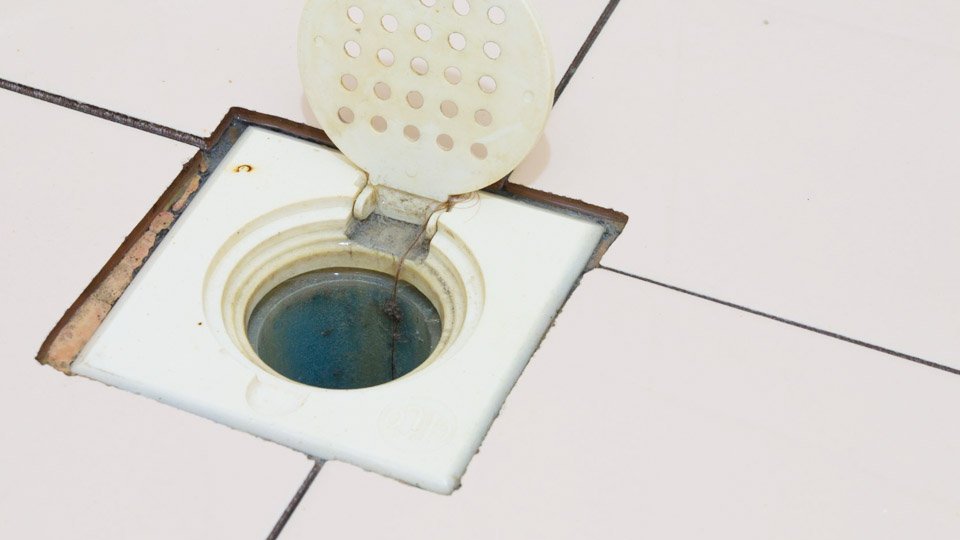
Image by expressdrainagesolutions
Common Culprits Behind Persistent Urine Odors
Let’s start by uncovering why that urine smell sticks around, even after a thorough cleaning. From my experience, it’s rarely just one thing—it’s usually a combination of sneaky culprits hiding in plain sight. Here are the most common reasons I’ve found in my own bathroom battles.
Urine Residue in Overlooked Areas
You might think you’ve cleaned every inch of your bathroom, but urine has a way of sneaking into places you’d never expect. In my house, with a young son still perfecting his aim, I’ve learned that urine can splash onto the floor, the base of the toilet, or even the walls. These spots dry and leave behind uric acid crystals, which are notorious for clinging to surfaces and reactivating with moisture.
What to do:
Check the toilet base: Use a flashlight to inspect the area where the toilet meets the floor. Dried urine can hide in the caulk or crevices.
Clean thoroughly: Mix equal parts water and white vinegar in a spray bottle. Spray generously around the base, let it sit for 10 minutes, and scrub with a small brush (an old toothbrush works great). Wipe dry with a microfiber cloth.
Don’t forget the hinges: Lift the toilet seat and clean under the hinges where urine can pool. A cotton swab dipped in vinegar can get into those tight spots.
Grout and Tile Traps
Porous grout lines and tile surfaces are like magnets for urine. I learned this the hard way when I noticed a faint smell near the floor tiles in my guest bathroom. Grout absorbs liquids, and once urine seeps in, it’s tough to get out with regular cleaning.
What to do:
Deep clean grout: Make a paste with baking soda and water. Apply it to grout lines with a small brush, scrub gently, and rinse with warm water. For stubborn stains, follow up with vinegar to neutralize odors.
Seal the grout: After cleaning, apply a grout sealer (available at hardware stores for about $10-$20). This creates a protective barrier to prevent future absorption. I reapply sealer every six months for maintenance.
Ventilation is key: Run your bathroom fan or open a window during and after cleaning to reduce moisture, which can reactivate trapped odors.
Toilet Tank and Wax Ring Issues
One of the sneakiest culprits I’ve encountered is the toilet itself. A worn-out wax ring or a dirty toilet tank can harbor bacteria and urine residue, creating a persistent smell. I once ignored my toilet tank, thinking the bowl was the only problem, only to find slimy buildup inside that was contributing to the odor.
What to do:
Inspect the tank: Open the toilet tank lid and check for mold or bacteria. If it smells bad, clean it with a diluted bleach solution (1 part bleach to 10 parts water). Scrub gently and flush to rinse.
Check the wax ring: If your toilet wobbles or you notice a smell near the base, the wax ring might be failing. This is a job for a plumber, as replacing it involves removing the toilet. Expect to pay $100-$200 for professional service, but it’s worth it to eliminate the smell.
Safety warning: Never mix bleach with other cleaners like ammonia—it can create toxic fumes. Rinse the toilet thoroughly before using bleach.
Poor Ventilation and Humidity
Bathrooms are naturally humid, and without proper airflow, odors can linger. In my old apartment, the lack of a good exhaust fan made smells worse, especially in summer. Humidity reactivates uric acid crystals, making the urine smell more noticeable.
What to do:
Use the fan: Run your bathroom exhaust fan for 20-30 minutes after showers or cleaning to clear out moisture and odors.
Add an air purifier: A small, affordable air purifier (around $50) can help remove lingering smells. Look for one with a HEPA filter for best results.
Open windows: If your bathroom has a window, crack it open when possible to improve airflow.
Bathmats and Other Absorbent Surfaces
I once left a bathmat in my bathroom for weeks without washing it, thinking it was fine. Big mistake. Bathmats, shower curtains, and even towels can absorb urine splashes, especially in homes with kids or pets, and become breeding grounds for bacteria.
What to do:
Wash regularly: Machine-wash bathmats and towels every 1-2 weeks with hot water and a splash of vinegar to neutralize odors.
Spot clean: For non-washable mats, spot clean with a mix of mild detergent and water, then air dry completely.
Replace when needed: If a bathmat smells even after washing, it’s time to toss it. Affordable options start at $10 at stores like Target or Walmart.
Effective Cleaning Methods to Banish Urine Odors
Now that we’ve identified the culprits, let’s dive into actionable cleaning methods. These are the techniques I’ve used in my own home to tackle that stubborn urine smell. They’re safe, budget-friendly, and easy to fit into a busy schedule.
Deep Cleaning the Toilet
The toilet is often the main source of urine odors, so let’s start there. A thorough cleaning goes beyond a quick scrub of the bowl.
Step-by-step guide:
Gather supplies: You’ll need a toilet brush, white vinegar, baking soda, a spray bottle, and microfiber cloths.
Lower the water level: Pour a half-gallon of water into the toilet bowl to trigger a flush without refilling. This exposes more of the bowl for cleaning.
Apply vinegar: Spray undiluted white vinegar inside the bowl, under the rim, and around the exterior. Let it sit for 15 minutes to break down uric acid.
Add baking soda: Sprinkle a cup of baking soda into the bowl. It’ll foam up with the vinegar, helping to lift stains and odors. Scrub with a toilet brush.
Clean the exterior: Wipe down the seat, hinges, and base with a vinegar-soaked cloth. Pay extra attention to crevices.
Flush and dry: Flush the toilet and dry the exterior with a microfiber cloth to prevent water spots.
Pro tip: Clean your toilet weekly to prevent buildup. It takes about 10 minutes and saves you from bigger headaches later.
Tackling Grout and Tile Odors
Grout and tiles require a bit more elbow grease, but the results are worth it. I’ve found this method keeps my bathroom floor fresh for weeks.
Step-by-step guide:
- Sweep first: Remove loose dirt and hair with a broom or vacuum.
- Make a paste: Mix 3 parts baking soda with 1 part water to form a thick paste.
- Apply to grout: Spread the paste over grout lines with a small brush or your finger. Let it sit for 10 minutes.
- Scrub and rinse: Scrub with a stiff brush, then rinse with warm water. For extra odor neutralization, follow with a vinegar spray and wipe clean.
- Dry thoroughly: Use a towel or fan to dry the floor completely, as moisture can trap smells.
**Tool tip:“ A $5 grout brush from a hardware store makes this job much easier than using a toothbrush.
Using Enzyme-Based Cleaners
For tough urine odors, enzyme-based cleaners are a game-changer. I discovered these when dealing with pet accidents, and they work just as well for human urine. These cleaners contain enzymes that break down uric acid crystals, eliminating the odor at its source.
How to use them:
Choose a product: Look for enzyme cleaners like Nature’s Miracle or Rocco & Roxie at pet stores or online (around $15-$20).
Test first: Apply a small amount to an inconspicuous area to ensure it doesn’t damage surfaces.
Apply generously: Spray or pour the cleaner on affected areas like grout, tiles, or the toilet base. Let it sit for 10-15 minutes.
Wipe and rinse: Wipe with a damp cloth and rinse with water. Dry thoroughly to prevent mold.
Safety warning: Keep enzyme cleaners away from pets and kids during application, and store them in a cool, dry place.
Neutralizing Odors with Natural Solutions
If you prefer eco-friendly options, vinegar and baking soda are your best friends. I use these in my home because they’re safe, cheap, and effective.
Quick recipe:
Vinegar spray: Mix equal parts white vinegar and water in a spray bottle. Spray on tiles, grout, or the toilet base, let sit for 10 minutes, then wipe clean.
Baking soda scrub: Sprinkle baking soda on a damp sponge and scrub around the toilet or on floors. Rinse with water and dry.
Odor absorber: Place a bowl of baking soda or activated charcoal in the bathroom to absorb lingering smells overnight.
Real-world scenario: When my toddler had an accident near the toilet, I used this vinegar-baking soda combo to clean the floor. The smell was gone in an hour, and the tiles looked spotless.
Preventing Urine Odors in the Future
Once you’ve banished the smell, you’ll want to keep it gone. Here are preventive measures I’ve adopted to maintain a fresh bathroom.
Establish a Cleaning Routine
Consistency is key. I set a weekly cleaning schedule to stay on top of potential odor sources.
Checklist for a weekly routine:
- Clean the toilet (bowl, seat, and base)
- Mop the floor with a vinegar-water solution
- Wash bathmats and towels
- Run the exhaust fan daily
- Check for leaks or wobbly toilets
Improve Bathroom Ventilation
Good airflow prevents odors from lingering. In my current home, I added a small dehumidifier ($30-$50) to reduce humidity, and it’s made a huge difference.
Tips for better ventilation:
- Run the exhaust fan during and after showers.
- Use a dehumidifier in small or windowless bathrooms.
- Open windows when weather permits.
Teach Kids Proper Aim
If you have young kids, like I do, their aim might be part of the problem. I turned it into a game by placing a small target (like a Cheerios piece) in the toilet bowl to encourage better aim. It’s fun and reduces splashes!
Upgrade Fixtures
If your toilet is old or the wax ring is failing, consider an upgrade. I replaced an old toilet in my home for about $150, and the new model has a better flush and easier-to-clean design.
Dos and Don’ts for fixture maintenance:
- Do: Inspect the toilet base for wobbling or leaks annually.
- Don’t: Ignore small leaks—they can lead to bigger problems.
- Do: Use a professional plumber for wax ring replacements.
- Don’t: Mix harsh chemicals like bleach and ammonia.
Motivational Conclusion
Dealing with a bathroom that smells like urine even after cleaning can feel like a never-ending battle, but trust me—you’ve got this. By targeting hidden residue, using the right cleaners, and staying consistent with maintenance, you can transform your bathroom into a fresh, inviting space.
A clean bathroom isn’t just about aesthetics; it’s about creating a healthy, comfortable home for you and your family. Whether you’re a busy parent juggling a million tasks or a renter trying to make an old apartment feel like home, these methods work.
FAQ
Why does my bathroom smell like urine even after I’ve scrubbed the toilet?
The smell might be coming from overlooked areas like the toilet base, grout lines, or a worn-out wax ring. Try deep cleaning with vinegar or an enzyme-based cleaner, and check for leaks. Regular maintenance and ventilation can prevent the odor from returning.
Can I use bleach to get rid of urine smells?
Yes, bleach can help, but use it carefully. Dilute 1 part bleach with 10 parts water and avoid mixing it with other cleaners like ammonia, which can create toxic fumes. For a safer option, try vinegar or enzyme-based cleaners.
How often should I clean my bathroom to prevent urine odors?
Clean your toilet and surrounding areas weekly, and wash bathmats every 1-2 weeks. Run the exhaust fan daily and check for leaks or buildup monthly to keep odors at bay.
Are enzyme-based cleaners safe for kids and pets?
Most enzyme cleaners are non-toxic and safe when used as directed, but keep kids and pets away during application. Store the cleaner out of reach and ensure the area is dry before they return.
What if the urine smell is coming from the drain?
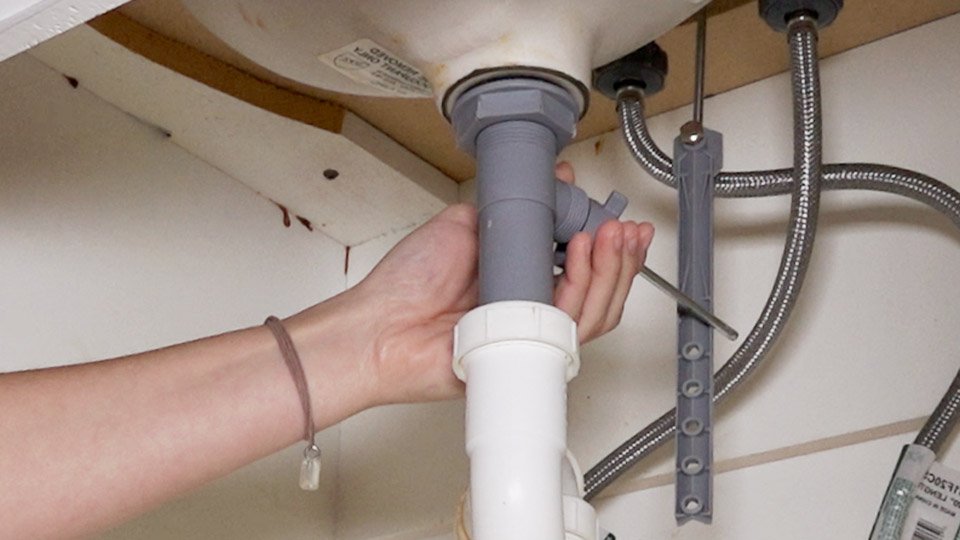
Flush the drain with a mix of near-boiling water and dish soap to clear out trapped urine or bacteria. If the smell persists, it might be a plumbing issue—call a professional to inspect the drain or P-trap.