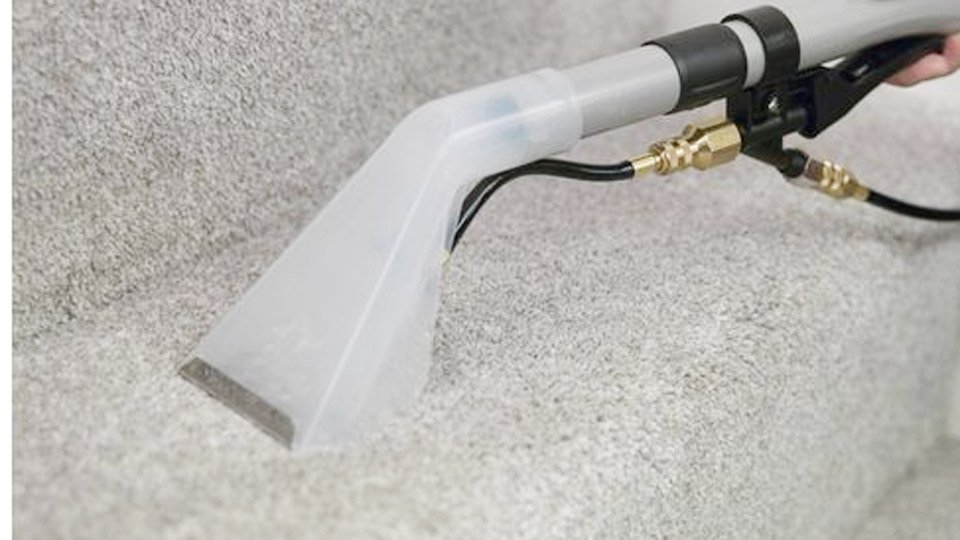
I spilled a cup of coffee on my living room carpet—right in the spot I swore I’d keep clean. If you’ve ever stood over a stubborn stain thinking, “How on earth am I going to fix this?” then you know the panic. That’s exactly why I started digging into How to Get Old Stains Out of Carpet with Home Remedies? Because let’s be honest, calling in a professional every time isn’t always practical (or affordable).
I’ve learned a few surprisingly effective tricks using things we already have at home—like vinegar, baking soda, or even dish soap—that save both time and money. And honestly? There’s nothing more satisfying than watching a “permanent” stain disappear without harsh chemicals.
Image by rd
Old Carpet Stains and Why They’re So Stubborn
Old stains aren’t like fresh spills—they’ve had time to set in, bonding with the carpet fibers and sometimes changing color or texture. Think of them as uninvited guests who’ve overstayed their welcome, embedding deeper into the pile.
These stains become tough because exposure to air, foot traffic, and even sunlight oxidizes them, making removal trickier than a quick blot. In my experience cleaning rentals in places like Chicago, where winters mean tracked-in mud and salt, old stains often hide layers of dirt that amplify the problem.
You need to address them when you notice persistent odors, discoloration that doesn’t budge with vacuuming, or if you’re prepping for a move-out inspection to avoid deposit deductions. Ignoring them can lead to hygiene issues, like bacterial buildup that affects indoor air quality—crucial for families with asthma or allergies.
To tackle one, start by identifying the stain type, then gently scrape off any crusty residue with a dull knife or spoon. Vacuum the area thoroughly to remove loose particles. Test your chosen remedy on a hidden spot, like under a couch, to avoid fading colors.
A common mistake? Rubbing vigorously, which spreads the stain and frays fibers. Instead, always blot from the outside in with a white cloth to lift without pushing deeper.
Pro tip from years on the job: Work in good lighting, maybe with a flashlight, to see the full extent. And if it’s a large area, divide it into sections to avoid overwhelming yourself.
Common Types of Old Stains in American Homes
In US households, from cozy Texas ranches to New York apartments, certain stains pop up repeatedly due to our lifestyles—think coffee in the morning rush or red wine during game nights.
Coffee stains, for instance, are tannin-based and turn brownish over time, common in kitchens or offices. Pet urine leaves yellowish marks with a lingering smell, especially in homes with dogs or cats. Ink from pens or markers creates dark, oily blots, often from kids’ homework spots. Wine or juice stains oxidize to purple hues, tricky on light carpets.
These matter because they not only look bad but can attract more dirt, shortening your carpet’s life. I’ve dealt with pet owners in Florida who swear by quick action to prevent re-soiling behaviors.
For removal, the process varies by type, but always start with blotting excess and applying a remedy suited to the stain’s chemistry—acidic for tannins, enzymatic for proteins.
Avoid using heat on unknown stains, as it can set them permanently. I’ve ruined a client’s rug once by steaming too soon—lesson learned: Patience is key.
Shortcut: Keep a stain journal in your cleaning kit noting what worked last time; it saves guesswork.
Preparing Your Carpet Before Applying Home Remedies
Before diving into remedies, prep is everything—it’s like setting the table before a meal. This step ensures the remedy works effectively without damaging your carpet.
Prepping involves vacuuming to remove surface dirt, which can mix with liquids and create mud. Why? Old stains often have debris layered on top, and skipping this muddies the waters, literally.
Do this when the stain is dry; wet vacs are for fresh messes. In busy family homes, I recommend doing it on a weekend when you can let areas air out.
Step-by-step: First, move furniture if needed. Vacuum slowly in multiple directions. For plush carpets common in US bedrooms, use the brush attachment to lift pile. Spot-test fabrics nearby.
Mistake: Over-wetting during prep, which dilutes remedies later. Use a dry brush for stubborn bits instead.
Tip: Add a sprinkle of baking soda before vacuuming—it freshens as it lifts dirt, a hack I’ve used in smoky apartments.
Home Remedy: Vinegar and Dish Soap for Versatile Stain Removal
This combo is my go-to for many old stains—vinegar’s acidity cuts through grime, while dish soap breaks down oils. It’s cheap, effective, and uses items from your pantry.
Ideal for food-based or general dirt stains, especially in high-traffic areas like living rooms. Use it when commercial cleaners are out, saving you a trip to the store and bucks.
Step-by-step: Mix 1 tablespoon white vinegar, 1 tablespoon mild dish soap (like Dawn), and 2 cups warm water in a spray bottle. Spray liberally on the stain, let sit 5-10 minutes. Blot with a clean, damp cloth, working outward. Rinse by blotting with plain water, then dry with a fan or towel.
Common error: Using colored soap, which can dye the carpet. Stick to clear varieties.
Pro tip: For tougher spots, cover with a damp cloth and iron on low heat briefly—it steams the solution deeper without direct contact. I’ve revived faded coffee stains this way in my own den.
Eco-friendly note: Vinegar is natural and biodegradable, perfect for green households.
Home Remedy: Baking Soda and Vinegar for Absorbing and Lifting Stains
Baking soda absorbs odors and moisture, while vinegar fizzes to loosen particles—a dynamic duo for set-in messes.
Great for pet urine or vomit stains, common in family homes with animals. Needed when smells persist, as it neutralizes without harsh chemicals.
Process: Sprinkle baking soda generously over the dry stain, let sit 15-30 minutes (or overnight for deep ones). Mix equal parts vinegar and water, spray over soda to fizz. Wait 5 minutes, blot up foam. Vacuum residue once dry.
Avoid scrubbing the fizz—it can embed deeper. Let chemistry do the work.
Shortcut: In rentals, I mix in a drop of essential oil like lavender for fresh scent without residue.
Safety: Wear gloves if sensitive; ventilate to avoid vinegar fumes, especially around kids.
Home Remedy: Hydrogen Peroxide for Oxidized or Color-Based Stains
Hydrogen peroxide (3% solution) bleaches gently, ideal for lightening dark stains like wine or ink without harsh bleach.
Use on light carpets for oxidized marks; test first on dark ones to prevent fading. Essential for wine spills from gatherings, preventing permanent discoloration.
Steps: Mix equal parts peroxide and water. Dab on stain with cotton ball, let sit 10 minutes. Blot with clean cloth; repeat if needed. Rinse thoroughly.
Mistake: Using full strength—dilute always to avoid fiber damage.
Tip: Follow with sunlight exposure for natural bleaching boost, but not on synthetics.
Eco-option: It’s water-based and breaks down harmlessly.
Comparing Home Remedies for Different Stain Types
To help you choose, here’s a quick comparison table based on what I’ve tested in real homes:
| Stain Type | Vinegar + Dish Soap | Baking Soda + Vinegar | Hydrogen Peroxide | Pros | Cons |
|---|---|---|---|---|---|
| Coffee/Tannin | Excellent for breaking down | Good for absorption | Okay for lightening | Fast, cheap | May need repeats |
| Pet Urine | Fair, deodorizes somewhat | Best for odors | Not ideal | Neutralizes smell | Fizz can spread if wet |
| Wine/Berry | Good initial lift | Fair | Excellent for color | Effective on reds | Risk of bleaching |
| Ink/Oil | Best for oils | Okay | Good for fading | Cuts grease | Oily residues linger |
| General Dirt | Versatile | Absorbs well | Not necessary | All-purpose | Slower dry time |
This table draws from jobs in various US climates—humid South needs quicker-drying options like peroxide.
Tackling Specific Old Stains: Coffee and Tea Marks
Coffee stains are everyday villains in American kitchens, where morning brews spill amid the rush.
They’re tannin-rich, needing acidic remedies to dissolve. Act when they darken fibers, affecting appearance and attracting dust.
Step-by-step: Blot dry, apply vinegar-soap mix, let sit, blot. For old ones, follow with baking soda scrub.
Avoid hot water—it sets tannins. Use lukewarm.
Anecdote: Once, in a client’s busy home office, a week-old latte stain vanished after two applications—no pro needed.
Tip: Club soda as a quick pre-rinse for fizzy lift.
Removing Old Pet Urine Stains Naturally
Pet urine is protein-based, causing yellowing and ammonia smells in carpeted pet zones.
Crucial for hygiene, as residues can encourage re-marking. In my experience with dog-owning families, enzyme-like home fixes work wonders.
Process: Soak with vinegar-water (1:1), blot. Sprinkle baking soda, vacuum after drying.
Mistake: Using ammonia-based cleaners—mimics urine, worsening issues.
Shortcut: Add dish soap for extra breakdown; ventilate well.
Safety: Keep pets away during treatment; use gloves.
Banishing Ink and Marker Stains from Carpets
Ink stains from kids’ play or office slips are oily and pigment-heavy.
Needed when they bleed into fibers, ruining aesthetics. Common in homes with homework nooks.
Steps: Dab with rubbing alcohol (isopropyl) on a cloth, blot gently. Follow with soapy water rinse.
Don’t rub—spreads ink. Test alcohol first.
Pro: For permanent markers, hairspray (alcohol-based) as alternative.
Eco: Opt for natural alcohol from fermented sources if available.
Eco-Friendly Options and DIY Alternatives
Going green? Swap chemical cleaners for these—I’ve used them in eco-conscious California homes.
Vinegar-based remedies are top for sustainability, no toxins leaching into landfills.
Why? Reduces environmental impact, safer for kids/pets.
Alternatives: Lemon juice for acidity (dilute to avoid stickiness), or salt for absorption on fresh-ish old stains.
Pros: Cost-effective, readily available. Cons: May require more elbow grease.
Tip: Mix in cornstarch with baking soda for thicker pastes on vertical spills.
Essential Tools and Safety Precautions for Safe Cleaning
You don’t need fancy gear—basic tools make a difference.
White cloths or paper towels for blotting, spray bottles for mixing, dull knives for scraping, fans for drying.
Safety first: Always glove up to protect skin from irritants. Ventilate rooms, especially with vinegar or peroxide—open windows in stuffy basements.
For families, store solutions high up, away from curious hands. Test patches prevent disasters.
In my jobs, I’ve seen mishaps from poor ventilation leading to headaches—don’t skip it.
Quick fix: Use old toothbrushes for gentle scrubbing without damage.
Preventing Future Carpet Stains in Busy Households
Once clean, keep it that way—prevention beats cure.
Place mats at entries to catch dirt, enforce no-shoes rules common in many US homes.
Why? Extends carpet life, cuts cleaning time.
Tips: Regular vacuuming twice weekly, immediate blotting of new spills.
Anecdote: In a family of four I cleaned for, area rugs over high-risk spots saved their main carpet from repeats.
Maintenance: Deep clean seasonally with home steamers if possible.
Conclusion: Mastering Carpet Stain Removal for a Fresher Home
There you have it, friend—we’ve covered the ins and outs of getting those pesky old stains out with simple home remedies, from vinegar mixes to baking soda magic. By following these steps, you’ll clean smarter, saving time and money while keeping your space healthier and safer. No more stressing over spills; you’ve got the tools to handle them like a pro.
One final pro tip: Always blot, never rub—it’s the golden rule that’s saved countless carpets in my book. Now go reclaim that spotless floor!
Can Baking Soda Alone Remove Old Carpet Stains?
Baking soda is fantastic for absorbing odors and light stains, but for deep old ones, pair it with vinegar or soap for better lift. Sprinkle liberally, wait an hour, vacuum—I’ve used this on mild dirt marks with great results.
How Do I Remove Red Wine Stains from Carpet Without Chemicals?
Blot immediately, then apply club soda or a salt paste to draw out color. For set-in ones, vinegar and dish soap work naturally. Test first; in my experience, patience with blotting prevents spreading.
Are Home Remedies Safe for All Carpet Types?
Mostly yes, but wool or silk needs gentler approaches—stick to diluted vinegar and avoid peroxide. Always patch-test; I’ve seen synthetics handle them fine, but naturals can fade.
What If Home Remedies Don’t Work on My Old Stain?
If it’s super stubborn, like oil-based, try repeating or adding heat cautiously. Otherwise, consider pros for deep extraction—better than damaging fibers yourself.
How Can I Get Rid of Pet Odors Along with Stains?
Vinegar neutralizes smells effectively; follow with baking soda. Enzymatic cleaners mimic this at home. Ventilate and vacuum thoroughly—key for lasting freshness in pet-heavy homes.