The bathroom is one place in the house that always seems to need extra attention — soap scum on the sink, water spots on the mirror, and let’s not even talk about the shower tiles. For years, I relied on store-bought sprays that left a harsh smell lingering in the air, and honestly, I wasn’t thrilled about using so many chemicals where my family spends time every day.
That’s what led me to experiment with making my own. If you’ve ever wondered how to make a natural bathroom cleaner that’s tough on grime but gentle on your home (and wallet), you’ll be surprised at how easy it is. With just a few everyday ingredients, you can whip up a cleaner that’s effective, eco-friendly, and actually smells fresh.
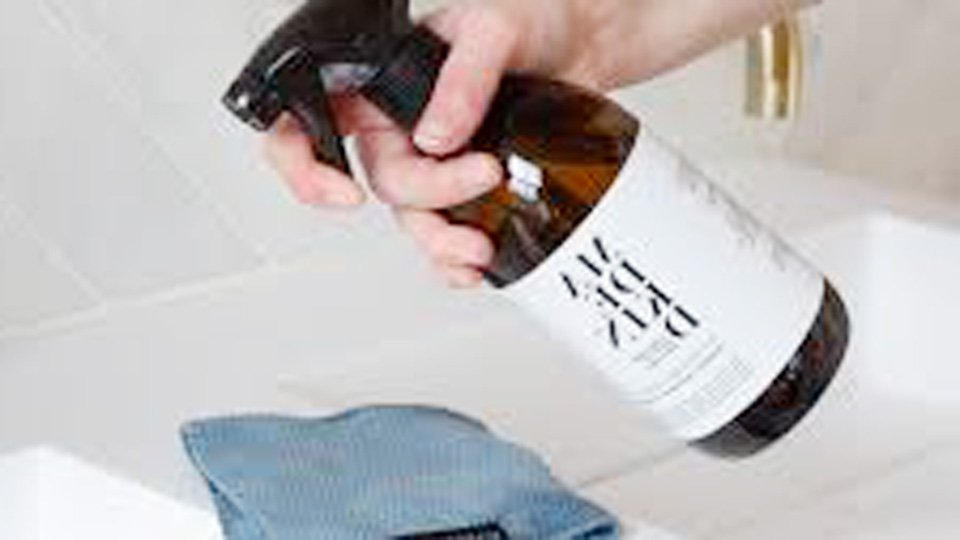
Image by madekind
Why Choose Natural Bathroom Cleaners Over Store-Bought Ones
Let me start by explaining what a natural bathroom cleaner really is. At its core, it’s a mix of everyday household items like vinegar, baking soda, and essential oils that clean without synthetic chemicals. No bleach, no ammonia—just stuff you’d find in your kitchen or local grocery store. I’ve relied on these for years because they’re versatile; one batch can handle tiles, sinks, and even toilets.
Why bother making the switch? Well, from my experience, health and safety top the list. Those commercial cleaners? They’re loaded with volatile organic compounds (VOCs) that can irritate your skin, eyes, and lungs—I’ve had clients with asthma who couldn’t even be in the house after using them. Natural versions are gentler, reducing allergy risks in households with pets or little ones running around. Hygiene-wise, they still kill bacteria effectively; vinegar alone is a powerhouse against mold in humid bathrooms common in places like Florida or the Midwest.
When do you need one? Anytime you’re dealing with daily buildup—soap scum from hard water, toothpaste splatters, or that funky mildew smell after a steamy shower. It’s especially handy for busy families juggling work and school, where quick, safe cleans are essential. Cost savings? Huge. A bottle of commercial cleaner might run you $5-10, but my go-to recipe costs pennies per batch. And time efficiency shines through because you mix once and use for weeks.
In my professional days, I once helped a renter in a tiny New York apartment who was fed up with overpriced products. We whipped up a batch together, and she was amazed at how it cut through grime without damaging her landlord’s fixtures. It’s moments like that that remind me why natural is the way to go.
Essential Ingredients for Your Homemade Bathroom Cleaner
Before we dive into mixing, let’s talk about what goes into a natural bathroom cleaner. These aren’t fancy lab concoctions—they’re basics I’ve grabbed from my pantry during last-minute cleanups.
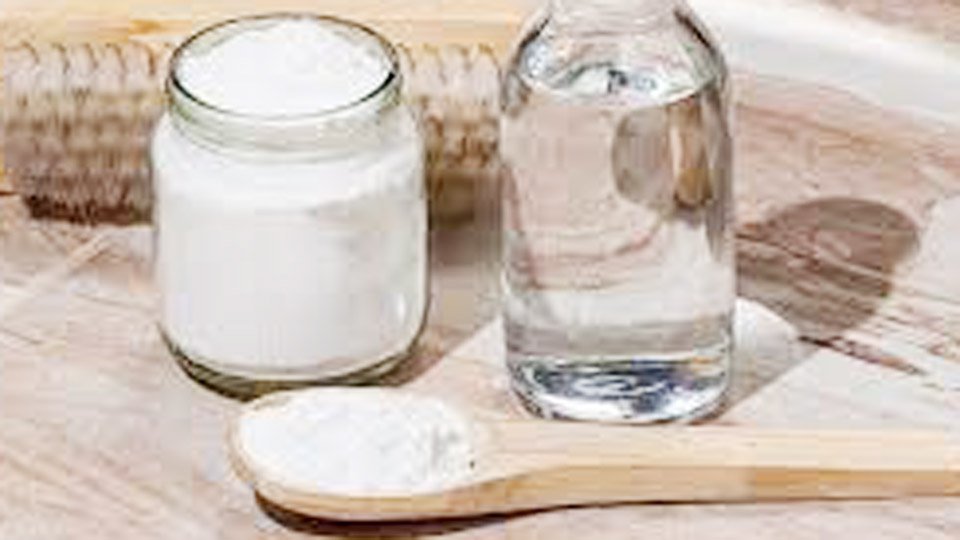
First up, white vinegar: It’s the star for dissolving mineral deposits and killing germs. I prefer distilled white for its neutrality—no fruity smells clashing with your bathroom vibe.
Baking soda comes next; it’s a mild abrasive that scrubs without scratching. I’ve used it on everything from porcelain sinks to fiberglass tubs in older US homes.
Then there’s liquid castile soap or dish soap for cutting grease and adding suds. Opt for unscented to avoid overwhelming scents.
Essential oils like lemon or tea tree add antibacterial power and a fresh aroma. Lemon is my favorite for that citrus zing that masks odors naturally.
Water ties it all together, diluting for safe spraying.
Why these? They’re eco-friendly, biodegradable, and readily available at any Walmart or Target. When needed? For routine cleans or tough spots like lime scale in hard-water areas like the Southwest.
Pro tip from my hands-on trials: Always store ingredients in a cool, dark spot to maintain potency. I’ve learned the hard way that sunlight can weaken vinegar over time.
Step-by-Step Guide to Making a Basic Natural Bathroom Cleaner
Alright, let’s get our hands dirty—figuratively, of course. I’ll walk you through my tried-and-true recipe for an all-purpose spray. This one’s saved me during countless professional gigs and home emergencies.
What it is: A vinegar-based spray that’s tough on grime but gentle on surfaces.
Why needed: For daily maintenance in high-use bathrooms, preventing buildup that leads to deeper cleans later.
Step one: Gather your tools—a clean spray bottle (reuse an old one, but rinse thoroughly), measuring cups, and a funnel to avoid spills.
Step two: Pour 1 cup of white vinegar into the bottle. I’ve found this ratio perfect for cutting soap scum without being too acidic.
Step three: Add 1 cup of water to dilute. Distilled water prevents mineral streaks if your tap is hard.
Step four: Mix in 1 tablespoon of castile soap. Stir gently to avoid bubbles overflowing—trust me, I’ve mopped up that mess before.
Step five: Drop in 10-15 drops of essential oil. Lemon for freshness or tea tree for mold-prone areas.
Step six: Cap and shake well. Label it with the date and ingredients for safety.
Common mistakes: Overdoing the soap leads to residue—I’ve seen it leave streaks on mirrors. Avoid by measuring precisely.
Another pitfall: Using apple cider vinegar instead of white; it stains and smells funky. Stick to white for clarity.
Pro tip: Make a double batch for larger homes. In my experience cleaning multi-bathroom houses, having extras on hand saves trips to the store.
This process takes under 5 minutes, and you’ve got a cleaner ready for action.
Creating a Natural Bathroom Scrub for Tough Stains
Sometimes a spray isn’t enough—enter the scrub paste. This is what I reach for when facing grout lines or bathtub rings in neglected rentals.
What it is: A thick mix of baking soda and soap for abrasive power.
Why/when: For deep cleans, like after a family vacation when mildew sneaks in, or in humid climates where mold thrives.
Step-by-step: Start with 1/2 cup baking soda in a bowl.
Add 1/4 cup castile soap and mix to a paste consistency.
Stir in 1 tablespoon water if too dry—adjust based on humidity; drier in arid states like Arizona.
Add 5-10 drops essential oil for scent and extra antimicrobial kick.
Apply with a sponge, let sit 10-15 minutes, then scrub and rinse.
Mistakes to avoid: Not rinsing thoroughly leaves a powdery film—I’ve had to redo jobs because of this. Always follow with a vinegar spray to neutralize.
Pro shortcut: Use an old toothbrush for grout. During one job in a Boston brownstone, this trick turned hours of work into minutes.
This scrub is eco-friendly, using no plastics beyond your tools, and it’s safe for septic systems common in rural US areas.
How to Use Your Natural Cleaner on Different Bathroom Surfaces
Now that you’ve made it, let’s apply it right. I’ve cleaned everything from marble vanities in upscale homes to basic vinyl in apartments, so I know what works where.
For tiles and grout: Spray liberally, let sit 5 minutes, scrub with a brush. Why? Tiles absorb grime; natural acids loosen it without etching.
Common mistake: Scrubbing too hard on delicate tiles—use soft bristles to prevent scratches.
Pro tip: In hard-water regions like the Midwest, follow with a squeegee to prevent spots.
On sinks and faucets: Dab paste on fixtures, wipe with a microfiber cloth. It’s needed for daily toothpaste buildup.
Avoid mixing with bleach residues from past cleans—that creates fumes. Always ventilate.
For showers and tubs: Spray, wait, then rinse. Eco-option: Use a reusable cloth instead of paper towels.
Anecdote: Once, in a California beach house, salt air made everything sticky. This method cut through it effortlessly, impressing the owners.
Toilets: Sprinkle baking soda inside, add vinegar for fizzing action. Scrub and flush.
Safety reminder: Wear gloves if your skin’s sensitive—I’ve got calluses from years of this, but not everyone does.
Mirrors: Light spray, wipe with newspaper for streak-free shine. Quick fix for foggy mornings.
Child safety: Store high up; natural doesn’t mean edible.
Benefits and Drawbacks of Natural vs. Commercial Bathroom Cleaners
I’ve switched fully to natural, but let’s be real—both have pros and cons. Here’s a comparison based on my trials.
| Aspect | Natural Cleaners | Commercial Cleaners |
|---|---|---|
| Cost | Low (pennies per batch) | Higher ($5+ per bottle) |
| Effectiveness | Great for daily grime; may need elbow grease for tough stains | Quick on heavy buildup but can damage surfaces over time |
| Health/Safety | Fewer fumes, skin-friendly; ventilate anyway | Strong chemicals; risk of irritation or allergies |
| Eco-Friendliness | Biodegradable, minimal packaging | Often contain plastics and non-renewable ingredients |
| Shelf Life | 1-2 months; make fresh | Longer, but may separate |
| Versatility | Multi-surface with tweaks | Specialized products needed |
Pros of natural: Cost savings and peace of mind. I’ve saved families hundreds by teaching this.
Cons: Less immediate fizz on limescale—patience required.
Why it matters: In US households with kids, natural reduces exposure risks.
Variations: Customizing Your Natural Cleaner for Specific Needs
Not all bathrooms are the same, so tweak recipes accordingly.
For mold-prone areas: Boost tea tree oil—it’s antifungal. I’ve used this in damp basements.
Eco-friendly twist: Use plant-based soaps.
DIY alternative to bleach: Hydrogen peroxide mixed with baking soda for whitening.
For sensitive skins: Skip essentials if allergies flare.
In small apartments: Make smaller batches to save space.
Pro tip: Test on a small area first—saved me from discoloring a vintage sink once.
Common Mistakes in Making and Using Natural Cleaners and How to Avoid Them
Even pros mess up. One biggie: Not shaking before use—separates ingredients. Always agitate.
Over-acidity: Too much vinegar etches stone. Dilute properly.
Ignoring ventilation: Fumes aren’t as bad, but open windows.
Storing wrong: Light degrades oils. Use dark bottles.
Quick fix: If it doesn’t foam, add more soap next time.
From experience, rushing the sit time means redoing—patience pays.
Pro Tips and Shortcuts from My Cleaning Journey
After years elbow-deep in suds, here are my gems.
Shortcut: Pre-mix dry ingredients for grab-and-go.
Tip: Combine with steam from a hot shower to loosen dirt.
Anecdote: During a move-out clean in Texas, this halved my time.
For busy parents: Clean while kids bathe—multi-task safely.
Maintenance: Weekly sprays prevent big jobs.
Final hack: Add citrus peels to vinegar for infused scent—free and effective.
Conclusion
Wrapping this up, friend, you’ve now got the know-how to make a natural bathroom cleaner that’s simple, safe, and seriously effective. From gathering pantry staples to applying on tricky surfaces, these steps help you clean smarter by customizing to your home, faster with quick mixes and shortcuts, and safer with non-toxic ingredients that protect your family’s health. Remember, consistency is key— a little daily effort keeps things sparkling without the overwhelm.
FAQ
Can vinegar damage bathroom surfaces?
Not if used diluted and on appropriate materials like ceramic or glass. Avoid on natural stone like marble, as it can etch—I’ve seen that happen in older homes. Test a small spot first and rinse well.
How long does homemade natural bathroom cleaner last?
Typically 1-2 months in a cool, dark place. If it smells off or separates, toss it and make fresh. In my experience, labeling the date helps track this easily.
Is baking soda safe for septic systems?
Yes, it’s natural and breaks down without harm, unlike harsh chemicals. I’ve used it in rural homes with septics for years without issues—just don’t overdo quantities.
What essential oils are best for natural cleaners?
Lemon for grease-cutting and freshness, tea tree for mold prevention. Start with 10 drops to avoid overpowering scents, especially in small bathrooms.
Can I use natural cleaners on grout?
Absolutely—they’re great for whitening. Make a paste, let sit, and scrub gently. For stained grout, repeat weekly to maintain that clean look without bleaching.“`