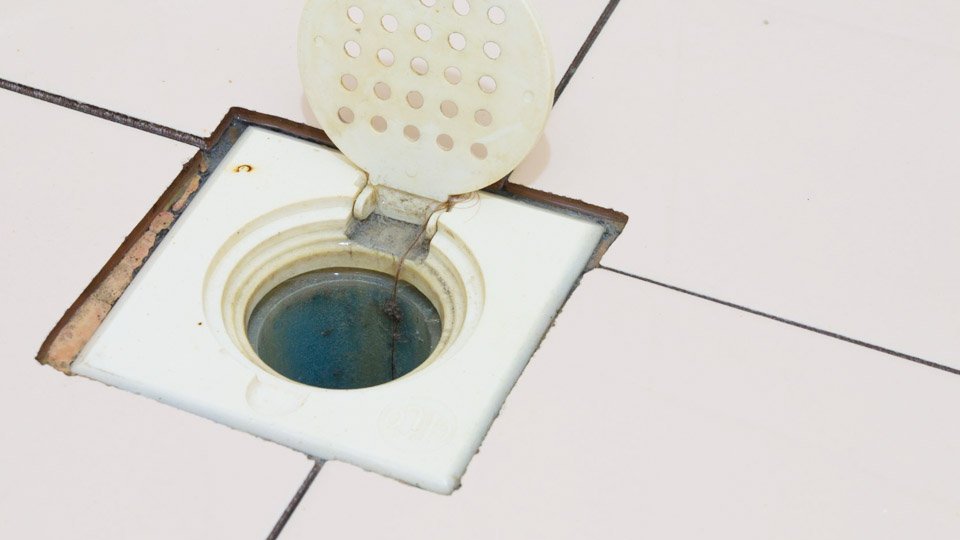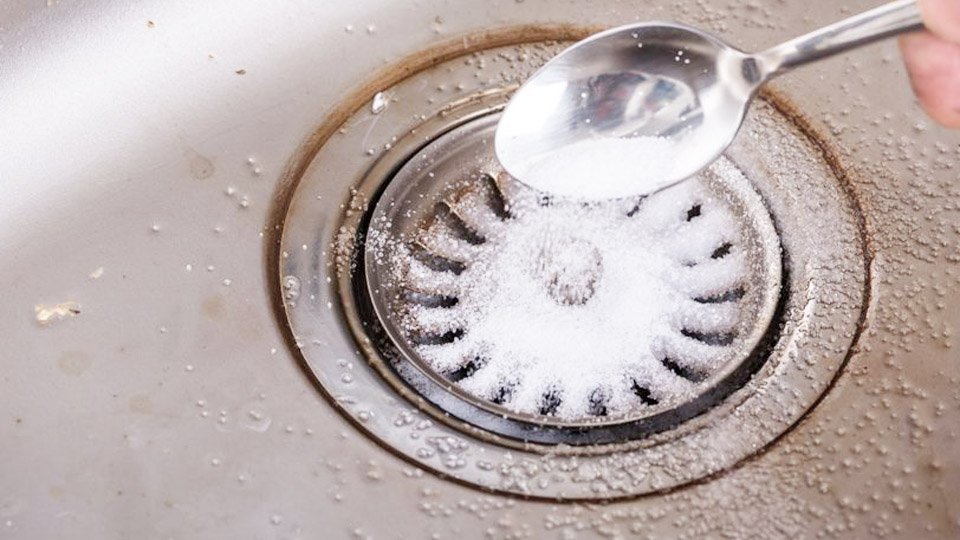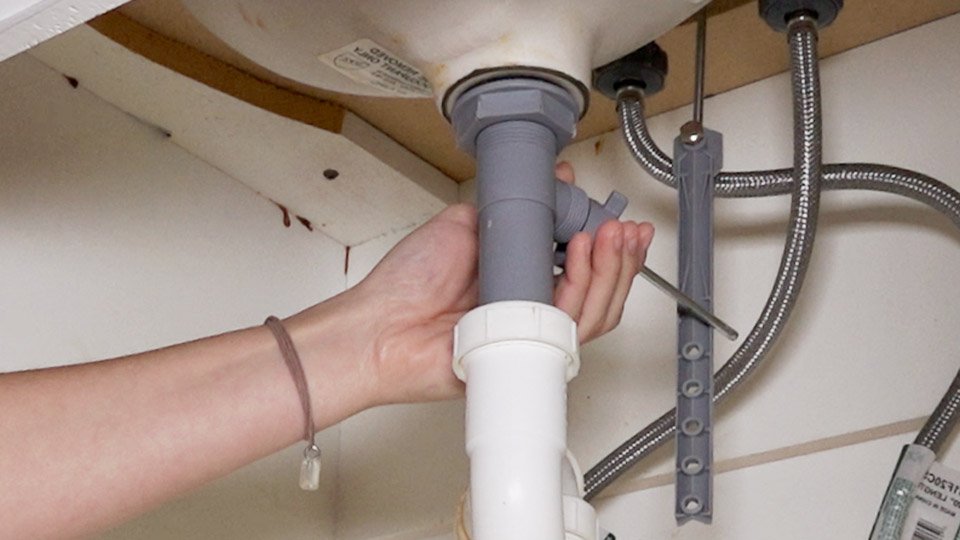
Whenever I tackle the bathroom, I find it’s easy to feel overwhelmed — there’s the sink, mirror, toilet, shower, and somehow a million little corners that collect dust and grime. The trick, I’ve learned, is to start with a clear plan instead of just diving in. So, what is the first step in cleaning a bathroom? For me, it always begins with a quick declutter: removing towels, toiletries, and anything sitting on the counters so I’m not cleaning around stuff.
Starting this way makes the whole process smoother, faster, and way less frustrating. Once the space is cleared, everything else — scrubbing, wiping, and shining — falls into place.
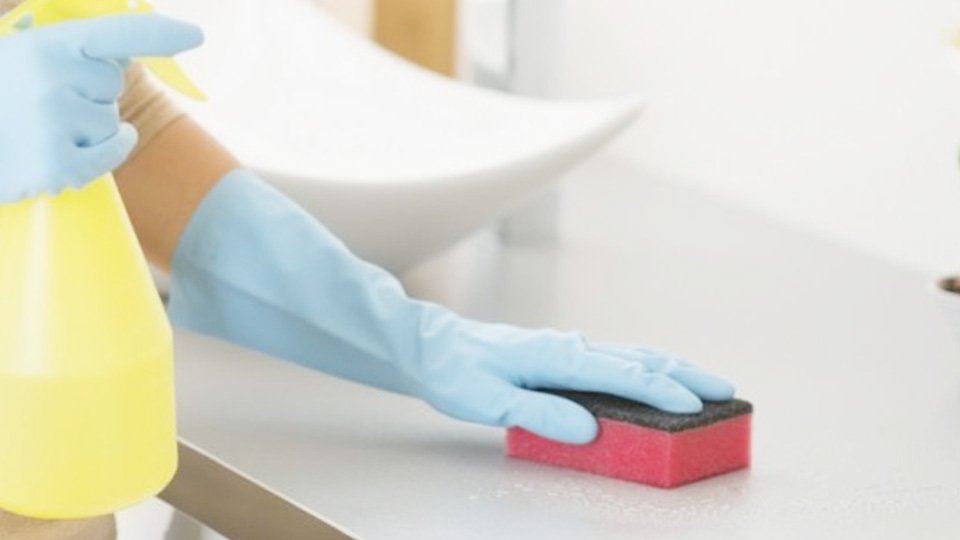
Image by nyhandymannyc
Preparing Your Bathroom: Why Starting Here Makes All the Difference
Preparation is the unsung hero of any cleaning job. It’s that foundational step that turns chaos into control. In my experience, jumping straight into scrubbing without prepping is like trying to paint a wall without taping the edges—you end up with a bigger mess.
This step is needed before every deep clean, especially if your bathroom hasn’t seen a thorough scrub in weeks. For daily touch-ups, you might skip some parts, but for a full reset, it’s essential. Think about it: cluttered counters mean you’re constantly moving stuff around, wasting time and risking knocks.
Here’s how I do it step by step. First, remove everything from surfaces—towels, toiletries, rugs, and trash bins. Stash them in a laundry basket or hallway to keep them out of the way. Next, open windows or turn on the exhaust fan for ventilation; this is key to avoiding inhaling fumes from cleaners, which I’ve learned the hard way after a dizzy spell from poor airflow.
Common mistakes? Forgetting to declutter, leading to water splashes on your toothbrush or worse, knocking over bottles mid-scrub. Avoid this by double-checking counters and floors are clear. Also, don’t overlook safety—wear gloves to protect your skin, and if you have kids or pets, secure the area to prevent accidents.
From my pro perspective, a shortcut is to keep a dedicated cleaning caddy stocked with essentials like microfiber cloths, scrub brushes, and all-purpose cleaner. This saves rummaging through cabinets. For eco-friendly folks, opt for reusable cloths over paper towels to cut waste. And here’s a tip: If your bathroom is tiny, like many in urban apartments, prep by folding towels neatly outside to maximize space.
Gathering the Right Cleaning Supplies: Tools That Actually Work
Supplies are your arsenal in the battle against grime. Without the right ones, you’re fighting uphill. I’ve tried everything from dollar-store basics to high-end pros, and I know what delivers results without breaking the bank.
You need them whenever you’re cleaning, but especially for bathrooms prone to hard water stains or mildew. In US homes, where water quality varies by region—think mineral-heavy tap in the Midwest—this matters for choosing effective products.
Step by step: Start with basics like rubber gloves, a scrub brush, sponge, and bucket. Add cleaners: all-purpose for surfaces, glass cleaner for mirrors, and toilet bowl gel. For disinfecting, grab something with bleach or hydrogen peroxide. Don’t forget microfiber cloths—they’re magic for streak-free shines.
Mistakes to dodge: Using abrasive tools on delicate fixtures, which can scratch porcelain. Instead, test on a small area first. Overloading on chemicals is another pitfall; it creates runoff that harms drains.
Pro tips from the trenches: DIY alternatives like vinegar and baking soda work wonders for natural cleaning—mix them into a paste for tough spots. Eco options? Brands like Seventh Generation offer plant-based sprays that are safe for septic systems common in rural US areas. Safety wise, always read labels and store products out of kids’ reach; I once had a scare when my toddler grabbed a bottle left on the counter.
Let’s compare some popular tools in a table to help you choose:
| Tool/Product | Pros | Cons | Best For |
|---|---|---|---|
| Microfiber Cloths | Absorbent, reusable, no lint | Need washing after use | Mirrors, counters |
| Scrub Brush | Tough on grime, ergonomic handles | Can scratch if too stiff | Toilets, tiles |
| Vinegar Solution (DIY) | Cheap, eco-friendly, kills bacteria | Strong smell, less effective on heavy stains | General surfaces |
| Bleach-Based Cleaner | Powerful disinfectant | Harsh fumes, not eco-friendly | Mold-prone areas |
| Squeegee | Quick dry for showers | Requires storage space | Preventing water spots |
This setup has saved me hours on jobs, turning a dreaded chore into something manageable.
Decluttering and Organizing: Setting the Stage for Success
Decluttering isn’t just tidying; it’s about creating a blank canvas. I’ve walked into bathrooms piled with half-empty bottles and forgotten hair tools, and trust me, it doubles your cleaning time.
Do this at the start of every session, or weekly if clutter builds fast in shared family bathrooms. It’s vital for hygiene, as cluttered spaces harbor dust and moisture-loving bacteria.
Step by step: Sort items into keep, toss, or relocate piles. Wipe down shelves as you go. For organization, use bins or hooks—practical for US rentals where drilling walls might not be allowed.
Common errors: Hoarding expired products, which can contaminate clean areas. Check dates and purge regularly. Rushing this step leads to overlooked spots.
My shortcut? Use a timer—10 minutes max for decluttering. Pro tip: For busy families, involve kids by making it a game; it teaches responsibility while lightening your load. Eco angle: Recycle empty bottles to reduce plastic waste.
Anecdote time: On a job in a suburban home, I decluttered a vanity stuffed with years of products, revealing hidden mold. That quick fix prevented a health hazard and made the clean-up breeze.
Ventilating the Space: Breathing Easy While You Clean
Ventilation might seem minor, but it’s a game-changer for safety and efficiency. Poor air flow turns your bathroom into a fume-filled box, something I’ve experienced after using strong cleaners without a fan.
It’s needed every time, especially with chemical products. In humid climates like the Southeast US, it prevents mold growth by drying air faster.
How-to: Open windows wide, switch on the fan, or use a portable one if needed. Run it during and after cleaning for at least 30 minutes.
Mistakes: Ignoring it in windowless bathrooms—use a dehumidifier instead. Forgetting to clean the fan itself, which spreads dust.
Tip: Natural ventilation pairs well with green cleaners to minimize odors. Safety reminder: If you feel lightheaded, step out immediately; better safe than sorry.
The First Hands-On Step: Dusting and Wiping Down Dry Surfaces
Now we’re getting into action. Dusting dry surfaces is often the true first “wet-free” step after prep, preventing dust from turning into mud when you add water.
Why? Dust accumulates on high spots like light fixtures, creating allergens. In dry US regions like the Southwest, it’s a constant battle.
Step by step: Use a dry microfiber cloth or duster to wipe vents, lights, and shelves from top to bottom. Vacuum floors if they’re dry.
Avoid: Using wet cloths first, which smears dust. Common mistake in haste.
Pro: For hard-to-reach areas, attach a cloth to a broom handle. Eco: Reusable dusters over disposables.
Tackling the Toilet: Getting It Sparkling Without the Gross Factor
The toilet—everyone’s least favorite, but I’ve cleaned hundreds, from sparkling new to nightmare scenarios.
It’s the germ hotspot, needing weekly deep cleans for hygiene, especially in households with kids or elderly.
What: Focus on bowl, seat, and base.
Step by step: Apply cleaner inside the bowl, let sit. Scrub exterior with disinfectant, then interior with a brush. Flush and wipe dry.
Mistakes: Skipping under the rim, where bacteria hide. Use angled brushes to avoid.
Tip: DIY with baking soda and vinegar for fizzing action. Safety: Gloves on, and ventilate.
Pros/cons table for cleaners:
| Cleaner Type | Pros | Cons | Ideal Use |
|---|---|---|---|
| Gel Toilet Cleaner | Clings to surfaces | Chemical-heavy | Stubborn stains |
| Natural Tablets | Eco, easy drop-in | Slower acting | Maintenance |
| Brush with Handle | Hygienic, disposable heads | Wasteful | Quick cleans |
A quick fix: For rings, pumice stone gently scrubs without scratching.
Mastering the Shower and Tub: Banishing Soap Scum for Good
Showers and tubs take a beating from daily use, building up residue that looks awful and feels slimy.
Needed after every few uses to prevent buildup, crucial in hard water areas like the Great Lakes region.
What: Cleaning walls, faucets, and drains.
Steps: Spray with cleaner, let soak. Scrub with a non-abrasive sponge, rinse thoroughly. Squeegee to dry.
Errors: Harsh abrasives on acrylic tubs—use soft tools. Forgetting drains leads to clogs.
Shortcut: Daily squeegee prevents major scrubs. Eco: Lemon and salt for natural shine.
Anecdote: I once tackled a rental shower caked in years of scum; a vinegar soak overnight made it effortless.
Shining Up Sinks and Counters: Everyday Sparkle
Sinks see toothpaste, hair, and soap daily, making them prime for quick grime.
Clean them often for hygiene, as they touch hands frequently.
Steps: Clear debris, spray disinfectant, wipe in circles. Polish faucets with a dry cloth.
Mistake: Mixing cleaners, causing reactions. Stick to one.
Tip: Baking soda paste for stains. Safety: Rinse well to avoid residue on toothbrushes.
Polishing Mirrors and Glass: Streak-Free Secrets
Mirrors fog and spot easily, ruining that clean look.
Weekly for clarity, especially in steamy bathrooms.
Steps: Spray glass cleaner, wipe with newspaper or microfiber from top down.
Avoid: Over-spraying, leading to drips. Common in haste.
Pro: Vinegar-water mix for eco shine. Quick fix: Hairdryer for fog.
Flooring Fundamentals: From Tiles to Vinyl
Floors track in dirt and moisture, needing attention last to avoid re-dirtying.
What: Sweeping, mopping, grout cleaning.
Steps: Sweep/vacuum, mop with solution, dry to prevent slips.
Mistakes: Using too much water on grout, encouraging mold. Blot instead.
Tip: For tiles, steam mops sanitize without chemicals. Safety: Non-slip mats for wet floors.
Table for floor types:
| Floor Type | Cleaning Method | Pros | Cons |
|---|---|---|---|
| Ceramic Tile | Mop with vinegar | Durable, easy | Grout stains easily |
| Vinyl | Mild soap wipe | Affordable | Scratches show |
| Stone | pH-neutral cleaner | Luxe look | Porous, needs sealing |
Handling Mold and Mildew: Prevention and Removal
Mold thrives in damp bathrooms, a health risk I’ve dealt with in coastal homes.
Needed at first sign for safety.
Steps: Identify, spray remover, scrub, dry area.
Avoid: Ignoring small spots—they spread.
Tip: Tea tree oil as natural antifungal. Ventilate always.
Final Touches: Reassembling and Maintenance
Put everything back neatly, adding fresh towels for that hotel vibe.
Maintenance: Daily wipes keep it easy.
Tip: Schedule weekly deep cleans.
Conclusion: Clean Smarter, Not Harder
Wrapping this up, remember: starting with solid prep sets you up for a bathroom that’s not just clean but healthier and more efficient. By following these steps—from gathering supplies to tackling each area—you’ll save time, avoid costly fixes, and breathe easier knowing germs are at bay. Keep a small spray bottle of vinegar mix handy for daily spot cleans; it’s my go-to for staying ahead without the hassle.
FAQ
What supplies do I need for a basic bathroom clean?
You’ll want gloves, all-purpose cleaner, scrub brush, microfiber cloths, and disinfectant. For DIY, add vinegar and baking soda. Stock up on these for quick, effective sessions without running to the store mid-clean.
How often should I deep clean my bathroom?
Aim for once a week in high-use homes, or every two in lighter traffic. Daily touch-ups on sinks and toilets prevent buildup, making deep cleans faster.
What’s the best way to remove hard water stains?
Soak with vinegar overnight, then scrub gently. For tougher spots, a lime remover works, but test first. Prevention? Wipe dry after use.
Are natural cleaners as effective as chemical ones?
Yes, for most jobs—like vinegar on scum or baking soda on grime. They’re safer for families and the environment, though chemicals tackle heavy mold faster. Mix based on your needs.
How can I clean my bathroom faster?
Prep ahead, work top to bottom, and use multi-tasking tools like a squeegee. Set a playlist—music makes it fly by, from my experience on long jobs.