If you’ve ever stared at your couch after a family movie night gone wrong—think spilled soda, pet fur everywhere, or those mystery stains from who knows what—you know how quickly a comfy spot can turn into a grimy eyesore. I’ve been there myself, both in my own home and during my years cleaning houses professionally across the Midwest.
That’s why I’m excited to walk you through how to use a Bissell carpet cleaner on your couch. It’s a game-changer for keeping your upholstery fresh without shelling out for pros every time. Trust me, with the right approach, you can tackle those tough spots and make your living room feel brand new again.
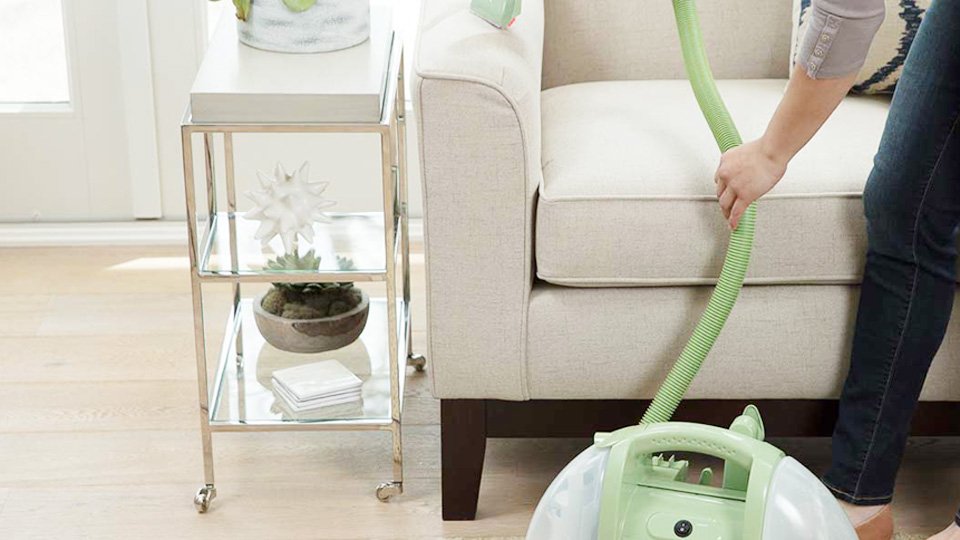
Image by bissell
Why does this even matter in your busy life? Well, couches are like the heart of most American homes—we flop on them after long days, host game nights, or let the kids build forts. But dirt, allergens, and spills build up fast, affecting indoor air quality and even your family’s health. I’ve seen how regular deep cleans can prevent mold, extend your furniture’s life, and save you hundreds on replacements. Plus, it’s efficient: a good session with a Bissell can knock out hours of scrubbing in under an hour.
Bissell Carpet Cleaners for Upholstery
First off, let’s chat about what a Bissell carpet cleaner really is when we’re talking couches. These machines aren’t just for floors; many models, like the Little Green or SpotClean series, are portable and designed for upholstery too. They’re basically compact vacuums with built-in water tanks that spray cleaning solution, agitate stains, and suck up the mess—all in one go.
You might need one when your couch starts showing signs of wear: think embedded dirt from daily use, pet accidents, or food spills that regular vacuuming won’t touch. In my experience, busy families in suburbs like those in Texas or California deal with this a lot, especially with kids or dogs. It’s needed for hygiene—removing bacteria and dust mites that can trigger allergies—and for keeping your home smelling fresh without harsh chemicals lingering.
When I first got my hands on a Bissell SpotClean Pro, it was a revelation after years of manual scrubbing. These cleaners work by heating water (in some models), mixing it with solution, and using brushes to lift grime. Why it’s great for couches: the attachments are gentle on fabrics like microfiber or leather blends common in US homes.
Preparing Your Couch Before Using the Bissell
Before you plug in that Bissell, prep is key—skip this, and you might end up with uneven results or even damage. Preparation means assessing your couch’s material and clearing the area.
Why prep? It ensures safety for your fabric and maximizes cleaning power. I’ve ruined a throw pillow once by not testing a spot first—lesson learned. Do this when stains are fresh or during seasonal deep cleans, like before holidays when guests are coming.
Step-by-step prep process: Start by vacuuming the couch thoroughly with a regular upright or handheld vac to remove loose crumbs and fur. I use the crevice tool for seams. Then, check the care tag—most couches have codes like “W” for water-based cleaners or “S” for solvent-only. If it’s “X,” vacuum only; no liquids.
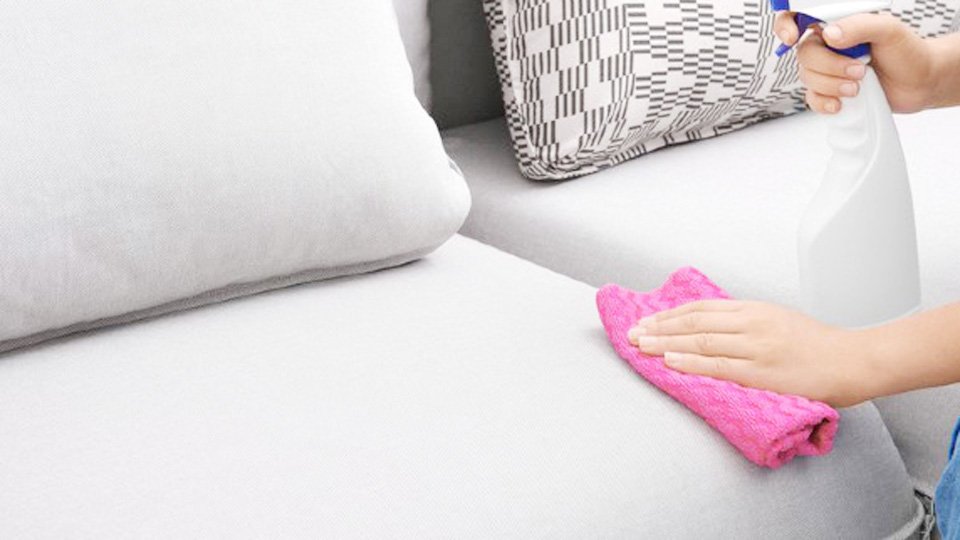
Next, spot-test the cleaning solution on a hidden area, like under a cushion. Mix according to the bottle—Bissell formulas are great, but dilute if your fabric is delicate. Gather supplies: gloves, old towels, and a fan for drying.
Common mistakes: Diving in without vacuuming first, which pushes dirt deeper, or ignoring the tag, leading to color fading. Avoid by always reading labels—I’ve saved clients’ heirloom sofas this way.
Pro tip: For eco-friendly prep, use a baking soda sprinkle overnight to loosen odors naturally before vacuuming. It’s cheap and chemical-free, perfect for households with sensitivities.
Step-by-Step Guide to Cleaning Your Couch with a Bissell
Alright, let’s get to the heart of it: using your Bissell on the couch. I’ll walk you through like we’re side by side in your living room.
What we’re doing here is a deep clean that extracts dirt, not just surfaces it. This process is ideal for when everyday wipes aren’t cutting it, like after a party spill or seasonal refresh.
Why it’s needed: Regular use keeps allergens at bay and prevents permanent stains. In my pro days, I’d do this quarterly for high-traffic homes.
Step 1: Fill the clean water tank with hot tap water and add Bissell formula—follow the ratio on the bottle, usually 2-4 ounces per gallon. For the dirty tank, empty it if needed.
Step 2: Attach the upholstery tool—most Bissells have a tough stain brush or hydro-rinse attachment. Plug in and turn on; some models preheat the water.
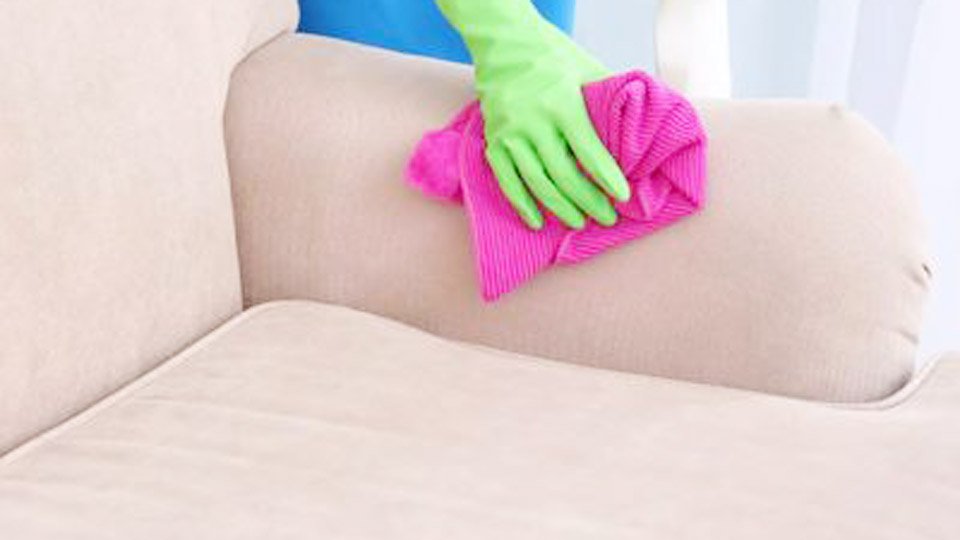
Step 3: Work in sections—start from the top, like armrests, to avoid drips. Spray solution lightly, then scrub gently in circular motions. Don’t oversaturate; couches aren’t as forgiving as carpets.
Step 4: Switch to suction mode and extract the dirty water. Go slow, overlapping passes. If it’s really grimy, repeat spray-scrub-suck.
Step 5: For cushions, remove if possible and clean separately on a tarp. Let everything air dry—use fans or open windows.
This usually takes 30-60 minutes for a standard couch. I’ve timed it during jobs.
Common mistakes: Soaking the fabric too much, causing mildew, or rushing drying. Avoid by blotting excess with towels and ensuring good ventilation—I’ve used box fans propped up.
Pro tip: For stubborn pet urine, pretreat with an enzyme cleaner like Nature’s Miracle before Bissell-ing. It breaks down odors at the source, something I learned after dealing with a client’s golden retriever mishaps.
Choosing the Right Bissell Model for Couch Cleaning
Not all Bissells are equal for upholstery. Let’s break down types to help you pick.
Bissell offers portable spot cleaners like the Little Green (great for small jobs) versus full-size like the ProHeat for bigger tasks. The portables are lightweight, ideal for apartments.
Why choose wisely? Mismatched models can be inefficient—too bulky for couches or underpowered for deep stains.
From experience, the SpotClean series shines for couches: compact, with targeted tools. Compare in this table:
| Model | Weight | Tank Size | Best For | Price Range |
|---|---|---|---|---|
| Little Green | 9 lbs | 48 oz | Quick spot cleans on microfiber | $80-100 |
| SpotClean Pro | 13 lbs | 96 oz | Deep cleans for families | $150-200 |
| ProHeat 2X | 25 lbs | 1 gal | Whole-room but adaptable | $250+ |
Pros of portables: Easy storage, less water waste. Cons: Smaller tanks mean more refills.
Eco options: Bissell has green formulas with plant-based ingredients—I’ve switched to these for sensitive clients.
DIY alternative: If no Bissell, mix white vinegar and water (1:1) in a spray bottle, scrub, and vacuum—but it’s more elbow grease.
Handling Different Couch Fabrics with Bissell
Fabrics vary, and so should your approach. Microfiber, leather, velvet—each needs tweaks.
What it is: Tailoring the clean to material prevents damage.
When needed: Always, but especially for delicate or vintage pieces common in US homes.
Step-by-step for microfiber: Use the soft brush attachment, low heat if available. Spray sparingly, extract immediately.
For leather: Avoid water-based; use Bissell’s leather-specific or condition after. I’ve cleaned leather sectionals by misting lightly.
Velvet: Dry suction first, then minimal moisture—steam attachments work wonders.
Mistakes: Using hot water on synthetics, causing shrinkage. Avoid with room-temp solutions.
Pro tip: For outdoor cushions (popular in sunny states), hose off first, then Bissell indoors. Anecdote: Once saved a patio set from BBQ sauce apocalypse this way.
Dealing with Specific Stains on Your Couch
Stains are the enemy—wine, coffee, ink. Bissell handles them, but strategy matters.
Why address specifically? Generic cleans miss the mark, setting stains permanently.
When: Immediately after spills for best results.
Step-by-step for red wine: Blot excess, pretreat with salt to absorb, then Bissell with oxygen-boosted formula.
Coffee: Enzyme pretreatment, then standard cycle.
Ink: Rubbing alcohol dab first (test spot), followed by extraction.
Mistakes: Scrubbing hard, spreading the stain. Blot instead.
Pro tip: Keep a stain kit handy—baking soda, vinegar, dish soap. Quick fix: For fresh spills, club soda blots before machine use.
Safety: Wear gloves; ventilate to avoid fumes.
Eco-Friendly and DIY Alternatives to Bissell Solutions
Not everyone wants store-bought formulas. Let’s talk green options.
What they are: Homemade mixes using household items.
Why: Cost savings, less chemicals—great for eco-conscious families.
When: For light cleans or allergies.
DIY recipe: Mix 1 cup vinegar, 1 cup water, few drops dish soap. Use in Bissell’s tank, but rinse machine after to prevent clogs.
Pros: Cheap, natural. Cons: Less potent on tough grime.
Table of alternatives:
| Option | Ingredients | Pros | Cons |
|---|---|---|---|
| Vinegar Mix | Vinegar, water, soap | Antibacterial, odor-free | Acetic smell lingers |
| Baking Soda Paste | Soda, water | Absorbs odors | Messy to apply |
| Commercial Eco | Plant-based like Method | Effective, scented | Pricier |
From jobs, I’ve used these on kid-friendly homes—safe around little ones.
Safety Precautions and Child-Friendly Cleaning
Safety first—especially with machines and solutions.
What it is: Measures to protect you, family, and furniture.
Why: Prevents accidents, like slips or inhalation.
When: Every clean.
Steps: Unplug when filling tanks. Use gloves, eye protection if splashing. Keep kids/pets away—set up barriers.
Ventilate: Open windows; I’ve used masks for strong odors.
Child safety: Store machine high; teach older kids basics but supervise.
Mistakes: Leaving wet areas unattended—slip hazards. Dry thoroughly.
Pro tip: For families, clean during naptime. Anecdote: Once a toddler nearly tipped my machine—now I always secure cords.
Maintenance Tips for Your Bissell After Couch Cleaning
Keep your Bissell running smooth—maintenance extends life.
What it is: Post-clean care.
Why: Prevents breakdowns, ensures next use is effective.
When: After every session.
Steps: Empty dirty tank, rinse with water. Clean brushes under faucet. Air dry parts.
Store upright in dry spot.
Mistakes: Ignoring clogs—flush with hot water monthly.
Pro tip: Use distilled water in tanks to avoid mineral buildup, especially in hard-water areas like the Southwest.
Pros and Cons of Using Bissell on Couches vs. Professional Services
Weighing options helps decide.
Pros of DIY with Bissell: Cost-effective (under $20 per clean), convenient, control over products.
Cons: Time-consuming, potential for user error.
Vs. pros: They handle big jobs but charge $100+.
Table:
| Method | Cost | Time | Effectiveness |
|---|---|---|---|
| DIY Bissell | Low | 1 hr | High with practice |
| Pro Service | High | None for you | Professional |
| Manual Scrub | Free | 2+ hrs | Medium |
I’ve done both—DIY wins for routine.
Conclusion
Whew, we’ve covered a lot, from prepping your couch to tackling those pesky stains with your Bissell carpet cleaner. The key takeaways? Always start with a vacuum and spot test, work in sections without oversaturating, and prioritize drying and safety. Now, you can clean smarter, faster, and safer—saving time on weekends and money on replacements while keeping your home healthier.
FAQ
Can I use a Bissell carpet cleaner on leather couches?
Absolutely, but with care. Stick to low-moisture settings and leather-safe formulas—avoid soaking. I’ve cleaned many leather pieces by misting lightly and extracting quickly, followed by conditioning to prevent cracking.
What if my couch smells after using the Bissell?
That’s usually from incomplete drying or residual dirt. Re-extract with plain water, then sprinkle baking soda overnight and vacuum. Good ventilation helps; in humid areas like Florida, use a dehumidifier.
How often should I deep clean my couch with a Bissell?
For average households, every 3-6 months works, but bump it to monthly if you have pets or kids. I’ve advised clients with allergies to do it quarterly for better air quality.
Is it safe to use homemade solutions in my Bissell?
Yes, for mild mixes like vinegar-water, but rinse the machine after to avoid residue. Skip anything abrasive. It’s a great eco hack I’ve used on budget jobs.
What attachments do I need for couch cleaning with Bissell?
The upholstery tool or tough stain brush is essential—most models include them. For crevices, the crevice tool. If yours lacks, Bissell sells add-ons affordably.