I spilled coffee on my living room carpet—right in the spot that already had a faint stain from last year’s red wine accident. You know how it goes… one stubborn stain turns into two, and before you know it, the whole carpet looks tired and dingy. That’s when I started wondering, How Much Does a Professional Carpet Cleaner Cost? Sometimes, no matter how much scrubbing or home remedy I try, there’s just no beating the results of a professional deep clean.
Not only does it make the carpet look brand-new, but it also helps with allergies, odors, and keeping the home feeling fresh. I’ve been in that “should I do it myself or call in the pros?” debate before—so let’s talk about what really goes into the cost and whether it’s worth it.
Image by bamoocleaning
What Is Professional Carpet Cleaning?
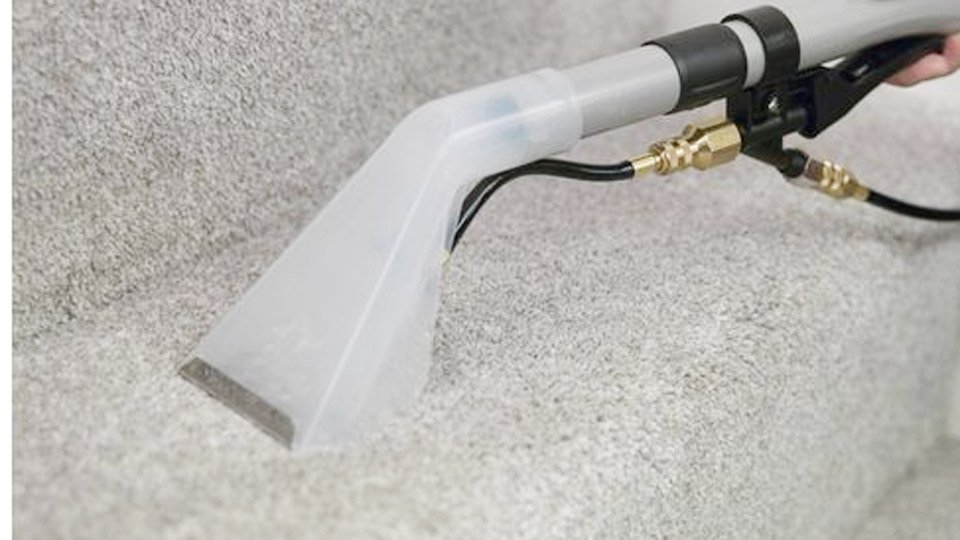
Professional carpet cleaning is more than just running a vacuum over your floors—it’s a thorough process using specialized equipment and solutions to lift out deep-seated dirt that everyday cleaning misses. Think of it as a spa day for your rugs, where trained folks like me assess the fabric, apply targeted treatments, and extract the gunk without damaging the fibers.
Why do you need it? Well, from my experience, regular vacuuming handles surface stuff, but over time, pollutants build up. In homes with pets, kids, or high traffic—like that hallway leading to the kitchen—carpets can become breeding grounds for dust mites and mold. I’ve seen families breathe easier after a pro clean, especially during allergy season. It’s needed every 12-18 months for most households, or sooner if you notice odors, stains, or visible wear.
The step-by-step process starts with a pre-inspection: We check for stains, fiber type (like wool vs. synthetic), and any weak spots. Then, we vacuum thoroughly to remove loose debris. Next comes pre-treatment—spraying a solution to loosen dirt. The main cleaning follows, using methods I’ll cover later. Finally, extraction pulls out the dirty water, and we might apply a protector to repel future stains.
Common mistakes? Skipping the pre-vacuum, which leaves dirt behind, or using too much water, leading to mold. Avoid that by hiring someone certified—I’ve fixed botched jobs where homeowners tried DIY machines that soaked everything.
Pro tip from my jobs: Always move furniture out if possible; it saves time and ensures even cleaning. And for shortcuts, spot-treat small stains immediately with a mix of vinegar and water to prevent them from setting.
Factors Influencing the Cost of Professional Carpet Cleaning
The price tag on professional carpet cleaning isn’t one-size-fits-all—it swings based on several real-world factors I’ve dealt with on countless jobs. Understanding these helps you budget smarter and avoid surprises.
First off, the size of the area plays a huge role. Most companies charge by the square foot or per room, so a cozy apartment bedroom might run cheaper than a sprawling family room. In my experience, larger homes mean bulk discounts, but tight spaces with lots of nooks can add up.
The condition of your carpet is another biggie. Lightly soiled floors are straightforward, but heavy stains from red wine spills or pet urine require extra treatments, bumping costs. I’ve had jobs where a simple clean turned into a deep extraction because of embedded grime—always disclose messes upfront for accurate quotes.
Carpet type matters too. Delicate materials like wool or berber need gentler methods, which can cost more than tough nylon. Location affects pricing as well; urban areas like New York or LA often charge higher due to overhead, while rural spots might be more affordable.
Additional services tack on fees—think furniture moving, deodorizing, or scotchguard protection. Stairs are notorious for extra charges because they’re labor-intensive.
From what I’ve seen, these factors can make costs vary widely, but knowing them lets you shop around effectively.
Average Costs for Professional Carpet Cleaning Across the USA
So, let’s get to the numbers: How much does a professional carpet cleaner actually cost? Based on my hands-on work and what I’ve seen in the industry, national averages hover around $150 to $270 for a standard whole-house clean, with most folks paying about $200. But it breaks down further depending on your setup.
For a single room, expect $25 to $70. That’s great for spot jobs, like freshening up a home office. For three rooms plus a hallway, you’re looking at $100 to $300, and adding stairs might push it to $400 or more in some cases.
Per square foot, it’s typically $0.25 to $0.50. So for a 1,000-square-foot home, calculate around $250 to $500. Commercial spaces dip lower, maybe $0.10 to $0.30 per foot for big areas like offices.
Regional differences? In the Midwest, costs are on the lower end—I’ve quoted jobs in Chicago for under $200. Out West or on the East Coast, add 20-30% for higher living expenses. Always get multiple quotes; I’ve saved clients money by pointing out overcharges.
Here’s a quick comparison table to visualize:
| Service Type | Average Cost | Notes from Experience |
|---|---|---|
| Single Room | $25-$70 | Ideal for quick refreshes; includes basic steam clean. |
| Whole House (3-4 rooms) | $123-$241 | Covers average US home; add $50 for heavy stains. |
| Per Square Foot | $0.25-$0.50 | Best for custom quotes; wool carpets may cost more. |
| Stairs (per flight) | $20-$50 | Labor-heavy; protect with runners to extend time between cleans. |
| Additional Treatments (e.g., pet odor removal) | $50-$100 | Worth it for families with animals—I’ve seen it transform spaces. |
These figures help you plan, but remember, quality matters over rock-bottom prices.
Different Methods of Professional Carpet Cleaning
Over the years, I’ve used various techniques, each with its strengths. Choosing the right one depends on your carpet’s needs and lifestyle.
Hot water extraction, often called steam cleaning, is my go-to for deep cleans. It involves injecting hot water and solution into the fibers, then extracting it with powerful suction. Why? It pulls out allergens and bacteria effectively. Needed for high-traffic homes or after spills.
Step-by-step: Pre-vacuum, apply pre-spray, agitate with a brush, extract with wand, and dry with fans.
Mistakes: Over-wetting leads to mildew—always ensure pros use low-moisture tech. Pro tip: Open windows for ventilation; I’ve avoided musty smells this way.
Dry cleaning uses absorbent compounds spread over the carpet, worked in, then vacuumed up. Pros: Quick drying, no water mess. Cons: Surface-level only, not great for deep dirt.
Encapsulation is similar—crystallizing dirt for easy removal. Great for maintenance cleans in offices.
Shampooing foams up the carpet, but leaves residue if not rinsed well—I’ve phased it out for better options.
Bonnet cleaning buffs the surface with a pad—fast for commercial, but not thorough.
Here’s a pros/cons table:
| Method | Pros | Cons |
|---|---|---|
| Hot Water Extraction | Deep clean, removes allergens | Longer dry time (4-24 hours) |
| Dry Cleaning | Quick dry, convenient | Surface only, chemicals may linger |
| Encapsulation | Low moisture, eco-friendly options | Not for heavy soiling |
| Shampooing | Good for oily dirt | Residue buildup, needs rinsing |
| Bonnet Cleaning | Fast for large areas | Doesn’t reach deep fibers |
From experience, steam wins for homes, but dry suits rentals with tight schedules.
When Should You Hire a Professional Carpet Cleaner?
Timing is everything—don’t wait until your carpet looks like a battlefield. Hire pros when you spot persistent odors, visible stains that won’t budge, or if it’s been over a year since the last clean.
Why? Regular pros extend carpet life by 5-10 years, per my observations. For families with allergies, it’s a health must; I’ve helped clients reduce sneezing fits dramatically.
Signs it’s time: Dull appearance, crunchy feel underfoot, or allergy flare-ups. In humid areas like the South, mold risk amps up the urgency.
Anecdote: Once, I cleaned a client’s carpet after their dog had accidents everywhere—the transformation was night and day, and they wished they’d called sooner.
Pro tip: Schedule in off-seasons like fall for better rates and availability.
DIY Carpet Cleaning Alternatives: Pros, Cons, and Costs
Sometimes, you want to tackle it yourself—I’ve done plenty of DIY in my early days. It’s cheaper upfront, but know the limits.
Pros: Cost savings (rentals $30-50/day), control over products. Cons: Less powerful equipment, risk of damage.
Step-by-step for basic DIY steam: Rent a machine, vacuum first, mix solution (like 1:1 vinegar-water for eco), pre-treat stains, clean in sections, extract excess water, air dry.
Common mistakes: Using too much soap, leaving residue—rinse twice. Avoid on delicate fibers.
Costs: $20-100 for supplies/rental vs. pro’s $200. Eco options: Baking soda for deodorizing—sprinkle, wait, vacuum.
Quick fix: For coffee spills, blot with club soda—works wonders without chemicals.
Safety: Wear gloves, ventilate, keep kids/pets away.
Eco-Friendly and Safe Carpet Cleaning Options
Going green? I’ve shifted to eco methods on jobs, and they’re effective without harsh fumes.
What are they? Plant-based solutions, low-water tech like encapsulation with biodegradable polymers.
Why needed? Reduces chemical exposure—great for families. In US homes, where indoor air quality is key, it’s a smart choice.
Step-by-step: Choose certified green pros, pre-treat with vinegar, use hot water extraction with eco detergents, dry naturally.
Mistakes: Assuming all “green” labels are legit—check certifications.
Pro tips: DIY with hydrogen peroxide for stains (test first). Safety: Always glove up, open windows—I’ve prevented headaches this way.
Tips for Choosing the Right Carpet Cleaning Service
Picking a service? Look for IICRC certification—I’ve seen uncertified folks ruin carpets.
Ask about methods, guarantees, and reviews. Get in-home quotes to avoid surprises.
From experience: Avoid bait-and-switch pricing; reputable ones are transparent.
Red flags: Super low bids or pushy upsells.
Maintaining Your Carpets Between Cleanings
To stretch time between pros, vacuum twice weekly—focus on high-traffic zones.
Use doormats, remove shoes—simple habits that cut dirt by half, in my book.
Spot clean promptly: Dab, don’t rub.
Pro tip: Rotate furniture to even wear.
Anecdote: A client with kids implemented no-shoes rule post-clean; their carpet stayed fresh longer.
Conclusion
Wrapping this up, we’ve covered everything from how much a professional carpet cleaner costs—averaging $150-270 nationwide—to methods, DIY hacks, and maintenance. Now, you can clean smarter: Weigh costs against benefits, opt for pros when needed, and maintain daily to save bucks. Final pro tip: Invest in a good vacuum—it’s your first line of defense and makes pros’ jobs easier. Your home will thank you with fresher air and longer-lasting floors.
FAQ
How often should I get my carpets professionally cleaned?
Aim for every 12-18 months, but bump it to 6-12 if you have pets or allergies. I’ve found this keeps things hygienic without overdoing it.
What’s the difference between steam cleaning and dry cleaning for carpets?
Steam uses hot water for deep extraction, great for allergens but slower to dry. Dry is quicker with compounds, but surface-level—pick based on your needs.
Can professional carpet cleaning remove pet odors?
Yes, with targeted treatments like enzyme cleaners. In my experience, it eliminates smells completely if caught early.
Is it cheaper to clean carpets myself or hire a pro?
DIY saves short-term ($50 vs. $200), but pros deliver better results and prevent damage—worth it for longevity.
What should I do to prepare for a professional carpet cleaning?
Clear small items, vacuum lightly, and point out stains. This speeds things up and ensures a thorough job.