I found myself hauling my old vacuum up the stairs, only to realize halfway through that it just wasn’t cutting it on the carpets—let alone the hardwood floors downstairs. If you’ve ever battled with a vacuum that seems to only “sort of” work depending on the room, you know how frustrating it can be.
That’s when I started asking myself: What Is the Best Multi-Floor Vacuum Cleaner? Having one reliable vacuum that transitions smoothly from carpet to tile to hardwood isn’t just about convenience—it saves time, keeps dust and allergens under control, and makes cleaning feel less like a workout. I’ve tested a few (and learned from some mistakes), so let me share what I’ve discovered about finding the perfect all-in-one solution.
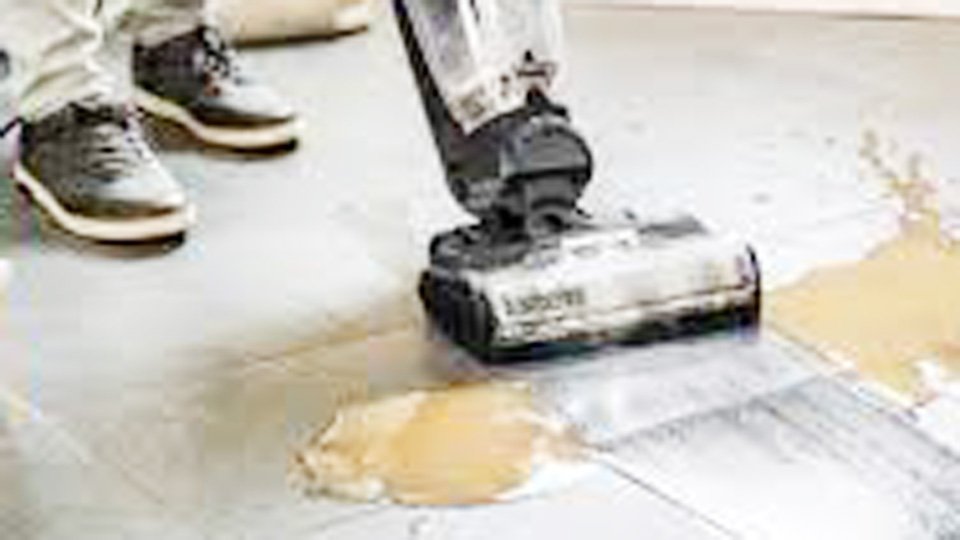
Image by bissell
Why a Multi-Floor Vacuum Cleaner Matters
A multi-floor vacuum cleaner is a game-changer for keeping your home clean, healthy, and stress-free. In the U.S., most homes have a mix of flooring—carpeted bedrooms, hardwood living areas, and tile or vinyl kitchens. A vacuum that can’t transition between these surfaces is a headache waiting to happen. Poor cleaning can leave dirt, allergens, and pet dander behind, which isn’t just unsightly—it can aggravate allergies or asthma.
I’ve seen firsthand how a good vacuum cuts cleaning time in half, saves your back from lugging multiple tools, and even reduces the need for expensive professional cleanings. Plus, with the right machine, you’re not just cleaning—you’re protecting your family’s health and your home’s longevity.
Understanding Multi-Floor Vacuum Cleaners
What Is a Multi-Floor Vacuum Cleaner?
A multi-floor vacuum cleaner is designed to tackle different surfaces—carpets, rugs, hardwood, tile, and vinyl—without needing to switch tools or settings constantly. Unlike single-surface vacuums, these models often have adjustable brush rolls, variable suction settings, or dual-brush systems to handle everything from plush carpets to delicate hardwood. Some even come with wet/dry capabilities for spills. They come in various types: upright, canister, stick, or robot, each with strengths suited to different homes.
Why and When You Need One
You need a multi-floor vacuum if your home has more than one type of flooring or if you deal with varied messes like pet hair, dust, or food crumbs. I remember cleaning a client’s split-level home with carpeted stairs, hardwood floors, and a tiled kitchen. A single-surface vacuum would’ve been useless. These vacuums are also ideal for busy families, renters with small spaces, or anyone who wants one tool to do it all. They’re especially handy for high-traffic areas where dirt tracks in daily.
How to Choose the Best Multi-Floor Vacuum Cleaner
Step-by-Step Process:
- Assess Your Flooring: Walk through your home and note the surfaces—carpet, hardwood, tile, or rugs. Check pile height (low, medium, high) for carpets and whether your hard floors are sealed or delicate.
- Consider Household Needs: Do you have pets? Kids? Allergies? Pet hair and allergens require strong suction and HEPA filters, while kid messes need versatile attachments.
- Pick a Vacuum Type:
- Upright: Great for large carpeted areas but heavier. Best for bigger homes.
- Canister: Lightweight wand for hard floors and stairs, ideal for multi-level homes.
- Stick: Lightweight and cordless, perfect for small spaces or quick cleanups.
- Robot: Hands-free for daily maintenance but less powerful for deep cleans.
- Check Key Features: Look for adjustable suction, brush roll on/off switches, HEPA filters, and attachments like crevice tools or upholstery brushes.
- Test Maneuverability: If possible, try it in-store or read reviews about weight and ease of use, especially for stairs.
- Set a Budget: Prices range from $100 for budget models to $600+ for high-end ones. Balance cost with durability and features.
Common Mistakes to Avoid:
- Ignoring Weight: A heavy upright vacuum feels like pushing a boulder up stairs. I learned this the hard way cleaning a three-story townhouse.
- Skipping Attachments: Without a crevice tool or upholstery brush, you’re stuck with floor-only cleaning.
- Overlooking Maintenance: Bagless vacuums need regular filter cleaning, or suction drops. I’ve seen clients ruin vacuums by neglecting this.
Pro Tips:
- Test suction settings on a small rug first to avoid damage.
- For pet owners, look for anti-tangle brush rolls to save time.
- Cordless stick vacuums are great for quick cleanups but check battery life (20–60 minutes).
Multi-Floor Vacuum Types
| Type | Pros | Cons | Best For |
|---|---|---|---|
| Upright | Powerful, large dustbin, great for carpets | Heavy, less versatile for stairs | Large homes, heavy carpet |
| Canister | Lightweight wand, great for hard floors | Bulky base, less effective on carpets | Multi-level homes, hard floors |
| Stick | Lightweight, cordless, easy to store | Limited battery, smaller dustbin | Small homes, quick cleanups |
| Robot | Hands-free, daily maintenance | Less powerful, needs manual mapping | Busy households, tech-savvy users |
Best Multi-Floor Vacuum Cleaners for 2025
After testing dozens of vacuums in homes and on the job, here are my top picks for multi-floor cleaning, based on real-world performance.
Shark Stratos Upright Vacuum
What It Is: A powerful upright vacuum with dual brush rolls and CleanSense IQ technology that adjusts suction automatically.
Why It’s Great: This vacuum shines on carpets and hard floors. I used it in a client’s home with shaggy rugs and hardwood, and it picked up pet hair and cereal in one pass. The HEPA filter traps allergens, a must for my allergy-prone clients.
Step-by-Step Use:
- Adjust the height setting for your floor type (bare floor to high-pile carpet).
- Use the Lift-Away feature to detach the canister for stairs or furniture.
- Attach the crevice tool for corners or the pet tool for upholstery.
- Empty the dustbin after each use to maintain suction.
Mistakes to Avoid:
- Don’t use max suction on delicate rugs—it can pull threads.
- Clean the brush roll regularly to prevent hair tangles.
Pro Tip: The Powered Lift-Away mode is a lifesaver for cleaning under furniture without moving heavy pieces.
Dyson Gen5detect Cordless Stick Vacuum
What It Is: A lightweight, cordless stick vacuum with a Fluffy Optic head that highlights dust on hard floors.
Why It’s Great: I love this for quick cleanups in my apartment. The 70-minute battery life handled my hardwood and low-pile rugs without recharging. It’s pricier but worth it for small spaces or frequent messes.
Step-by-Step Use:
- Charge fully before use (takes about 4 hours).
- Select the appropriate cleaning mode (Eco, Auto, or Boost).
- Use the Fluffy Optic head for hard floors and the motorized head for carpets.
- Empty the dustbin hygienically with the lever system.
Mistakes to Avoid:
- Don’t overfill the dustbin—it clogs and reduces suction.
- Avoid using Boost mode for entire cleanings; it drains the battery fast.
Pro Tip: The built-in light reveals hidden dust, making it easier to spot missed areas on hardwood.
Miele Classic C1 Pure Suction Canister Vacuum
What It Is: A canister vacuum with a powerful 1200W motor and a large 4.5-liter bag, ideal for hard floors.
Why It’s Great: I used this in a client’s large home with mostly tile and hardwood. The suction is unmatched, and the bagged design keeps dust contained, perfect for allergy sufferers.
Step-by-Step Use:
- Choose the floorhead (Parquet Twister for hard floors, Turbo Brush for rugs).
- Adjust suction with the foot switch for delicate surfaces.
- Use the wand for stairs or high shelves.
- Replace the bag when full to maintain performance.
Mistakes to Avoid:
- Don’t use the Turbo Brush on delicate hardwood—it can scratch.
- Check the bag regularly; a full bag kills suction.
Pro Tip: The long cord (over 20 feet) means fewer outlet changes in big homes.
Ecovacs Deebot X8 Pro Omni Robot Vacuum
What It Is: A robot vacuum with multi-floor mapping and mopping capabilities.
Why It’s Great: For busy families, this is a lifesaver. I set it up for a client with a multi-level home, and it mapped each floor perfectly. It’s not a deep-cleaner but handles daily dust and pet hair.
Step-by-Step Use:
- Map each floor using the app (carry the robot and dock to each level).
- Set no-go zones to avoid stairs or cluttered areas.
- Schedule daily cleanings for each floor.
- Clean the sensors and empty the dock regularly.
Mistakes to Avoid:
- Don’t let clutter block its path—it’ll get stuck.
- Clean sensors often; dust buildup can cause navigation issues.
Pro Tip: Assign a robot to each floor for hands-free cleaning if budget allows.
Eco-Friendly and DIY Alternatives
Why Go Eco-Friendly?
Chemical-heavy cleaning solutions and disposable vacuum bags can harm the environment and your wallet. I’ve switched to eco-friendly options in my own home to reduce waste and save money. Plus, they’re safer for kids and pets.
DIY Cleaning Solutions for Vacuums
Vacuum Maintenance Solution:
- What: Mix 1 cup white vinegar with 2 cups warm water to clean filters.
- Why: Removes dust buildup without harsh chemicals.
- How: Soak washable filters for 10 minutes, rinse, and air-dry completely.
Carpet Freshener:
- What: Combine 1 cup baking soda with 10 drops of essential oil (like lavender).
- Why: Deodorizes carpets naturally before vacuuming.
- How: Sprinkle on carpet, wait 15 minutes, then vacuum.
Mistakes to Avoid:
- Don’t use wet filters in the vacuum—it’ll damage the motor.
- Avoid essential oils on hardwood; they can leave residue.
Pro Tip: Vacuum baking soda slowly to maximize odor absorption.
Eco-Friendly Vacuum Features
Look for vacuums with washable filters, reusable bags, or energy-efficient modes. The Dyson Gen5detect has a washable filter, and the Miele Classic C1 uses recyclable bags. These reduce waste and maintenance costs.
Safety Precautions and Maintenance Tips
Safety First
Cleaning isn’t just about sparkling floors—it’s about keeping your home safe. I once spilled water while cleaning a client’s vacuum filter, nearly shorting the motor. Here’s how to stay safe:
- Ventilation: Open windows when using cleaning solutions like vinegar to avoid fumes.
- Gloves: Wear rubber gloves to protect your hands from dust or chemicals.
- Child Safety: Store vacuums and attachments out of reach. The Ecovacs Deebot has a child-safety lock, which I love for homes with toddlers.
- Unplug Corded Vacuums: Always unplug before cleaning or changing attachments to avoid shocks.
Maintenance Tips
- Empty Dustbins/Bags: Do this after every use for bagless models or when bags are ¾ full.
- Clean Filters: Wash or replace every 6–12 months, depending on use.
- Check Brush Rolls: Remove hair and debris weekly to maintain suction.
- Inspect Cords: Look for fraying on corded models to prevent electrical hazards.
Pro Tip: Set a calendar reminder for filter cleaning—it’s easy to forget but critical for performance.
Real-World Cleaning Scenarios
Scenario 1: Pet Hair Everywhere
The Problem: My golden retriever sheds like it’s his job. Carpets, rugs, and hardwood are coated in fur daily.
Solution:
- Use the Shark Stratos with its anti-tangle brush roll.
- Vacuum high-traffic areas daily in short bursts.
- Use the pet tool for furniture and stairs.
Pro Tip: Vacuum in multiple directions to lift stubborn pet hair from carpets.
Scenario 2: Kid’s Snack Mess
The Problem: Goldfish crumbs and juice spills on tile and carpet after snack time.
Solution:
- Use the Dyson Gen5detect for quick cleanups on tile.
- Switch to the motorized head for carpet spills.
- For wet messes, consider a wet/dry vacuum like the Bissell CrossWave.
Pro Tip: Keep a handheld vacuum like the Shark WandVac nearby for instant crumb cleanup.
Scenario 3: Multi-Level Home
The Problem: A three-story home with carpeted stairs, hardwood living areas, and tiled bathrooms.
Solution:
- Use the Miele Classic C1 for its lightweight wand and strong suction.
- Carry the canister upstairs for easy stair cleaning.
- Use the Ecovacs Deebot for daily maintenance on each floor.
Pro Tip: Store attachments in a small caddy for quick access when moving between floors.
Conclusion
Finding the best multi-floor vacuum cleaner is about matching the tool to your home’s needs—whether it’s tackling pet hair, kid messes, or multi-level chaos. From the powerful Shark Stratos to the nimble Dyson Gen5detect, there’s a vacuum for every household. By choosing the right type, maintaining it properly, and using eco-friendly solutions, you can clean faster, smarter, and safer.
FAQ
What’s the best vacuum for a home with both carpets and hardwood floors?
The Shark Stratos Upright Vacuum is a top pick. Its dual brush rolls handle carpets and hard floors effortlessly, and the CleanSense IQ adjusts suction automatically for optimal cleaning.
Can a robot vacuum work on multiple floors?
Yes, models like the Ecovacs Deebot X8 Pro Omni support multi-floor mapping. You’ll need to carry the robot and dock to each floor for initial mapping, but it can then clean independently.
How often should I clean my vacuum’s filters?
Washable filters should be cleaned every 3–6 months, depending on use. Replace non-washable filters every 6–12 months to maintain suction and air quality.
Are cordless vacuums as powerful as corded ones?
Cordless vacuums like the Dyson Gen5detect are powerful for quick cleanups but may lack the sustained suction of corded models like the Miele Classic C1 for deep cleaning large areas.
How do I prevent my vacuum from scratching hardwood floors?
Use a vacuum with a soft brush roll or a brush roll on/off switch, like the Miele Classic C1. Always test on a small area first and avoid high suction on delicate surfaces.