I walked into my kitchen and noticed the tiles had lost their shine — dull patches here, a little grime in the grout there. It’s funny how you don’t notice it right away, but once you do, it’s all you can see. That’s when I started wondering: What is the Best Thing for Cleaning Tiles? Because let’s be real, tiles aren’t just about looks — keeping them clean means fewer germs in the kitchen, less slippery bathroom floors, and a home that actually feels fresh. I’ve tried a few methods over the years (some great, some total fails), and today I want to share what really works.
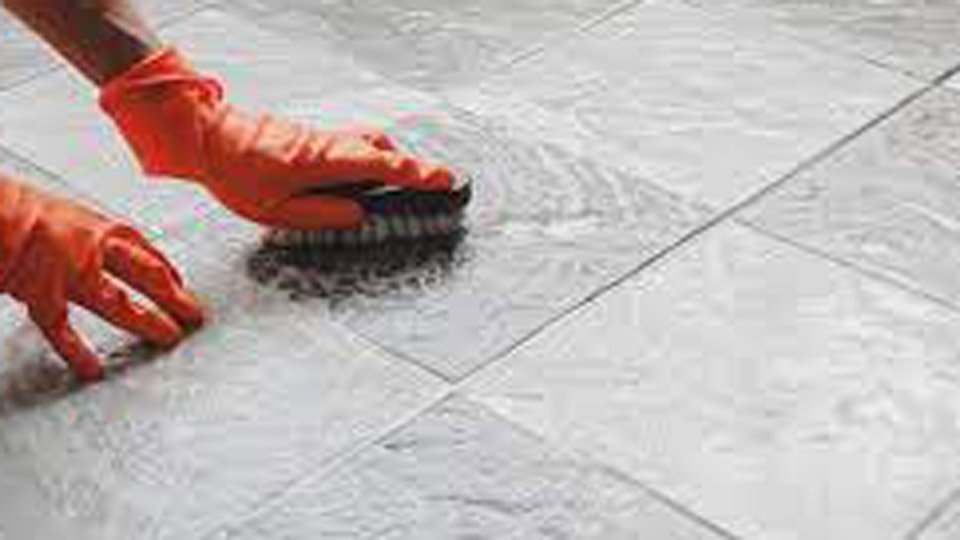
Image by greenstonetiling
Why Tile Cleaning Matters
Tiles are tough, but they’re not invincible. Dirt, grime, and stains can build up over time, making even the prettiest tiles look dull. I’ve seen how a hazy film or dirty grout can ruin the vibe of a room. Regular cleaning keeps your tiles looking fresh and extends their lifespan.
Plus, clean tiles make your home feel welcoming and hygienic. Nobody wants to walk on sticky or stained floors, right? By using the right products and techniques, you can avoid damage to your tiles and grout while keeping them in top shape.
Best Cleaning Solutions for Tiles
I’ve tried a bunch of cleaning solutions over the years, and not all are created equal. Some are gentle yet effective, while others are too harsh and can damage your tiles. Here’s a rundown of the best options I’ve found for cleaning tiles.
Mild Dish Soap and Water
This is my go-to for everyday cleaning. A few drops of mild dish soap mixed with warm water works wonders on ceramic and porcelain tiles. It’s simple, affordable, and safe. I usually fill a bucket with warm water, add a squirt of dish soap, and mop away.
The key is to avoid using too much soap—too many bubbles can leave a filmy residue. After mopping, I rinse with clean water and dry with a microfiber cloth to prevent water spots. This method keeps my tiles shiny without any fuss.
Vinegar and Water Solution
Vinegar is a natural cleaner I swear by for tackling light stains or mineral deposits. I mix equal parts of white vinegar and water in a spray bottle, spritz it on the tiles, and wipe with a soft cloth. It’s great for bathroom tiles where soap scum builds up.
But here’s a tip: don’t use vinegar on natural stone tiles like marble or limestone. The acid can etch the surface and ruin the finish. I learned this the hard way when I tried it on my marble bathroom floor—oops!
Baking Soda Paste
For stubborn stains, baking soda is my secret weapon. I make a paste with baking soda and water, apply it to the stain, and let it sit for 15-20 minutes. Then, I gently scrub with a soft brush and rinse. It’s gentle enough not to scratch tiles but tough on stains like coffee or grease. I used this on a red wine spill in my kitchen, and it worked like magic. Just make sure to rinse thoroughly to avoid any gritty residue.
Hydrogen Peroxide
When mold or mildew creeps into my bathroom tiles, hydrogen peroxide saves the day. I apply it directly to the stained area, let it sit for 10 minutes, and scrub with a brush. It’s a mild bleaching agent, so it’s great for whitening grout too. I always rinse well and dry afterward. This method is perfect for those humid bathroom corners where mold loves to hide.
Commercial Tile Cleaners
Sometimes, I want a product designed specifically for tiles. I’ve tried a few, and pH-neutral cleaners are my favorite because they’re safe for most tile types. Brands like Bona Hard-Surface Floor Cleaner and Aunt Fannie’s Vinegar Floor Cleaner are fantastic.
They cut through grime without damaging the tile or grout. I follow the instructions on the bottle, usually diluting the cleaner in water, and mop as usual. These are a bit pricier, but they’re worth it for a deep clean.
Best Tools for Tile Cleaning
The right tools make all the difference. I’ve burned through a few mops and brushes to find what works best. Here’s what I recommend for cleaning tiles.
Microfiber Mop
A microfiber mop is a game-changer. Unlike sponge mops, which can push dirty water into grout lines, microfiber mops are gentle and effective. I use one with a detachable head that I can toss in the washing machine. It picks up dirt like a magnet and leaves my tiles streak-free.
Soft Scrub Brush
For grout or tough stains, a soft-bristled scrub brush is my best friend. I use an old toothbrush for small areas or a larger brush for bigger jobs. It’s perfect for getting into those grout lines without scratching the tiles. Just don’t scrub too hard—you don’t want to damage the grout.
Spray Bottle
A spray bottle is handy for applying vinegar or commercial cleaners. I love being able to target specific spots without soaking the whole floor. It’s also great for quick touch-ups between deep cleans.
Microfiber Cloths
I always keep a stack of microfiber cloths on hand. They’re perfect for drying tiles after cleaning to avoid water spots. I also use them for buffing to get that extra shine. They’re reusable, eco-friendly, and super absorbent.
Cleaning Different Types of Tiles
Not all tiles are the same, and I’ve learned that each type needs a specific approach. Here’s how I clean different tiles in my home.
Ceramic and Porcelain Tiles
These are the easiest to clean. They’re durable and resist stains, so my dish soap and water mix usually does the trick. For deeper cleans, I use a pH-neutral cleaner or vinegar solution. I sweep or vacuum first to remove loose dirt, then mop and dry. These tiles are forgiving, but I still avoid abrasive cleaners to keep the glaze intact.
Natural Stone Tiles
Natural stone tiles like marble, slate, or limestone are trickier. They’re porous and sensitive to acidic cleaners like vinegar. I made the mistake of using vinegar on my marble tiles once, and it left dull spots. Now, I stick to pH-neutral cleaners designed for stone, like Black Diamond Stoneworks Marble & Tile Floor Cleaner. I also dry these tiles immediately to prevent water marks.
Vinyl or Linoleum Tiles
Vinyl and linoleum tiles are super low-maintenance. I clean them with a vinegar and water solution or a mild dish soap mix. They don’t need special products, but I avoid harsh chemicals that could strip their finish. A quick mop and dry keeps them looking great.
How to Clean Grout Like a Pro
Grout is the unsung hero of tiled floors, but it’s also a dirt magnet. I’ve spent hours scrubbing grout, and here’s what works best.
Why Grout Gets Dirty
Grout is porous, so it soaks up dirt, grease, and stains. In my kitchen, spills from cooking or muddy footprints always seem to find the grout lines. Regular cleaning prevents buildup, but when grout gets dingy, it needs extra attention.
Best Grout Cleaning Methods
For light grout stains, I use a mix of baking soda and water to make a paste. I apply it with a toothbrush, scrub gently, and rinse. For tougher stains, hydrogen peroxide or a commercial grout cleaner like Black Diamond Stoneworks Ultimate Grout Cleaner does the job. I apply the cleaner, let it sit for a few minutes, scrub, and rinse. Sealing the grout afterward helps keep it clean longer—I try to reseal mine every year.
Comparison of Tile Cleaning Solutions
Here’s a quick table to compare the cleaning solutions I’ve mentioned. It’ll help you pick the best one for your needs.
| Cleaning Solution | Best For | Pros | Cons |
|---|---|---|---|
| Dish Soap and Water | Daily cleaning, ceramic/porcelain | Affordable, safe, easy to use | May leave residue if overused |
| Vinegar and Water | Light stains, mineral deposits | Natural, effective, cheap | Not safe for natural stone |
| Baking Soda Paste | Stubborn stains | Gentle, effective, affordable | Requires rinsing, can be messy |
| Hydrogen Peroxide | Mold, mildew, grout whitening | Strong stain remover, affordable | Needs careful application |
| Commercial Tile Cleaners | Deep cleaning, all tile types | Specialized, effective, safe | More expensive than DIY options |
Daily and Weekly Tile Cleaning Routine
Keeping tiles clean doesn’t have to take over your life. I’ve got a simple routine that keeps my floors looking great without much effort.
Daily Maintenance
Every day, I sweep or vacuum to remove loose dirt and dust. This prevents scratches and keeps grit from settling into grout lines. For high-traffic areas like my kitchen, a quick sweep takes just a few minutes.
Weekly Deep Cleaning
Once a week, I mop with my dish soap and water mix or a pH-neutral cleaner. I focus on areas with heavy use, like the bathroom or entryway. I always dry the floor with a microfiber cloth to avoid water spots. If I notice any stains, I spot-treat them with baking soda or hydrogen peroxide.
Mistakes to Avoid When Cleaning Tiles
I’ve made plenty of mistakes cleaning tiles, so let me save you some trouble. Here are things to avoid.
Using Acidic Cleaners on Stone Tiles
As I mentioned, vinegar or lemon juice can damage natural stone tiles. Stick to pH-neutral cleaners for marble, slate, or limestone.
Overusing Soap
Too much dish soap leaves a filmy residue that attracts dirt. I learned to use just a few drops to keep my tiles clean and shiny.
Letting Tiles Air Dry
Air-drying can lead to water spots, especially on glazed or stone tiles. I always dry with a cloth or mop for a streak-free finish.
Ignoring Grout
Dirty grout makes clean tiles look bad. I used to skip grout cleaning, but now I make it part of my routine to keep everything looking fresh.
Conclusion
Cleaning tiles doesn’t have to be a headache, and now you know the best ways to keep them sparkling! From my trusty dish soap and water mix to powerful hydrogen peroxide for grout, I’ve shared the tips and tricks that have worked for me. Whether you’ve got ceramic, porcelain, or natural stone tiles, there’s a solution that fits. Stick to a simple daily sweep and weekly mop, and tackle stains with baking soda or a good commercial cleaner.
Avoid my mistakes—like using vinegar on marble—and your tiles will stay gorgeous for years. Grab your microfiber mop, pick a cleaner from the table, and give your floors some love. You’ll be amazed at how a clean tile floor can transform your space. Happy cleaning, and here’s to floors that shine like new!
FAQs About Tile Cleaning
What is the best cleaner for ceramic tiles?
A mild dish soap and water mix is the best for ceramic tiles. It’s gentle, effective, and won’t damage the glaze. For deeper cleans, a pH-neutral cleaner works great.
Can I use vinegar on all types of tiles?
No, avoid vinegar on natural stone tiles like marble or limestone. It’s safe for ceramic and porcelain but always rinse thoroughly to prevent residue.
How often should I clean my tile floors?
Sweep or vacuum daily to remove dirt. Mop weekly with a mild cleaner for high-traffic areas. Less-used rooms can be mopped every few weeks.
What’s the best way to clean grout?
Use a baking soda paste or hydrogen peroxide for stains. Scrub with a soft brush and rinse well. A commercial grout cleaner is great for tough stains.
Can I use bleach on tiles?
Bleach is okay for ceramic or porcelain tiles and grout, but use it sparingly and dilute it. Avoid bleach on natural stone—it can cause damage.
How do I prevent water spots on tiles?
Dry your tiles with a microfiber cloth after mopping. This prevents water from sitting on the surface and leaving spots.