After cooking a big family dinner, I stood in my messy kitchen wondering where to even begin. Dishes piled up, crumbs scattered across the counters, and splatters clinging to the stove—it felt overwhelming. I realized that cleaning in the right order makes everything so much easier, and one question that kept coming up was: which part of the kitchen should be cleaned last? It might sound like a small detail, but the order truly matters.
It saves time, prevents germs from spreading, and leaves the kitchen feeling fresh instead of half-done. I’ve learned this the hard way, and now I stick to a system that actually works.
Image by bondcleaningingoldcoast
Why the Right Cleaning Order Makes All the Difference
Kitchens are the heart of the home, but they’re also germ central. From my experience, tackling them in the wrong sequence means you’re basically cleaning twice. The golden rule? Start high and work low. Gravity pulls dust, crumbs, and spills downward, so you don’t want to mop the floor first only to have it messed up by cleaning the counters later.
This approach isn’t just logical; it’s backed by years of trial and error in real homes. I once helped a family in Chicago whose kitchen was a post-party disaster – starting with the floors would have been a nightmare with all the cabinet grime falling down. Instead, we prioritized the top-down method, and it wrapped up in under two hours.
Health and Hygiene Benefits of a Proper Clean
A well-cleaned kitchen reduces cross-contamination, which is huge for food safety. Think about it: raw chicken juices on the counter can spread if not handled right. Cleaning in order ensures high-touch areas like handles and faucets get sanitized without reintroducing dirt.
In my own kitchen, with two dogs and a toddler niece visiting often, I prioritize this to avoid allergy flare-ups or tummy bugs. It’s not overkill – the CDC recommends regular disinfection to cut down on foodborne illnesses, which affect millions of Americans yearly.
Time and Cost Savings from Efficient Cleaning
Who has hours to spare? Not me, and probably not you. By cleaning strategically, you use fewer supplies – less spray means less waste. I’ve switched clients from buying pricey single-use wipes to reusable microfiber cloths, saving them bucks over time.
Pro tip: Set a timer for each section. It keeps you motivated and prevents burnout. In a standard US apartment kitchen, this method can shave 30 minutes off your routine.
Preparing Your Kitchen for a Thorough Clean
Before diving in, clear the decks. This step is crucial – it’s like prepping a canvas before painting. Remove dishes, appliances, and clutter from counters. I always start by loading the dishwasher or soaking pots in the sink.
Why? Clutter hides dirt and makes wiping impossible. In rental homes I’ve cleaned, skipping this led to missed spots under toasters or blenders, breeding mold.
Gathering Your Cleaning Arsenal
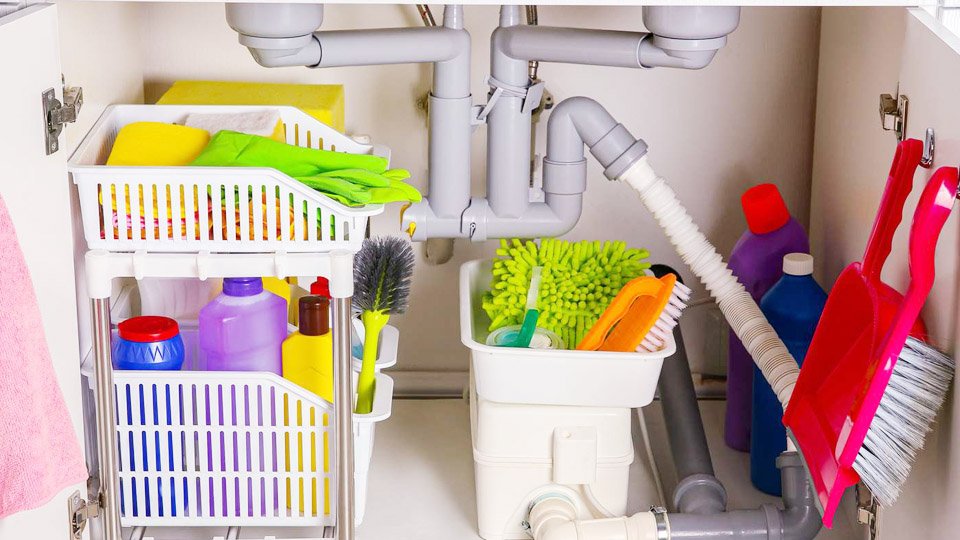
Stock up on basics: all-purpose cleaner, baking soda, vinegar, sponges, gloves, and a vacuum. I prefer eco-friendly options like Mrs. Meyer’s sprays – they’re tough on grime but gentle on the planet.
DIY alternative: Mix equal parts vinegar and water for a streak-free shine. Safety first – wear gloves to protect your skin, and open windows for ventilation, especially with stronger chemicals.
Common mistake: Using abrasive scrubbers on delicate surfaces. Avoid steel wool on stainless steel; opt for soft brushes instead.
Setting Up for Safety and Efficiency
Tie back long hair, roll up sleeves, and keep kids and pets out. I’ve had close calls with slippery floors – non-slip shoes are a lifesaver.
During a job in a Texas suburb, a client slipped on soapy water. Now, I always lay down old towels to catch drips.
Cleaning the Upper Areas First: Cabinets and Shelves
High-up spots collect dust and grease that rain down if cleaned later. Start here to keep lower areas pristine.
What are we dealing with? Overhead cabinets, open shelves, and even the tops of fridges in typical US kitchens with standard layouts.
Why needed? Dust mixes with cooking oils, creating sticky residue that attracts pests. Clean monthly or after heavy cooking sessions like Thanksgiving.
Step-by-Step Guide to Cabinet Cleaning
First, dust with a microfiber cloth or vacuum attachment – dry to avoid streaks.
Mix warm water with dish soap; wipe down exteriors, focusing on handles where fingerprints build up.
For interiors, empty shelves, wipe with vinegar solution, and dry thoroughly to prevent warping.
Rinse sponges often to avoid spreading grime.
Avoiding Common Pitfalls
Don’t soak wood cabinets – it causes swelling. I learned this the hard way on an antique set; now I use minimal moisture.
Overloading shelves post-clean? Bad idea – it leads to sagging. Organize as you go.
Pro Tips from the Trenches
Use a step stool for reach, but test stability first. For greasy buildup, sprinkle baking soda and scrub gently – it’s a natural abrasive.
Eco-option: Lemon juice cuts through oil without chemicals. In my home, this keeps things fresh-smelling too.
Tackling Appliances: From Fridge to Oven
Appliances are grime magnets. Clean them after upper areas but before counters to catch any fallout.
Why? Food spills inside fridges can spoil, and oven gunk affects efficiency, hiking energy bills.
In busy family homes, weekly spot cleans prevent big jobs.
Refrigerator Deep Clean Essentials
Empty it out – toss expired items. I’ve found forgotten yogurt that’s basically science experiments.
Wipe shelves with baking soda paste for odors. Use a toothbrush for crevices.
For exteriors, stainless steel polish prevents fingerprints.
Mistake: Forgetting coils – vacuum them yearly for better cooling.
Tip: Place open baking soda boxes inside for ongoing freshness.
Oven and Stovetop Strategies
Self-cleaning ovens? Use the feature, but ventilate – it gets smoky.
For manual, spray with oven cleaner, let sit, then scrub. DIY: Baking soda and vinegar fizz away grease.
Common error: Scrubbing hot surfaces – wait till cool to avoid burns.
Shortcut: Line oven bottoms with foil for easy cleanup, but check manufacturer guidelines.
Microwave and Small Appliance Hacks
Steam clean microwave: Heat water with lemon slices, wipe easily.
For toasters, unplug and shake out crumbs over trash.
Pro tip: Cover appliances when not in use in dusty kitchens.
Countertops: The Workhorse of the Kitchen
Counters see daily action – prep, spills, you name it. Clean after appliances to avoid transferring dirt.
What: Granite, quartz, laminate – each needs specific care.
Why: Bacteria thrive here. Daily wipes, weekly deep cleans keep them sanitary.
Material-Specific Cleaning Steps
For granite: Mild soap and water; seal yearly.
Quartz: Non-abrasive cleaners; avoid heat.
Laminate: Baking soda for stains.
Always dry to prevent water spots.
Pros and Cons of Common Counter Cleaners
Here’s a quick comparison table based on what I’ve used in countless homes:
| Cleaner Type | Pros | Cons | Best For |
|---|---|---|---|
| All-Purpose Spray (e.g., Method) | Quick, eco-friendly, pleasant scent | May streak on shiny surfaces | Daily wipes on quartz |
| Vinegar Solution (DIY) | Cheap, natural antibacterial | Strong smell, not for marble | Budget-friendly laminate cleans |
| Disinfectant Wipes | Convenient, kills germs fast | Wasteful packaging, chemicals | Quick spot cleans in rentals |
| Baking Soda Paste | Abrasive for tough stains, odor-neutral | Requires rinsing, messy | Deep cleans on granite |
Mistake: Using vinegar on natural stone – it etches. Stick to pH-neutral.
Tip: Microfiber cloths buff to a shine without extras.
The Sink Area: Drains, Faucets, and More
Sinks are wet zones, prone to mold and limescale. Clean post-counters for logical flow.
Why? Soap scum and food bits clog drains, causing odors and backups.
In hard-water areas like California, weekly descaling is key.
Step-by-Step Sink Scrub
Run hot water, scrub with soft sponge and dish soap.
For faucets, use old toothbrush on aerators.
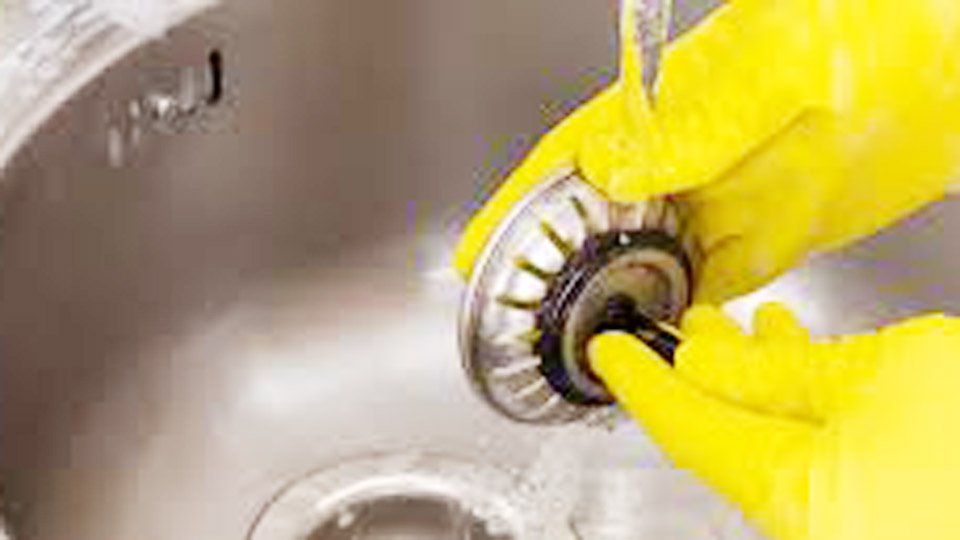
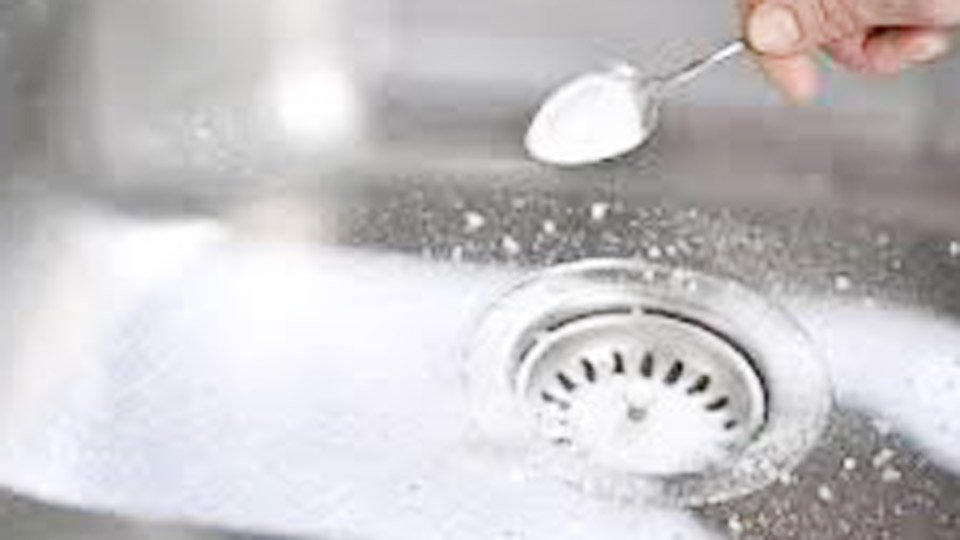
Drain: Pour boiling water, then baking soda/vinegar mix; let fizz, rinse.
Handling Hard Water and Stains
White vinegar dissolves minerals – soak a cloth overnight.
Mistake: Harsh chemicals in drains – they corrode pipes. Go natural.
Anecdote: Fixed a client’s smelly sink with this method; saved a plumber call.
Eco-Friendly and Safe Options
Plant-based cleaners like Seventh Generation are great. Always glove up for allergies.
Child safety: Store supplies high up.
Which Part of the Kitchen Should Be Cleaned Last? The Floor, and Here’s Why
Ah, the big question: which part of the kitchen should be cleaned last? Hands down, it’s the floor. After years of mopping up in homes from New York apartments to spacious Florida kitchens, I’ve seen why this makes sense. Everything above – counters, appliances – sheds debris downward. Cleaning the floor first? You’d just track more mess while finishing the rest.
Why save it? Efficiency and hygiene. Floors collect the final fallout, ensuring one thorough pass at the end. In pet-friendly homes, it’s crucial to avoid spreading fur or dander back up.
When needed: Daily sweeps, weekly mops, or after spills like that infamous spaghetti night.
Step-by-Step Floor Cleaning Process
Sweep or vacuum first – get loose dirt. I use a HEPA vacuum for allergens.
Mix cleaner: For tile, warm water with mild detergent; wood, specialized polish.
Mop in sections, starting from the farthest corner, working out.
Dry with a fan or towel to prevent slips.
Tile vs. Hardwood vs. Vinyl: Tailored Approaches
Tile: Grout lines need baking soda scrub.
Hardwood: Minimal water – damp mop only.
Vinyl: Vinegar shines it up.
Pros and cons table for floor cleaners:
| Floor Type | Recommended Cleaner | Pros | Cons |
|---|---|---|---|
| Tile | Tile-specific spray (e.g., Bona) | Deep cleans grout, fresh scent | May require scrubbing |
| Hardwood | Oil soap (Murphy’s) | Nourishes wood, no residue | Slippery if overused |
| Vinyl/Linoleum | DIY vinegar mix | Inexpensive, streak-free | Fades color if too strong |
| Laminate | Microfiber mop with water | Quick dry, no chemicals | Avoid steam mops – warps |
Common mistake: Over-wetting – leads to mold under baseboards. Wring mops well.
Pro Tips for Sparkling, Safe Floors
Use doormats at entries to cut tracked-in dirt. In my kitchen, this halves sweeping frequency.
Quick fix: Sticky lint roller for pet hair between cleans.
Safety: Warn family – wet floors are hazards. I’ve placed signs during jobs.
Special Considerations for Deep Cleans and Maintenance
Every few months, go deeper. Pull out appliances, clean behind – you’ll be shocked at what’s there.
Why? Prevents pest infestations and appliance breakdowns.
Tip: Label cords before moving for easy re-setup.
Dealing with Tough Stains and Odors
Coffee spills? Club soda blots them up.
Odors: Simmer vinegar on stove.
Mistake: Ignoring vents – clean filters for better air.
Seasonal Cleaning Adjustments
Summer: More fruit flies – trap with vinegar bowls.
Winter: Salt tracks – mop with warm water.
In humid climates like the South, dehumidifiers help.
Conclusion: Clean Smarter, Live Better
Wrapping this up, the key to a spotless kitchen is that top-down order, saving the floor for last to catch all the debris. By following these steps, you’ll clean faster, smarter, and safer – cutting down on germs, saving time for what matters, like family dinners instead of endless scrubbing. One final pro tip: Make it a habit to wipe counters nightly; it prevents big buildups and keeps your space inviting. You’ve got this – happy cleaning!
FAQ
What is the best order to clean a kitchen?
Start with dusting high areas like cabinets, then appliances, counters, sink, and finish with the floor. This prevents re-dirtying surfaces and streamlines the process for everyday US homes.
How often should I deep clean my kitchen floor?
Aim for weekly mopping, but deep cleans every month or after heavy use. In high-traffic families, spot clean spills immediately to avoid stains.
What natural cleaners work best for kitchen counters?
Vinegar and water for most, or baking soda for scrub. They’re safe, cheap, and effective – I’ve used them in eco-conscious homes with great results.
How do I clean kitchen appliances without damaging them?
Unplug first, use mild solutions, and avoid water in electronics. For ovens, let cleaners sit; it’s gentler than aggressive scrubbing.
Are there kid-safe ways to clean the kitchen?
Yes, use non-toxic products like vinegar mixes, keep chemicals locked, and involve older kids in safe tasks like dusting. Always supervise for safety.