I don’t know about you, but grout lines in my bathroom always seem to get that stubborn, dingy look no matter how often I clean. I used to dread scrubbing them, especially because harsh chemicals make me nervous.
That’s why I started looking for a gentler alternative—Homemade Grout Cleaner Without Hydrogen Peroxide? After a few experiments, I found a simple mix that really works without the harsh smell or chemicals.
Tackling grout isn’t just about appearances; it keeps your bathroom hygienic and prevents mold from spreading. Here’s what usually works for me when I need a sparkling clean, chemical-free finish.
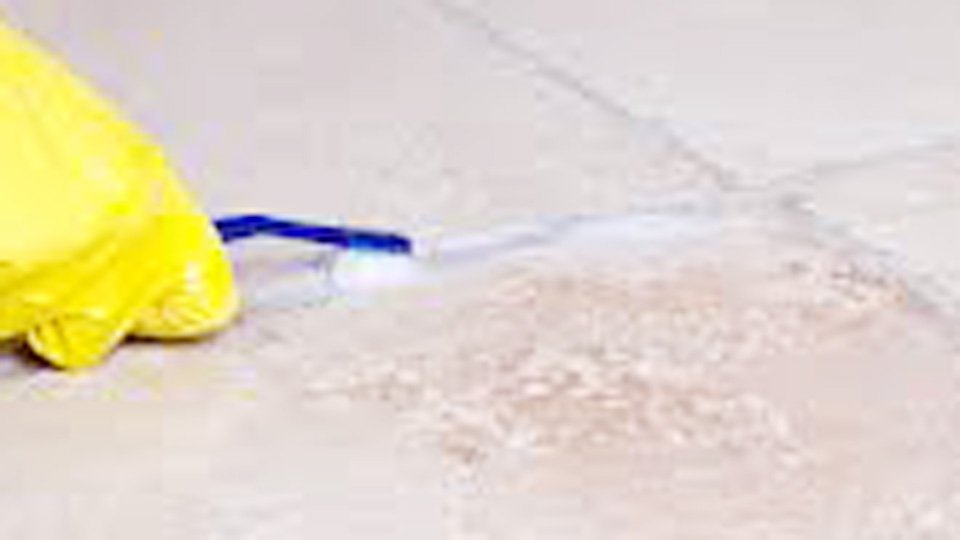
Image by dettol
Grout and Its Cleaning Challenges
Grout is that porous material filling the gaps between tiles, acting like a sponge for dirt, soap scum, and spills. In typical US homes, whether it’s a cozy apartment in New York or a sprawling suburban kitchen in Texas, grout sees a lot of action—from kids’ bath time splashes to cooking mishaps.
You need to clean it when those lines turn from white to gray or black, signaling buildup that could lead to permanent stains or even tile damage. I’ve seen grout so neglected it cracked, forcing pricey repairs. Regular cleaning keeps your floors and walls safe and sanitary, preventing slips from greasy residues in kitchens.
To tackle it step by step: First, sweep or vacuum the area to remove loose debris. Then, apply your cleaner, let it sit, scrub gently, and rinse. Sounds simple, but rushing this can leave streaks or incomplete cleaning.
A common mistake? Using too much water right away, which dilutes your cleaner and pushes dirt deeper. Avoid that by starting with a dry brush to loosen grime. From my experience, always test on a small spot first—I’ve saved a few clients from faded grout that way.
Pro tip: Work in sections, like 2×2 foot areas, to avoid overwhelming yourself. It’s how I powered through a whole basement floor without burning out.
Why Skip Hydrogen Peroxide in Your Homemade Mix?
Hydrogen peroxide is popular for its bleaching power, but it’s not always the best choice. It can discolor darker grouts or react badly with certain sealants, leading to uneven results. Plus, if you’re sensitive to fumes or have pets, it’s worth avoiding.
I opt out when cleaning for families with kids—safety first. Without it, you’re leaning on natural acids and abrasives that are just as effective but milder on surfaces and lungs.
When do you need alternatives? If your grout is sealed or colored, or if you’re in a poorly ventilated space. I’ve used peroxide-free recipes on vintage tile jobs where preserving the original look was key.
Step by step for deciding: Assess your grout type—sanded for wider gaps, unsanded for narrow. Check for stains: Mildew calls for acid-based cleaners. Mix accordingly, apply, and monitor.
Mistake to dodge: Assuming all homemade cleaners are equal. Some are too abrasive and can etch tiles. Stick to balanced recipes.
Shortcut: Keep a spray bottle of your go-to mix ready for quick touch-ups. Saves me tons of time on weekly rounds.
Baking Soda and Vinegar: My Reliable Standby for Tough Grout Stains
This combo is a powerhouse—baking soda’s gentle abrasion meets vinegar’s acidity to fizz away grime without peroxide.
It’s needed for everyday buildup in high-traffic areas like entryways or showers, where soap and water alone won’t cut it. In US households, with our love for steamy showers, this prevents mold that thrives in moisture.
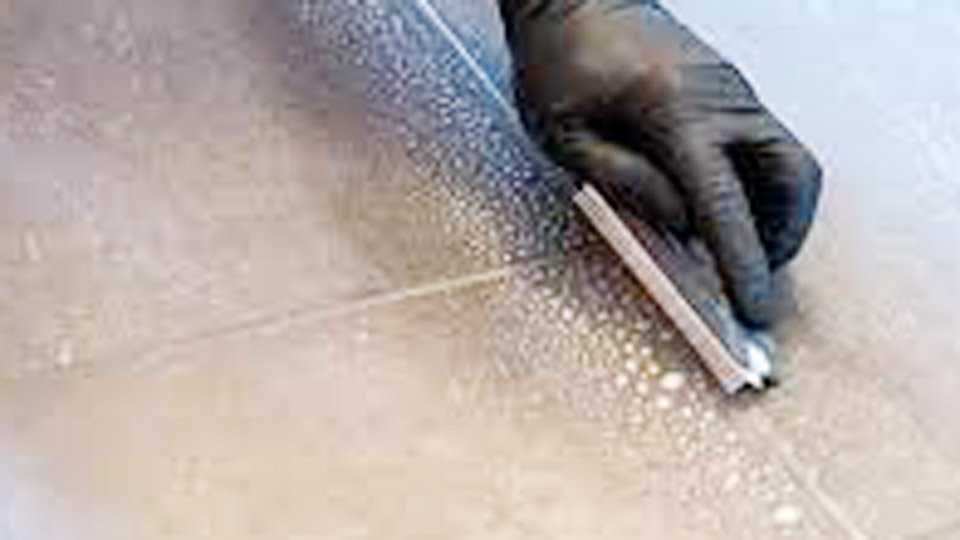
Here’s the process: Mix ½ cup baking soda with ¼ cup white vinegar to form a paste. Apply to grout lines with an old toothbrush. Let sit 10-15 minutes—the fizzing action lifts dirt. Scrub in circular motions, then rinse with warm water and wipe dry.
Common pitfall: Over-scrubbing, which wears down grout. Use light pressure; let the chemistry do the work.
From the job: Once, I tackled a client’s kitchen grout after a spaghetti sauce spill. This mix saved the day without bleaching the beige lines.
Eco option: Use apple cider vinegar for a fruitier scent, but dilute it more to avoid stickiness.
Safety note: Wear gloves to protect your hands from the acid, and open a window for ventilation—even natural stuff can irritate.
Lemon Juice and Baking Soda: For a Bright, Fresh-Smelling Clean
Lemon juice brings natural citric acid to the table, cutting through grease and leaving a zesty aroma that’s perfect for kitchens.
Why use it? When grout has oily stains from cooking or pet accidents, common in busy American homes with open-concept layouts. It brightens without harsh smells.
Step by step: Squeeze juice from two lemons, mix with ½ cup baking soda into a paste. Spread on grout, wait 5-10 minutes. Scrub with a soft brush, rinse, and dry.
Avoid this mistake: Leaving it on too long—acid can etch unsealed grout. Time it carefully.
Pro tip: Add a dash of salt for extra abrasion on stubborn spots. I’ve used this on bathroom grout after humid summers, and it revives the white like new.
Anecdote: Helping a friend with her rental apartment’s grout before move-out inspection—this recipe got it spotless, saving her deposit.
Child safety: Store lemons out of reach; they’re natural but can sting eyes.
Dish Soap and Warm Water: Gentle Daily Maintenance Without Fuss
Sometimes, simple is best. Dish soap like Dawn cuts grease without any peroxide or heavy acids.
It’s ideal for routine cleaning in low-stain areas, like hallway tiles, to prevent buildup. In fast-paced US lives, this saves time for families juggling work and kids.
Process: Mix a teaspoon of dish soap in a bucket of warm water. Dip a microfiber cloth or mop, wring well, and wipe grout lines. For spots, use a spray bottle version and scrub lightly.
Mistake: Using too much soap, leading to residue. Rinse thoroughly.
Shortcut: I keep a pre-mixed bottle in my cleaning caddy for quick swipes after dinner spills.
Eco-friendly twist: Opt for plant-based soaps to reduce chemicals in your drain.
Ventilation reminder: Even mild, soap can create suds—ensure good airflow to dry surfaces fast and avoid mildew.
Essential Tools and Materials for Effective Grout Cleaning
You don’t need fancy gadgets, but the right ones make a difference.
What they are: Old toothbrushes for precision, microfiber cloths for wiping, spray bottles for application, and gloves for protection.
Why needed: Precision tools reach tight lines without damaging tiles. In standard US bathrooms with small tiles, this is crucial.
Step by step selection: Start with basics from your home, like recycling a toothbrush. For pros, invest in a grout brush with stiff bristles.
Common error: Using metal brushes that scratch. Stick to nylon or plastic.
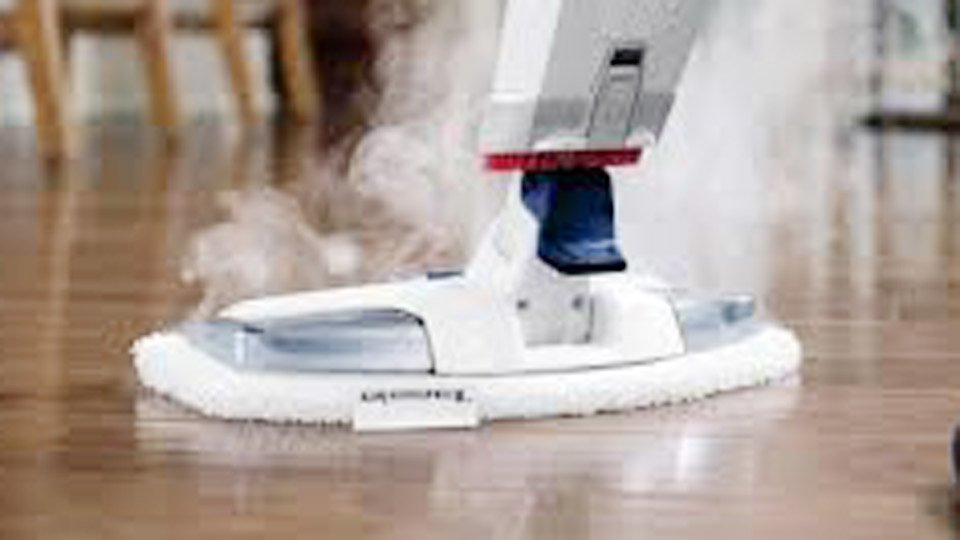
Tip from experience: A steam cleaner as a tool booster—I’ve used one on sealed grout for deep clean without chemicals.
Table comparison of tools:
| Tool | Pros | Cons | Best For |
|---|---|---|---|
| Toothbrush | Cheap, precise | Wears out fast | Small areas |
| Grout Brush | Durable, angled | Costs more | Large floors |
| Microfiber Cloth | Absorbent, no lint | Needs washing | Wiping dry |
| Spray Bottle | Even application | Can leak | Quick mixes |
This setup has served me well on jobs from cozy condos to big family homes.
Step-by-Step Guide to Deep Cleaning Grout Lines
Let’s walk through a full clean, as if I’m right there with you.
First, prep: Clear the area, vacuum debris.
Apply cleaner: Choose your homemade mix, spread evenly.
Wait: 5-15 minutes, depending on recipe.
Scrub: Gentle back-and-forth, not too hard.
Rinse: Warm water, mop or wipe.
Dry: Towel or fan to prevent moisture issues.
Why this sequence? It maximizes effectiveness while minimizing effort.
Mistake: Skipping dry step—leads to re-soiling.
Pro: For big jobs, divide into zones. I once cleaned a whole patio this way, section by section.
Safety: Gloves on, kids and pets out—simple but essential.
Common Mistakes in Homemade Grout Cleaning and How to Fix Them
I’ve made them all, so learn from my slips.
One biggie: Mixing incompatible ingredients, like bleach with vinegar—toxic fumes. Stick to safe pairs.
Another: Not sealing grout after. Clean, then apply sealer to repel future dirt.
Avoid over-wetting; it seeps under tiles causing mold.
Quick fix: If paste is too thick, add water drop by drop.
From jobs: A client once scrubbed too hard, cracking grout. Gentle is key.
Pros and cons of DIY vs. store-bought:
Pros of DIY: Cost-effective, customizable, eco.
Cons: Takes time to mix, less potent for extremes.
Store-bought pros: Ready-to-use, strong.
Cons: Chemicals, expense.
Balance them based on your needs.
Pro Tips and Shortcuts from Years of Scrubbing
Here’s the good stuff from my toolkit.
Tip: Use a pencil eraser for small stains—rubs off gently.
Shortcut: Baking soda paste overnight for set-in grime, scrub morning after.
For eco: Essential oils like tea tree add antibacterial without peroxide.
Anecdote: On a rainy day job, I used a hairdryer to speed dry—worked like a charm.
Maintenance: Weekly wipe-downs keep deep cleans rare.
In US setups, with hard water in places like California, add vinegar to combat mineral buildup.
Eco-Friendly and Safe Alternatives for Sensitive Homes
Going green? I’ve shifted many clients to these.
What they are: Recipes with castile soap or essential oils.
Why: Reduces environmental impact, safer for allergies.
Process: Mix castile soap, water, baking soda. Apply as usual.
Mistake: Overusing oils—sticky residue.
Tip: Dilute properly.
Safety: Test for allergies, ventilate.
For families: Lock away mixes, teach kids about safe cleaning.
Preventing Future Grout Grime Buildup
Clean once, maintain forever.
Seal grout every 1-2 years—I’ve seen it extend life.
Use mats in entries to catch dirt.
Daily: Squeegee showers post-use.
Why? Prevents the cycle of deep cleans.
Mistake: Ignoring ventilation—fans on to dry.
Tip: In humid areas like Florida, dehumidifiers help.
Anecdote: Advised a busy mom this, and her bathroom stayed fresh months longer.
Wrapping Up: Cleaner Grout, Happier Home
There you have it—my insider scoop on homemade grout cleaner without hydrogen peroxide. You’ve got recipes, steps, and tips to tackle any grout mess smarter, faster, and safer. Whether it’s the baking soda fizz or lemon’s zing, these methods cut costs, boost hygiene, and keep your home welcoming.
FAQ
What is the best natural grout cleaner for colored tiles?
For colored grout, stick to mild mixes like dish soap and water or baking soda with lemon juice diluted. I’ve used these on beige and gray lines without fading—test first, scrub gently, and seal after for protection.
Can I use baking soda alone to clean grout?
Baking soda works solo as a mild abrasive, but pair it with vinegar or lemon for better results on stains. Dampen it into a paste, apply, scrub, rinse. From my experience, it’s great for light maintenance in kitchens.
How often should I clean grout in a bathroom?
Aim for deep cleans every 1-3 months, depending on use—more if humid or high-traffic. Weekly wipes prevent buildup. In steamy US bathrooms, this keeps mold at bay and saves time long-term.
Is vinegar safe for all types of grout?
Vinegar is fine for most sealed grout but can etch unsealed or natural stone types. Dilute it 1:1 with water, test a spot. I’ve safely used it on ceramic tiles for years without issues.
What if my homemade cleaner doesn’t remove mold?
For stubborn mold, try a stronger baking soda-vinegar paste left longer, or add tea tree oil for antifungal punch. If persistent, check for leaks—I’ve fixed many by addressing moisture sources first.